Álvaro Barrios' questioning work moves today through multiple channels. His appropriation of the text to tell educated, erotic, or merely humorous dreams, not only takes him out of the usual context of traditional art, but leads him to circumvent the established ways (some of his works are fixed to the wall without a frame, for example), the artist's trade (they are industrially printed), their sacredness (it is possible in some works to complete or do the job), and their permanent condition (they are primarily ephemeral). Several cards with imaginary stories, nightmares, or simply blank, attest to this. It could be said then that Barrios is making an anti-formalist or at least conceptual incursion. Still, it is amazing to note that in parallel, his art goes back to the origins of his technique, fantasy, and argumentation. Beautifully academic drawings for their correction and dreamy in their spatial and soul location offer an artist attached to the most traditional norms. This conflict dominates barrios' art. It is the handling of it and its skillful displacement that intrigues a work as apocalyptic as it is transgressive.
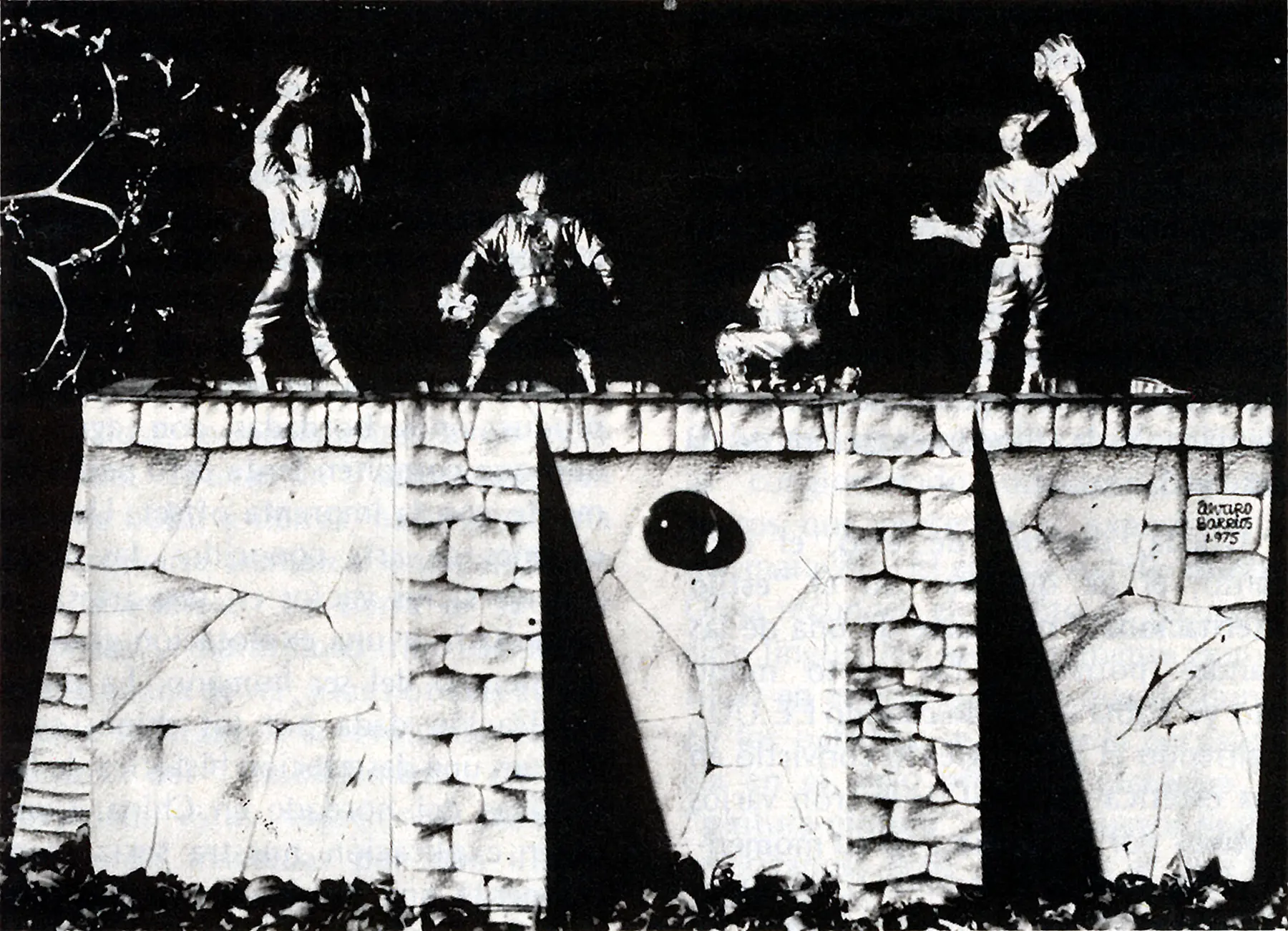
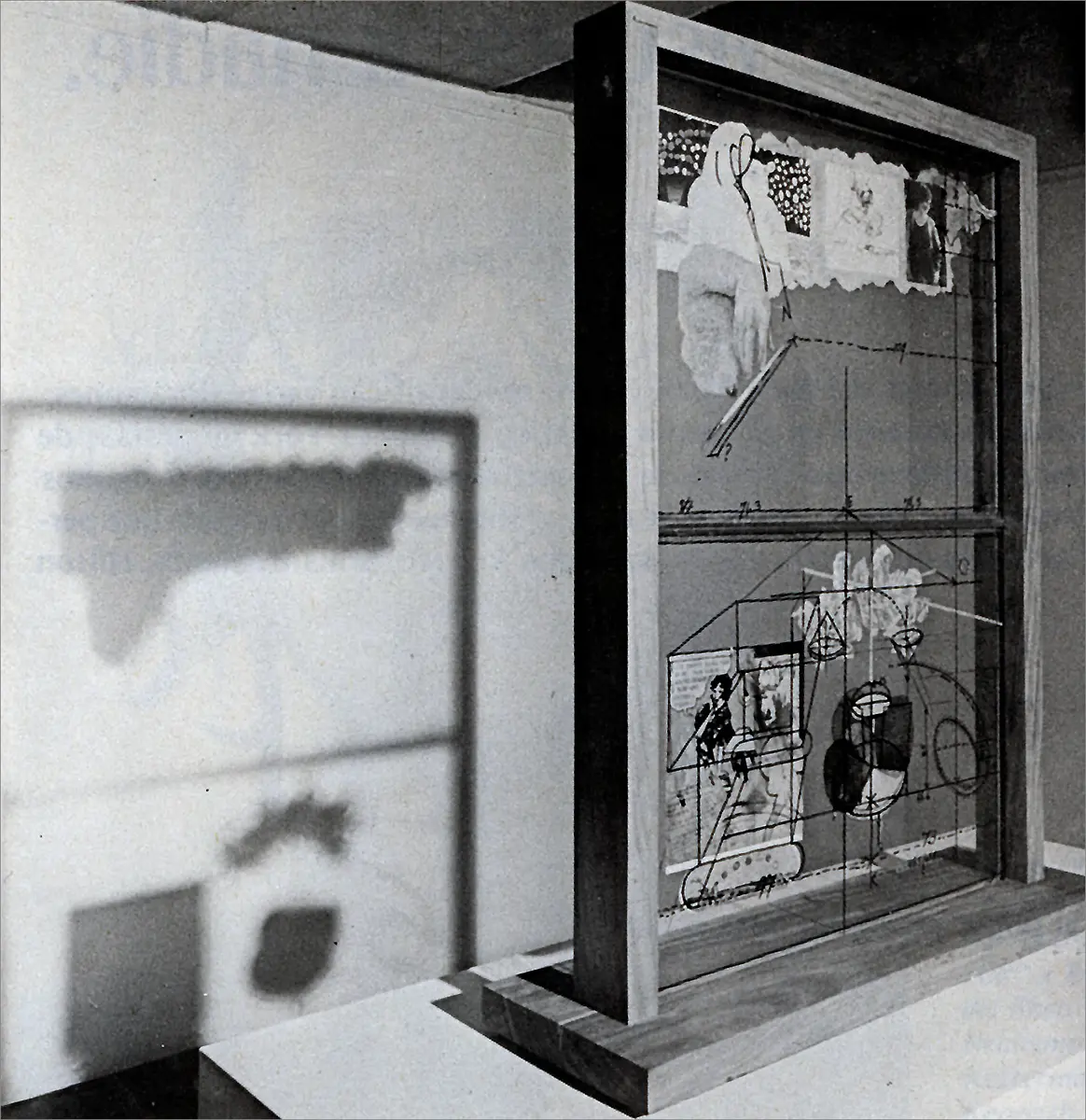
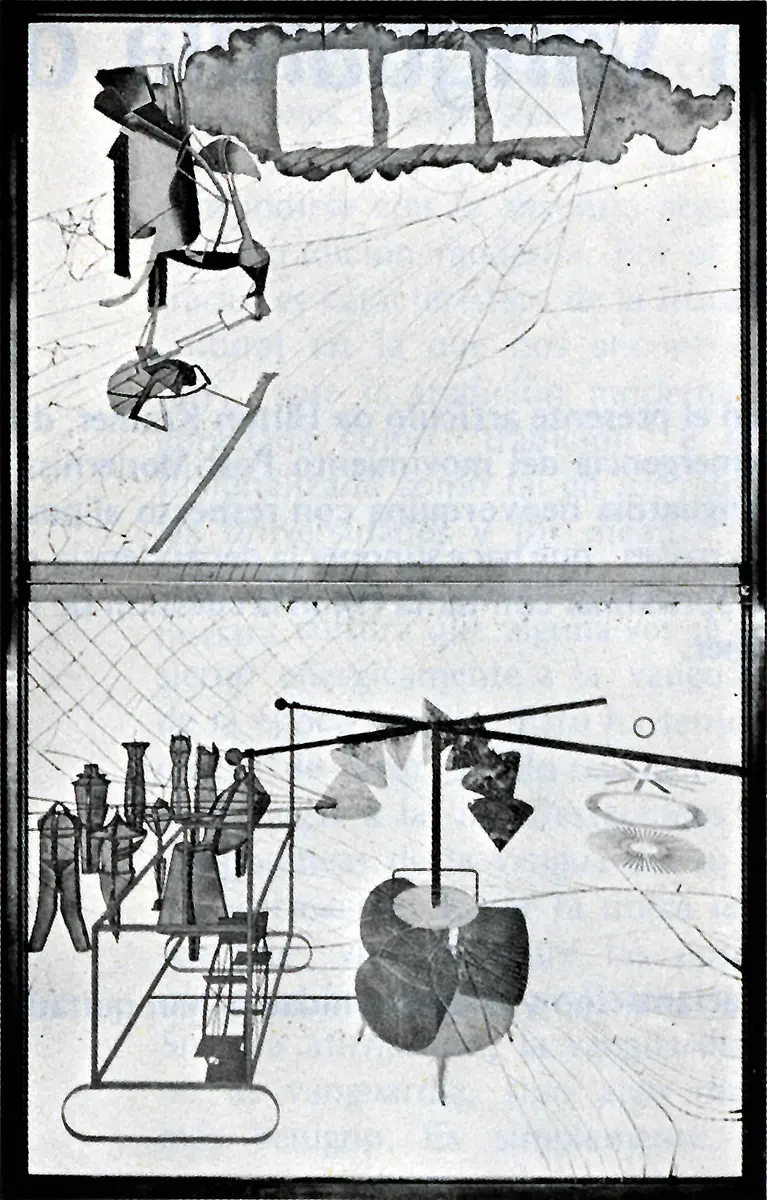
His Great Glass, in Homage to Duchamp, has the original structure in full and transparent areas and offers the viewer an exhaustive anthology of student work until its last production. Art over art; formal work and ephemeral proposition (its shadow equal to that of the original Duchamp is raised as work and offered as spirit: artistic soul).
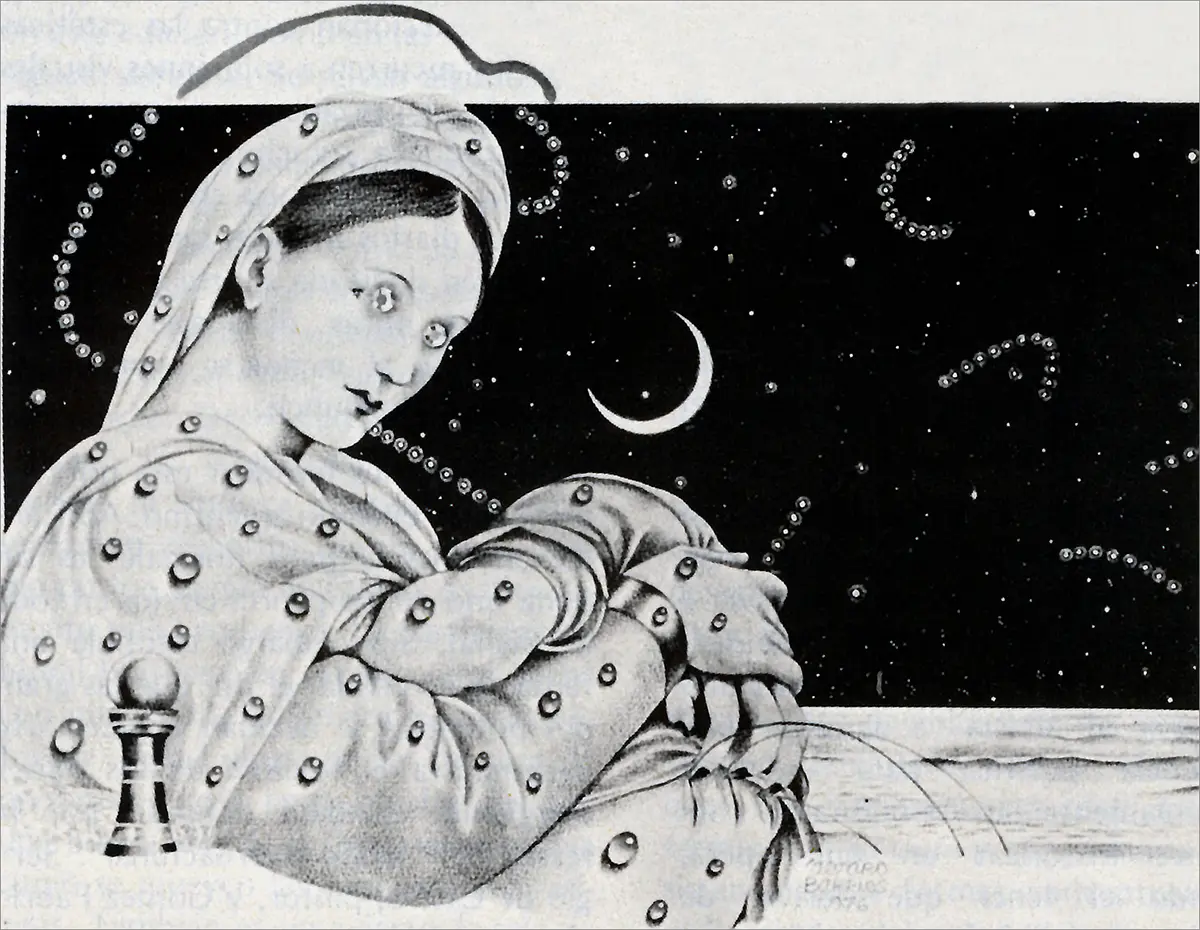
But this idea of taking up the arguments of art history, practiced in the past and so common in our century, is a whole line of action in Colombia; Botero and Beatriz González splendidly illustrate this measure that originality consists in treatment. Barrios also makes it his own and continues to practice it when today he turns Duchamp into a constellation that illuminates variations of Millet's gleaners, now following a delirious new will to collect pearls.
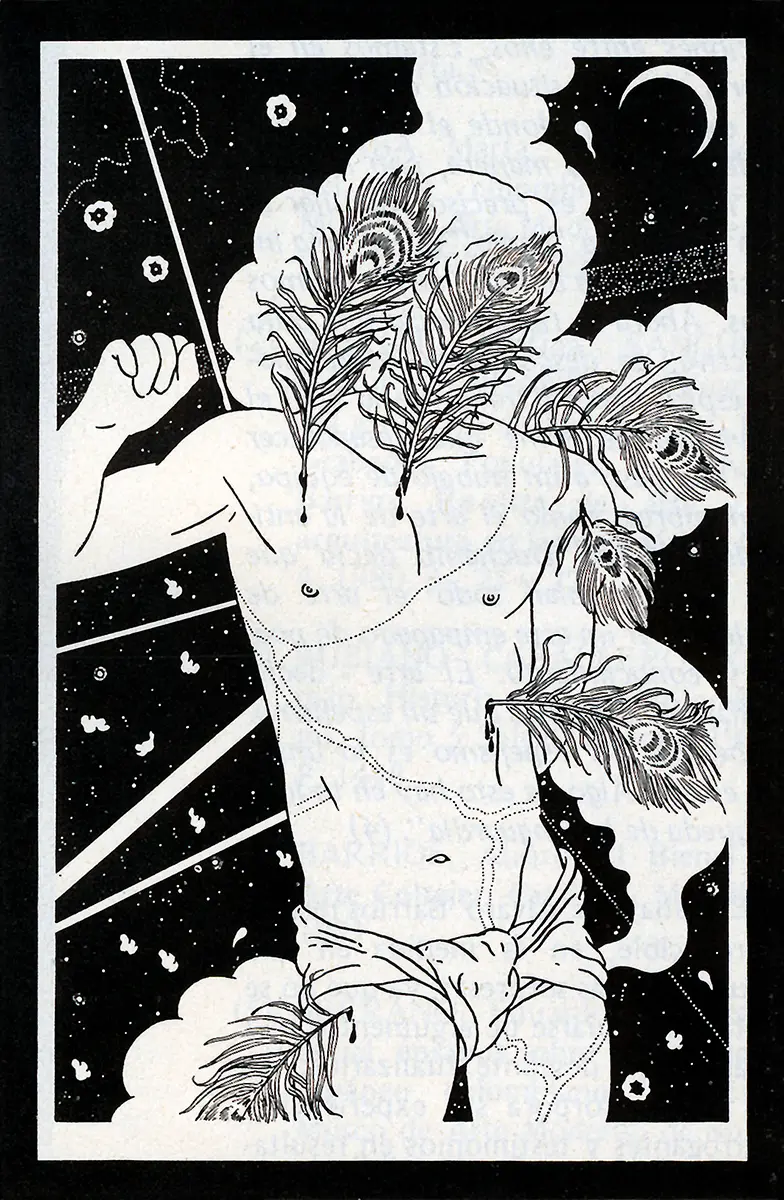
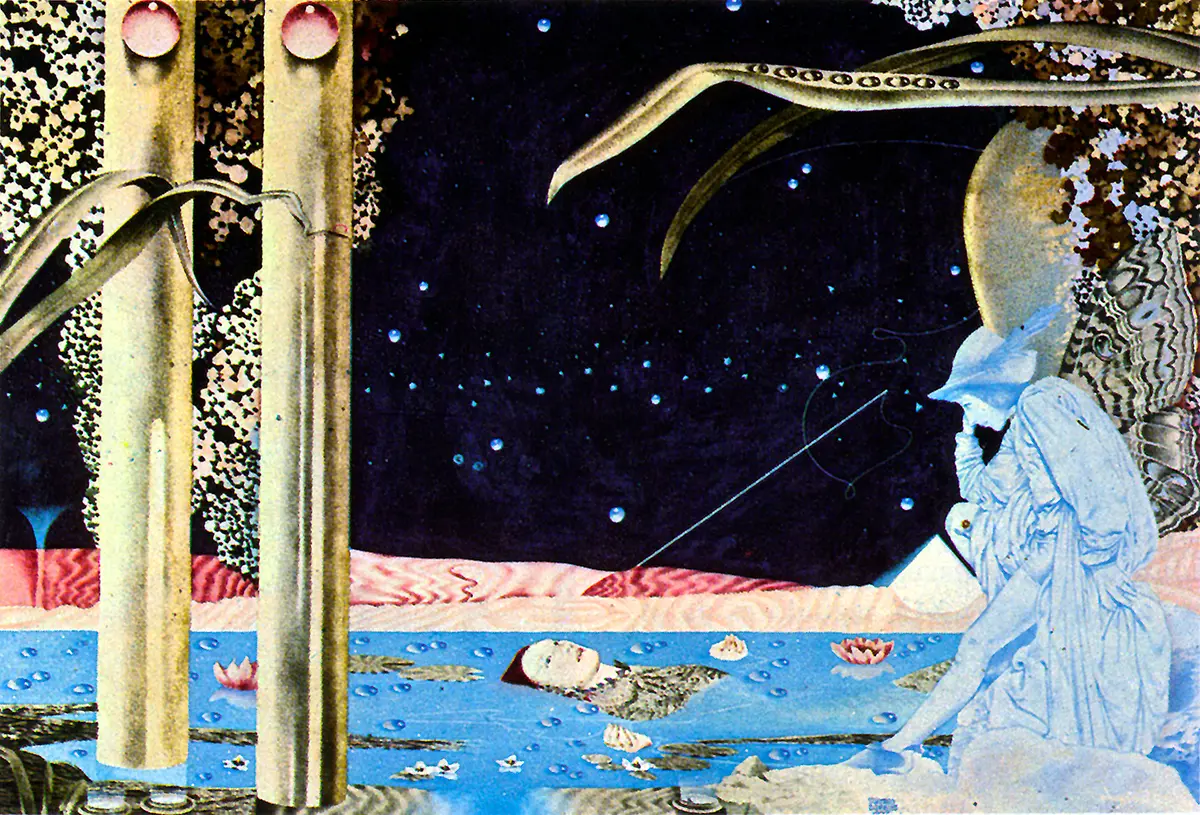
Barrios is still a happy and inventive cartoonist, and also a painter and maker of objects. His work extends to engraving (traditional and “popular”), photography as a medium, and the environmental illustration of his work and promoting and stimulating counseling for new artists. His last proposals can be taken as a grand opening of his boxes that have been produced since 1969, going from simple form to space in wildlife showcases, symbolist literary urns, and large aquariums where Rafael and the 19th-century English followers of his technique and spirit. Barrios imagines stories of free association. He looks at the comic strip sarcastically and takes it. Check out the postcard and imaginative Christmas, Name Day, and Mother's Day reminders to inspire your three-dimensional frosty chores. Its culture seems to go parallel to its mythification: Rodolfo Valentino returns as an idea of cinema when he is reborn as Elvis Presley. Superman is now a super Sebastian, less holy but more provocative. It is the past as nostalgia and resource, but, at the same time, "the most picturesque aspects of the 20th century, provided that such picturesqueness has started from the most snobbish and sophisticated classes of society."1
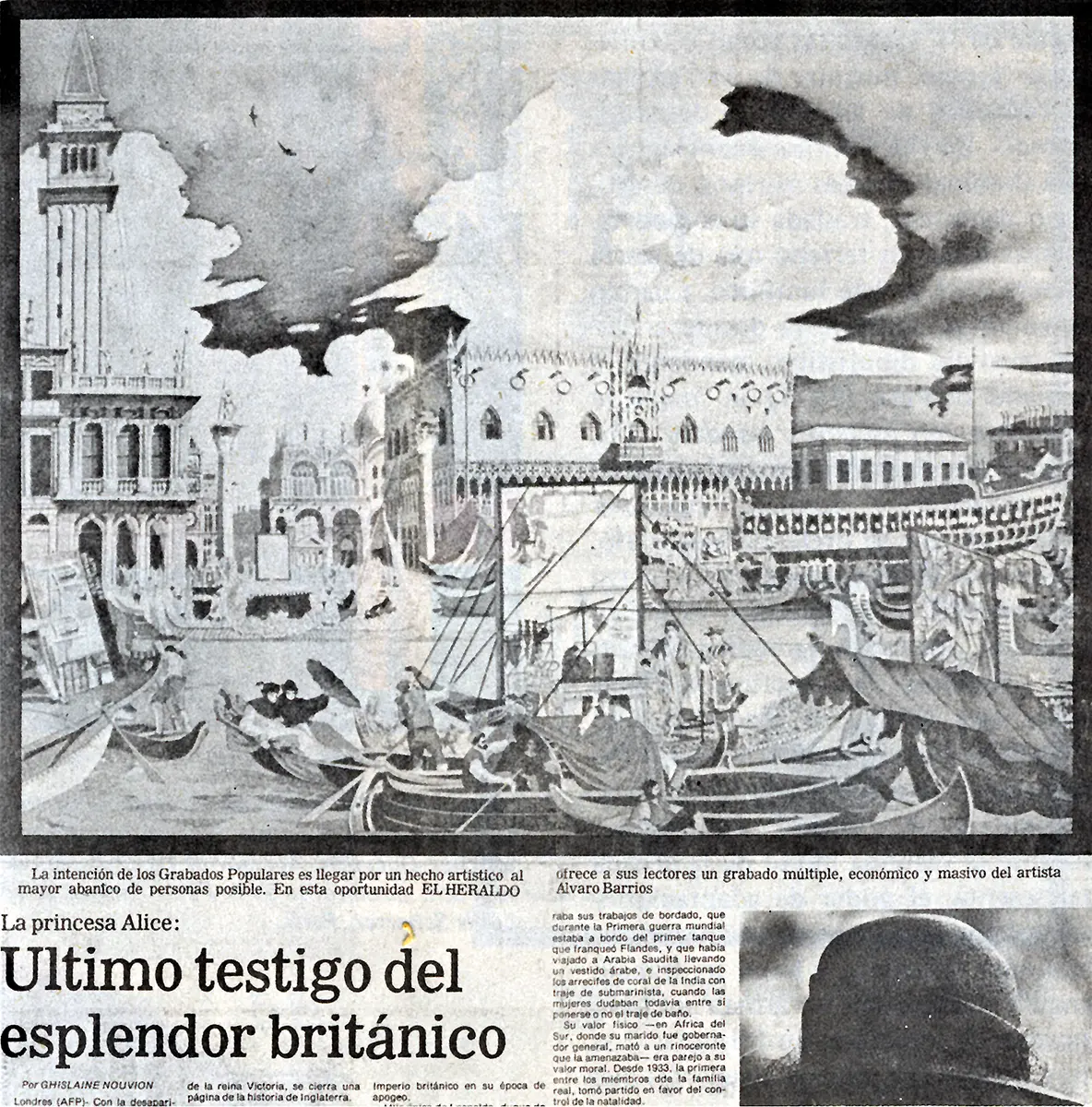
Alongside the elitism of his drawing and exclusive work, he places the "popular prints," printed in magazines and newspapers, that he regularly publishes since 1972, preceded by a 1968 publication called Art-pia, directed by Bernardo Salcedo, where he produced a poster: Superman on the top and from the waist down Leonardo Da Vinci's legs, extracted from his famous drawings. “The importance lies in the development towards an art of concepts from an initial work based on drawing (in the case of popular engravings)... I think that engraving in Colombia is a conventional medium that has not been used as an enriching artistic formula, that is, as multiple arts. It has only served to enrich elite art and for charitable works."2
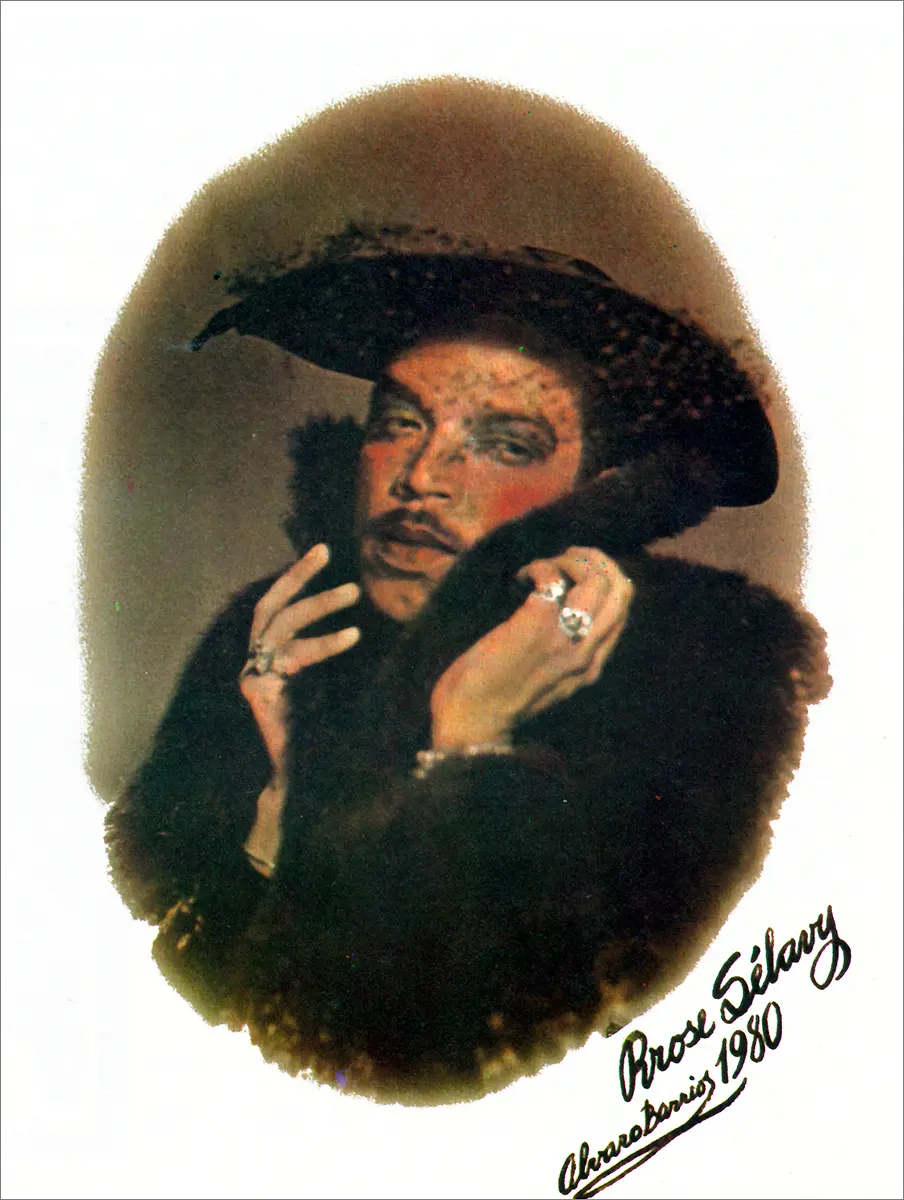
When Barrios undresses his healthy model for variations of Saint Sebastian; when he takes photos of this action in different contexts and with different objects (household appliances, flowers, veils, snails, etc.), he is forcing the viewer to look at his art from the Body-Art perspective, or at least to consider its exercise as a process that uses photography as an intermediary (like many of the conceptual artists of the last decades). When Barrios uses electric light to illuminate seascapes, desert sites, or Dantesque scenes, he transfers his behavior to a terrain that, in a certain way, touches light art. When with his revisionist will he decides to risk drawing’s prestige by sending to the Paris Biennale (1971) a Map of Colombia With Shield and Flag,3 he necessarily demands a rethinking of its location and condemns any mold with which it is intended to secure it. Well, these free associations and experimental force emerge from his foray into neo figuration (Alcántara - Rendón), the different practices of the comic strip (Lichtenstein), the encounter with the Kitsch and the box as a magical-disturbing element (J. Cornell and P. Blake) achieved during the second half of the sixties, the power of adaptation and his remarkable inventiveness to surpass any influence and do a singular job, denounce a solitary artist unable to hide in formulas and very attentive to new categories that constantly define the artistic.
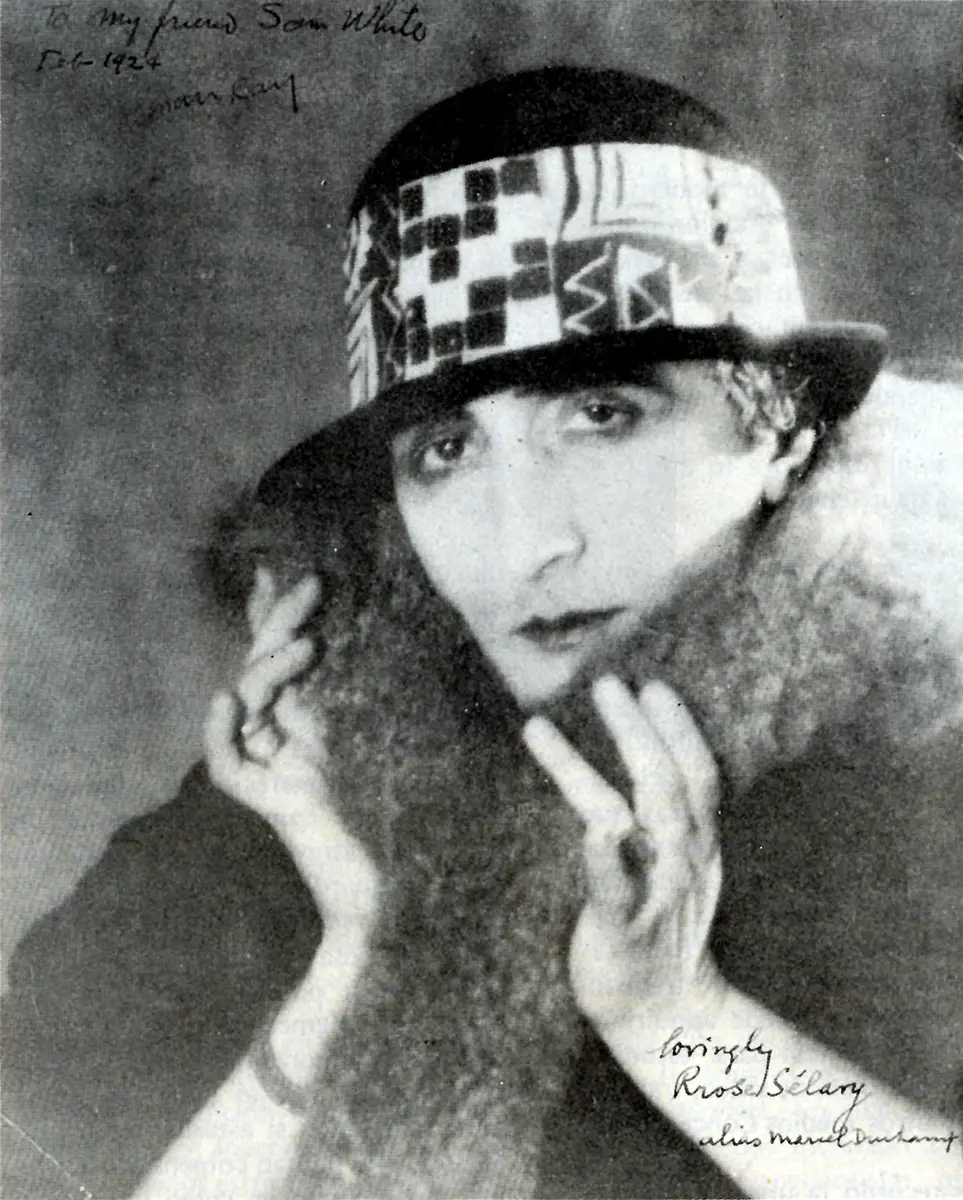
"Everything is yet to be renewed, to propose: the author, the work, and the public, and the relationships between them. We are on the threshold of a situation of extreme sensitivity where art is confused, in a certain way, with life. Or else, it is necessary to annihilate the myth of the artist ‘genius’ who is an invention of bourgeois art of the last centuries. Now there is a tendency towards a collective work, with enormous spiritual dimensions, through which Individualism has to disappear to make way for teamwork, without names, like the art of antiquity. Marcel Duchamp said that you have to change all the art of ‘retina’ for an art steeped in poetry and knowledge. Art —Duchamp said— is nothing more than a mirage. The beauty of the mirage is the only thing that exists. Some of this is in all the search for the vanguard."4
Álvaro Barrios' work is unpredictable since it augurs pleasant surprises since he does not limit himself to appropriating arguments or varying and decontextualizing them. He goes further, incorporating his experiences, questions, and testimonies into results where knowledge and the knowledge of an ignored world are confronted, where he returns to "the arbitrary reality of poetry, "5 at the same time that he elaborates with multiple treatments the surreal, erotic, and mythical that seems to remain constant in its open production.
NOTES
1. TRABA, Marta. Historia abierta del arte colombiano. Museo de Arte Moderno La Tertulia, Cali, 1974, p. 225
2. BERNAL, Delfina. SÁNCHEZ, Víctor. HERNÁNDEZ, Eduardo, from Grupo 44 de Barranquilla. “Los Grabados Populares de Álvaro Barrios” (Alvaro Barrios’ Popular Engravings). Re-vista del arte y la arquitectura en Latinoamérica, No. 4,1980, p. 21-22
3. RUBIANO CABALLERO, Germán. Historia del arte colombiano, Vol. 5 Salvat, Bogotá, 1975, p. 1448
4. BARRIOS, Álvaro. II Bienal de Arte Coltejer, catalog, Medellin, 1971
5. SERRANO, Eduardo, Un lustro visual, ensayos sobre arte contemporáneo colombiano. Museo de Arte Moderno de Bogotá and Ediciones Tercer Mundo, Bogota, 1976, p. 33.
MIGUEL GONZÁLEZ
*This text was originally published in Spanish, the translation was done as part of the digitization process of ArtNexus magazine.