Óscar Muñoz (Cali, 1951) began to build his realist language in 1971 and has continued to adjust and reflect that idiom to make reality a means, a finality, and a form of questioning.
In 1972 at the First Salon of Young Artists, The Tertulia Museum of Modern Art, he included two works that revealed a new development: Bridge Club portrays dignified society ladies playing cards at a table with a real tablecloth which, when raised, uncovers an erotically joined group of legs. A similar eroticism appeared, when the spectator pulled a curtain, on the outwardly dignified participants in Opera.
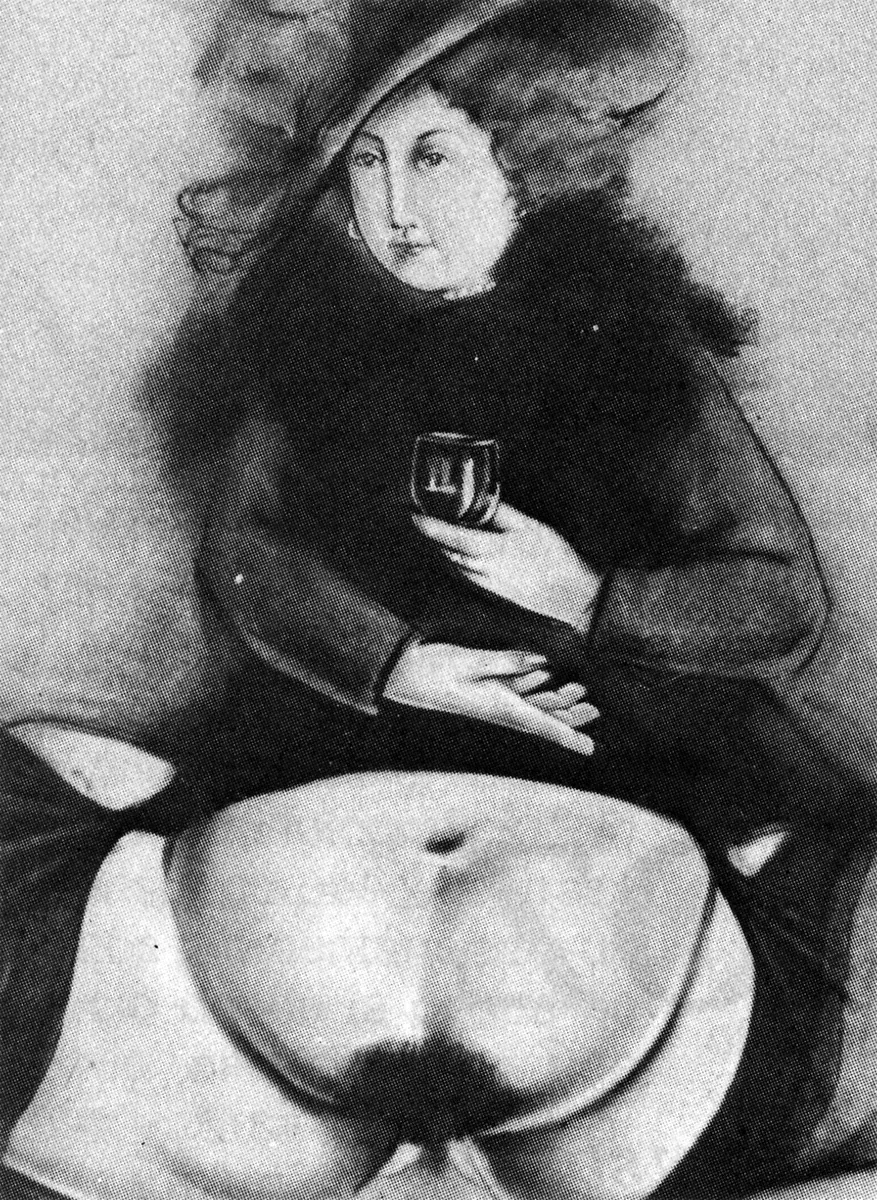
This idea of contrast in situations of conflict animates Muñoz's early production. There are also influences of ornamental figuration from Enrique Grau and marked irony of situations from Fernando Botero. Family 2 (1973) narrates a turn-of-the-century, conventionally-dressed group who are, beneath it all, nude and deformed. The works of 1974 continued in this vein, presenting solemn and tremendously conventional figures from the waist up who, from the waist down, became distorted by sexual satire.
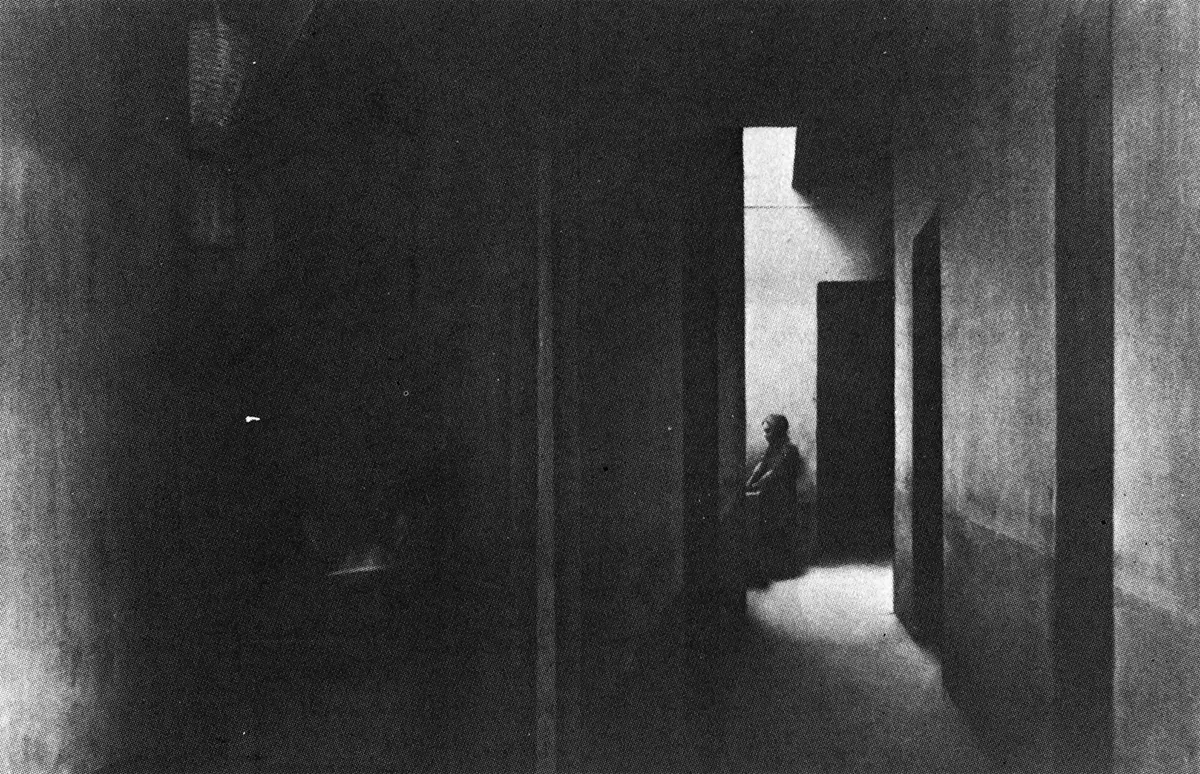
In 1975 Muñoz held three individual showings in which the idea of photo-realism was constant, eroticism more contained and subtle, and finished formal and careful. However, in 1976 interest in nostalgic elements disappeared to make way for a confrontation with popular architecture, beginning with his series Interiors. Similar investigations were being made by photographer Fernell Franco and painter Ever Astudillo, and the photo-realist perspective of Darío Morales was suggestive of a generation of Colombian artists. Interiors reached its full unfolding in the works Muñoz exhibited at the Third American Biennial of Graphic Arts and at the 25th Salon of National Artists (1976), with the artist's drawings becoming more and more realistic.
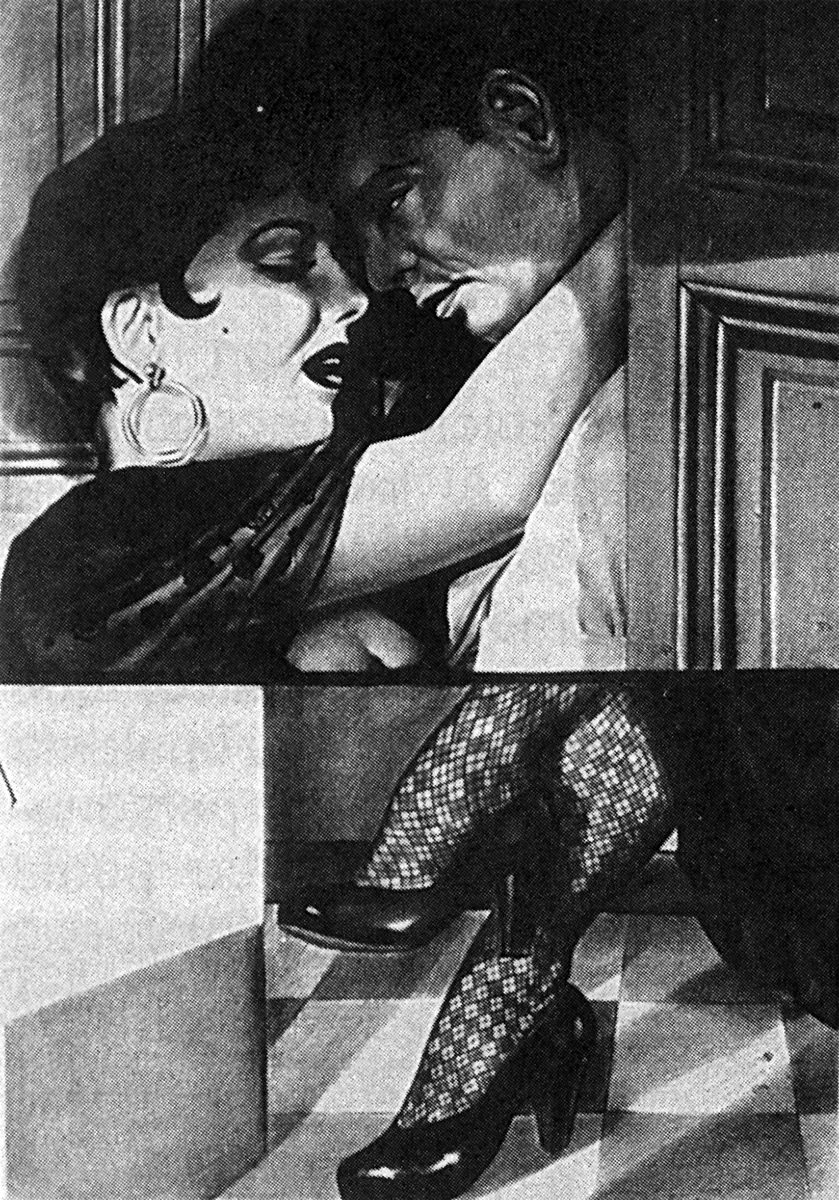
The artist commanded international attention from 1977 to 1981, participating in exhibitions in Caracas and Havana, the latter presenting his noteworthy Tenements, a search for the poetic within the shadows of the sordid. In 1978 his works were shown at the 10th Paris Biennial, and he presented his first individual show, in Paris, at the Albert Loeb Gallery.
1979 brought a collective exhibition in Cali of Ever Astudillo, Fernell Franco, and Óscar Muñoz, all with shared traits. These artists, with María de la Paz Jaramillo, had delved into popular culture as a basic theme.
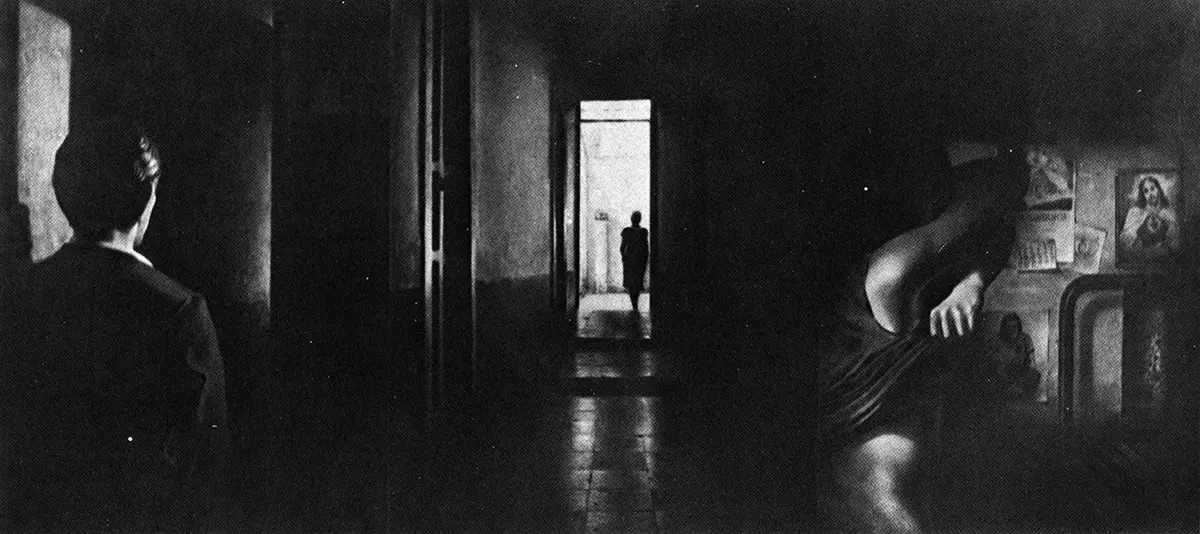
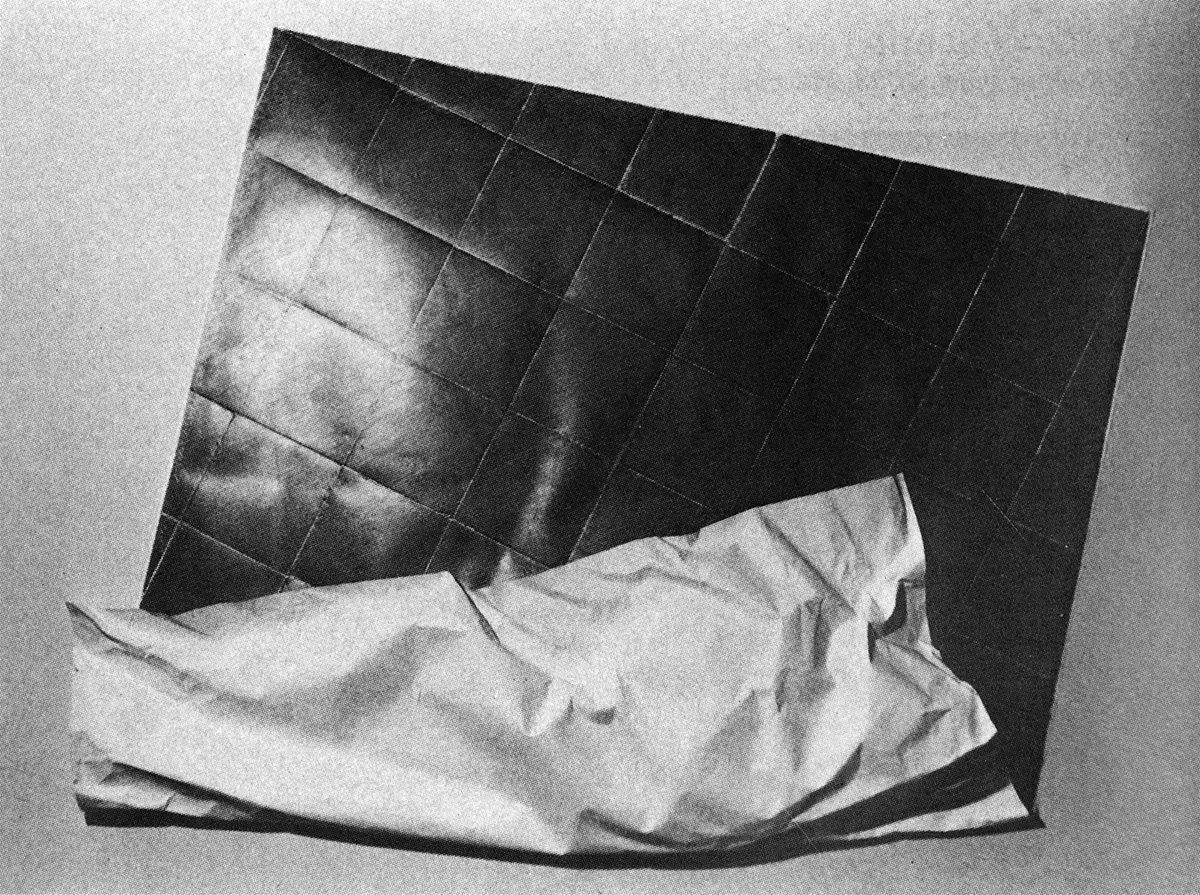
Realism and Latin American Painting of the 70s was held in New York in 1980, and Lawrence Alloway-organizer of the event praised Muñoz's "special sense of the use of spaces which makes the architecture of his paintings expressive," as well as a recovery of the political impulse of naturalism of the 19th century, expressed in contemporary style. Finally, the artist's individual shows in 1981 reiterate his enthusiasm for distant and quiet scenes that rescue the imprint of the passing of time in accidents produced by light.
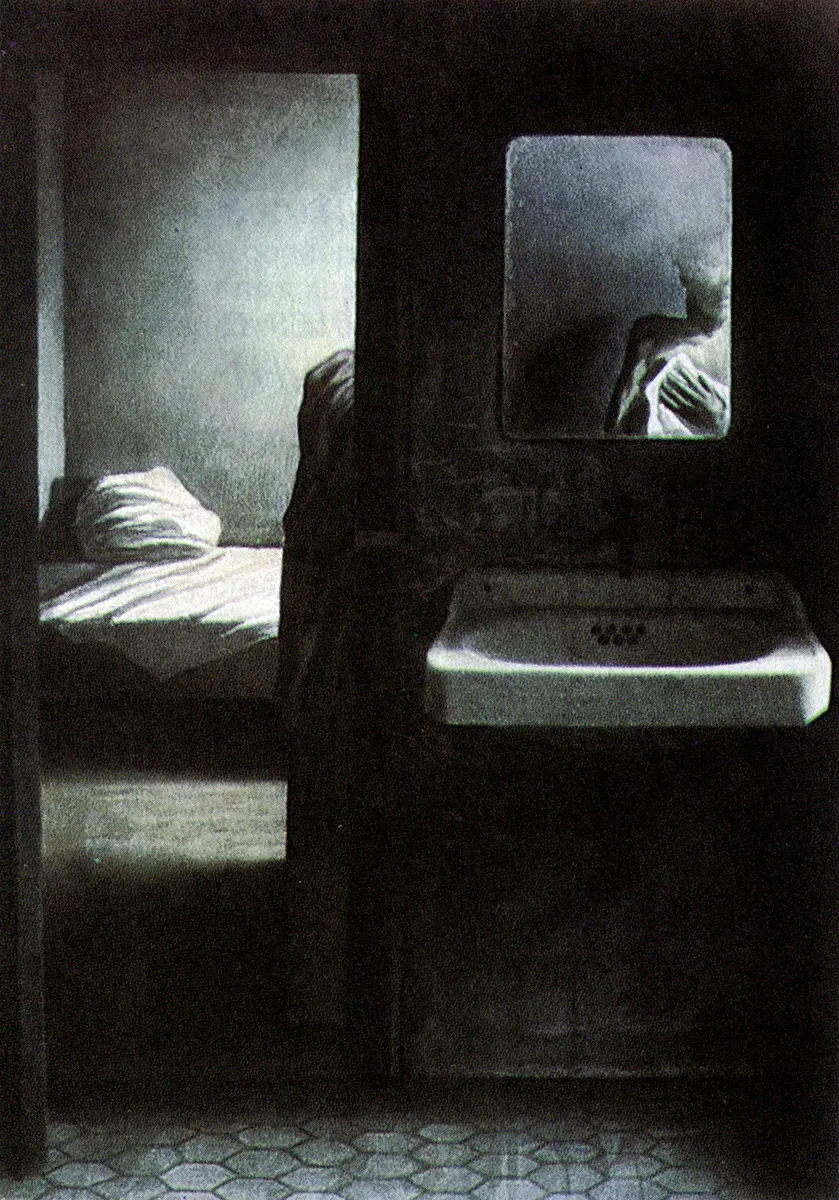
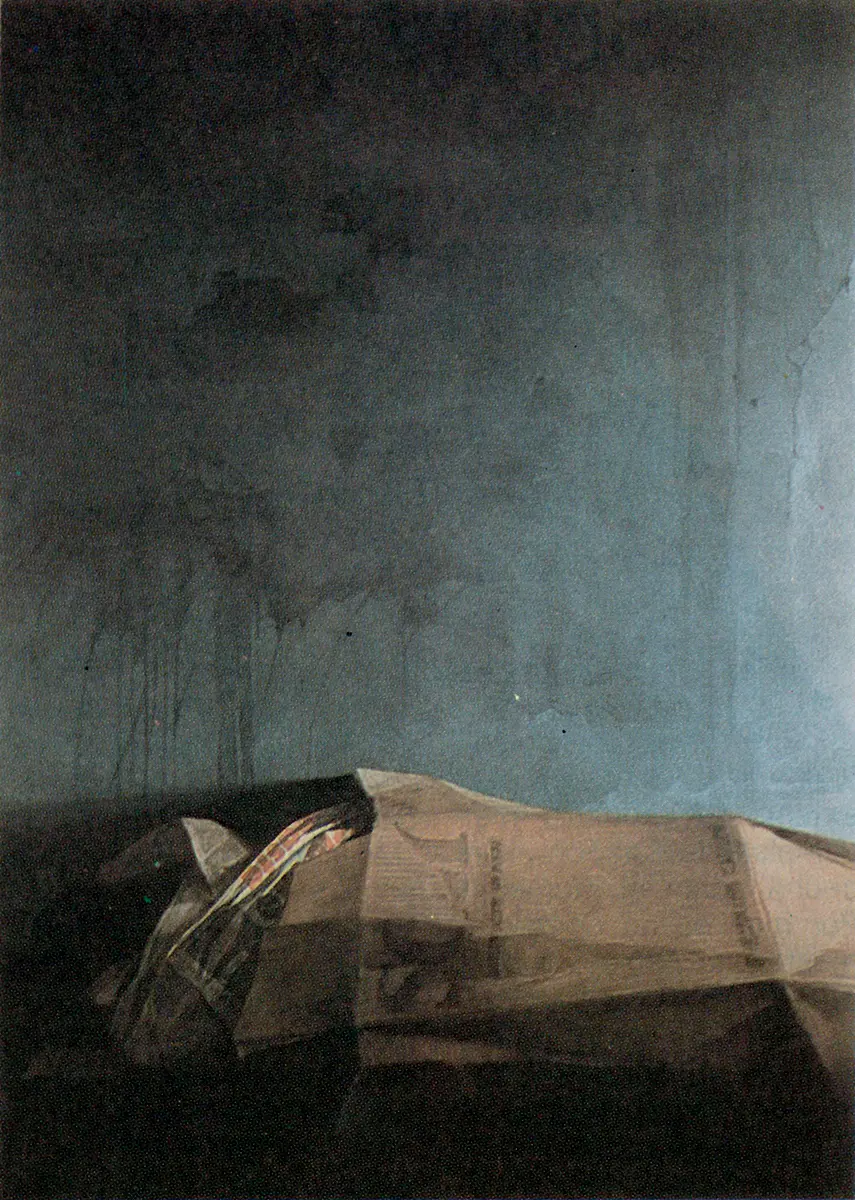
In the last few years, three aspects have appeared as novelties in the artist's work: the use of color, the rationalization of the support, and 'accidental' drawings as the ultimatum of realism.
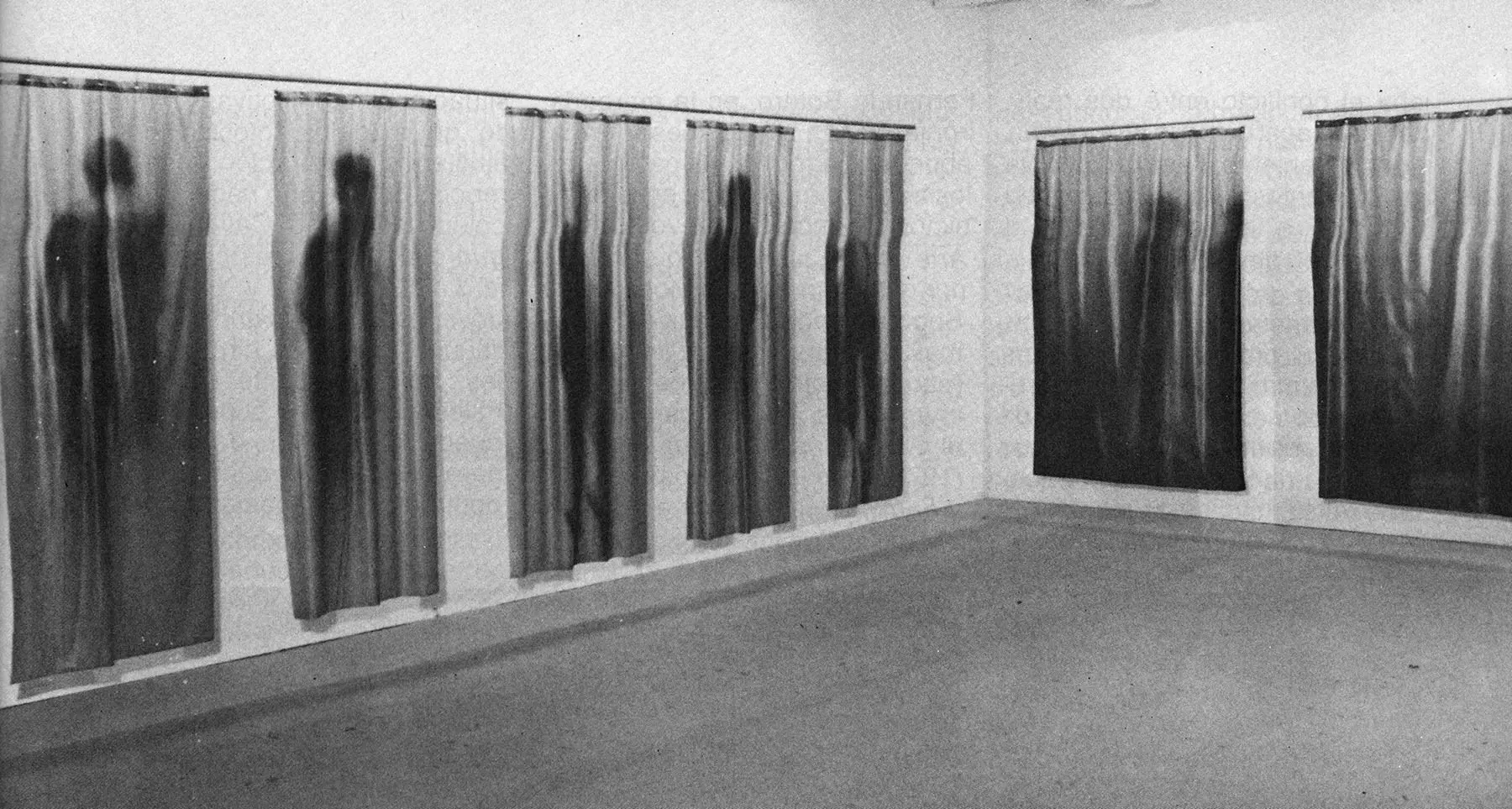
Bathroom Curtains is part of a series on water, a reflective position assumed by Muñoz since 1985. The artificial and natural light utilized is necessary for a surprising display of technique and new skill. Imagery and detail appear to evaporate in the fragile materials, yet describe an empty space that the figures have just abandoned. This reflective aspect in Bathroom Curtains continues in the most recent work of Muñoz for the Seven Seven Gallery and the 5th American Biennial of Graphic Arts. The work appears to have the conscience of constant renewal, utilizing earlier experiences as well as testifying to rigorous and continual questioning.
* Abstract published in Arte en Colombia - English Summary, no.32.