
Under the Same Sun: Art from Latin America Today, on exhibit now at Museo Jumex (Mexico City), is a project organized by Pablo León de la Barra, the curator selected for the Guggenheim UBS MAP Latin America Program, helmed by Damian Fraser. The exhibition and its many relational unfoldings—originally conceived to function as an itinerant body of multiple formats, publics, spaces, and temporalities—first opened at the Guggenheim Museum (New York) in mid-2014.
While the exhibition is, evidently, the project’s most “visible” part, Pablo León de la Barra (an architect by training) has been able to generate productive interactions with the curatorial, museographic, and educational teams of the sites that have so far hosted Under the Same Sun: Art from Latin America Today, generating in each location and socio-cultural context in which it is presented a multifaceted program of educational activities for different local publics. In Mexico City, one standout was an important presentation by Luis Camnitzer (Germany, 1937), who offered a workshop for artists and a lecture for general audiences, in keeping with the project’s cooperative and welcoming spirit (so much in contrast with the impositions often endured by audiences in exhibition brought in “from abroad” and inscribed—to a greater or lesser extent—in “alien” contexts). To prevent the latter type of dissociation, León de la Barra took a number of simple but effective initiatives: he invited the outstanding video artist Beatriz Santiago Muñoz (Puerto Rico, 1972), as well as New York-based artist Paul Ramírez Jonas (CA, 1965), for residencies in Mexico City (in collaboration with SOMA); similarly, several artists featured in the exhibition were invited to participate in roundtable discussions open to the general audience and moderated by Julieta González, the museum’s interim director.
Other interactive activities included visits guided by artists like Minerva Cuevas and Carlos Amorales (certainly not a “novel” idea, but nevertheless an important one when organized with real commitment and interest rather than to comply with a required number of contextual activities). Adding to the plans launched by USB MAP for Latin America, it is important also to underscore the creation of a blog titled Dispatches, conceived and maintained by the curator, Pablo León de la Barra, wherefrom the start of the process of selection he has shared all his records, both via photographs and chronicles of his travels in the Southern Cone, and the relationships established with the local culture and art scenes in the various Latin American countries he visited. The final result is a certain complex selection of 45 artworks from Argentina, Brazil, Chile, Colombia, Costa Rica, Cuba, Guatemala, Honduras, Mexico, Peru, Puerto Rico, Uruguay, and Venezuela, which have for the most part been acquired for the Guggenheim collection.
As one of his curatorial parameters, León de la Barra focused on the selection of works by artists born after 1968, although his final roster does allow for some exceptions, including a number of pioneering figures already active in the 1960s and 1970s.
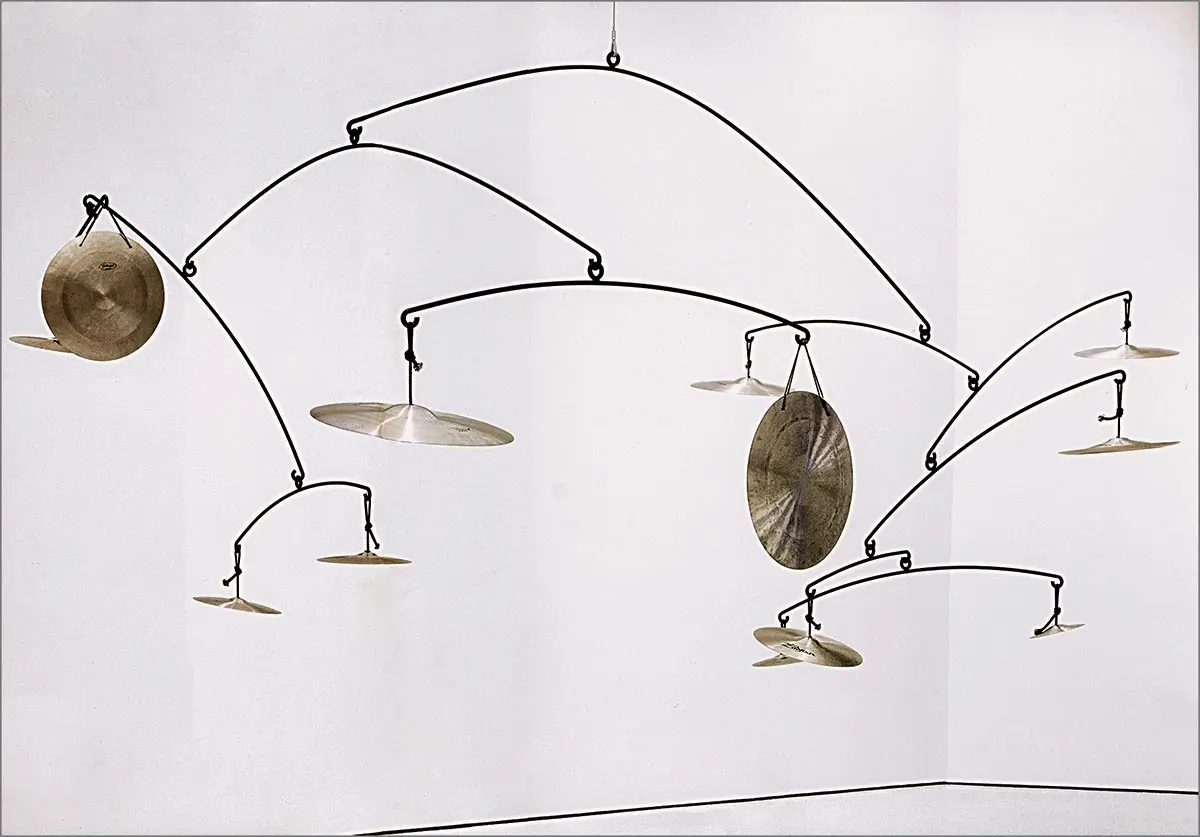
Confronted with the immense challenge of “framing” the curatorship of an exhibition of this kind, keeping in mind the pretensions it would involve for some, León de la Barra shaped a body of works that is solid and dialogic, including items that are perhaps already iconic and certainly well known in Mexico in painting, installation, performance, photography, video, sculpture, and interactive art. One of the most successful examples of the latter “genre” is Ya veremos como todo reverbera (We Shall See How It All Reverberates, 2012), by Carlos Amorales, which brings to mind Alexander Calder’s subtly suspended and sensorially delicate mobiles. In this case, there is a noticeable broadening of the invocation of memory; Amorales suspends cymbals (of the kind used in a drum kit) and brings them one by one to the culmination of a delicate and inviting (un)balancing of each thin metallic arm that supports “in equilibrium” this irresistible suspended tension.
On the wall next to Amorales’ work, which hangs from the ceiling at the center of one of the show’s first galleries, two felt-capped drumsticks lay in waiting and invite visitors to pick them up and hit the floating cymbals, as softly or as intensely as they wish, thus creating their own (un)harmonious compositions (in most cases). This provides Ya veremos como todo reverbera with a thankfully “inexact” and inexpert unpredictability, refreshing precisely for its aesthetic and auditory unprofessionalism.
As the exhibition’s second site after the space of New York City’s Guggenheim Museum, Museo Jumex attempted to adapt the works and the visitor’s experience in a smartly functional way; to that end, León de la Barra invited Mexican architect Frida Escobedo to create a sequence of specific, subtle, and efficient architectural bodies, at times even almost imperceptible—in my view, a very wise choice—which greatly enhances the visual presentation of the works on display and unobtrusively help string together the continuity between the galleries, in a congenial flow with the curatorial structure designed by León de la Barra around five topics (Conceptualism; Political Activism; Tropicology; Modernities; and Participation/Emancipation) and making our transit through the sections organic both in terms of continuity and discursive confrontations, and in terms of aesthetic correlations.
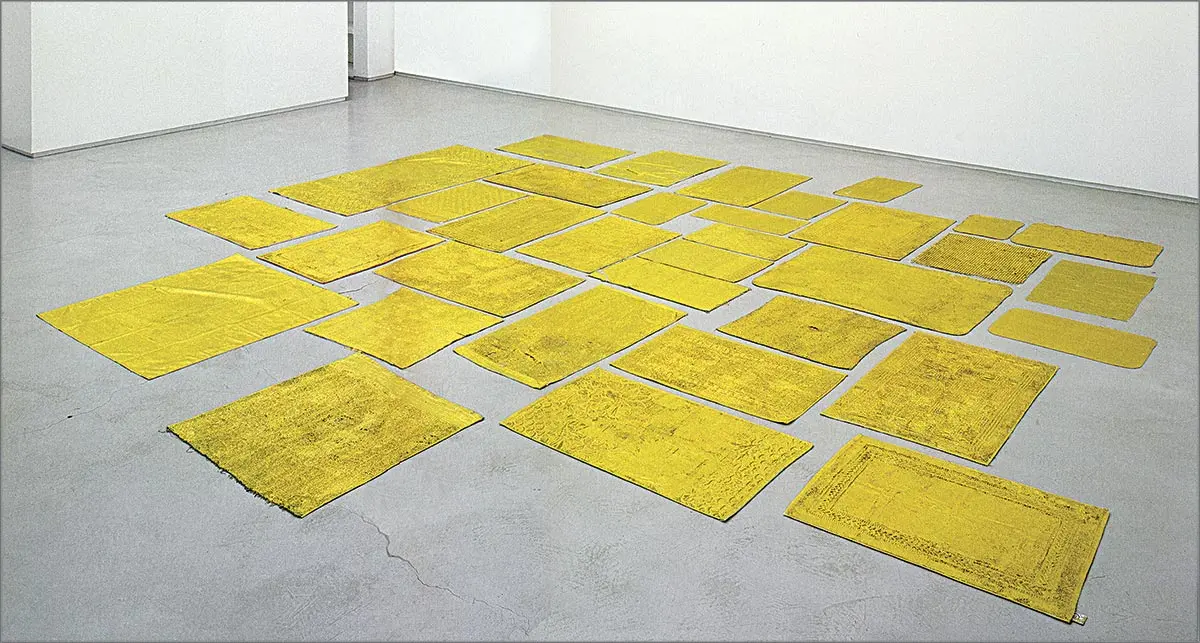
One of the most substantial and “flashless” presences in the selection is, without a doubt, the work of Adriano Costa (São Paulo, 1975), impeccable in its conceptualization and material resolution, where the artist attempts a reinterpretation of Brazilian neo-Concrete art with a clear gaze and—as is common in the most felicitous products of this movement—with a visually “serene” aesthetics (I would even call it “elegant”), albeit one that is loaded with social and political meanings. Costa’s installation is composed of a display of small/medium format carpets—in slightly variable dimensions—arranged a few centimeters from each other. The carpets, painted in an aged-gold hue, configure a square shape of “glorious opacity” or lost grandiosity that obviates, with delicate severity, the meaning/s of its own erosion, which, unfortunately, we could categorize as an undeniable historical-timeless present state. The carpets are made in different materials, none implying “luxury” qualities past or present, and bring to mind the tradition of the objet trouvé; they use cheap second- or third-hand materials riddled with cracks, rips, unstitching, and frayings.
Confirming Escobedo’s appropriate design for her architectural interventions, already pointed out, León de la Barra, in another wise decision, placed Costa’s work on a discreet platform designed in precise proportion with its dimensions to match the work’s simplicity of presence and inconspicuous visibility; the platform, in turn, rests on a diagonal architectural body that unfolds around the gallery’s outline, sliding towards the wall on a soft incline.
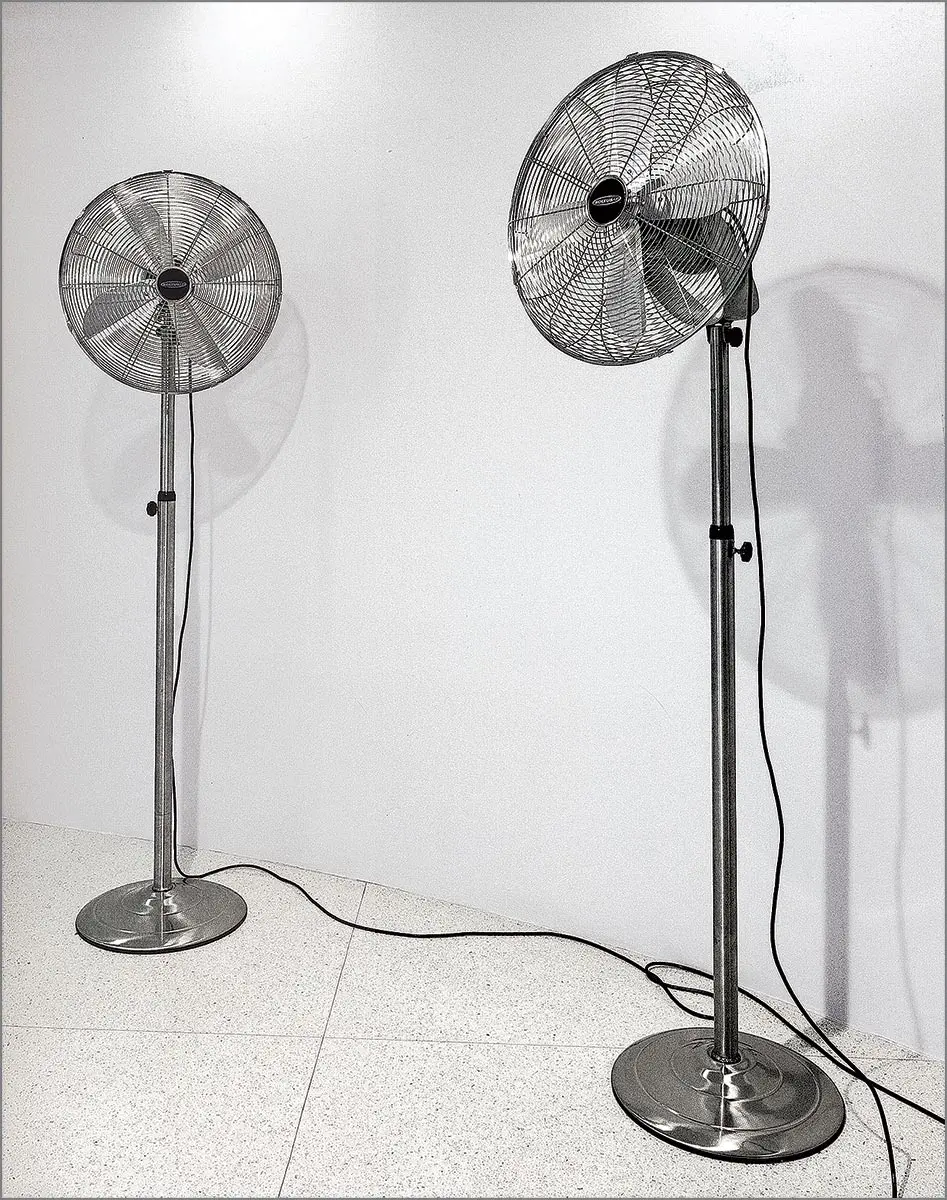
As must already be clear for the reader, I decided to focus on this work because I find it condenses the exhibition’s curatorial intentions, considerations, and strategies with particular clarity. For the most part, the works featured here are free of conceit and grandiloquence, and in many cases they incorporate an intelligent sense of humor (for example, in Wilfredo Prieto’s 2002 Yes/No, a pair of electric fans with contrasting “corporal” motions); what is notable in the selection is the drive to focus on local interpretations of international art influences that are capable not only of generating interesting and varied complicities with a broad range of audiences, but also of enriching the aesthetic-political discourse of “influence” by eschewing, while retaining their visual attractiveness, the pitfalls and stasis of an attention-grabbing yet dangerous “tropicalism”, a historical-artistic notion and “understanding” one would like to think long superseded in art historiography, yet one whose irresponsible, outdated reading nevertheless reappears surprisingly often in many contexts and discourses, almost as if Latin American art were forever condemned to carry it as an unavoidable burden.
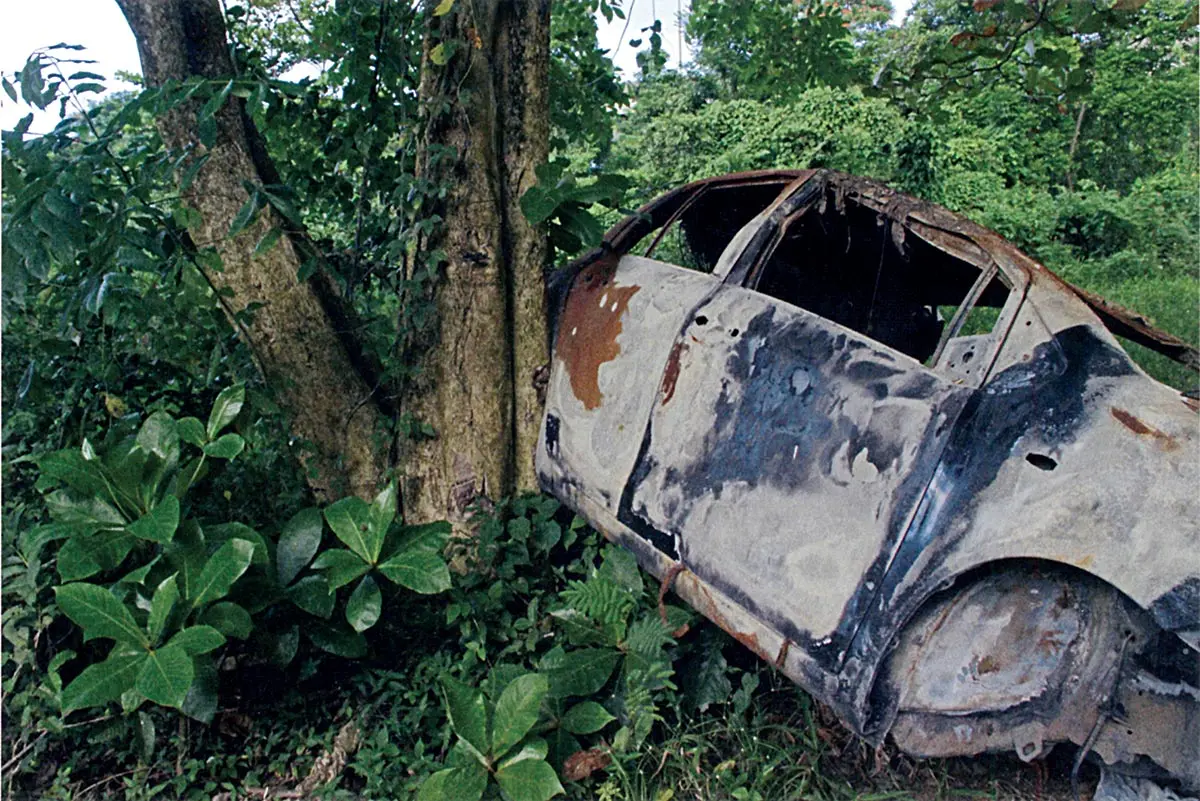
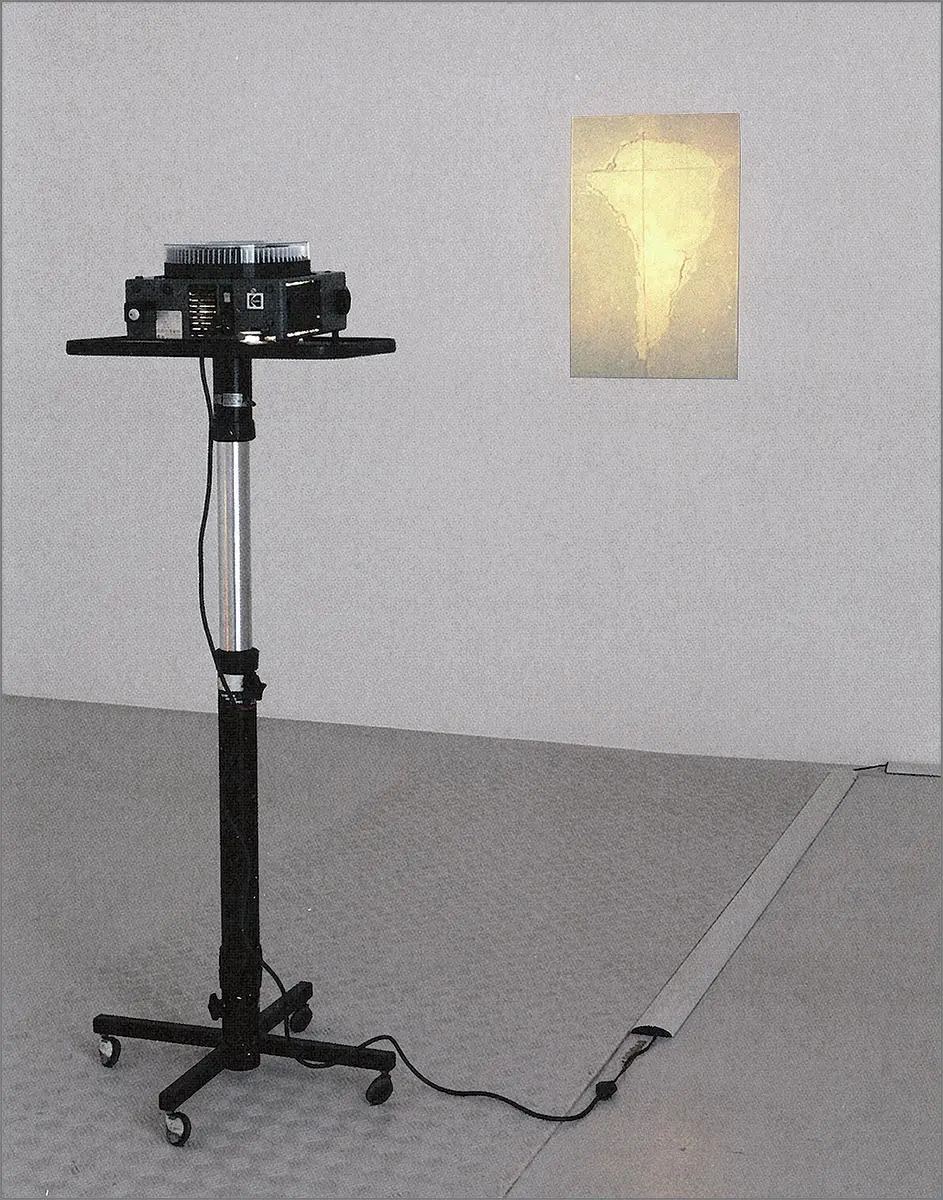
This show allows for a leisurely encounter with works of art that, given a little time free of predetermined attention, reveal their essence as bearers of an almost “timeless” aesthetic, one that undeniably keeps them active from inside by virtue of a dialogical semantic, socio-political, and cultural energy, generally clear and forcefully correct in its composition and its in/material unfolding. Some examples of this: Runo Lagomarsino’s Contratiempos (Setbacks; literally, countertimes; 2010), a slide projection depicting fortuitously formed cracks and crevices that resemble Latin America’s topographic shape; Black Cave (2013), Beatriz Santiago’s video of a pre-Columbian cemetery accidentally discovered by local authorities and hurriedly reburied to build an expressway.
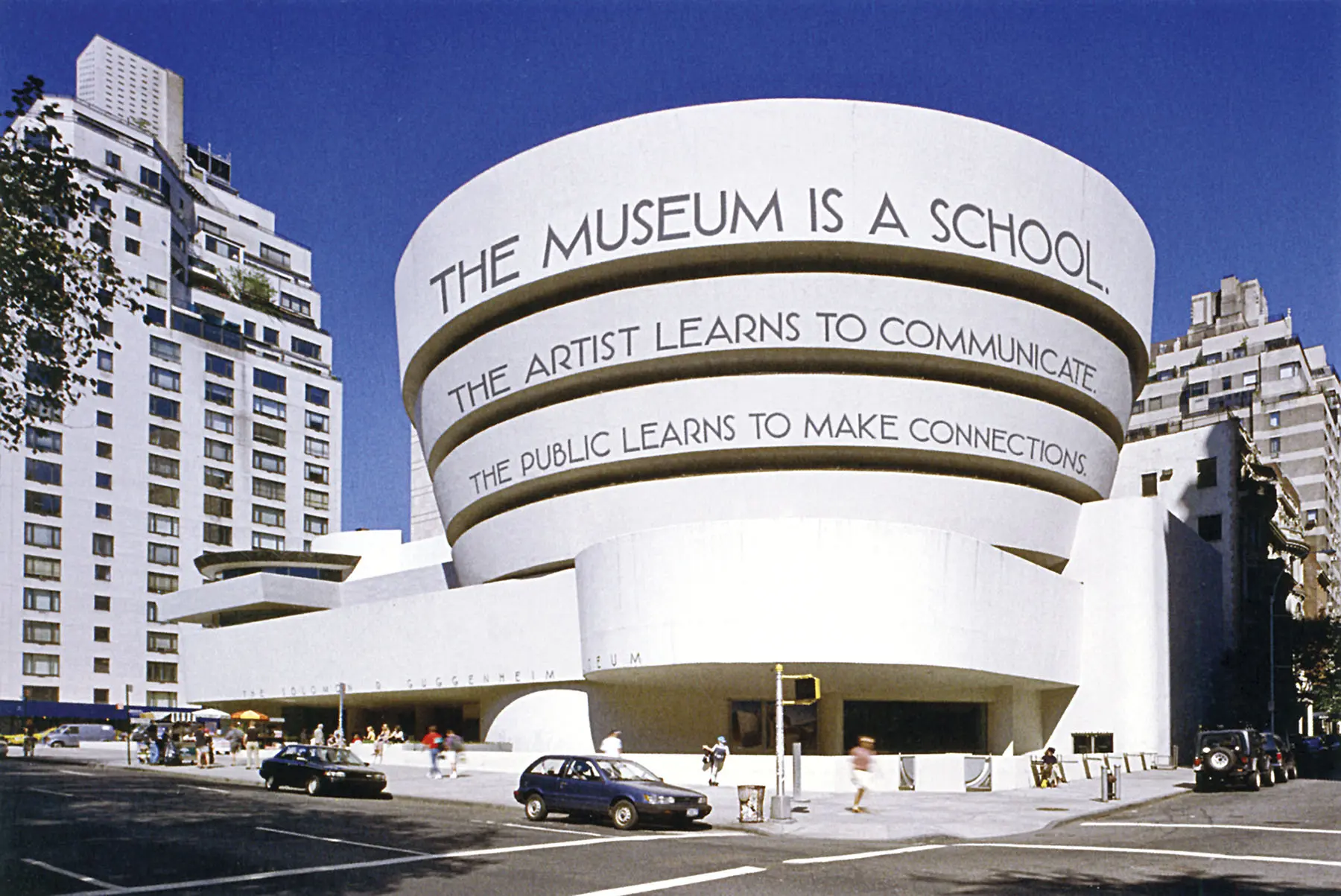
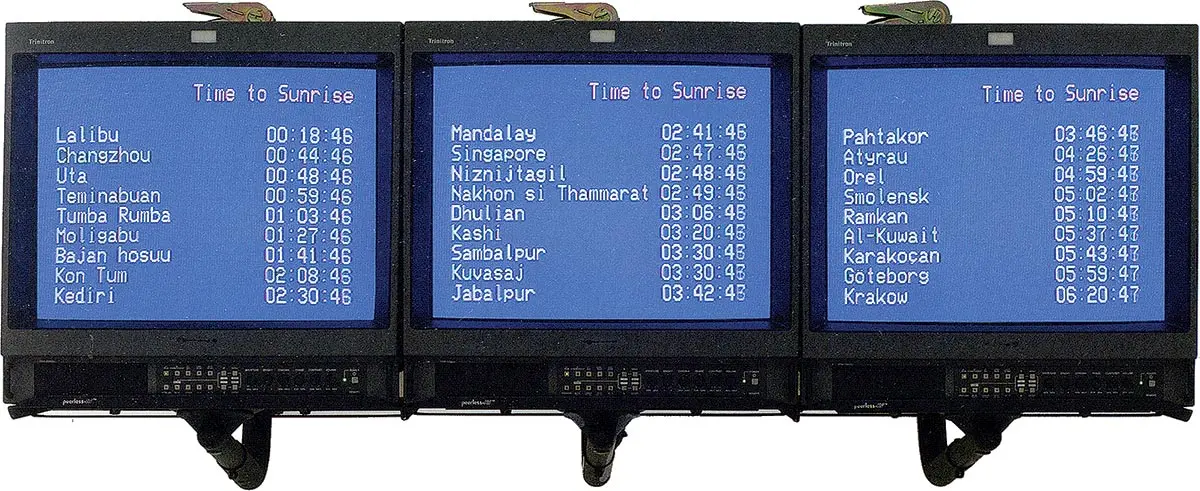
Another excellent decision was to locate some works outside the exhibition galleries proper, and in public areas in the museum. This includes an installation on its façade, Luis Camnitzer’s A Museum Is a School (2011- ), as well as Another Day (2003), a three-monitor installation by Paul Ramírez Jonas, and Artforhum (1972), a vinyl sign by Rafael Ferrer that, with a sharp sense of humor, artist and curator decided to place inside the museum store.
Revisiting the conceptual matrix for the USB MAP Latin America project in connection with Under the Same Sun: Art from Latin America Today, curator Pablo León de la Barra said: “The exhibition offers a unique perspective to observe the many alternative histories and realities that artists experience in the continent. The works on exhibit intensely reflect the contradictions and conflicts that interconnect in the Americas (…) and in doing so they allow us to reconsider and imagine other possible futures.”
León de la Barra’s words prompt us to imagine a new hope in art’s potential as a daring and certainly dangerous tightrope act between a mentality still attached to its vivifying (and even transformative) possibilities and a naïveté that seems almost destined to die by asphyxiation under the unbearable weight of the realities, the crudeness, and the irony of the contemporary world in its terminal state, but which despite all that, fortunately, refuse to let themselves be killed, trusting on the power of art and gambling it all in its favor.
MARCELA QUIROZ