
Mexican photography went through an impressive boom in the 1990s, in part due to the weight of a history that invited (or demanded) its sustained exploration and revision by photographers, curators, and artists, and in part thanks to an abundance of public and private support (so much so that September was renamed Fotoseptiembre); but, above all, the deeper cause of the boom was the proclaimed obsolescence of the medium, something its practitioners sought to counter via formal derivations rooted on the very technological tools that were redefining photography’s place inside and outside the museum and opening the field up to debates about its boundaries—those that exist not only between professional and private practices, but also around the contemporary relevance of the gaze, technique, treatment, and authorship and separate (or don’t) photographers from photographers (in terms of use and intent/goal).
Curator Irving Domínguez posits three specific questions in his curatorial essay: “Where does a photographic image end—at the print’s white border, at the edge of the rigid support, at the point where everything that is not it and its frame begins?; Why debate something so distant from the symbolic domain?; Why set aside the theoretical basis for interpreting the medium’s relationship to our sensorial experience of the world? Is it still necessary for us to differentiate photography so starkly from other supports for artistic expression?” In Dominguez’s words, it was precisely on the basis of this potential—the fact that photography as formal support (rather than as a medium) had not been debated and revised in Mexico—that the possibility of this exhibition came about: the presentation of a catalog of monsters (in the best sense of the word) that derives not from the idea of photography as such, but from the idea(s) that photography’s materiality brings to the fore. The relevance of photography-as-such is set aside in these works, while photography’s qualities as object, concept, and matter are underscored. In his curatorship, Irving Domínguez has taken on the role of a Nineteenth-Century explorer, bringing into the museum a selection of works (some farther than others from their original photographic substratum) that lay the foundations for a future mapping where photography will be no longer a medium or support, but a vestige. The fact that this exhibition opened as part of the Photo CI Mexico 2015 Festival—organized by Centro de la Imagen, this event has come to replace Fotoseptiembre—could surely be seen as a symptom.
Along those lines— exploring the terrain where media and materials overlap—Fabiola Mencelli Tejada (Mexico City, 1983) created six cyanotypes on cotton fabric, 90 x 60 cm each, based on long exposures (between 10 and 13 minutes) at the Museo del Chopo’s own North and South towers, on the morning and afternoon of August 23rd and the morning of August 26th of 2015. Her images adapt and contrast analog processes that were often used in the reproduction of architectural plans before the emergence of digital technologies, thus emphasizing the museum’s original structure.
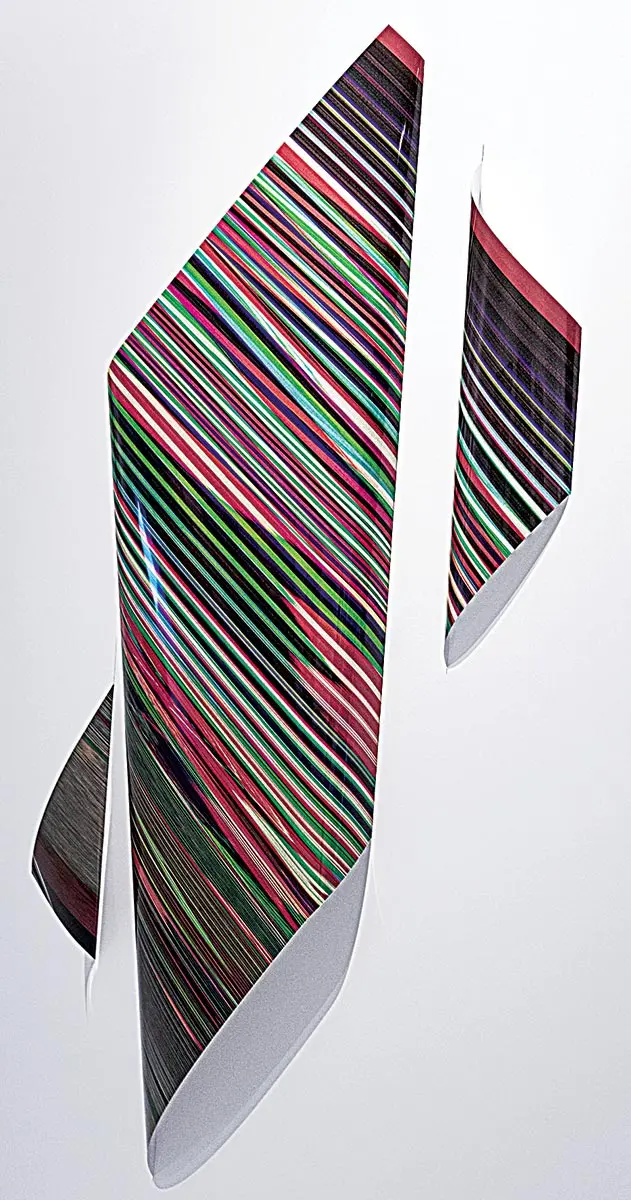
For his part, Jason Mena (Puerto Rico, 1974) offers an exercise that both asserts and negates the uses of the photographic image, based on sensationalistic publications he started collecting after his arrival in Mexico. Mena selected 300 photographs from the El Gráfico newspaper, covered them with black gouache, and mounted them on acetate to hang on the wall like an abstract formal composition that denies or hides its content, which will only be revealed over time as the gouache falls off. Edgar Durán (Mexico City, 1982) does something similar, in terms both of form and content, with his installation of a photographic print on vinyl, 100 x 250 cm, based on the manipulation of images from the photo-lab archives he has been acquiring and collecting. Traditional photographic materials and processes—as well as their content—are in this way transformed into a sculptural object. Rather than presenting us with a somber metaphor for violence, Andrés Felipe Orjuela (Bogotá, 1985) turns it into a choice for the viewer in Velatorio Acapulco (Acapulco Funeral Parlor, 2014), his installation of two video projections that contrast images of lilies with eighty black-and-white pictures documenting deaths caused by the illegal drug business in the port city of Acapulco, appearing every thirty seconds.
From the project Foto Real (Real Photo), by Ilán Lieberman (Mexico City, 1969), which appropriates images from Mexico City newspapers, the exhibition featured three instances in which Lieberman took images from sexual-service ads (later barred from publication) and transformed them into graphic representations in self-adhesive vinyl and adhesive tape, mounted on styrene, as an exploration of the way in which the different meanings of an image—depending on the medium and the support—define the moral fields of visibility and representation. These works were accompanied by a video, Circunvalación (Beltway), made in 2011 in collaboration with Rafael Ortega, that documents comings and goings in that major avenue in La Merced, Mexico City, via a piece of construction paper glued to the ground on which passers-by step as they walk. Noticeable among all the shoes captured are the high-heeled models worn by prostitutes, which do not move. The show also included six prints from the Ariadna (Ariadne) project, by Wolfgang Scholz (Dresden, 1958), created between 2012 and 2014; in another reflection on transit and erosion, these prints record the floors of museums as a metaphor or an abstraction (in terms of modesty, but also in terms of dignity in the face of demanded submission) of institutional authority.
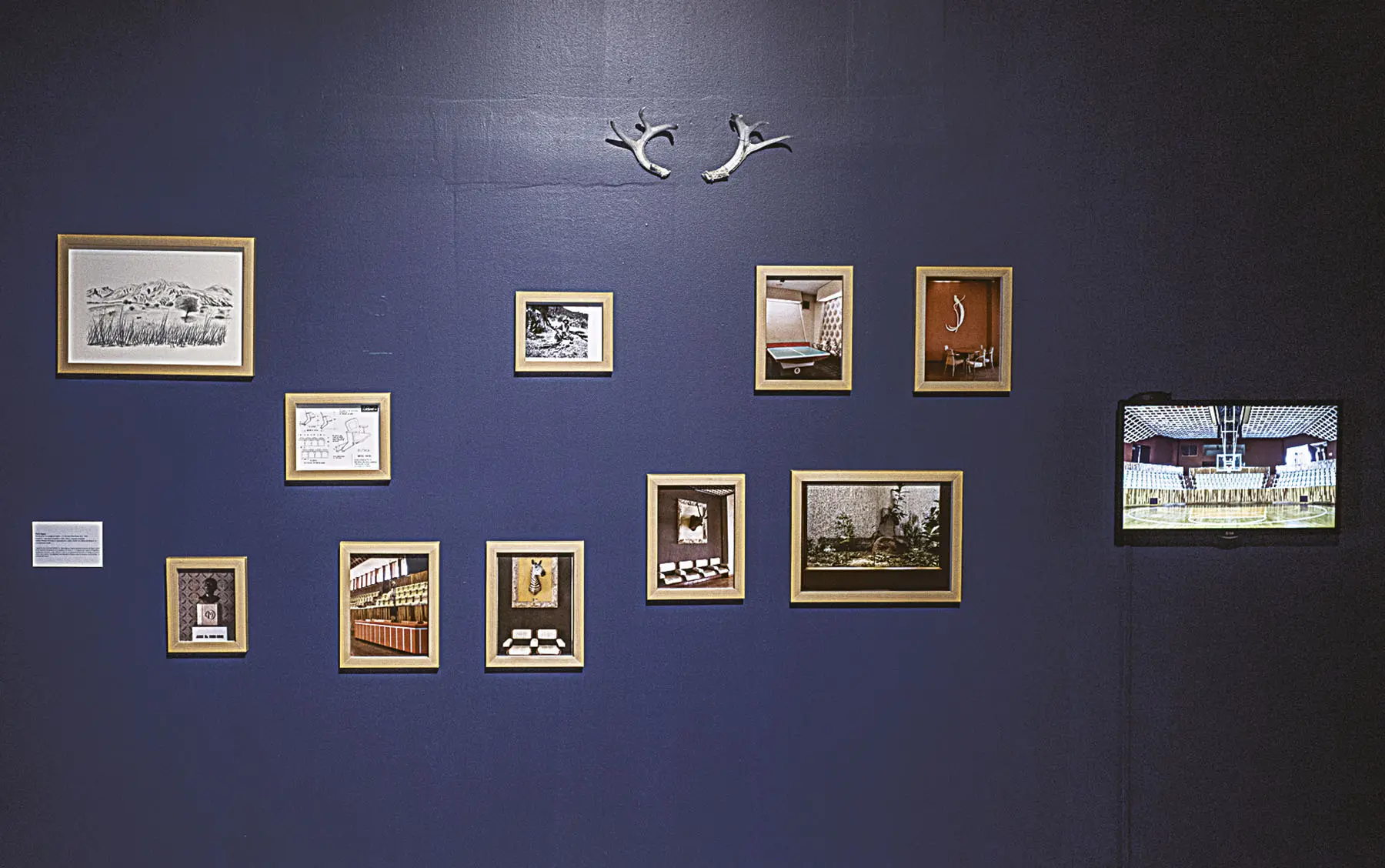
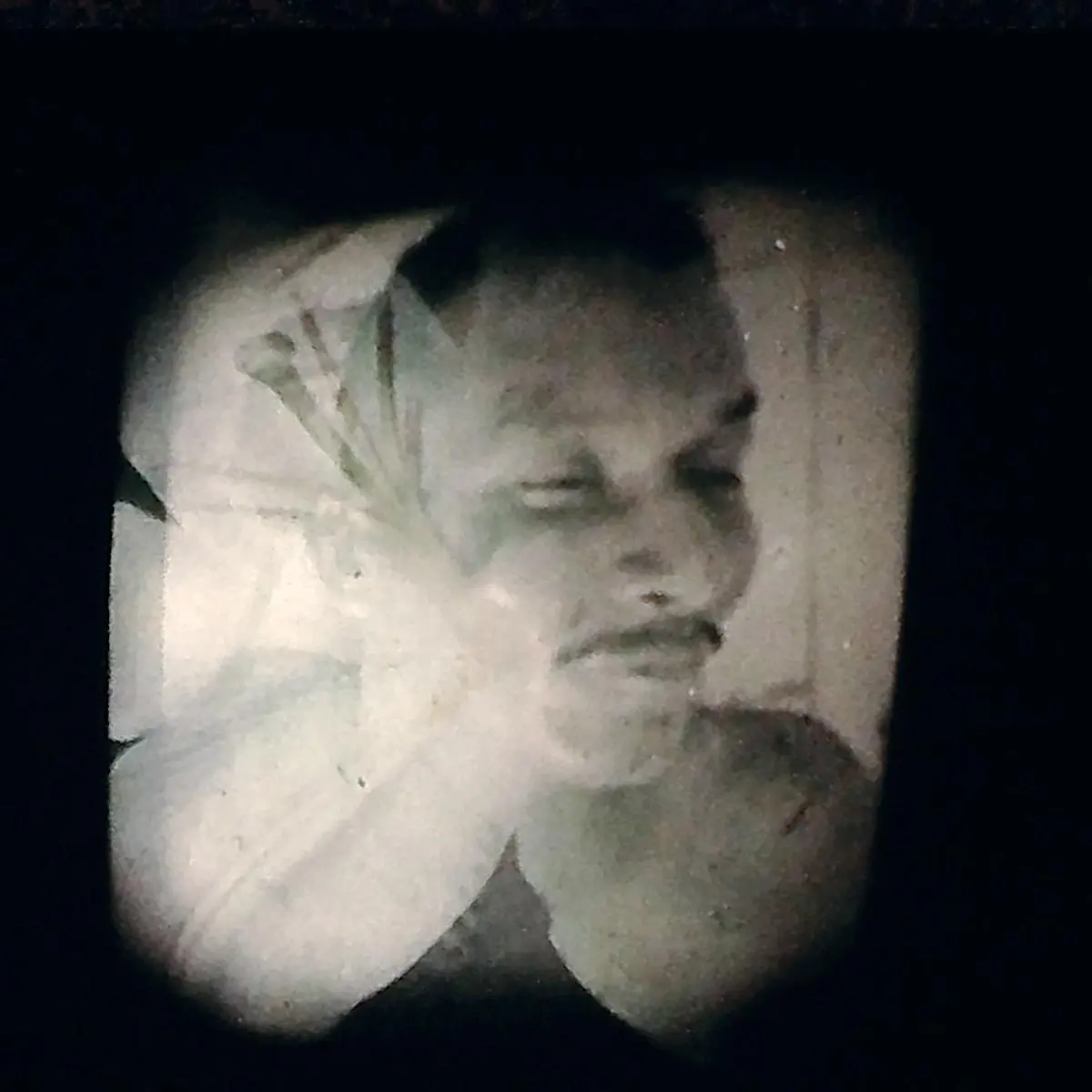
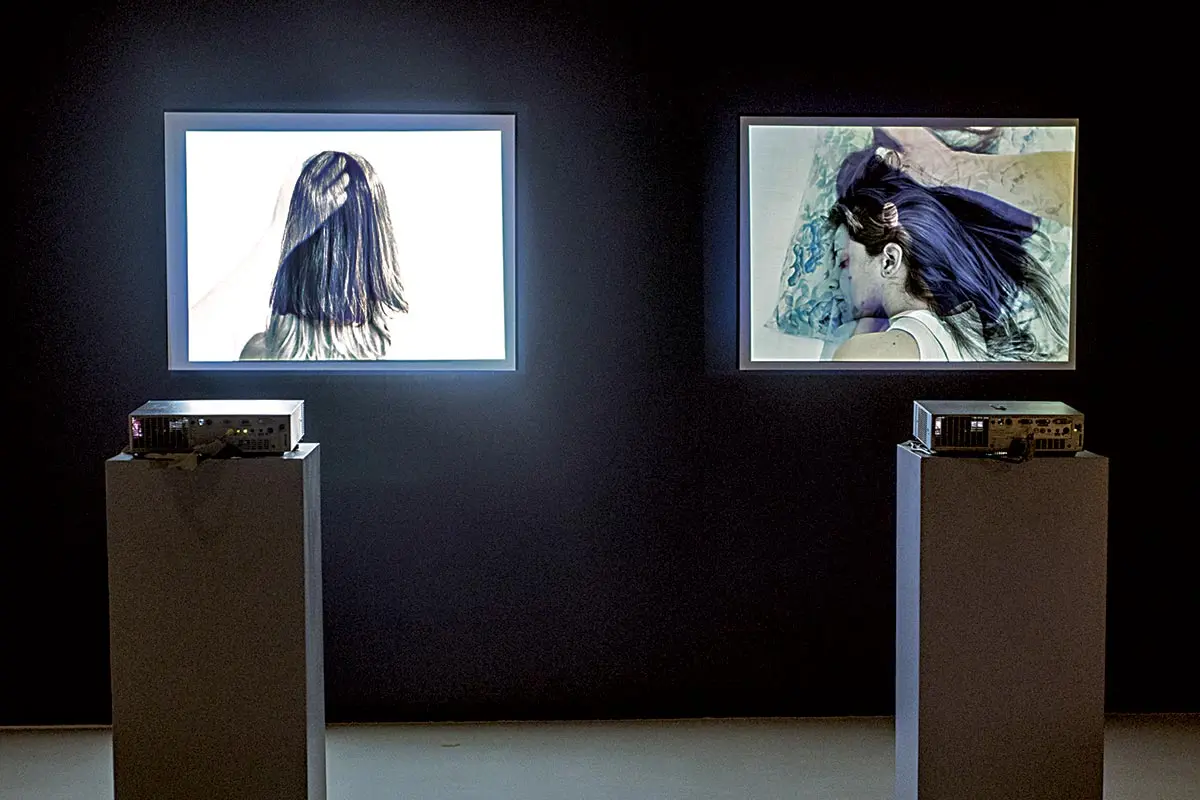
From the project La nostalgia del venado c. c. p. Don Jesús María Romo, 2013-2015 (The Deer’s Nostalgia c.c.p. Don Jesús María Romo, 2013-2015) by Pavka Segura (Mexico City, 1971), created during an artist’s residence in Aguascalientes—where Segura had a chance to visit the J. M. Romo S. A. office-furniture plant—there were eight photographic prints in different formats and from varied origins (one came from the State of Aguascalientes Historical Archives); one graphic work; one drawing; one video loop; and a set of antlers. Their formal, compositional, and semantic interactions produced a tableaux of the modern as a promise of the sacred. A similar intent—the projection of the photographic for the evocation of cultural phantasms—can be discerned in two pieces from the series Apariciones tangibles (Tangible Apparitions), by Marta María Pérez Bravo (Cuba, 1959). Pérez Bravo’s black-and-white video projections (1-minute loop) of photographs of models generate the feeling of phantasmagoria, as an homage to spiritualist Allan Kardec but also as an interrogation of the boundaries between the tangible and the intangible, trace and memory, vestige and speculation.
From the visual map of particularities developed by Miguel Ángel Ortega Bugarín (Guadalajara, 1982) in his literal-minded project Salir de casa (Leaving Home), the curator chose two video works documenting the local color that survives in Mexico City’s urban expanse or has been produced by it. In one of them we see birds returning to the trees in the División del Norte Roundabout, a heavy-traffic intersection in Mexico City; the other documents aerial routes over Texcoco. Oriented more towards current-events commentary, Marco Treviño (Monterrey, 1986) presented a selection of canvases from his 2015 project Eclipse (Segunda Parte) (Eclipse (Part II)), covered in the ink and ash hat remained after burning reams of newsprint in the city of Monterrey on January 27th, 2015—on that date, Mexico’s State’s Attorney offered his infamous press conference about the case of the 43 students of the “Isidro Burgos” National Teacher’s College disappeared in Ayotzinapa (Guerrero) on September 26th of the previous year. The mobile app La moda no incomoda… deforma (Fashion is Not Uncomfortable… It is Deforming), by Michael López Murillo (Bogotá, 1973), follows the parameters that have defined the image, its uses, and its reach in electronic media. Based on data from the University of Alabama’s Nutrition Sciences Department and the University of Verona’s Medical School’s Pediatric Medicine Unit, López Murillo’s app was developed as a tool to help determine whether certain dolls are role models for anorexia, bulimia, or obesity. Also on exhibit is documentation related to López Murillo’s social-intervention process Redireccionando (Redirecting), an online proposal to change the packaging used by Mexican dairy-product marketer Lala, switching from its customary image of a ethnically white “model” family to one more in agreement with the actual appearance of its consumers.
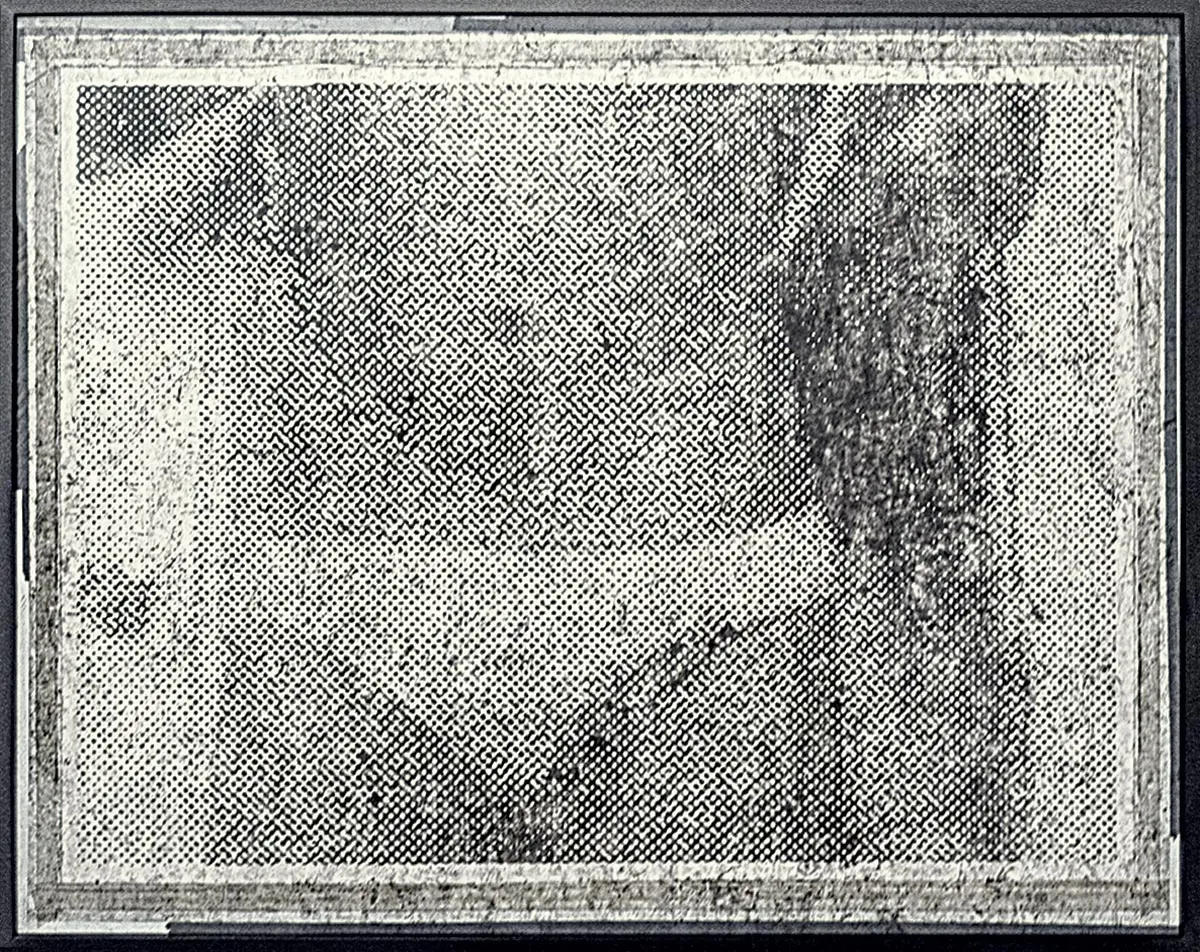
The project Estética Unisex México-Colombia (Mexico-Colombia Unisex Beauty Salon), launched in 2011 by Lorena Estrada and Futuro Moncada), tells us about changes, revalorizations, and updates in documentary photography. This project is devoted to salvaging and documenting the visual history of the Monterrey Foundry, which operated between 1900 and 1986 and whose facilities were converted to Fundidora Park, as a model for the construction of a history of industrial activity in the city of Monterrey. Sello conmemorativo (Memorial Seal), the section of the project chosen for this exhibition, is an installation built around two photographs intended to display and discuss—along with a stamp seal, an ink cushion, a set of postcards, and a selection of institutional furniture, and in interaction with the viewer—the processes of legitimization that transformed the former industrial complex into a public park featuring entertainment facilities and private museums. Meanwhile, Camisas Rojas vs. Camisas Doradas (Red Shirts v. Gold Shirts, 2015), by Isaac Torres (Mexico City, 1982), presents a sculptural interpretation and a silkscreen print based on Manuel “Chato” Montes de Oca’s famous photograph of the clash between public-transportation workers and the “Gold Shirt” fascist faction in downtown Mexico City on November 20, 1935 (published in El Universal), and on Alfred Zalce’s 1940 print Choferes contra Camisas Doradas (Drivers Against Gold Shirts), also based on Montes de Oca’s image. The black and white silkscreen transforms the archival material into an abstract composition where we can read, as in the sculpture, an image that has become sign, referent, and symbol, losing more of its reality in each new version.
In a more private spirit, David Vera (Nogales, Sonora, 1989) exhibits Siempre inventas cosas bellas, tomos I y II (You Are Always Inventing Beautiful Things, Volumes I and II), from his Poemario Dulce (Sweet Poetry Book) project, 2014–2015: two handmade notebooks with cutouts of photographic prints attached to their pages. The books are closed. Their contents can be seen in a facsimile presented on a digital screen, accompanied by sixteen popular hits by Mexican singer Alberto Vázquez. In turn, Alfredo Káram (Sonora, 1980) develops a personal meditation using images of plants that grow amidst industrial detritus, exhibited alongside a series of sculptures made specifically for this show (and which, as in the case of other artists featured here, shed light on the physical and conceptual transformations suffered by the image).
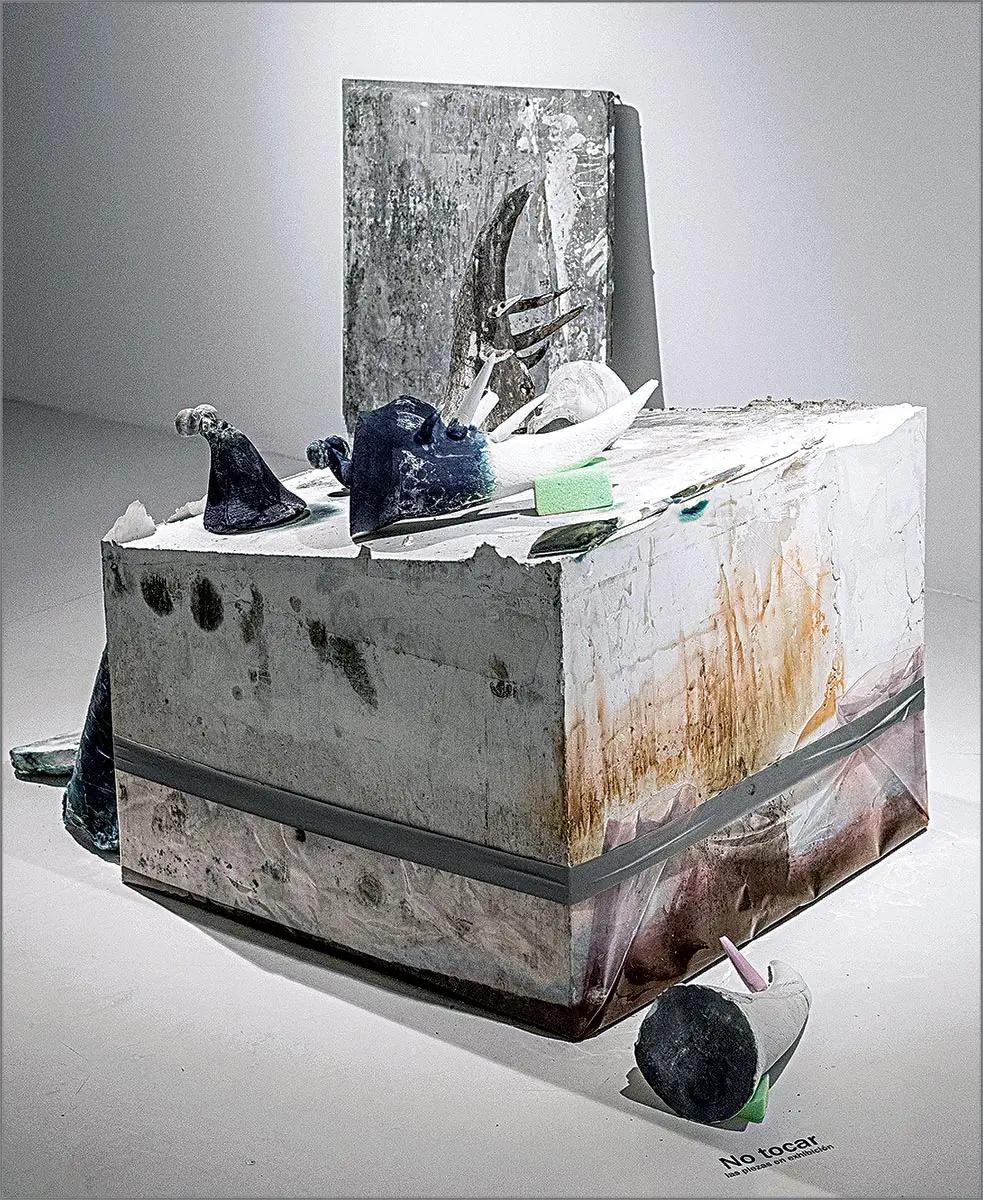
Also on exhibit are offset publications by Roberto Salazar (Monterrey, 1978) and Carlos Iván Hernández (Mexico City, 1984). The former presents a fanzine titled Nuevo Departamento de Oftalmología (New Ophthalmology Department); the latter, Te estoy viendo (I Am Watching You), from 2013-2015, which documents an abandoned mansion in the city of Hermosillo (Sonora). At the degree zero of photography and in what can be described as its complete disarticulation, Julie Escoffier (France, 1989) presented an installation in plaster treated with photographic chemicals.
RICARDO POHLENZ