
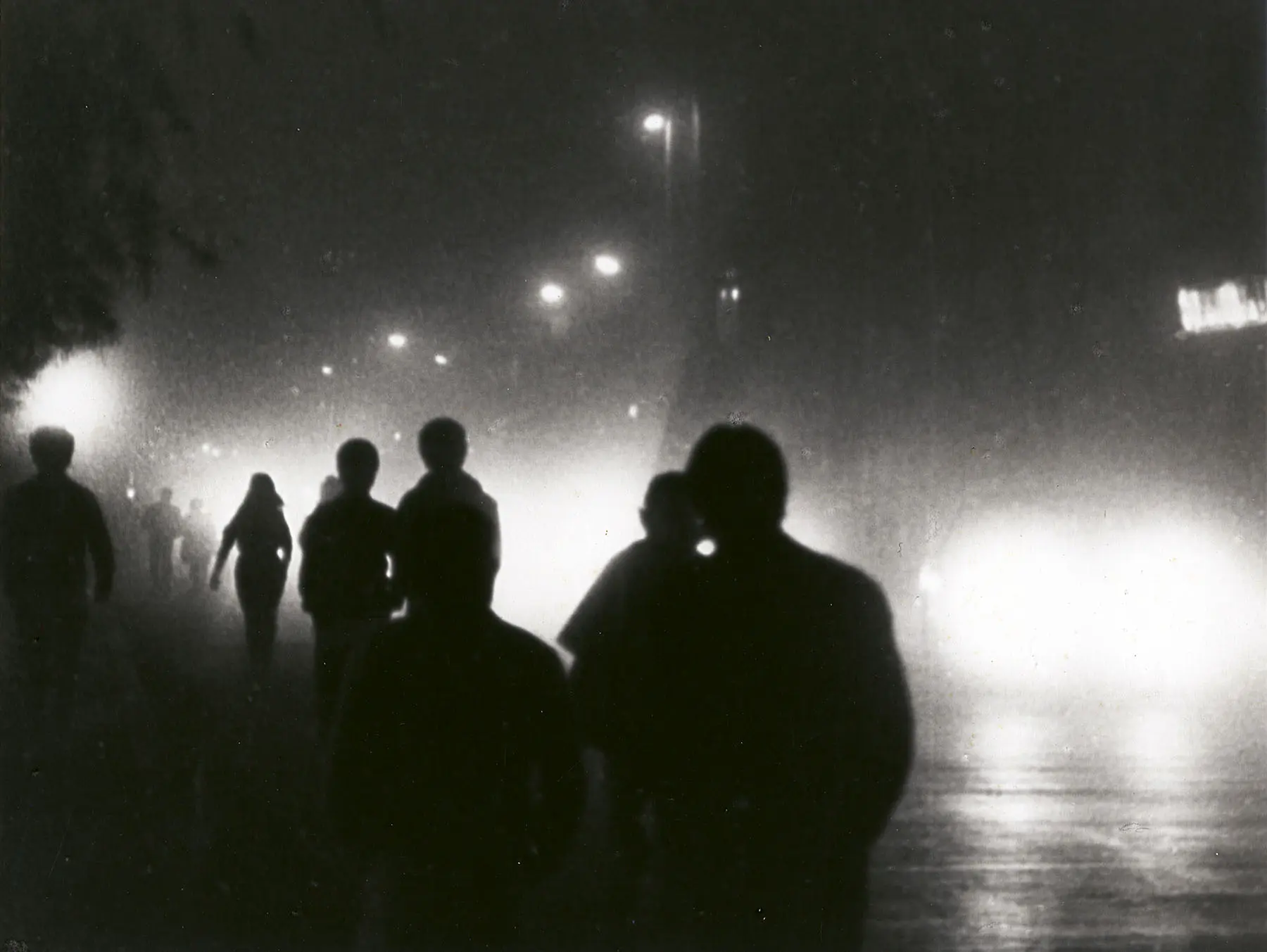
The first European retrospective of the work of Colombian photographer Fernell Franco (1942-2006) is a masterly presentation by curators Alexis Fabry and Maria Wills Londoño. Indeed, this selection of images by a major Latin American photographer, who nevertheless remains scarcely known in the international scene, reveals for French audiences a sensitive and modern personal oeuvre traversed by the intensity of light and fueled by the artist’s great love for his immediate context: the city of Cali.
The exhibition, featuring 140 photographs on display in the Foundation’s underground level, is organized thematically around ten series, and each section—titled in Spanish—includes prints in varying formats covering the period from the 1970s through 1996. This selection of photographs, most of them in black and white, shows us how a self-taught artist forged his aesthetic and metaphorical language through a number of professional experiences, as well as via an experimental process related to the intervention of his photographs (sometimes enhanced with color pencils) be it at the point of printing or in development—alchemy that Franco applied to his work in order to achieve a dramatic quality or an “aged” effect.
In Oscar Campo’s documentary Escritura de luz y sombras (Writing in Light and Shadows, 1995), also projected in the exhibition, the photographer walks around the city, guided by his passions, and comments on his preferred subjects, noting whatever moves or outrages him. Underscoring the importance of light and the emotions that this fascination provokes in him, Franco time and again expresses his love for Cali (“I walk and walk… I am in love with this city”); confesses that, despite his experiences as a photojournalist in the Diario de Occidente and El País newspapers, he has “never been able to get used to violence”; and tells us that his passage through the world of advertising provided him with “a moment of poetry.” Franco also insists on the role of remembrance in his photographic choices and declares that, for him, to photograph is “to write with light and to tell stories.”
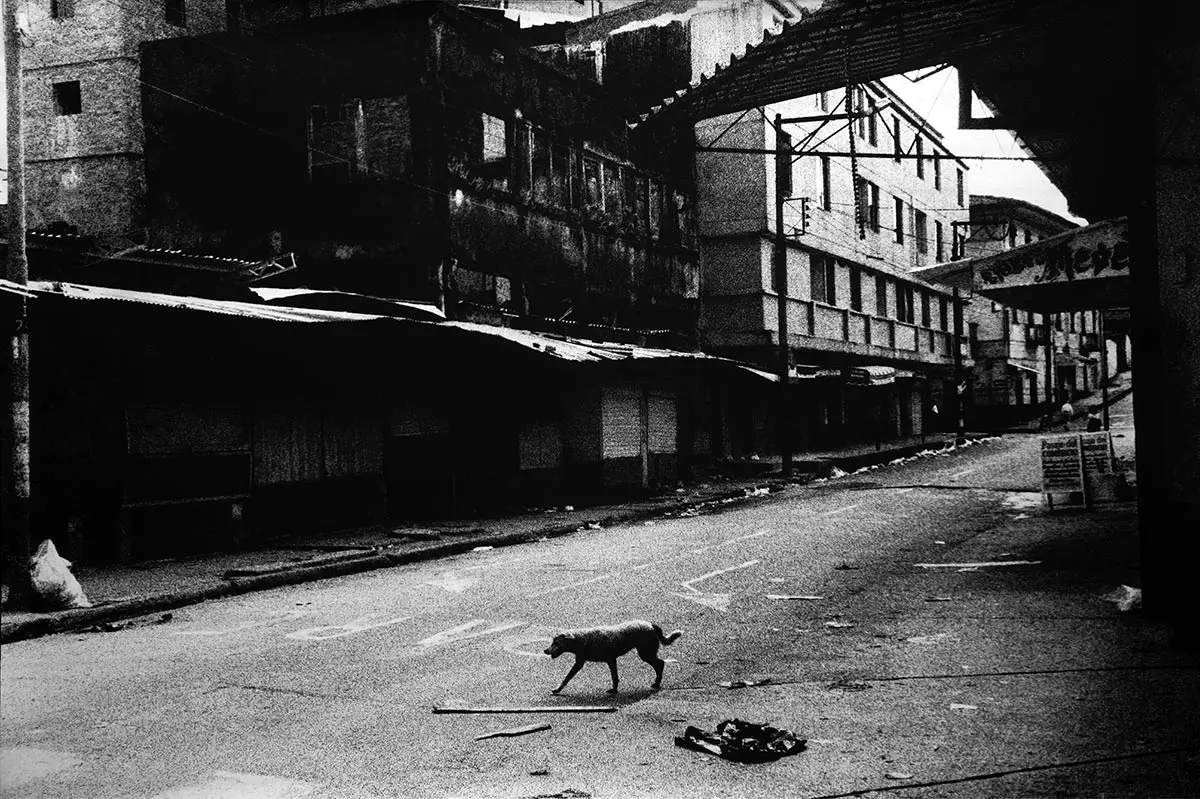
Conceived as a “portrait of the city” both human and metaphorical that unveils the many facets of Cali, the exhibition immerses us, from the first series (Pacífico) on, in the atmosphere of 1970s Cali, with an almost deserted, sunburned street where a wandering dog prowls, and also with an “underground” of water-eroded stilts where Franco liked to hide as a child.
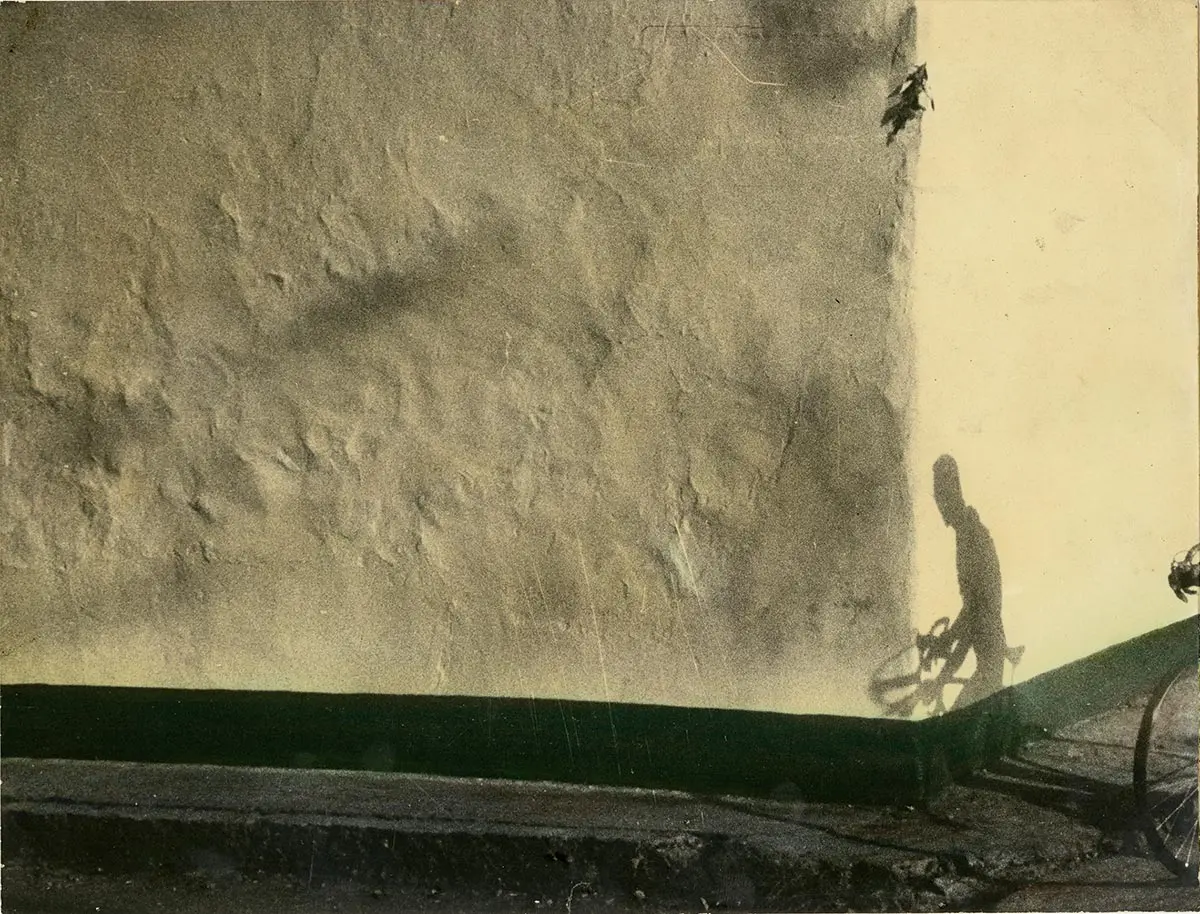
Each section is accompanied and enriched by quotes by the photographer, giving us access to his interests, desires, and emotions. A kind of highly palpable intimacy traverses every subject, even the Demoliciones that present us with derelict, cracking walls… demolitions in a dark, forgotten, sick city… Fernell Franco is not interested in the beautiful but in the insignificant, in details that may even be ugly, and when in full awareness he “ages” his photographs, he does so in order to more easily discover an aesthetic connected to “the old.”
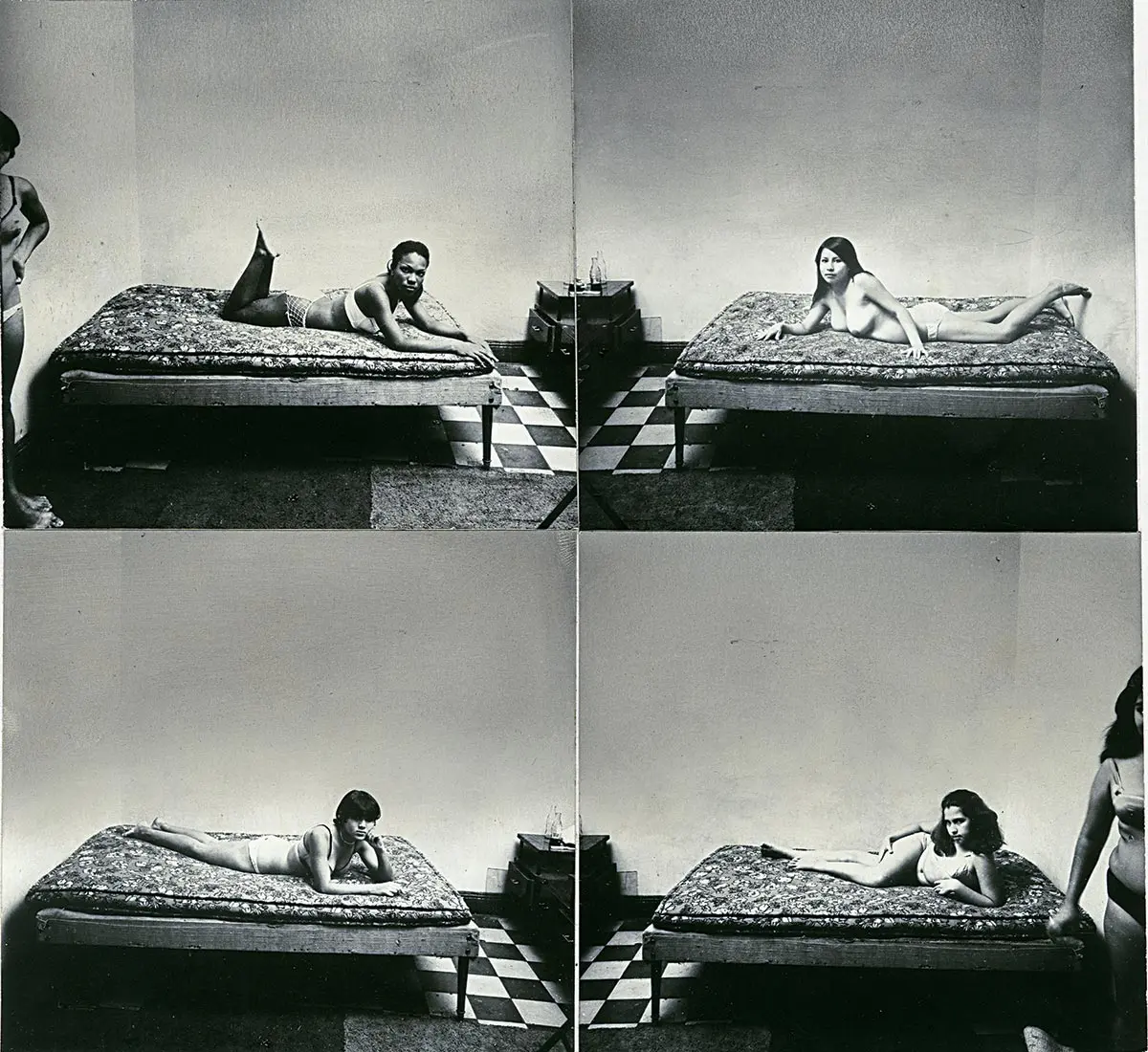
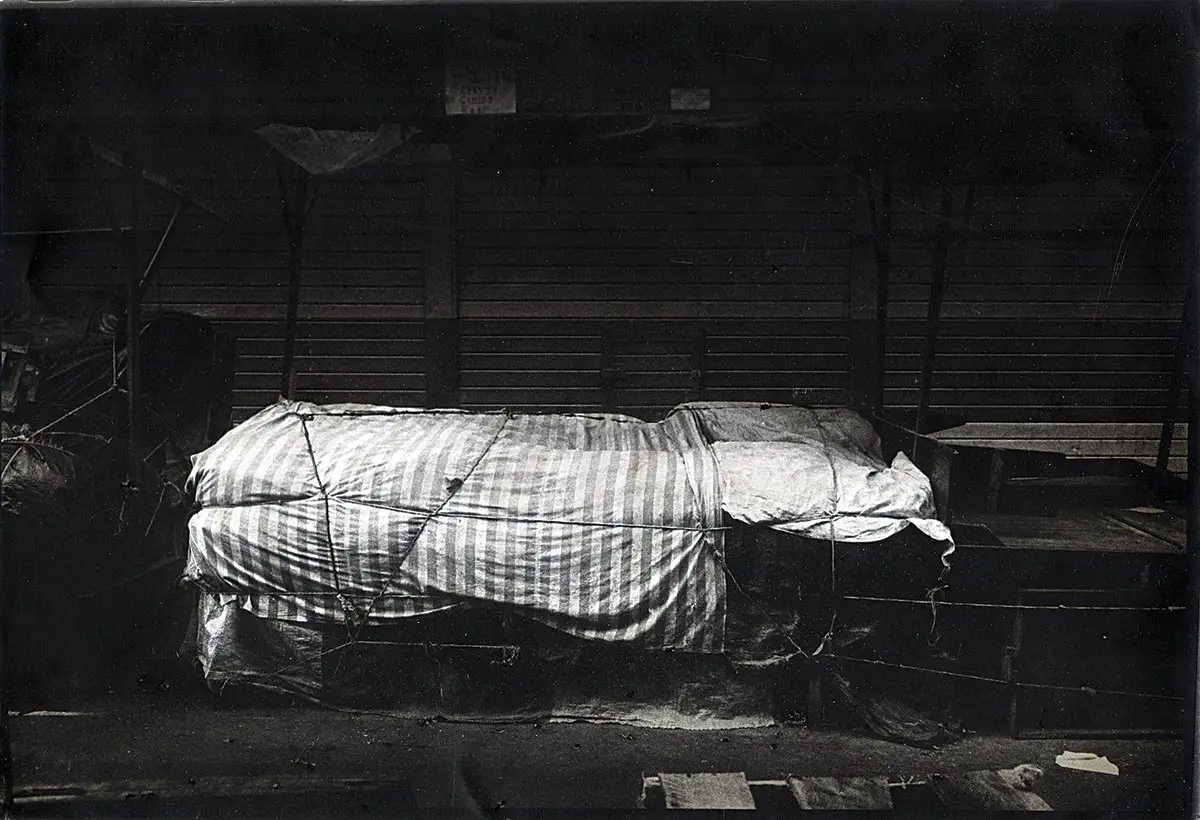
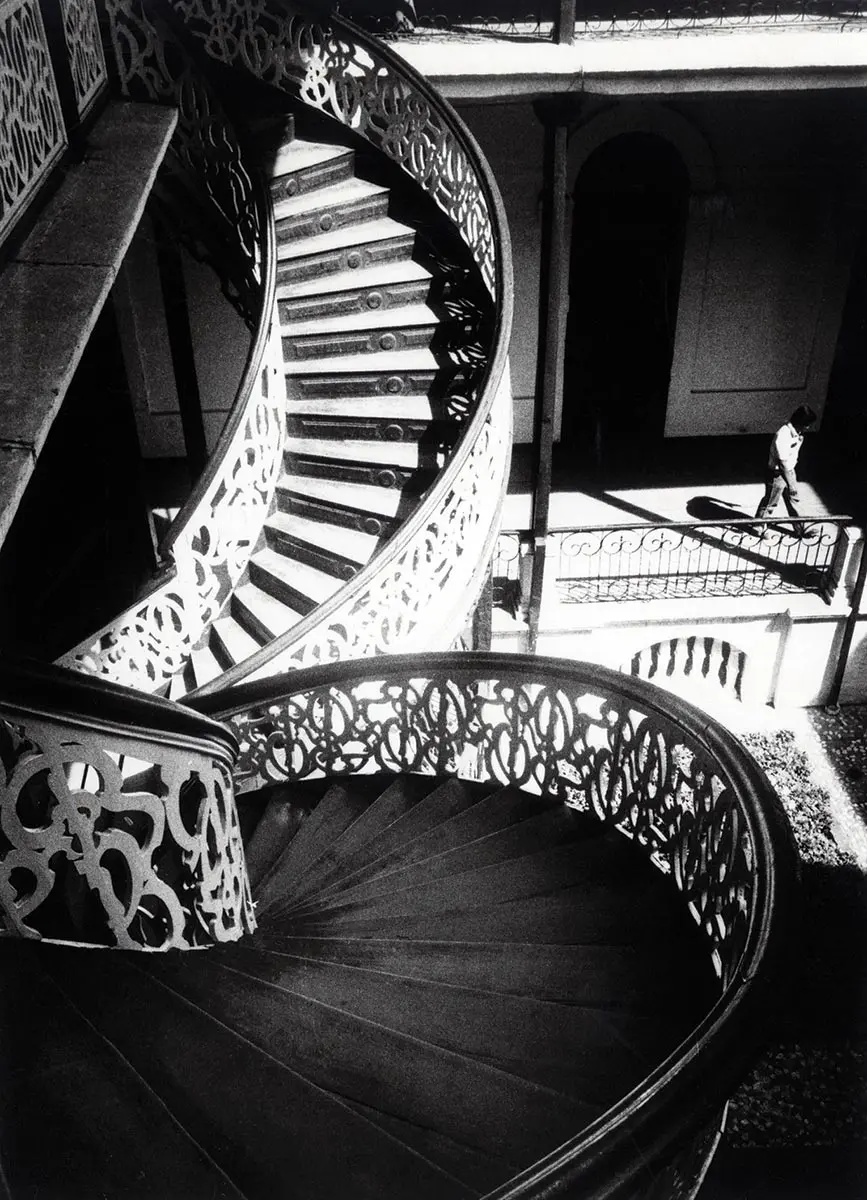
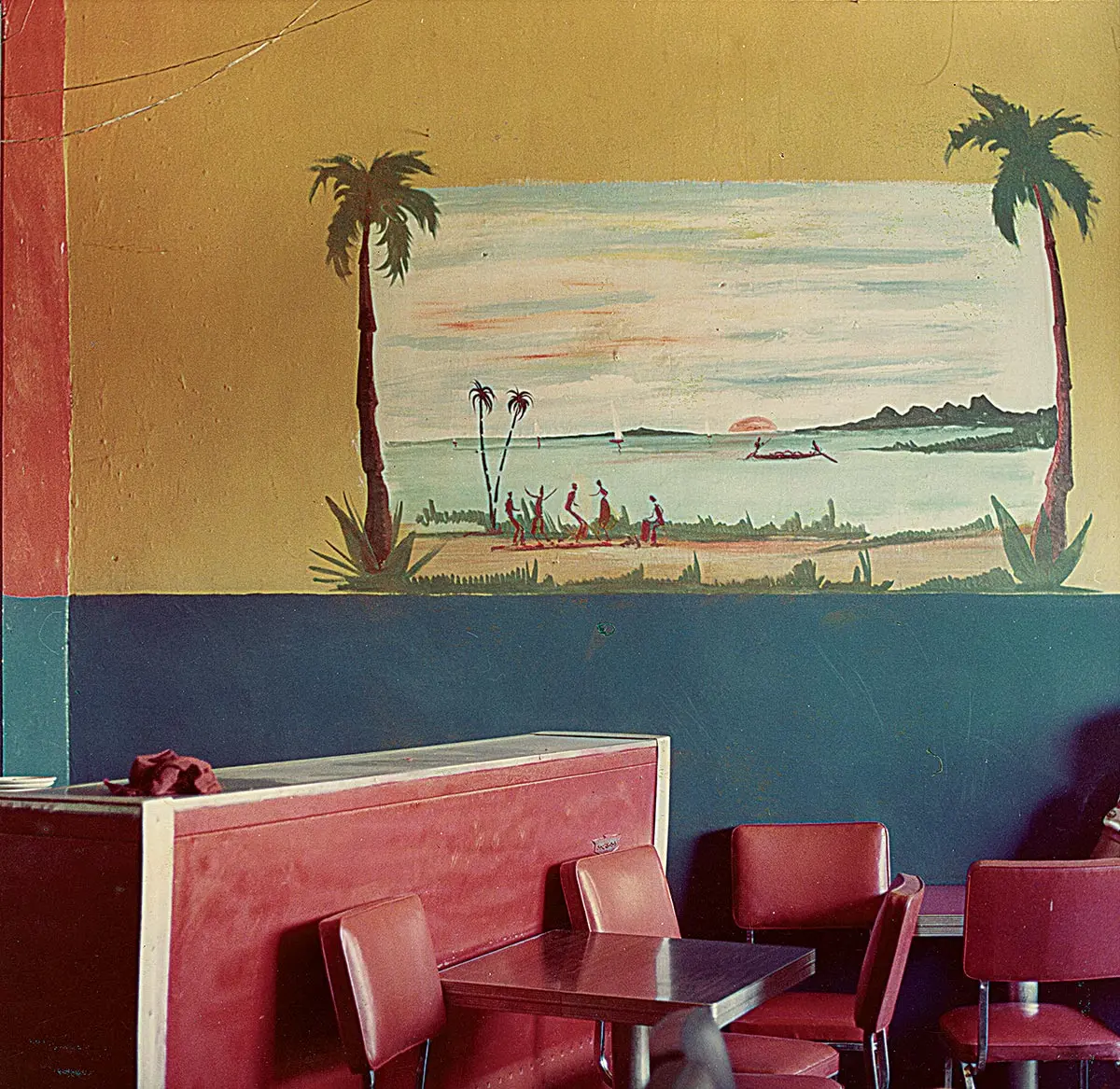
The series Interiores shows us social and architectural changes in Cali, while the series Color popular (the only one in color) takes us to the city’s dance halls at the (real) beat of salsa music and confirms for us the photographer’s sincere approach to fleeting instants and everyday experiences. The series Amarrados, which includes the exhibition’s largest prints, present bundled, tied up merchandise in a market. These “objects” fascinate Franco, who finds in them a metaphor for the killing that has ravaged Colombia; as he put it, the idea is “to bundle up and cover the corpse, and to put it out of the sight of the living.” In Interiores we note Franco’s curiosity—shared with Oscar Muñoz—for old, formerly majestic mansions now transformed into tenement houses. The loneliness that permeates these locales is also present in Franco’s earliest series, Prostitutas (1970-72), where the photographer sought, in his words, “the truth about life.” Billares carries us to a different atmosphere, where semidarkness and cigarette smoke reign: the pool hall, an eminently masculine domain.
A space in the exhibition is reserved for the Cali Group, formed in the early 1970s by visual artists interested in the urban context. Among them were Ever Astudillo (1948-2015) and Oscar Muñoz (1951), whose works are displayed here: a series of photographs and drawings of Cali in the case of the former, and an installation specifically commissioned by Fondation Cartier in the case of the latter. With El Principio de la Empatía (The Empathy Principle), Oscar Muñoz pays a warm tribute to his friend Fernell Franco, in the form of a working table that evokes the photographer’s and uses everyday objects and images of his home being renovated. Still and moving images are juxtaposed to transform this installation into a moment for sharing, with the chair in front of the “table” generating in viewers a deeper empathy with the photographer whose sensitive and nostalgic, dark and luminous, present and buried world they have just discovered.
* Photos courtesy Fundación Fernell Franco Cali / Toluca Fine Art, Paris. © Fernell Franco.
CHRISTINE FRÉROT