
Many things connect Laura Escobar and Fabián Muggeri: a long friendship forged in university classrooms and extended beyond them; the shared profession for which they trained there; and years of professional work focused, in both their cases, on graphic communication on the service of culture, in particular the visual arts. Thus, it doesn’t come as a surprise that their careers have also produced a desire to record and archive and that together they launched a historical exploration of the cultural graphic arts in Latin America through the audiovisual testimony of its practitioners.
With the compilation and diffusion of cultural design practices in Latin America, Folios posits design as a generator of editorial mechanisms: catalogs and art books that contribute to the development of a symbolic understanding of artistic language.
“We approach design as a communication instrument that brings the individual participants in society closer to the various hermeneutics that comprises the world of art, contributing to their understanding and generating a new dialog with the work of art, a new language. We chose a video format as the principal medium for our investigation. And we sought points of connection and disconnection between the countries in the continent, attempting to unveil that which constitutes part of Latin American cultural graphic art,” Escobar explains.
The new archive, launched in 2010, is impregnated with the agile and creative dynamism that characterizes its authors: after interviewing designers in different locations throughout the Southern Cone, the duo can then present the material in other places and, in turn, explore new cases there. This is how, less than a year since its inception, the project has already recorded the work of twenty designers and presented the results in several cities in Argentina and Brazil, with the expectation of reaching several others in the remaining countries in the region during this year and next.
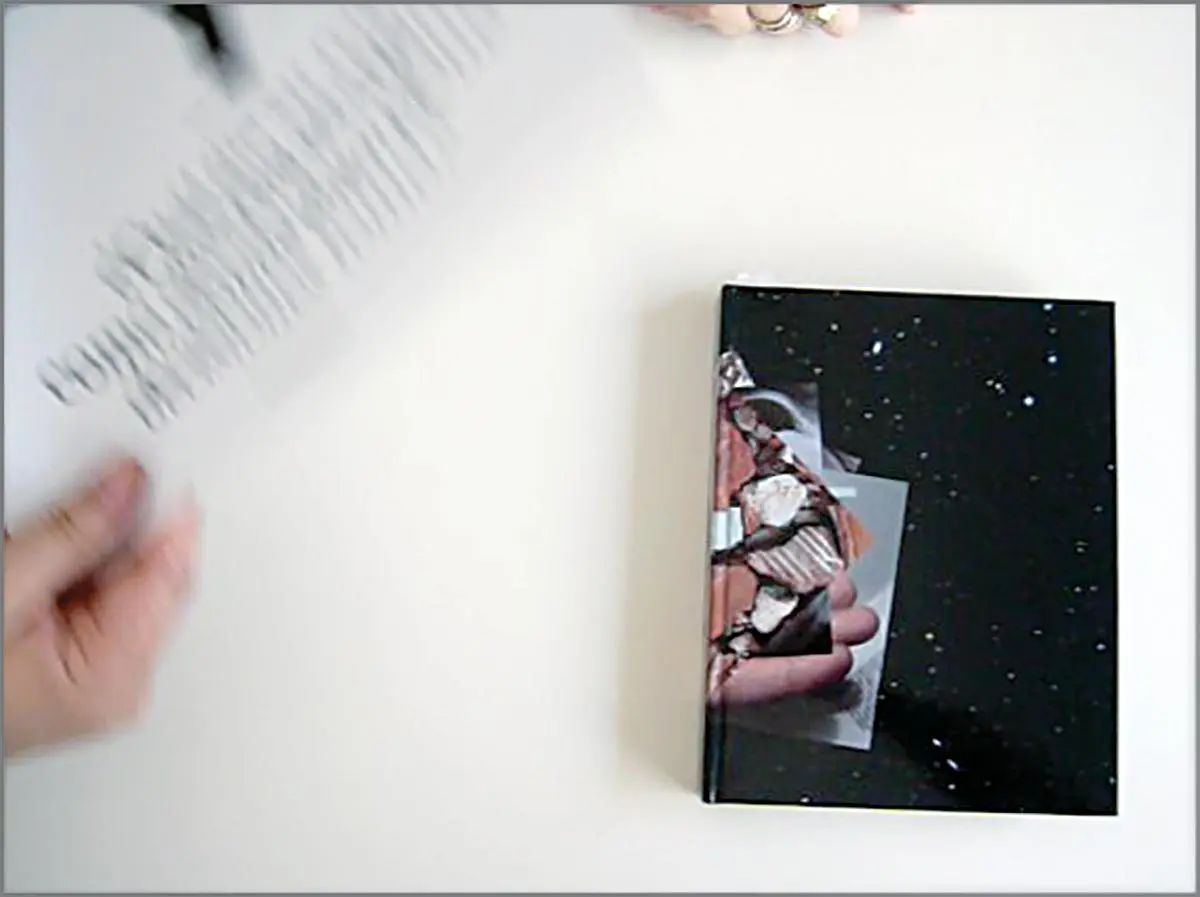
The videos, which are to be used as units for diffusion, center on four questions about a book or catalog created by the interviewed designer. The questions are intended to explore particular issues concerning each case, the plan for the mechanism, its construction, development, foundation, and, lastly, the influences and inspiration that marked it. The questions, presented in each case on a board visibly hand-held by Escobar or Muggeri before each recording, are concrete:
1. What was your role as a designer, what decisions did you make?
2. What were the particular conditions for the project?
3. What catalogs do you have as points of reference?
4. What designers have influenced your work? Why?
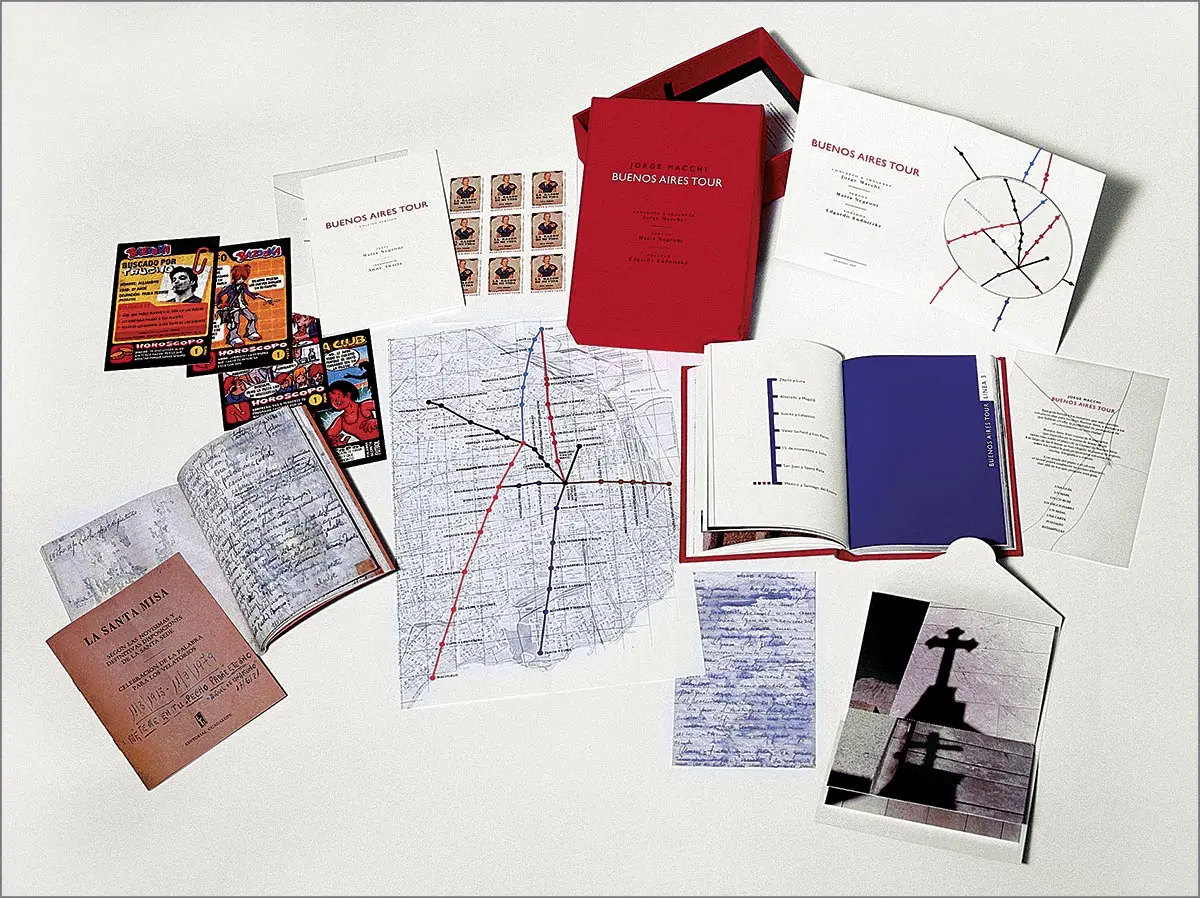
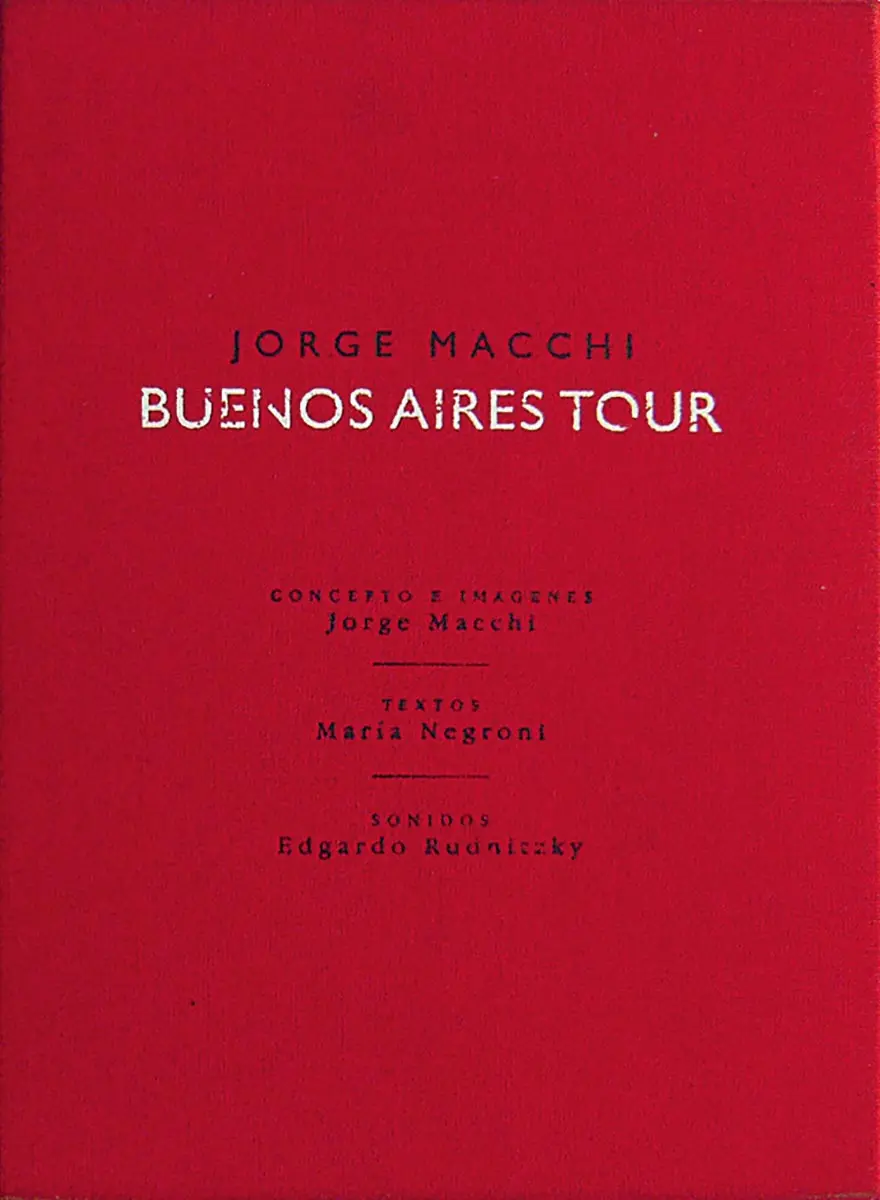
Since, as it often happens, besides the object itself the catalog is our most direct way to approach the work of art and also “what remains” after a show, “the book itself allows for other possibilities of touching, exploring, and thinking about the work of an artist. Also, most often the catalog includes essays, biographical notes, and parallel texts that tell the story from a different vantage. And in the case of foreign artists, such catalogs and art books are our only opportunity to learn more and to continue looking at their work in our own home,” says Fabián Muggeri. The number of such publications he has worked on as design director for MALBA make him an excellent witness in this matter.
“The catalog originally evolved, pardon the redundancy, as a cataloging system for the works in an exhibition. In the beginning, they were just lists of works, without even any illustration. Later these books gained centrality and developed lives of their own, and it is at that point that, little by little, other narratives and ways of telling began to be added that didn’t even correspond to the show as such. Sometimes a catalog has its own discourse, its own editorial team, curators, and designers, and they are created as another work that runs in parallel to the exhibition,” says Laura Escobar, co-director with Carlos Araujo of the cultural branding studio Duplex.
The kick-off for Folios was a conference on the publishing of art books and catalogs where Escobar and Muggeri were invited to present as “cultural” designers. Generously, they decided to bring along the voices of some of their colleagues focused on the arts and on culture in general. They used video because it was an efficient way to have those designers themselves explain their work, with two questions about a particular book or catalog and two more general questions about their sources of inspiration and referents, and their ways of seeing and approaching design. In their presentation, Escobar and Muggeri realized that their idea of revealing the inner workings of design in the art publishing world was a virgin territory in the region. “It is believed that a catalog shows the inner world of an artist, but what we want to emphasize is that behind all that is the decision of how to show it; that decision will generate different discourses, and it is there that the designer is an important presence in the editorial team,” Escobar explains.
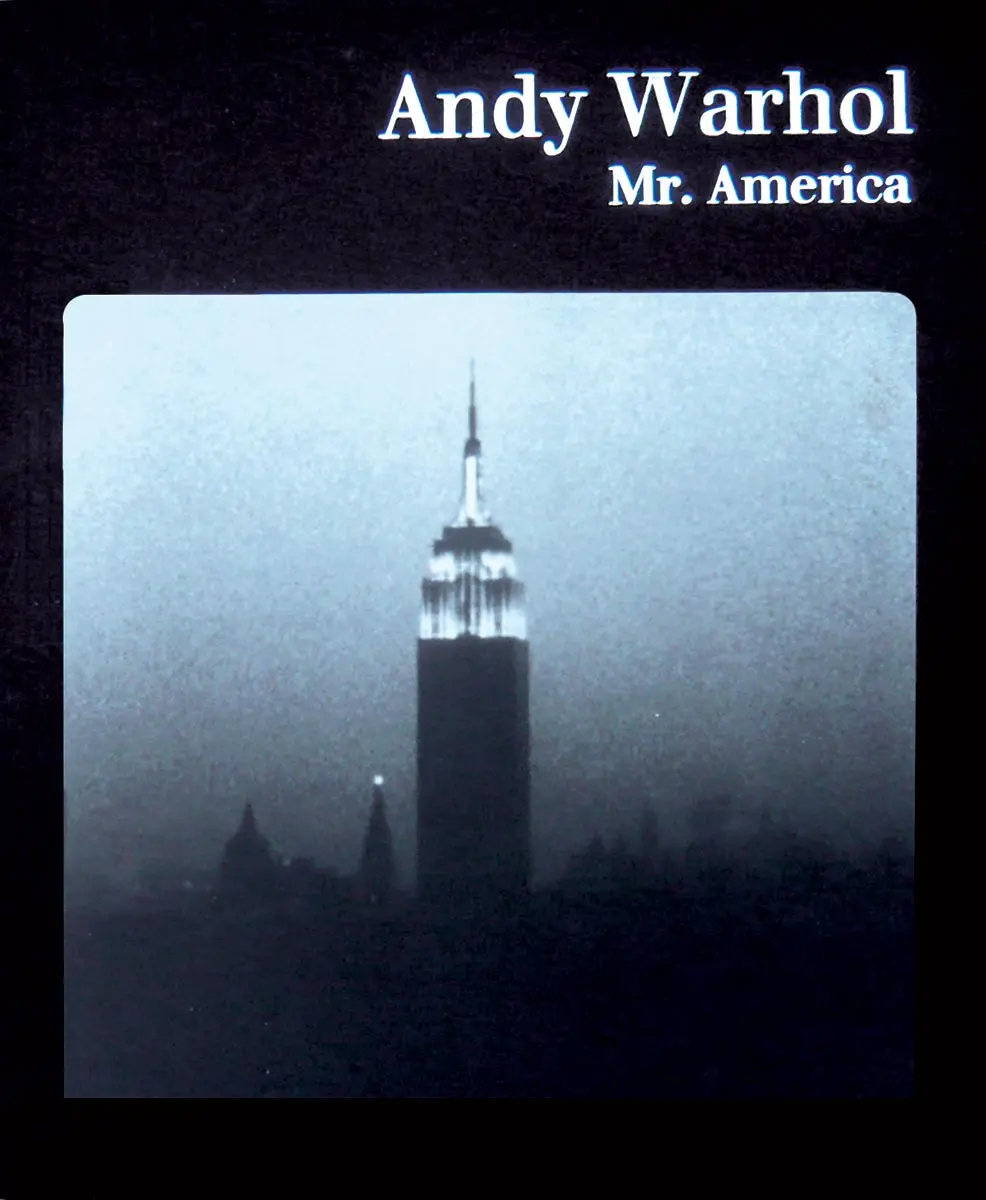
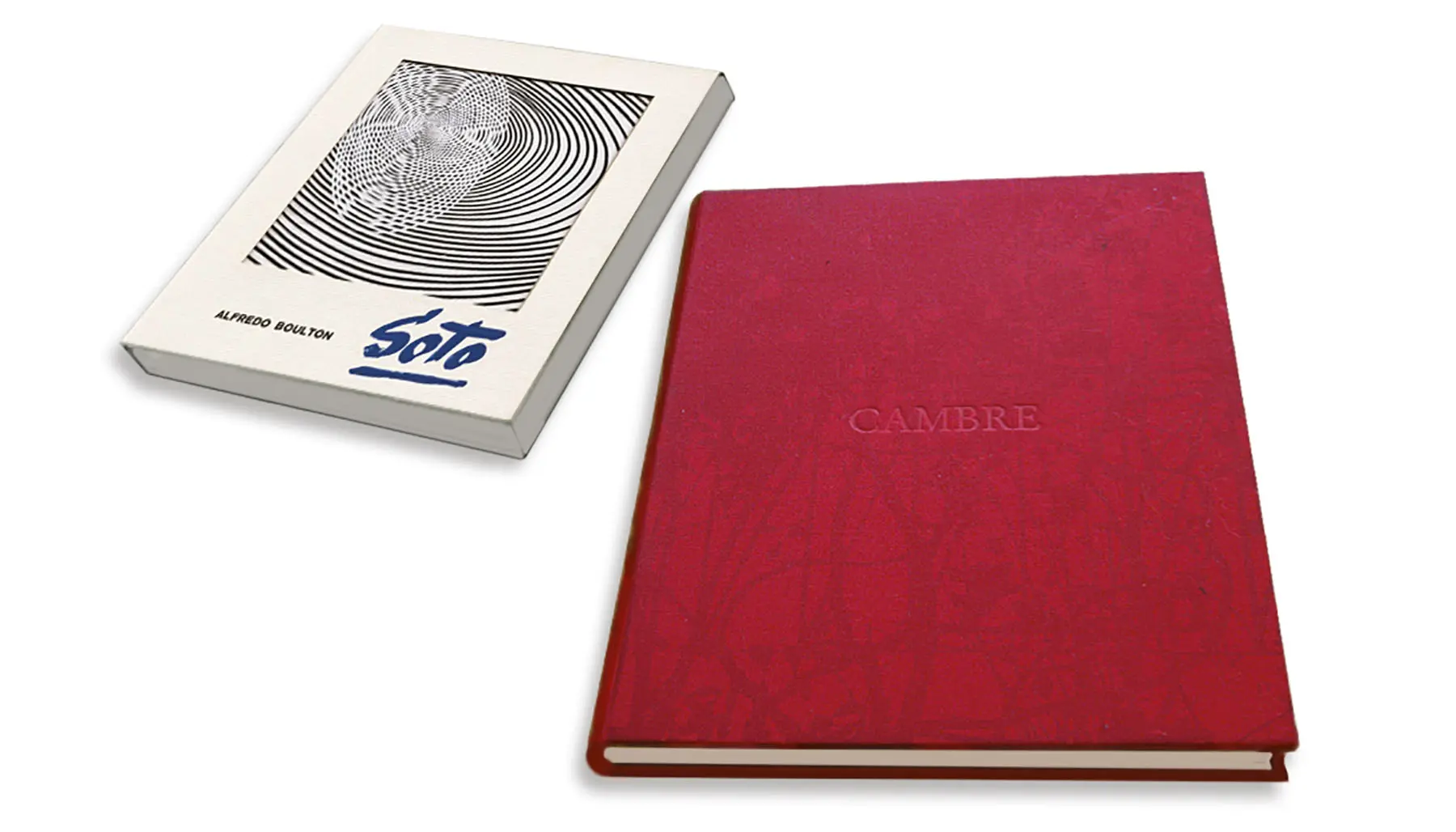
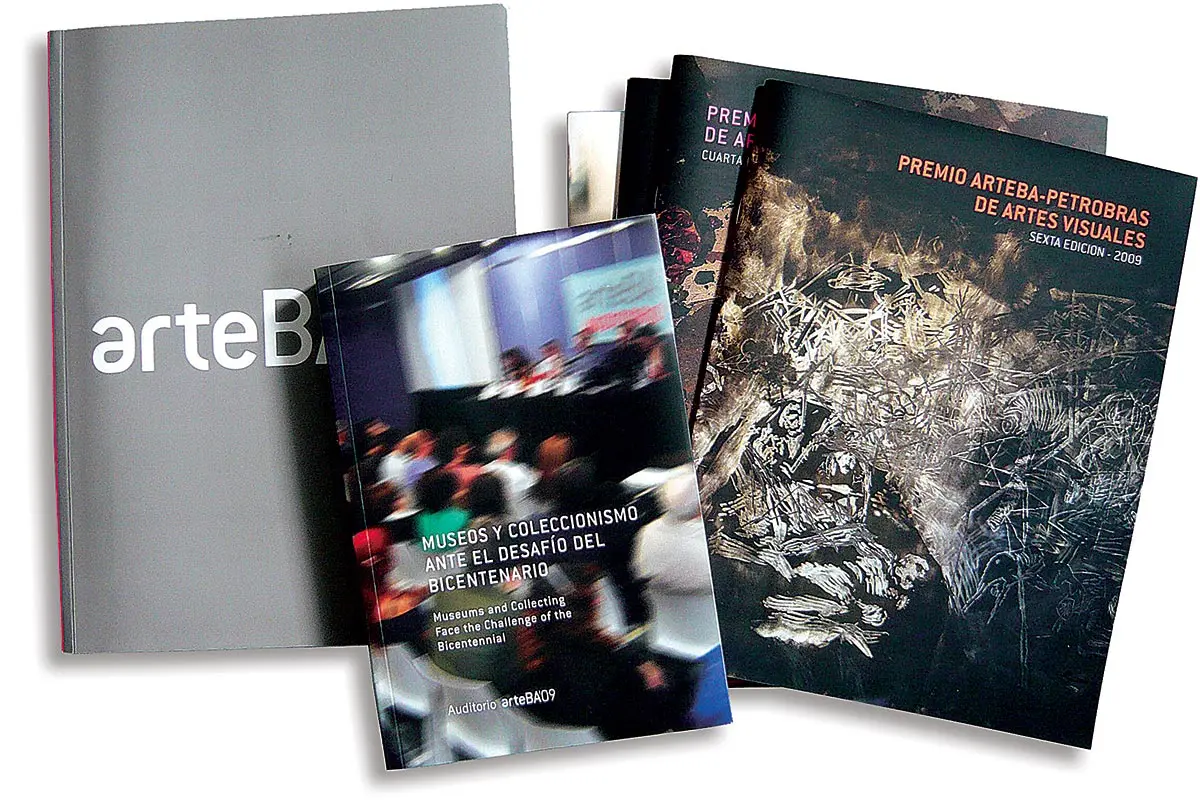
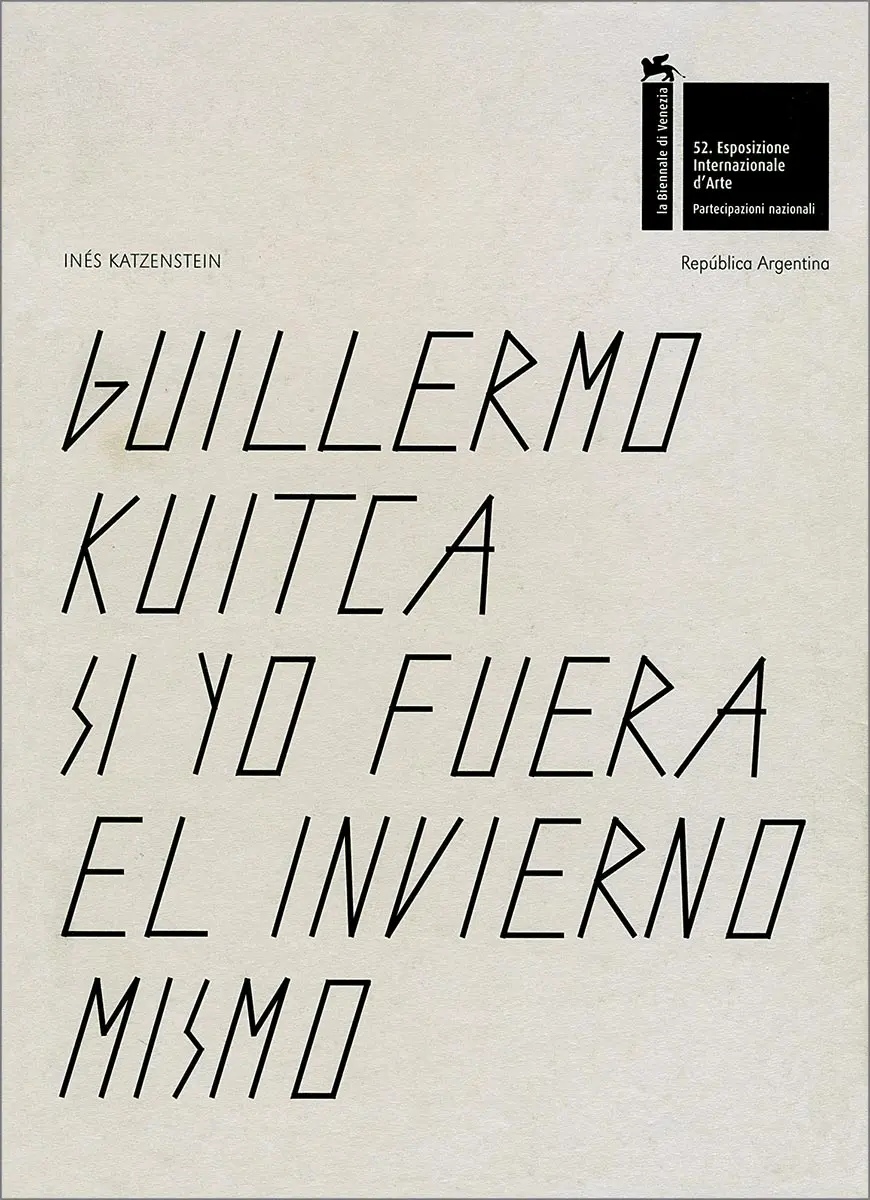
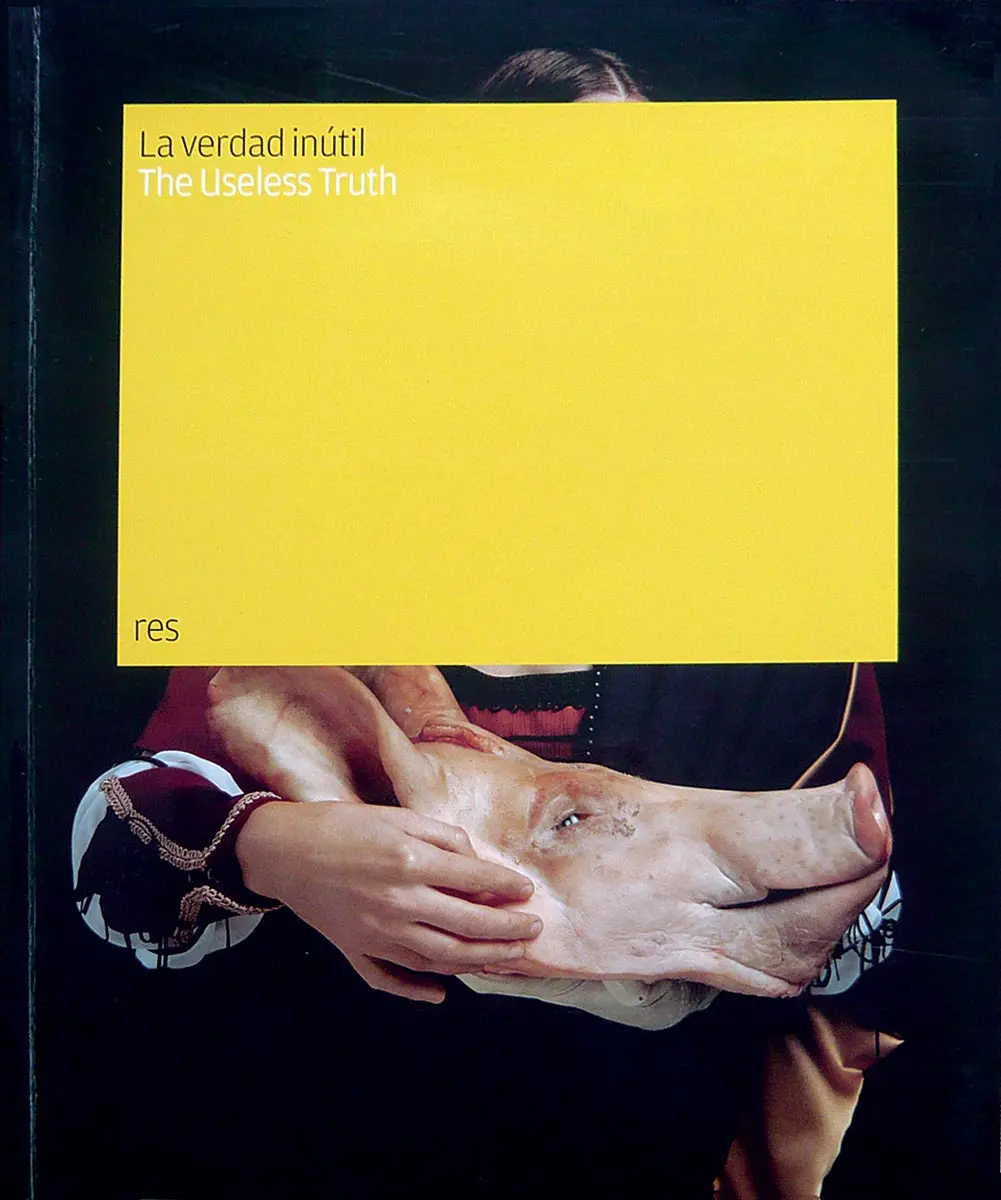
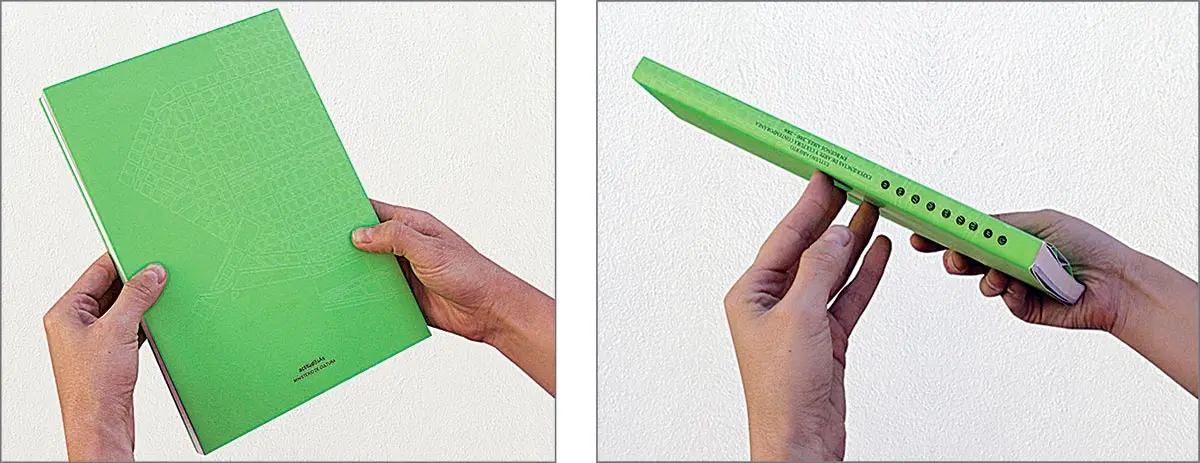
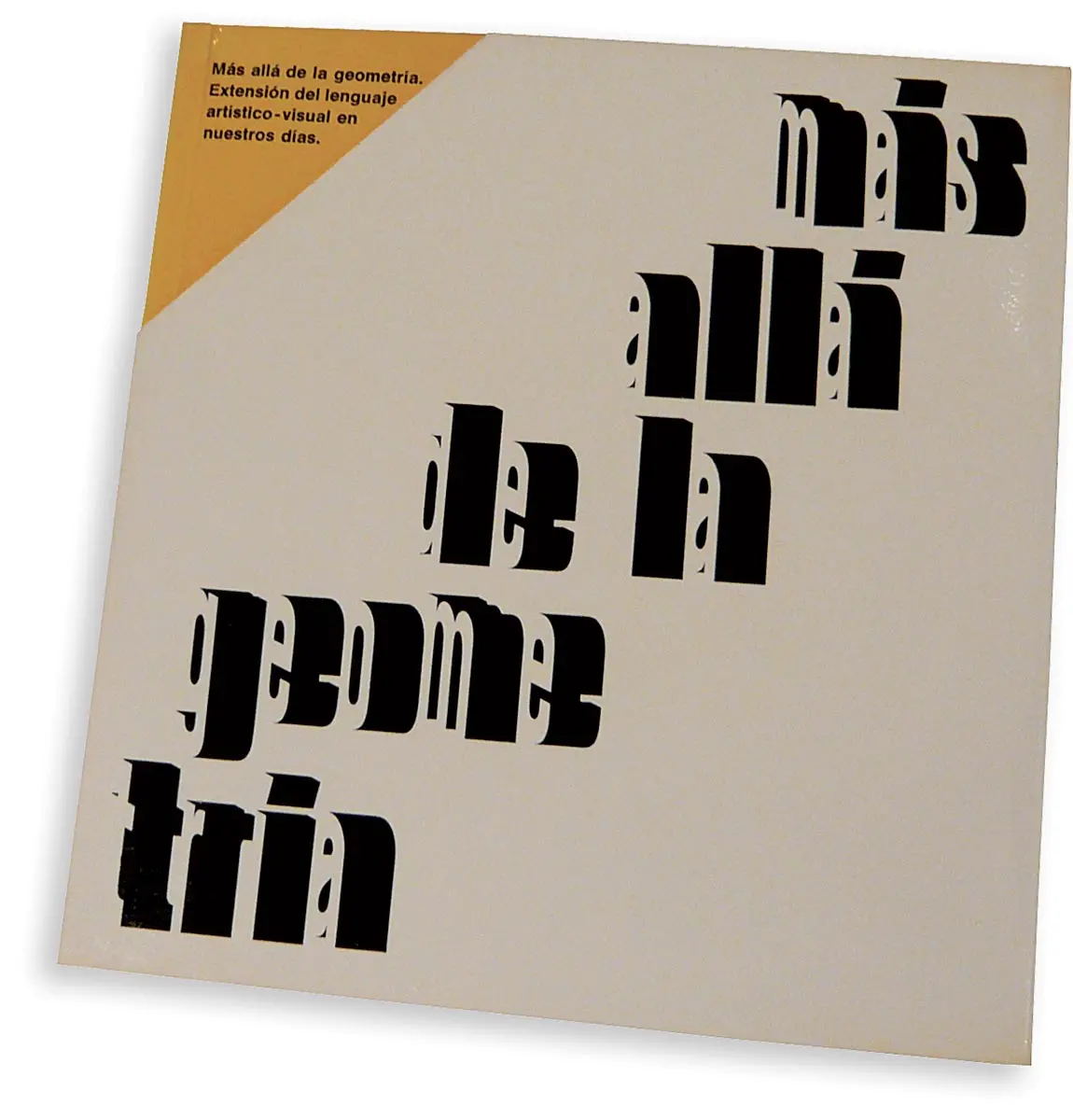
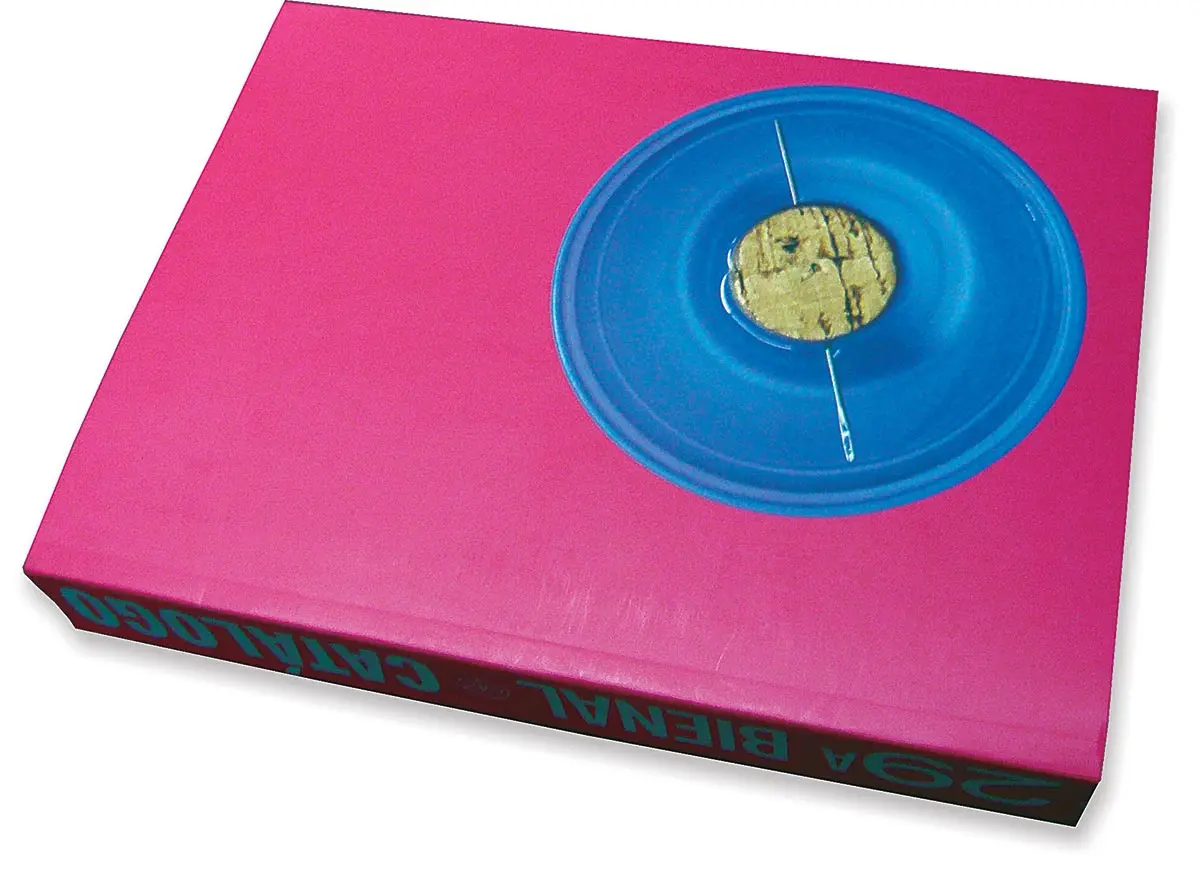
At first, the selection of designers was connected to the idea of encompassing several kinds of publishing projects, such as art books (thus, Alejandro Ross on Juan José Cambre); catalogs (Claudio Filus and Andy Warhol); historical explorations (the publishing history of the Instituto Di Tella, told by its graphic director, Juan Carlos Distéfano); artist volumes (Kuitca at the Venice Biennale, by Diego Bianchi with Cecilia Salkowickz and Gastón Pérsico); and catalogs of catalogs (Marius Rivero for ArteBA). Later, the selection of the archive of designers was guided by two solid premises: taste and intuition. And they also recruited on the basis of their knowledge of the work of their colleagues, especially in Argentina, for instance, Marta Almeida with the catalog of works by the photographer Res, or, more recently, Vanina Scolavino for the Rosario artist Adrián Villar’s submission to the Venice Biennale. On the other hand, if a book is published and they like it, they track down the designer and include him or her, as was the case with the São Paulo Biennial catalog and its author, Felipe Kaizer, from Cuba. “It is a completely arbitrary cut,” they explain. “We do not intend to highlight every single Latin American designer and we do not have any age or style parameters for inclusion. We are guided only by our desire.”
The same freedom is present in the interviews. Without aspiring to fancy production effects, Escobar and Muggieri converse naturally with their interviewees, whose hands are seen in closed shots that include the pages they are showing. In this way, we can smile as we listen to Distéfano confess that the first team he formed to work on graphics for the Di Tella in the 1960s “was almost a tyrannical mafia: artists had no say, we didn’t let them speak. If we liked them, we allowed them to give their opinion; if we didn’t like them, they were silent (laughs). And the printer was happy to work with us because we experimented a lot, sometimes directly on the machine, and that broke their routine.” He then shows some of those experiments in a catalog for the 1967 Di Tella Award, a geometric concept with pages in filled-in color, whose corners are cut to form triangles that contrast against other pages. And he adds: “When I was a student there was no graphic arts or design school, only what at the time was known as Drawing for Advertising; our professors were not designers but painters. Drawing for Advertising was based mostly on illustration and not on typography as such. I began to understand what design was about based on information that came from countries in the Northern Hemisphere, particularly Switzerland and Germany. And under that influence, I started to work on the concept of the modulation of a page. We admired them greatly. And also Polish designers for their unbridled expressionism, the opposite to the Swiss, who was rigid and austere, and, it seems to me now, boring. That ping-pong between maximum expressionism and asceticism suited us well.”
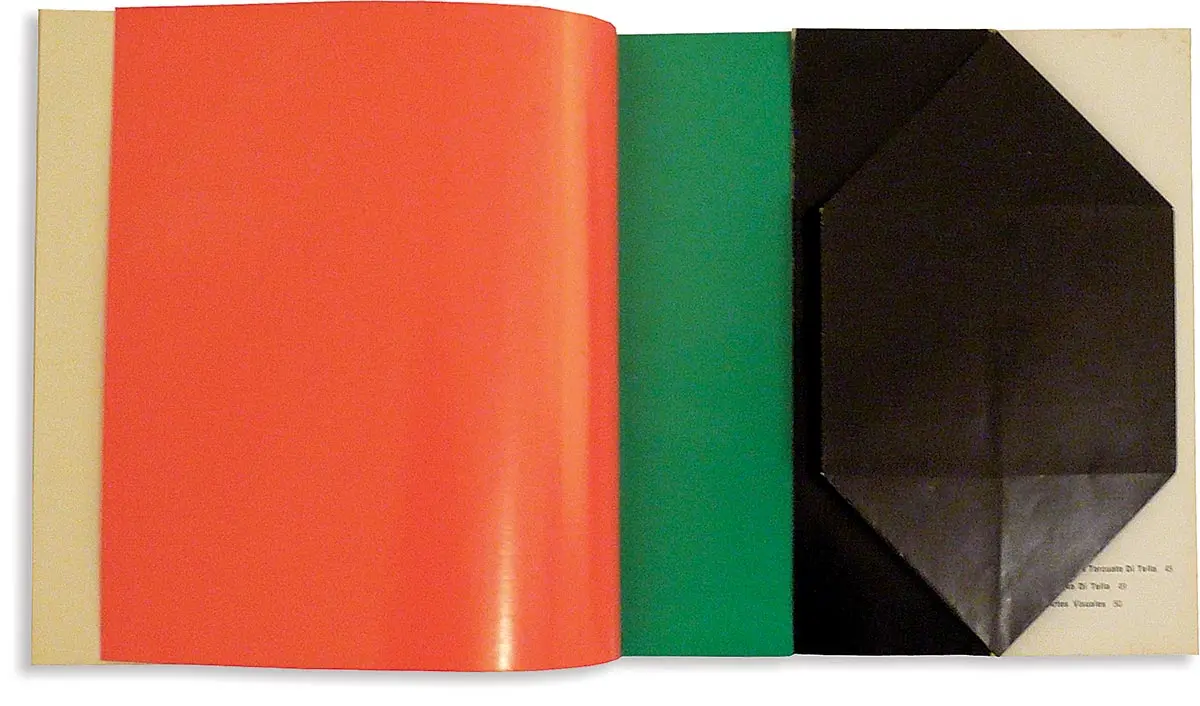
Distéfano emphasizes the complete freedom that the Institute’s director, Jorge Romero Brest, gave them, and highlights one idea: “Ours was not the work of artists, but work in the service of artists. I see a solid line between art and design. Design is a service to be provided.”
Designer and professor Enrique Longinotti, director of the Master’s Program in Design and Communication at Universidad de Buenos Aires, revisited this line on the day Folios was officially presented at MALBA, in late 2011. “I believe that what Distéfano says is negated by the freedom they had.
The Twentieth Century inaugurated two very important things: modern art, which is the culmination of art, and design, which is poised to culminate in the Twenty-First Century. When art blows up, breaks down, or is demolished (art understood as canonical art, that is), a strange creature, bastardized in its beginnings, appeared: design. It took a long time to find the word to define this activity. In these times of porous borders, when artists design, project, or plan technological and conceptual aspects, and designers exhibit their works as works of art, this no-longer-so-strange couple finds new ways to make itself understood.” For Longinotti, the work of an artist is the content of a book, and designers are called in to give it shape. Designers are shape-givers. “But to shape content is to give the content. There is no way for such shape-giving not to intervene and not to have a presence. The idea of this interplay, sometimes peaceful and sometimes hostile, between the wills that coincide in this kind of situation is interesting to me. If to give shape is understood as an aspect of content, the design is always the co-author.” In Longinotti’s view, the design does not adapt itself to art but becomes a voice that intertwines with it. Thus, the not-so-strange couple he describes makes us wonder whether the design is not the meta-language of art: “Our perception of art in the Twentieth and Twenty-First centuries is deeply linked to the image produced by catalogs, books, journals, museums, etc., first merely as information, but rapidly with the conviction that the publishing object was a kind of condensation and distillation of artistic expression. The language of design explains the language of art, brings it forward not only in time but in space, and allows for its circulation. In Argentina, as in so many other peripheral situations (this depends of course on what we assume to be the center), we have learned from books rather than from contact with the originals. These books and catalogs have been more than vehicles, they have been an exaltation of and an ability to communicate the most key ideas,” he says.
Another idea in Longinotti’s intervention is that of cultural design as graphic criticism and curatorship of art, which brings forth an interesting issue: “Does design then have a debt to neutrality, or is it indebted to a commitment with the times?” He left us with the question.
Concerning broader issues in beginning to speak of a Latin American cultural graphic arts, the first evidence detected by Folios is that “since printing in the region is more difficult than in other regions, much more thought is given to the use of resources; given this widespread reality, we assume and are in search of a common logic and shared working methods.”
Folios has already registered the work of 20 studios devoted to the visual communication of the arts, and the project has visited five cities. This means that the journey has begun, but there is a long way ahead. Both are reasons to celebrate the initiative, which can be accessed in its entirety at www.foliosweb.com.ar. The task, carried out through personal effort and outside any institutional framework, calls for the identification of new cases, invitations, and support in reaching new locations in its march forward.
CAROLINA MUZI