
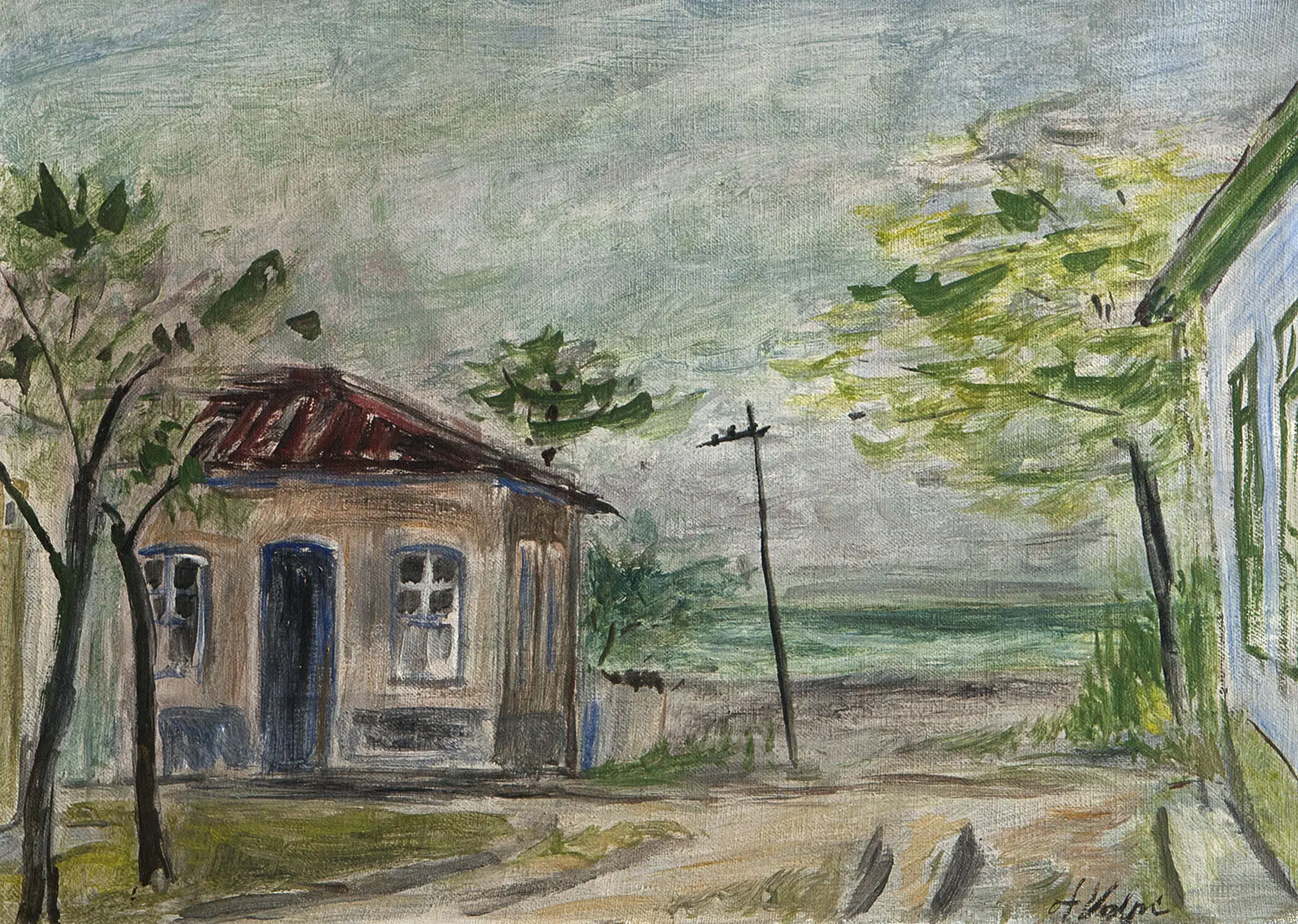
This past May and June, Pro Arte Gallery presented a commemorative exhibition for the eighty years of the Santa Helena Group, curated by art critic and journalist Enock Sarmiento. The exhibition featured a selection of seven works by each of the group’s members, presenting the public with a profile of their production in the period and later. The Santa Helena Group was formed in 1935 in São Paulo by eight young, early-career artists who rejected academic learning and shared a foundational belief in the need for freedom of inquiry in their work and for greater openness toward modern art. They had been educated as painters in professional schools and even at the School of Fine Arts and felt an urgency to push the investigation of artistic language forward.
The name of the group derived from the building where they had their studios, the Santa Helena in Praça da Sé (Cathedral Square), in downtown São Paulo, one of the city’s greatest and most beautiful buildings at the time, built-in 1925 by industrialist Manoel Joaquim de Albuquerque Lins and torn down in the early 1970s for the construction of the subway.
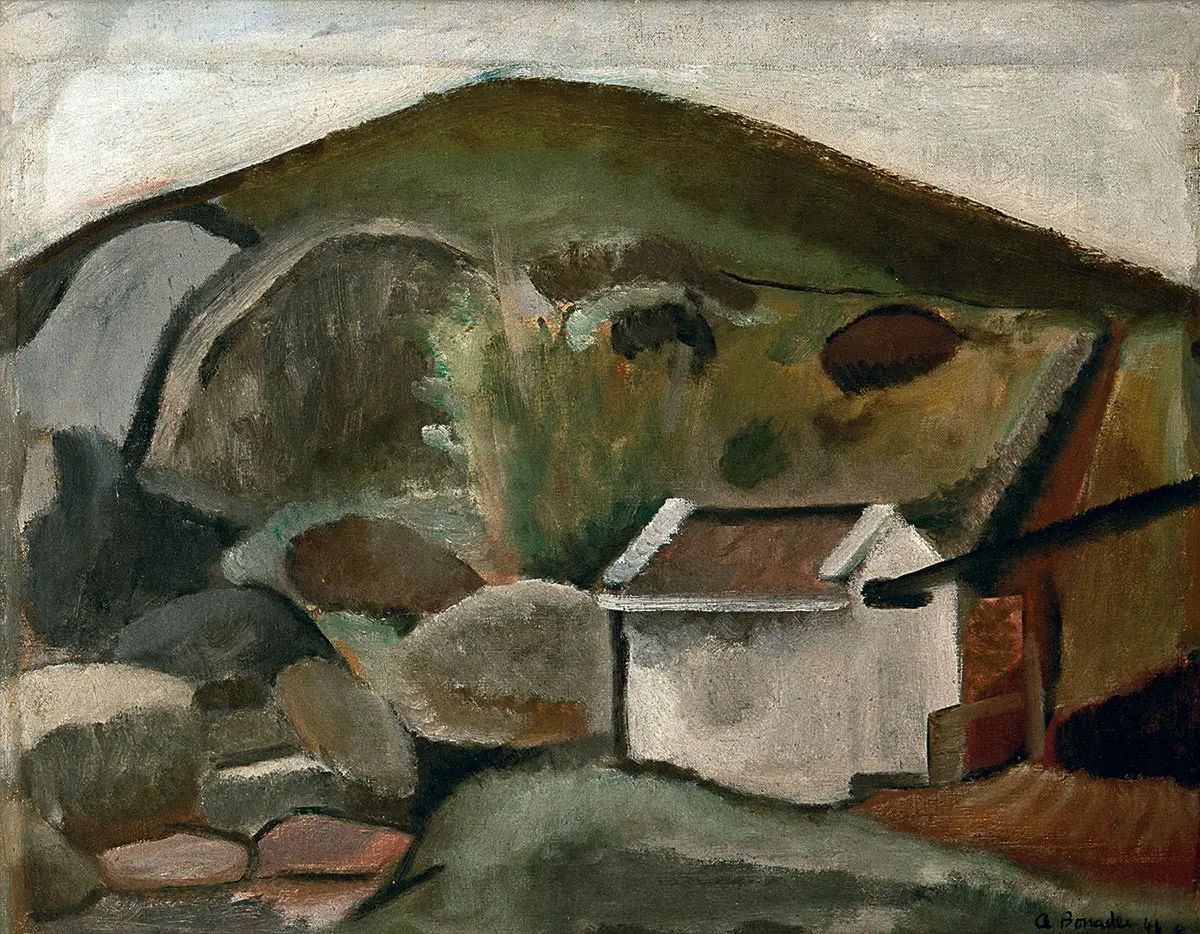
In the two rooms rented there (231 and 233), these artists were motivated by their work to share information and technical discoveries. They were: Aldo Bonadei, Clovis Graciano, Francisco Rebolo Gonsales, Fúlvio Pennacchi, Humberto Rosa, Manoel Martins, Alfredo Rullo Rizzotti, and Alfredo Volpi. Their friendships and sense of camaraderie were enhanced by solidarity, and over time the two studios became meeting points for artists and intellectuals.
The work of these artists reflects aspects of everyday life and is devoted to urban scenes and landscapes as much as characters, still lifes, portraits, marine vistas, nudes, and compositions.
Almost all of them made their living as craftsmen, in general in connection with the use of color and design. They were house painters, interior decorators, specialists in the manufacture of friezes, calligraphers, and one of them worked as a metalsmith.
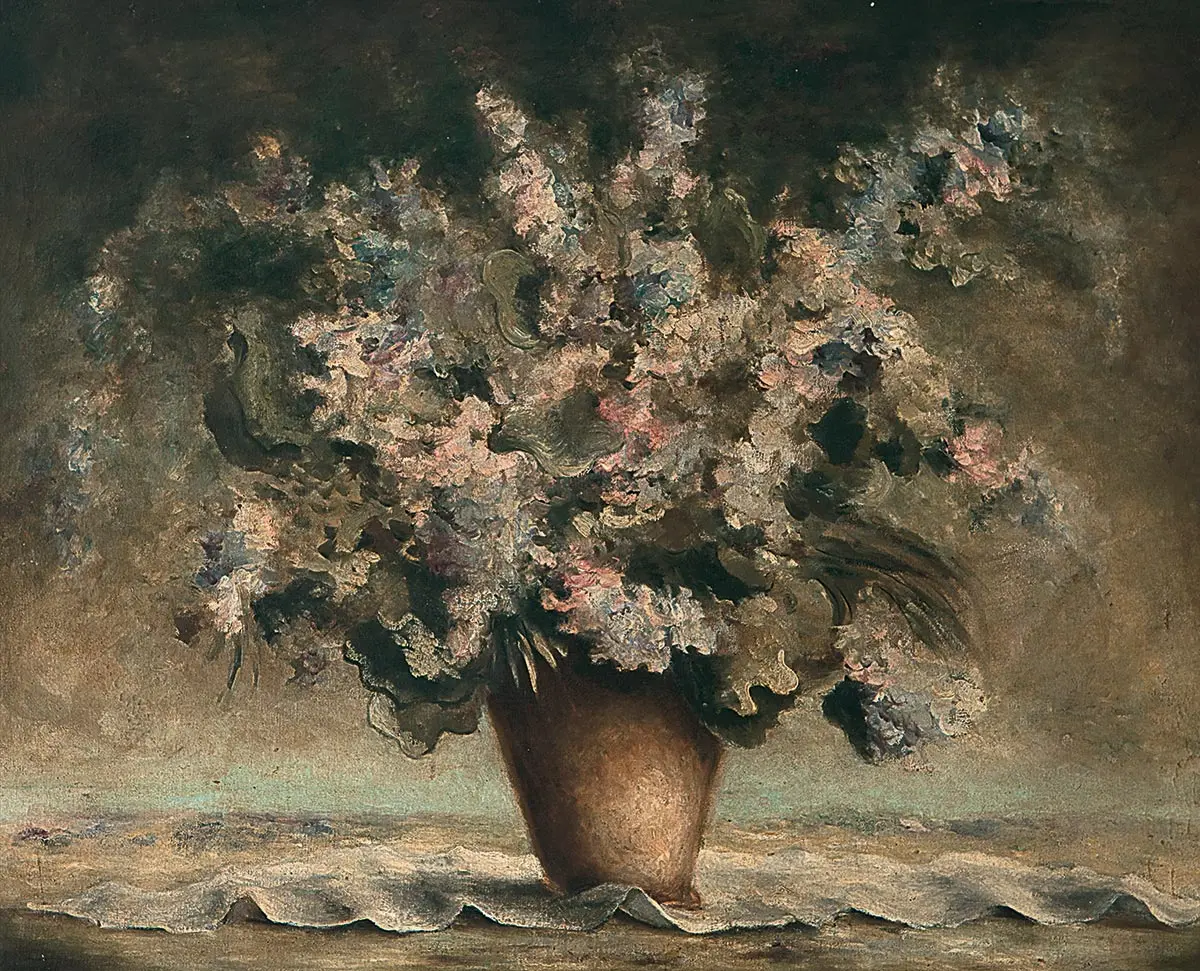
They purposefully developed a kind of painting that emphasized artistic investigation, the observation of pictorial technique, always outside the then-dominant academic patterns. By insisting on the mastery of free-hand drawing, they rejected the preferences of their teachers and chose to organize their own working sessions with living models, whose compensation they covered by pooling resources. Their quest for technical assuredness was clearly revealed in outdoor painting, when they went to São Paulo’s suburban areas, to cities in the interior of the state, and to the coast to create their works. With this investigative practice, and freed from the patterns that dominated academia, they were known as the creators of paulista painting.
This was a group of artists descended from Italian or Spanish immigrants, or born in Italy and relocated to Brazil.
Unlike Brazil’s earlier modernists, responsible for introducing artistic modernity to the local scene with the Modern Art Week of 1922, these young artists— Rebolo, Zanini, Volpi, Graciano, Bonadei, Pennacchi, Rizzotti, Martins, and Rosa—did not come from the upper middle class. On the contrary, they were working class and in most cases lacked opportunities to study art in Europe, like the modernists that emerged in the 1920s. Perhaps this was one of their strongest motivations in their quest for mastery of technique.
Soon, their work began to grab the attention of important intellectuals of the period. Mario de Andrade considered them in his essay This Paulista Family and in his Essay on Clovis Graciano. In the 1940s, Sérgio Milliet and other critics studied them, and they figured significantly in the art scene, seen as a new datum of Brazilian identity.
Paulo Mendes de Almeida was another important critic who engaged the work of the Santa Helena group; he wrote about them in Brazil’s major media and in his book From Anita to the Museum, published in the 1960s, and accompanied the group over the years with his reviews and essays.
The aesthetic concerns of these painters moved in different directions after the group dissolved in the late 1940s, but they all remained marked by their shared experiences in the Santa Helena building. Yet, during the almost fifteen years they remained together, they never organized an exhibition as a complete group, with all the members present, although they did participate in many group exhibitions and Salons open to modern art, where their contributions to Brazilian art were reviewed.
The Santa Helena group has been the object of attention and historical reassessment for several decades now. The artists in it have been studied in academic theses and retrospective shows. Many exhibitions have been organized since the group’s dissolution, and important catalogs have been published.
The exhibition commemorating the eightieth anniversary of the group’s emergence, at Pro Arte Gallery, once again makes clear the role played by these artists in the history of Brazilian art, to which they inherited an inestimable production, fully established today in important public and private collections.
It is worth briefly reviewing some key events that marked the careers of these artists.
Aldo Bonadei worked without interruption for over half a century, investigating materials, supports, and languages. In his youth, he traveled to Italy and settled in Florence, where he studied Art. He went through a significant Abstract period, and his later compositions sustained an intense dialog between abstraction and figuration.
Alfredo Rizzotti also studied in Italy, in his youth. Besides paintings, he produced murals and drawings. His pictorial production was interrupted for a long period due to health problems.
Alfredo Volpi was born in Italy. He worked as a painter since the 1910s, initially absorbing aspects of the Impressionist aesthetic. After his period with the Santa Helena group, in the late 1940s, he was close to the Concrete artists and poets, and his painting absorbed the imprint of constructivism. He was renowned for his “façades” and “little flags” phases. He was active as a painter for more than seven decades.
Clóvis Graciano stood out as a painter, draftsman, and muralist. In his work, he gave pride of place to the human figure, next to still lifes and flowers. He created many panels in public and private buildings. He worked as an illustrator for periodicals and books, as well as a stage and costume designer. He lived in France for two years thanks to the National Modern Art Salon’s Foreign Travel Award.
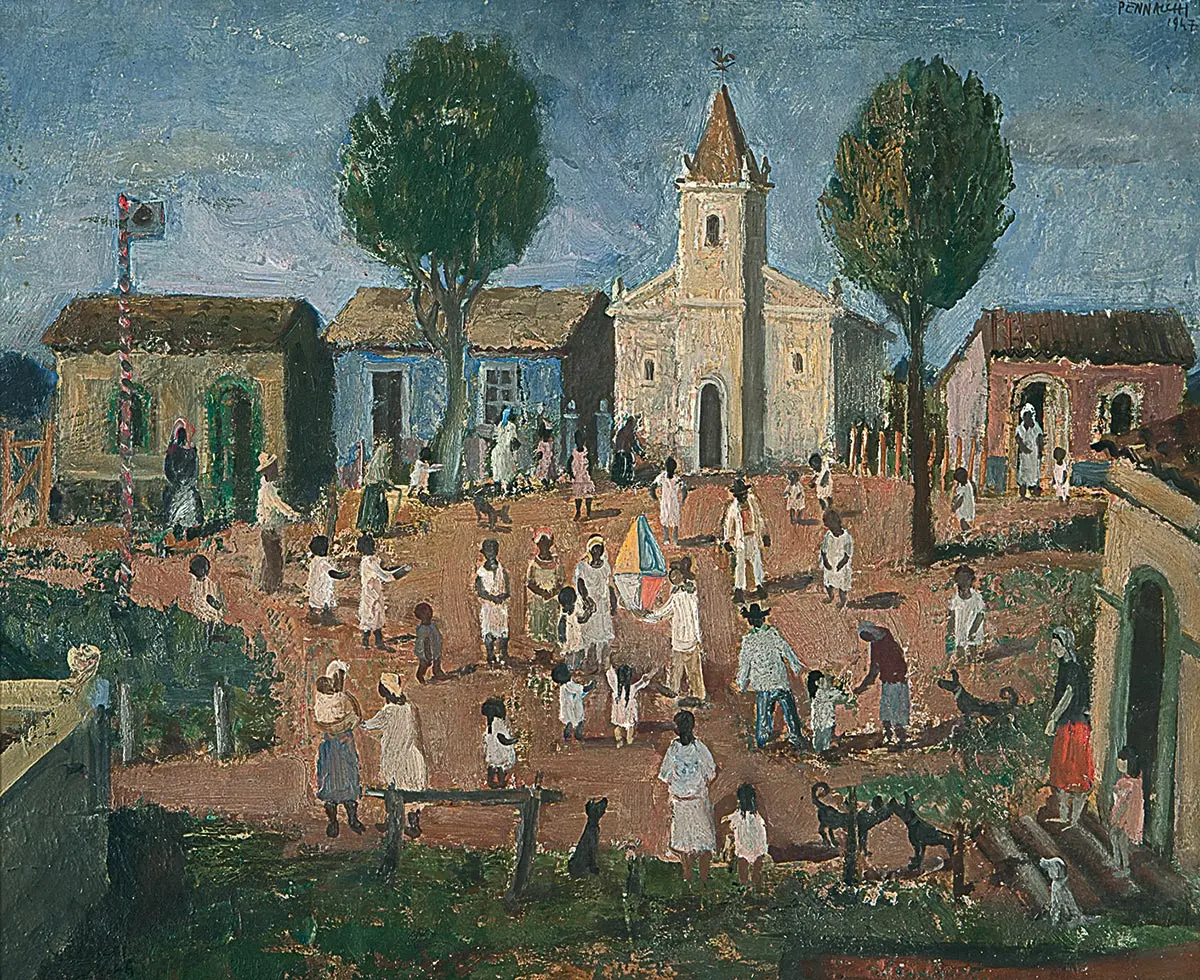
Fúlvio Pennacchi was born in Italy and his education as a painter began in his native country. He resettled in Brazil in 1929. Part of his work evinces an interest in Renaissance painting. He worked on religious themes but devoted much of his efforts to capturing Brazilian landscapes, festivities, and folk scenes. He was a painter and a draftsman, created panes, and worked in ceramics.
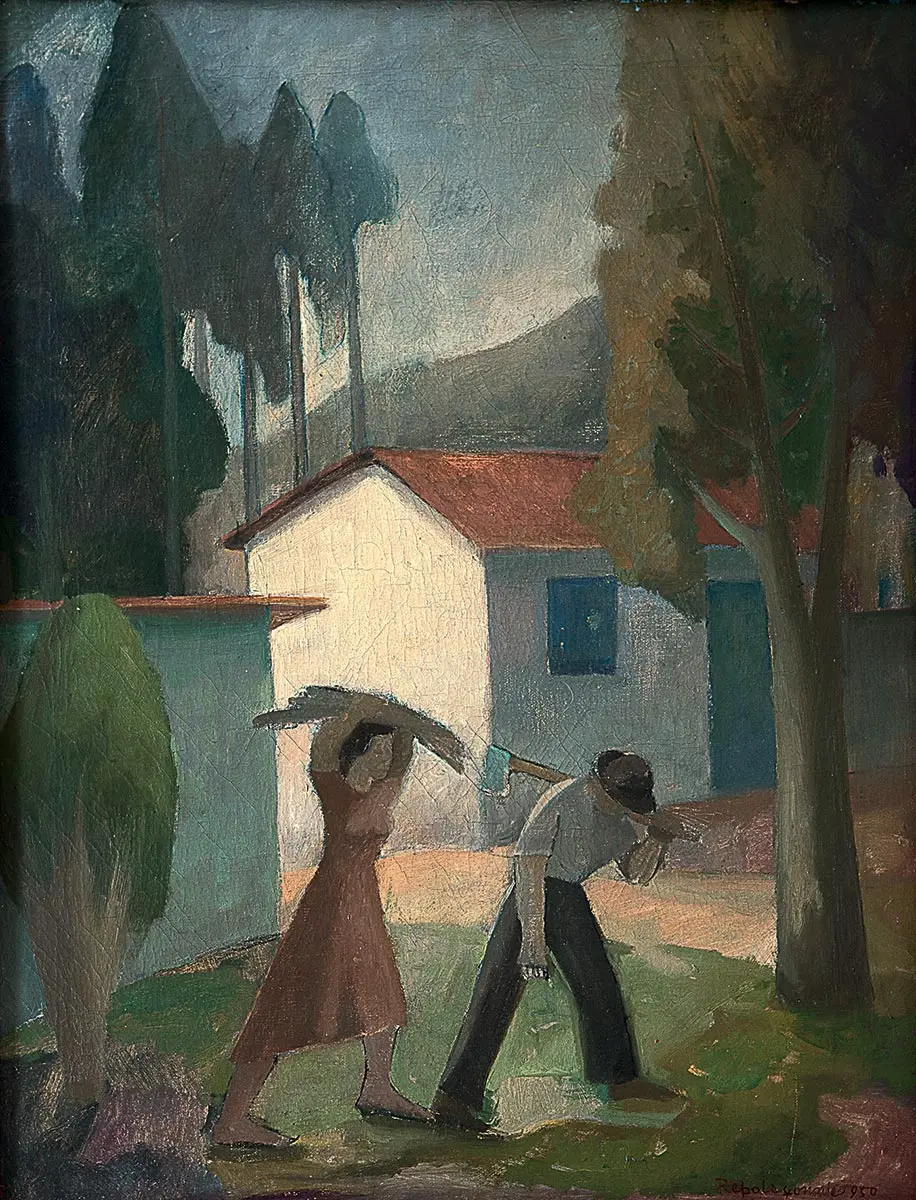
Francisco Rebolo, the descendant of Spaniards, is acknowledged as the catalyst for the formation of the group (which began in his studio). He was also a soccer player and the creator of the emblem used by Corinthians, a deeply popular Brazilian team. His career as a painter spanned 45 years, and he is recognized as one of Brazil’s most expressive landscape painters of the period. He also produced drawings, prints, and panels. Thanks to the Foreign Travel Award, he spent two years in Europe, painting and studying art, even in the Vatican.
Humberto Rosa, draftsman, and painter taught drawing in public schools. His preferred subjects were landscapes and human figures; unfortunately, a good part of his work was lost after his early death.
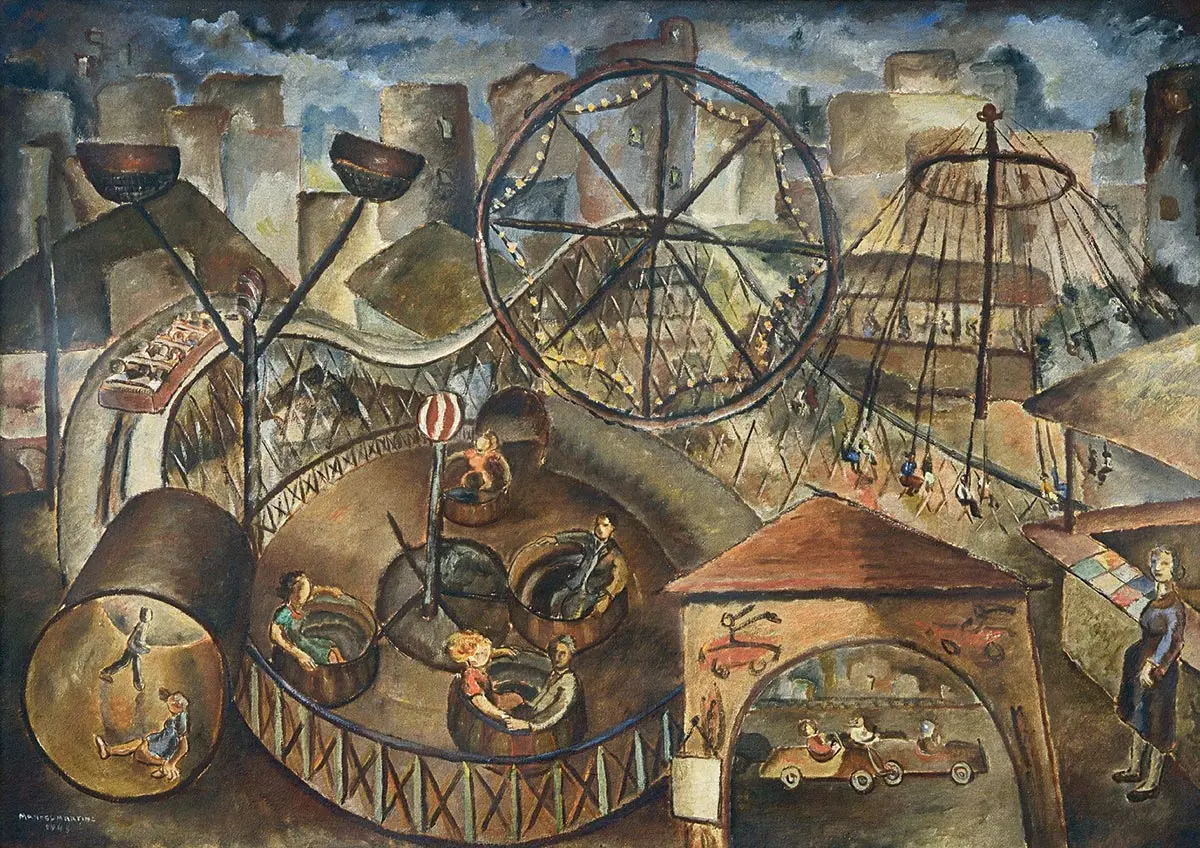
Manoel Martins worked in printmaking and illustration, as well as in painting. His work was influenced by expressionism and marked by a definite social interest in its themes.
Mário Zanini was a painter, draftsman, and azulejo artist (a traditional Spanish and Portuguese genre of decorative tilework); he also worked in ceramics and printmaking). He painted murals in buildings and stood out as a landscape painter. His work went through a significant abstract period.
Finally, an interesting factor worth noting here: the role that art galleries have been playing lately in Brazil in the organization of events that recover the historical contribution of artists and groups, in retrospective exhibitions with a strong museum-like quality.
LISBETH REBOLLO GONÇALVES