
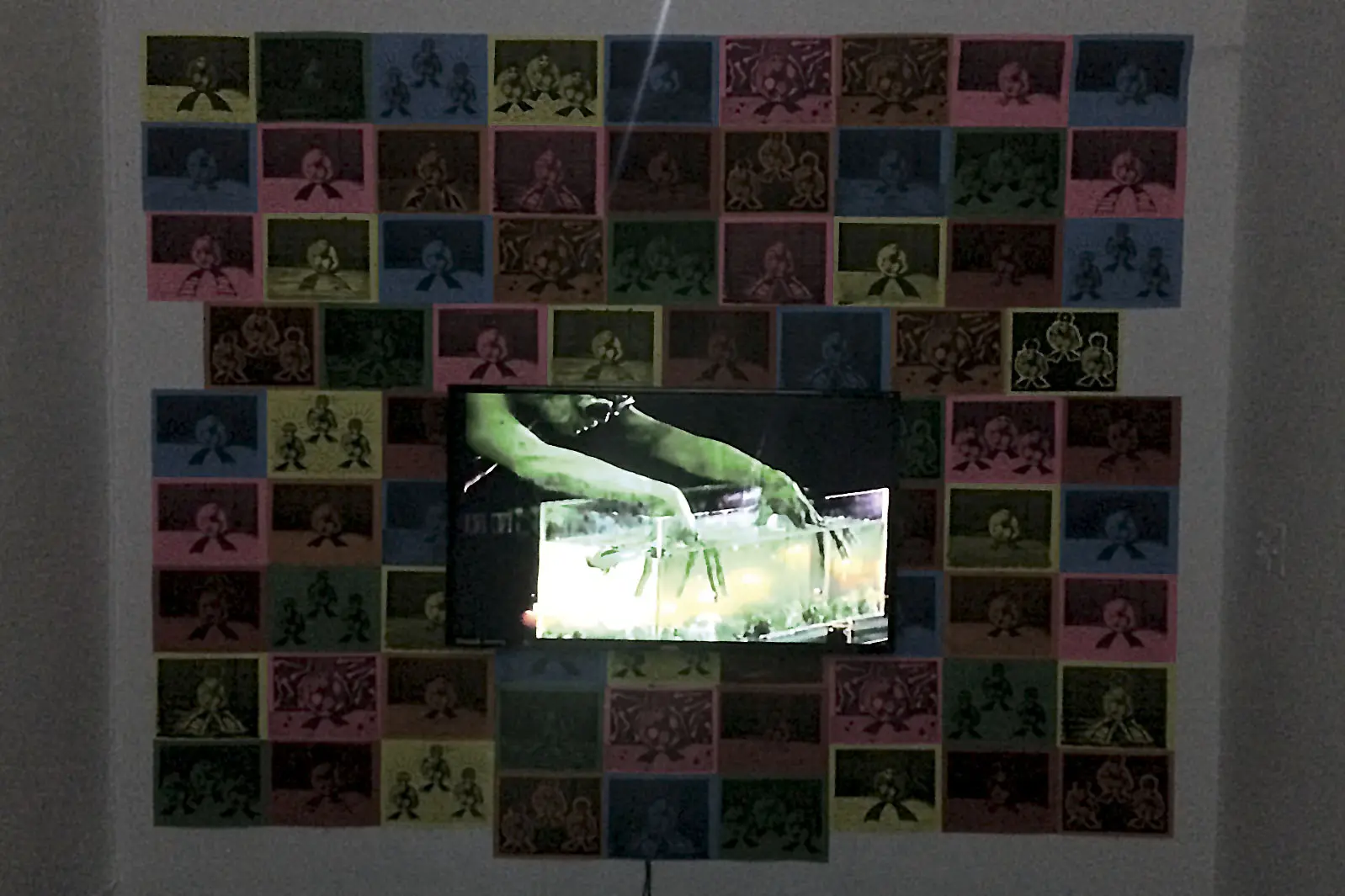
The 10th edition of the Para verte major (To Better See You) video art showcase was held in the city of Popayán, in southwestern Colombia, from November 9 to November 12, 2016. The event, titled Vida y Arte (Life and Art) in celebration of the 100th anniversary of Dada, featured video art and video installation projects by twenty-six artists from around Colombia. Every edition of Para verte mejor was conceived, organized, curated, and produced by Jim Fannkugen and Guillermo Marín—artists, curators, and professors at Universidad del Cauca— with the university’s exhibition gallery, Sala Contemporánea, as its main site. The idea for the showcase came to Fannkugen and Marín in response to an academic need: to have the products of their video art workshops—a key instrument in the education of new artists—circulate among their colleagues and the general public. Since then, the use of video by students and young artists has only increased. Additionally, both video art and electronic media have the capacity to connect art and its audience in entirely new ways, since nearly everybody has listened to the radio or watched TV, and an ever-growing number of people regularly manipulate the photo and video devices, all of which means they are already in possession of “the code” for engaging with images in motion.
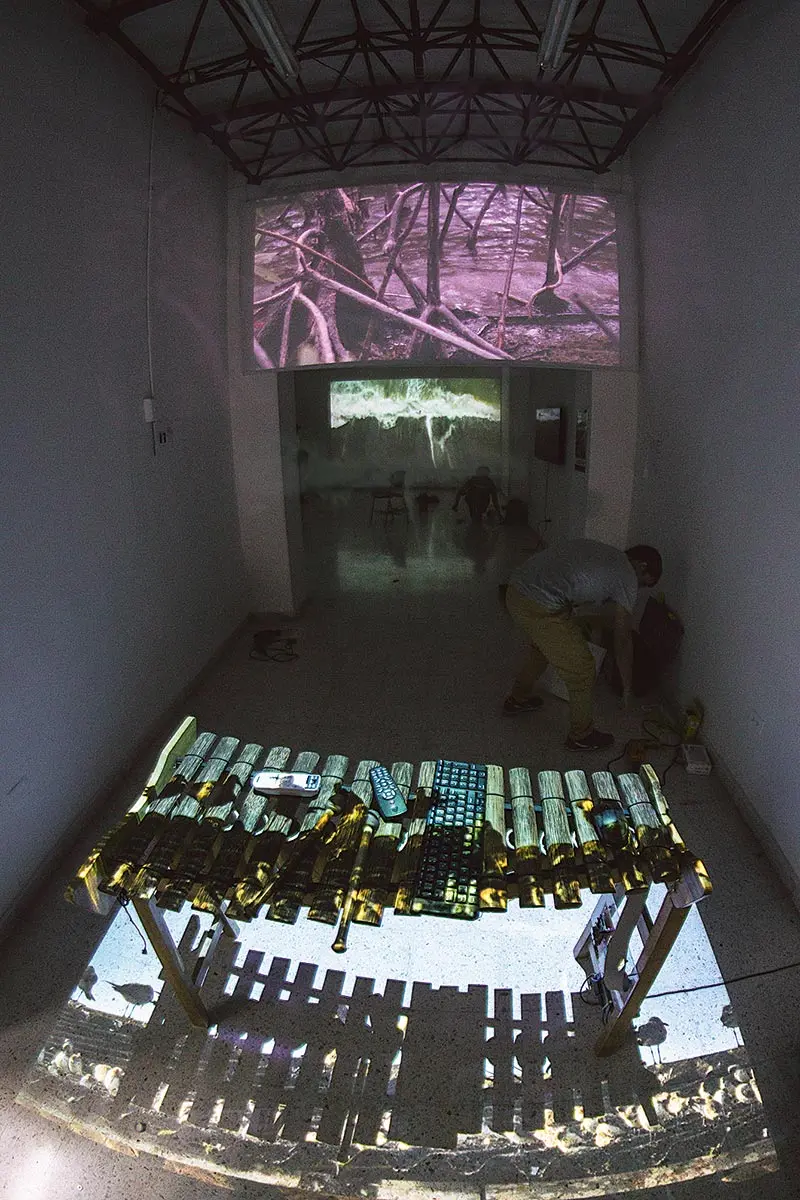
According to the organizers, Para verte mejor was conceived from the start as an inclusive project, focusing its attention on a heterogeneous selection of artists of different ages, at different stages in their careers, and with varied interests and conceptual approaches. The breadth of this spectrum was also confirmed by the kind of audiences the events usually summons: they come from diverse sectors of the population, albeit they are mostly very young individuals who are, for the reasons sketched above, more comfortable in front of a video screen than in front of a canvas. The growing interest in video and related media on the part of local artists and audiences has presented the show’s organizers with a challenge: to present each work in accordance with its own space demands and, in terms of technical production, to resolve its public dimension in the most precise manner possible. This is why each edition of the event has been formulated as a sort of collective installation, with an active role reserved for viewers on the road towards establishing the meaning of the works. It is rather surprising that such an arts initiative emerged in a city of middling size like Popayán, and even more so (and more admirable as well) for it to have reached its 10th edition, quite a long life when compared with the fate suffered by similar projects that popped up in recent decades in places like Bogotá or Medellín but never reached past their second or third edition.
When Para verte mejor reached its third year, the curators won a grant from the Ministry of Culture to develop the showcase as a curatorial project based on artistic practices in the region around Popayán. In consequence, in 2010 Para verte mejor was incorporated into the 42nd National Artists Salon, held that year in Cartagena. One of the results of that exhibition was to situate young artists from Popayán and the broader Pacific region on a stage of greater visibility in the context of contemporary Colombian art. Later, the showcase was held on two occasions in Cali, and in 2011 it also traveled to Fortaleza, in Brazil. Over the course of the last 10 years, Para verte mejor has had to reflect on what was taking place inside an art school, then in a regional context, and finally in the country as a whole. Additionally, a number of the local artists who participated in some of the event’s editions have been invited to similar projects in such cities Barcelona, Berlin, Buenos Aires, Chicago, Río de Janeiro, and Zurich, among others, which underscores the pertinence both of Para verte mejor and the artists it has featured over the years. Such is the case of Popayán-natives Edinson Quiñónez, Fernando Pareja, and Leidy Chávez, who have been staples in this showcase and are now part of the international art circuit.
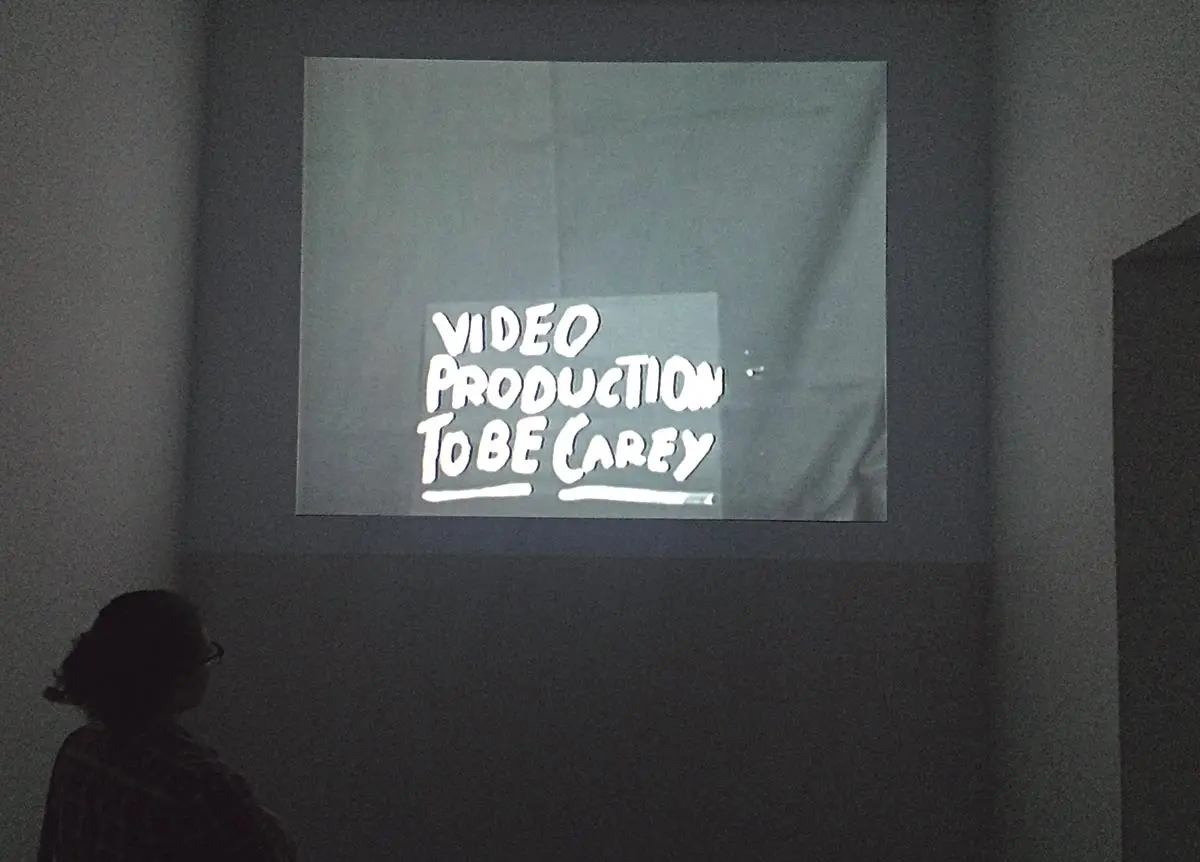
The first additions to the local roster of artists came from Cali, with figures like Wilson Díaz, Ana María Millán, José Horacio Martínez, and Óscar Muñoz; in time, artists from other cities joined as well, like Liliana Vélez, Andrés Matute, Nadia Granados, Juan Obando, Edwin Sánchez, Elkin Calderón, María Isabel Rueda, and Andrés García La Rotta, among others. The sixth edition included a site-specific intervention project by José Alejandro Restrepo, one of Colombia’s best-established practitioners of video art and video installation and an artist of solid national and international prestige.
As successive editions of the project were held, the possibilities of presenting the work of artist’s with a well-established trajectory (like some of those mentioned) increased; the most recent edition even featured a space devoted to historical Colombian video artists, such as Alfonso Suárez and Raúl Marroquín, with works, respectively, from the 1980s and 70s. At the same time, it has been possible to include artists from Argentina, Italy, the Netherlands, Guatemala, Mexico, and the US, which has widened the range of references for Popayán artists and audiences in terms of contemporary art in video and electronic media.
A significant number of participating artists have also collaborated, crucially, in the processes of education and reflection about video practices in the context of contemporary art that are organized prior to, or in parallel with, each showcase. These are intended to facilitate a dialog with local artists and art students, and focus on strengthening the appropriation of the works on exhibit by Popayán audiences. Local art students also work in the mediation team, the purpose of which is to promote an approach to the implications of the image in motion, an organizing principle for Para verte mejor.
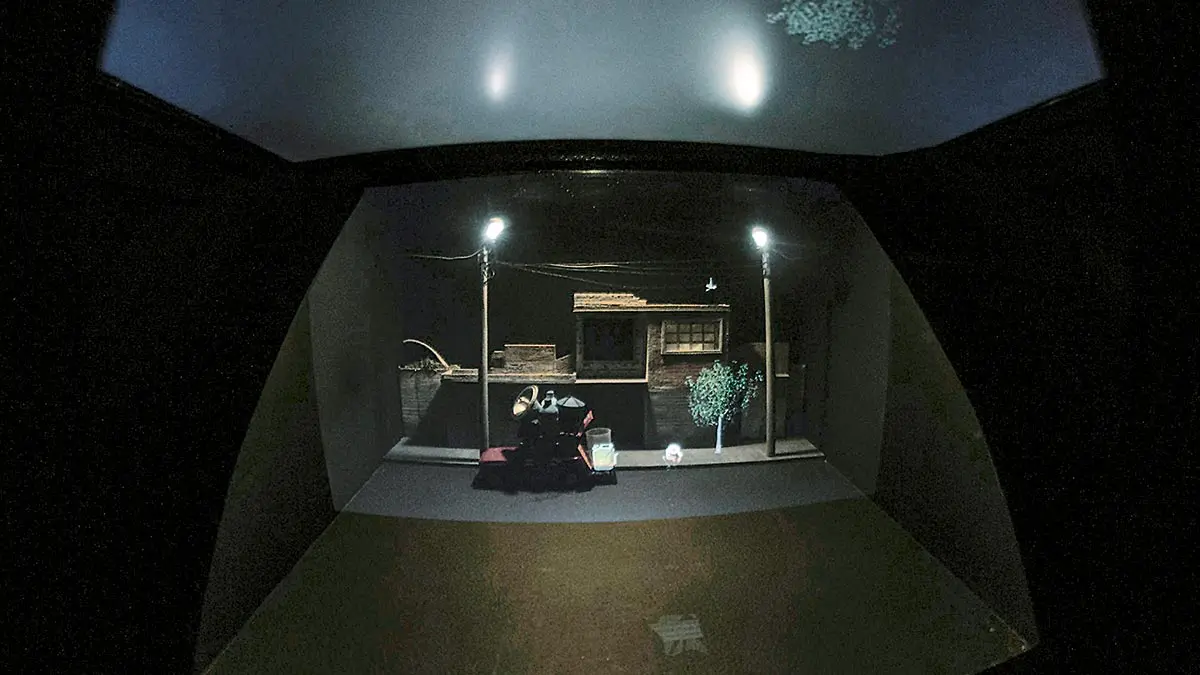
Among the works featured in the most recent edition of the showcase, an early 1970s video by Raúl Marroquín, which dislodged the body from its conventional situation and connected it with its imaginary dimension, arousing in the viewer new principles of identification, is particularly worth mentioning. Raúl Marroquín is a Colombian artist who emigrated to The Netherlands early in his career and became a referent in the international video art scene. His work, however, is not widely known in Colombia, to the point that he is often not on the radar of curatorial proposals, research projects, or publications focusing on Colombian art. As we mentioned, Marroquín was in the company of Alfonso Suárez, a Barranquilla-born conceptual artist who exhibited a video documenting a performance he executed at a national, artists salon in the 1990s. Alongside this historical space, the show featured other spaces with works in varied formats, lengths, and approaches, created by artists with different trajectories and backgrounds. Although Para verte mejor has become a desirable stage for national and international artists, it continues to include local artists and even students. Carrying forth this show requires great effort, given the technical complexities of its production and the particularities of the institutions that support the work of curators and organizers, yet year after year Para verte mejor comes successfully to the encounter of the Popayán public.
One advantage offered by Universidad del Cauca’s Sala Contemporánea is its location in Popayán historic downtown, where architecture prompts interesting connections and references, and where it is also possible to find meaningful spaces for the presentation of a new chapter or special projects (like José Alejandro Restrepo’s). The gallery’s location has also helped the event’s favorable reception. Attendance has been massive from the beginning and has grown sustained over the years since this is one of only a few opportunities to encounter contemporary art not only in Popayán, but also in the entire region.
JAIME CERÓN