This show, housed in the Museo Nacional’s Temporary Exhibition Gallery, really begins before we enter the space. Its title—Intimate Voices. Narratives and Images of Women Artists—is the best preparation for us to intuit what it is about. It stokes our curiosity and prods us to search in our mental archive for images related to female intimacy. This is not a prurient search, but one that inquires about that which is hidden, which cannot be said, which remains unnamed. We are suddenly faced to face with the power of words; just by reading “intimate” next to “women” we are confronted with images that clash, artists, literary works, or internal struggles. Of all that, what is most likely to surprise us is an understanding of the fact that, despite the changes seen in recent decades, many unresolved issues remain concerning the ghosts that inhabit the realm of the feminine. It is not by chance that, in her judicious investigation, Marta Rodríguez approaches desire, the home, secrecy, the body, and journal writing as segments to develop questions about women artists and their times. If we explore carefully these divisions and allow ourselves to be permeated by the context and social history of Colombia—and, most likely, Latin America as well—we will see that Marta Rodríguez does not intend to move away from the spaces inhabited by women. It is not that she anchors herself on those commonplace sites, but that her strategy if you will, is to use those spaces in order to discover the power of women. In that sense, and without this having been one of Rodríguez’s intentions, the exhibition takes a political turn. The spaces to which women have been relegated throughout history become spaces of great sensibility, a strong and irony-laden character, and irrepressible power.
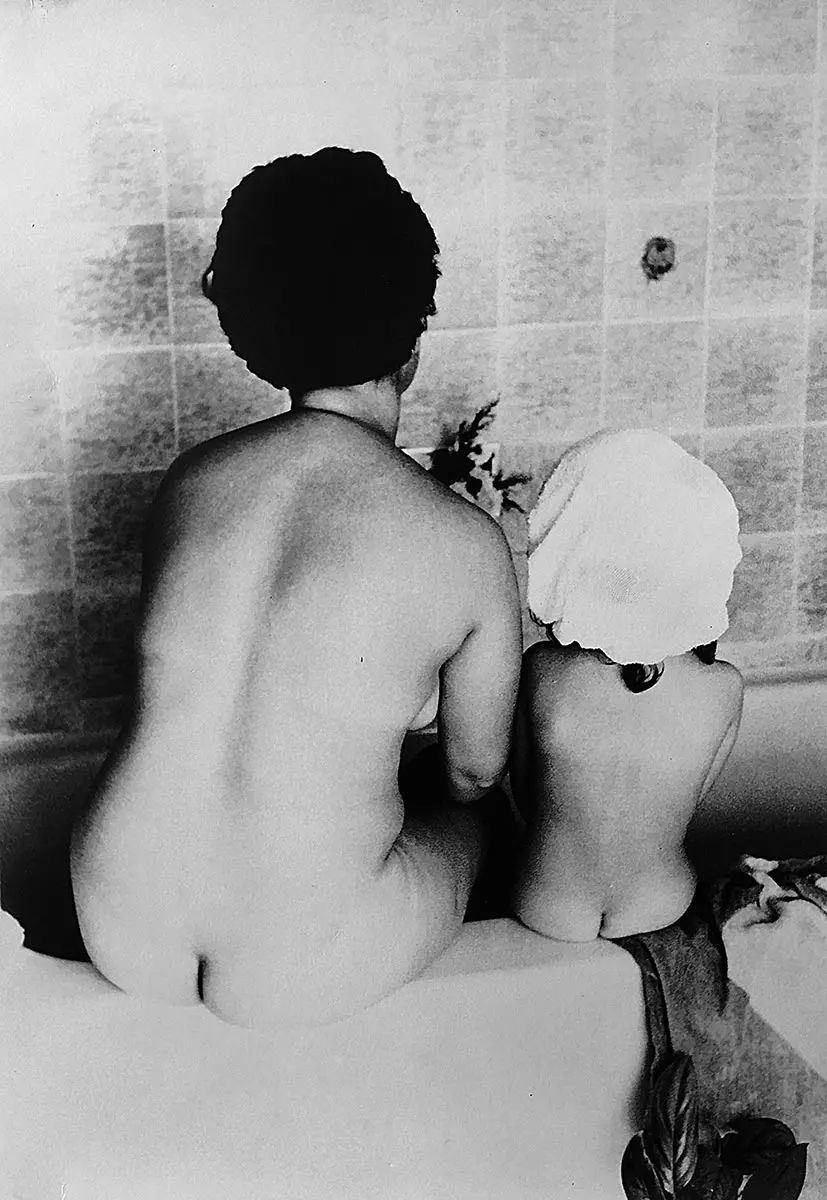
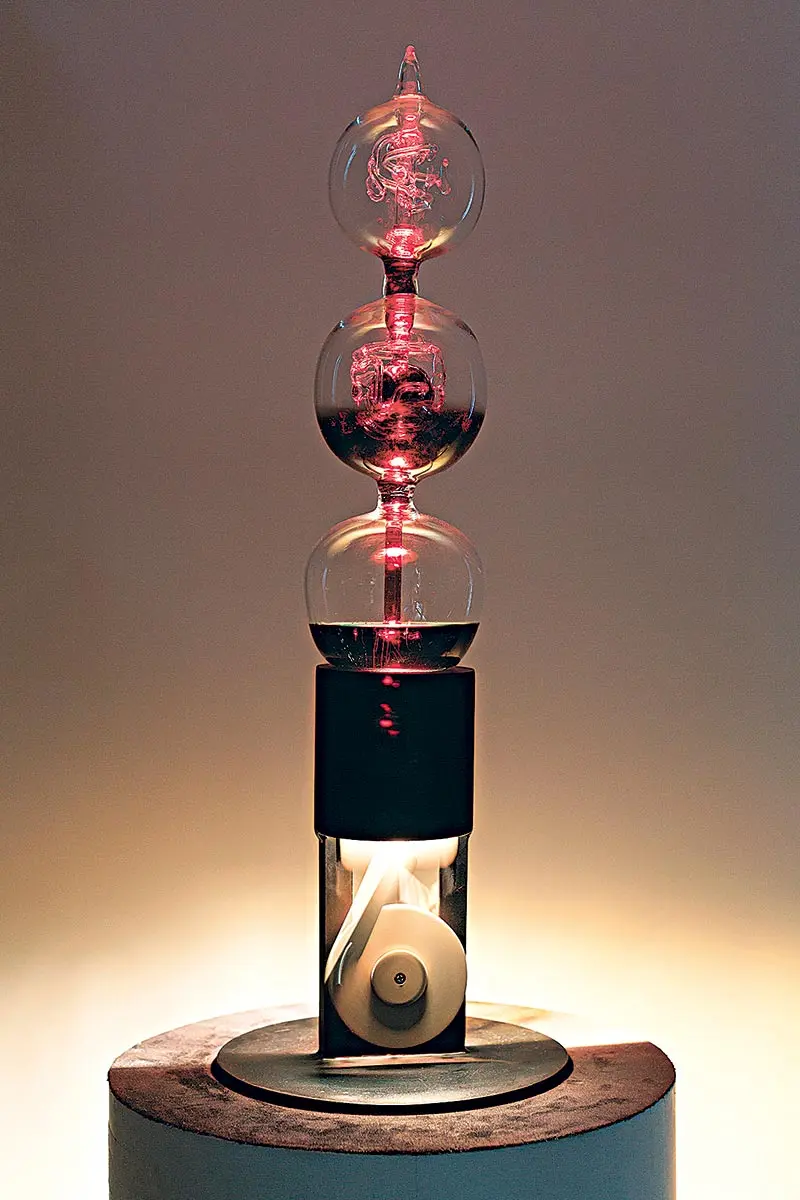
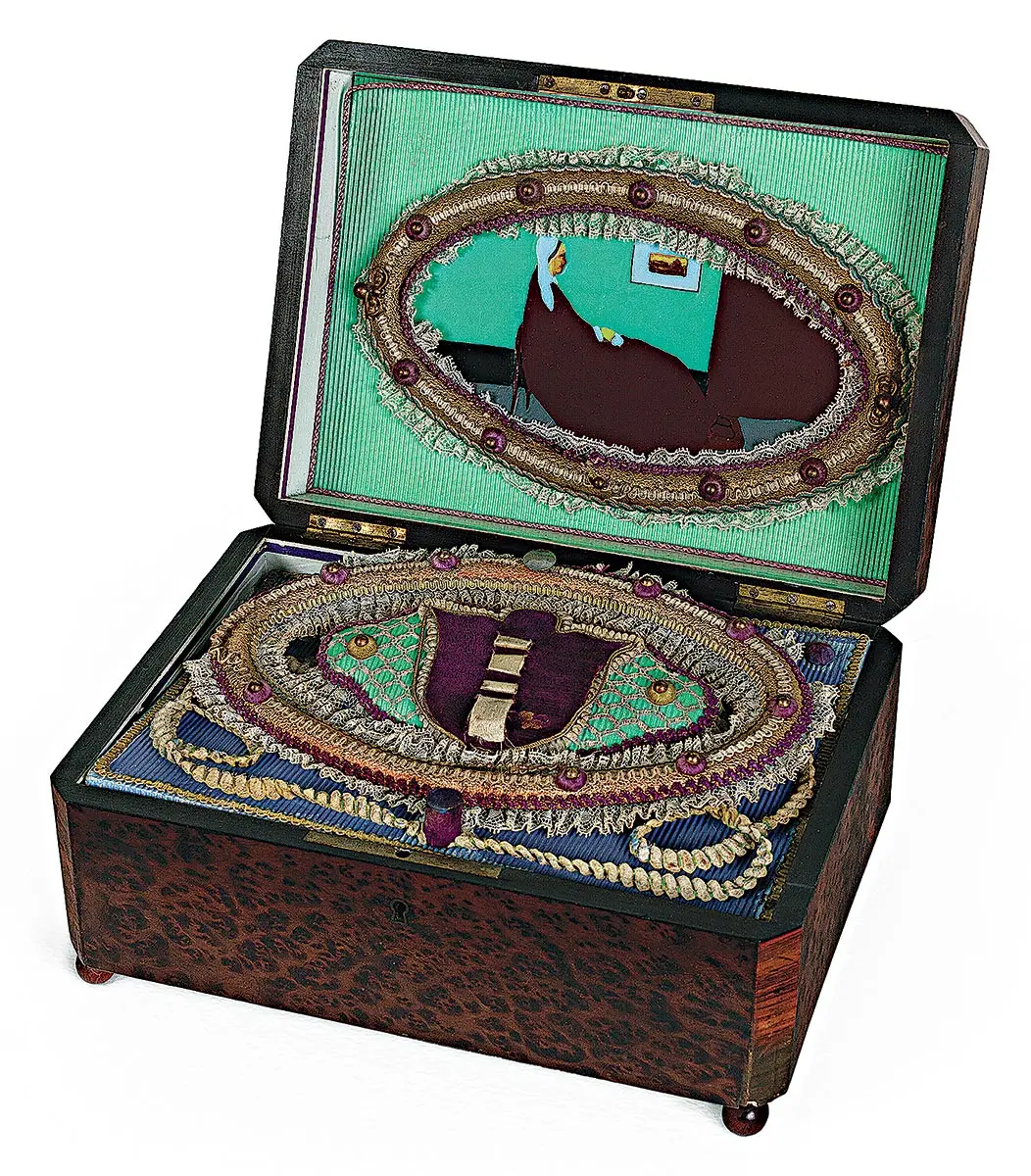
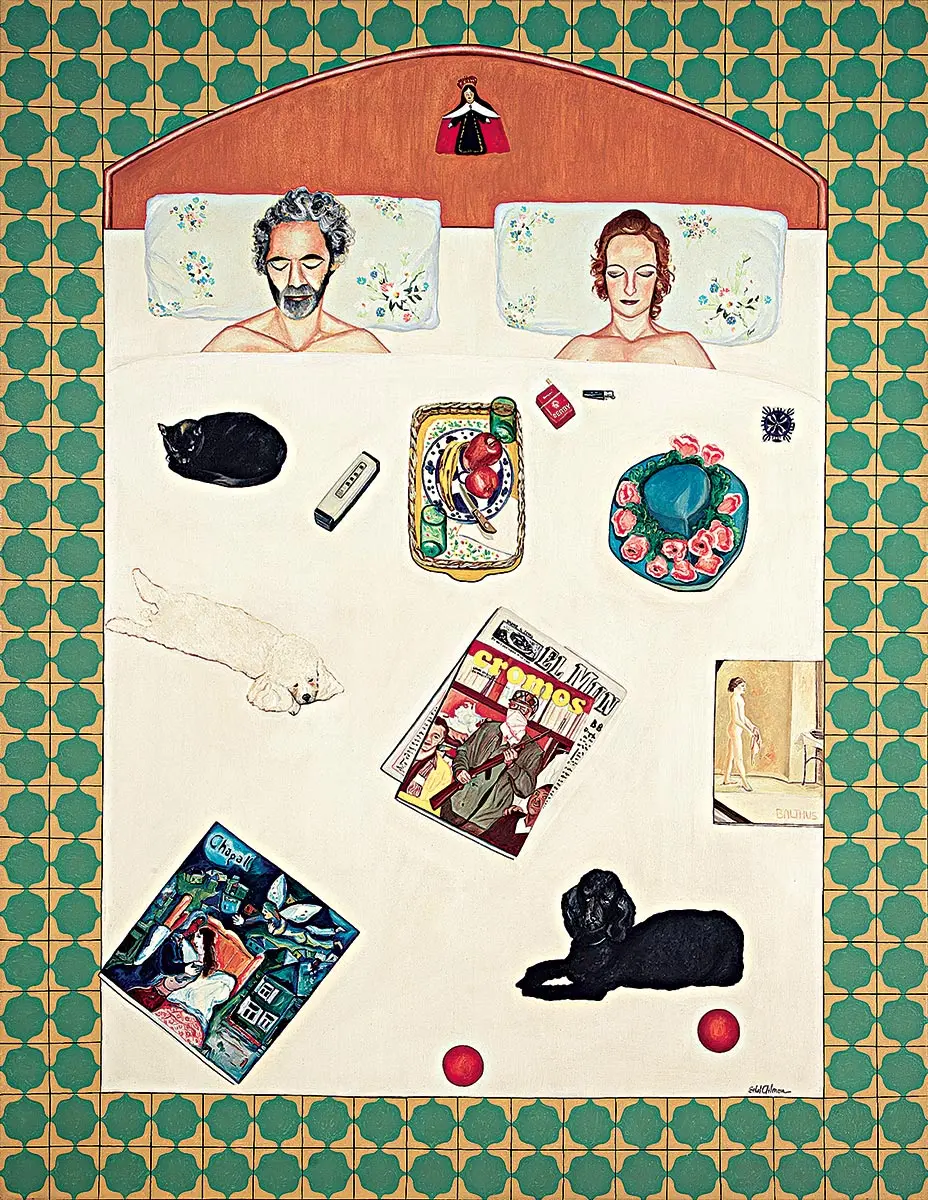
The home, which is the exhibition’s first stage, ceases to be just space to which women must be confined and becomes the realm where intimacy and secrecy are housed. Subtly, women transform such sites into spaces where forces of varied nature are rendered visible. As Heidegger said, space begins to exist when we give the verb to space out (as in to set apart) its due. This is to say, space as such does not exist if we do not grant it the power needed for its existence, and it has been women who have been in charge of that task. One could even say that a house was not space until women gave it the importance it required to become significant. The home ceases to be a space of nullification and begins to establish a dialog with its context. Along those lines, we find works like La costurera (The Seamstress), by Margarita Holguín, and La casa de la 73 (The House at 73), by Teresa Cuervo Borda, coexisting with Clemencia Echeverri’s Casa íntima (Intimate Home) and Ethel Gilmour’s La última carta a Dios (The Last letter to God). All of them accompanied by Beatriz González’s exquisite furniture and jewelry boxes, and by Feliza Bursztyn’s enigmatic beds. In these works, one senses a kind of declaration about the ways in which the home has been transformed as the country went through political, social, and economic changes. Alongside Ida Esbra’s photographs of private spaces in the home, which record all that is inhabitable in them, we encounter a series of two-dimensional compositions of dishware “fragments” created by Beatriz Daza. It is as though both Esbra and Daza were trying to discover an alliance between women and the home, and, in a symbolic way, colonized it with their gaze.
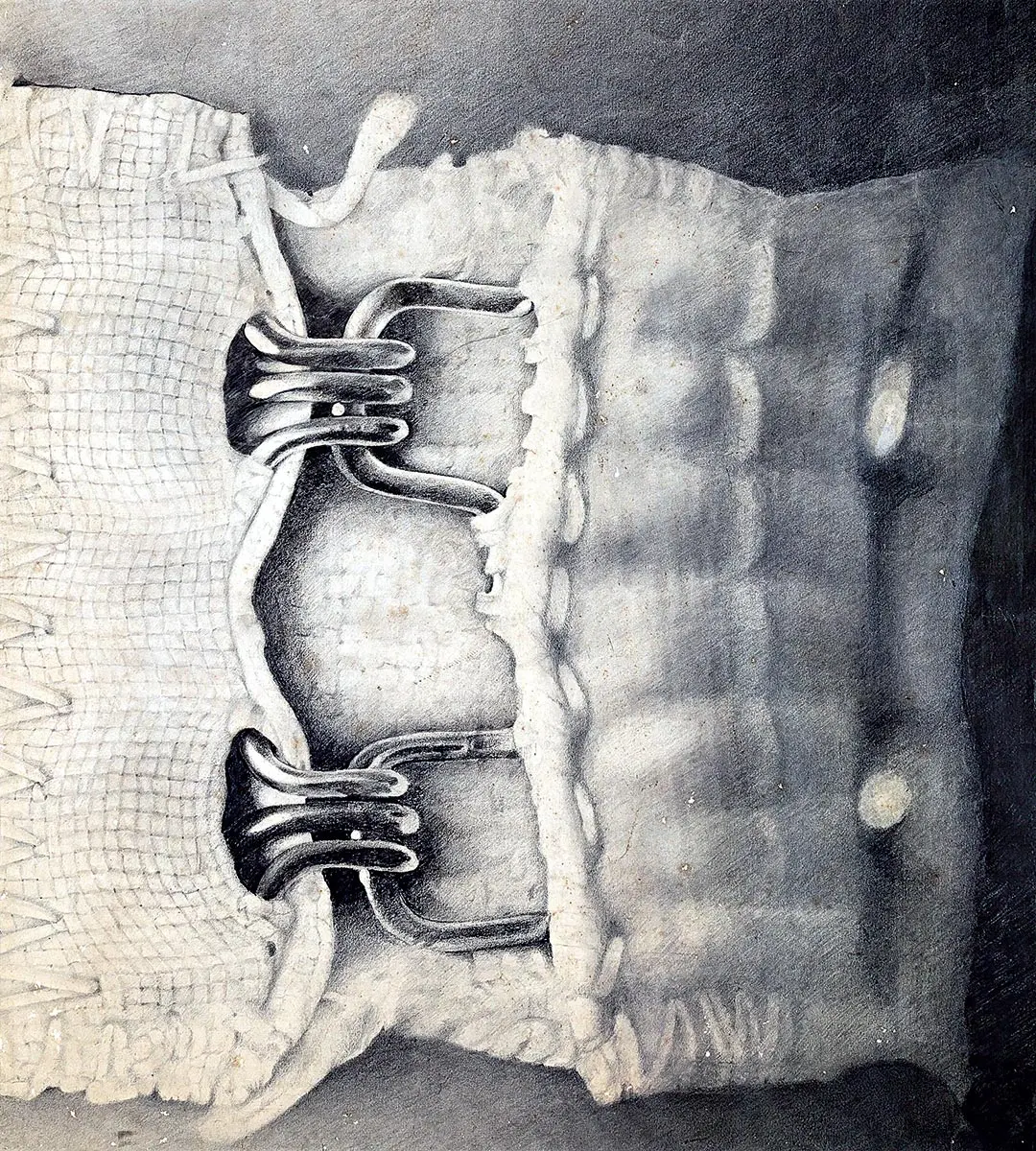
Marta Rodríguez tells us in an interview that the home started to “take over” the curatorship and to establish itself almost as its centerpiece in a natural, casual way, by the force of the encounters between the works rather than as an intentional result of the research. Nevertheless, the randomness of things and the many turns they take when one is more open to chance than to purposeful encounters, had Rodríguez come across the work of Adriana Marmorek, and there emerged one of this exhibition’s important preoccupation, which is a confrontation with desire. Spaces barred from and to sexuality, such as the nunneries featured in Débora Arango’s work, as well as Beatriz Eugenia Díaz’s songs sung by female choirs so as to suggest bodies escaping through a church’s trellises, or Marmorek’s own “constructions” of desire, force us to stop and explore an intimidating intimacy. It is a strange feeling to be the object of another’s gaze as we enter a space we shouldn’t, or when something is brought to light that social norms dictate “should” remain in the dark. There, where the body becomes desire, the exhibition becomes devastating. Thus, the presence right next to this section of a set of diaries—Ana Salas’ video diary and Soledad Acosta de Samper’s physical one—is illuminating. Both make reference to Paris, both were “written” at the start of their authors’ the twenties, but the latter is dated 1853-1855 while the former covers the years 2002-2008. Both speak of love and uncertainty; as Rodríguez notes, although love changes with the times, it continues to be based on the same need to be loved. It is interesting to see how in the example of these two women time becomes one and history is transformed into a line that loops so that we cannot see its beginning or its end. Ultimately, and regardless of whether we use writing, video, photography, or whatever medium we wish, love and desire cannot be measured, much less manipulated. The web that is woven breaks the barrier of time and remains at a point that connects us all.
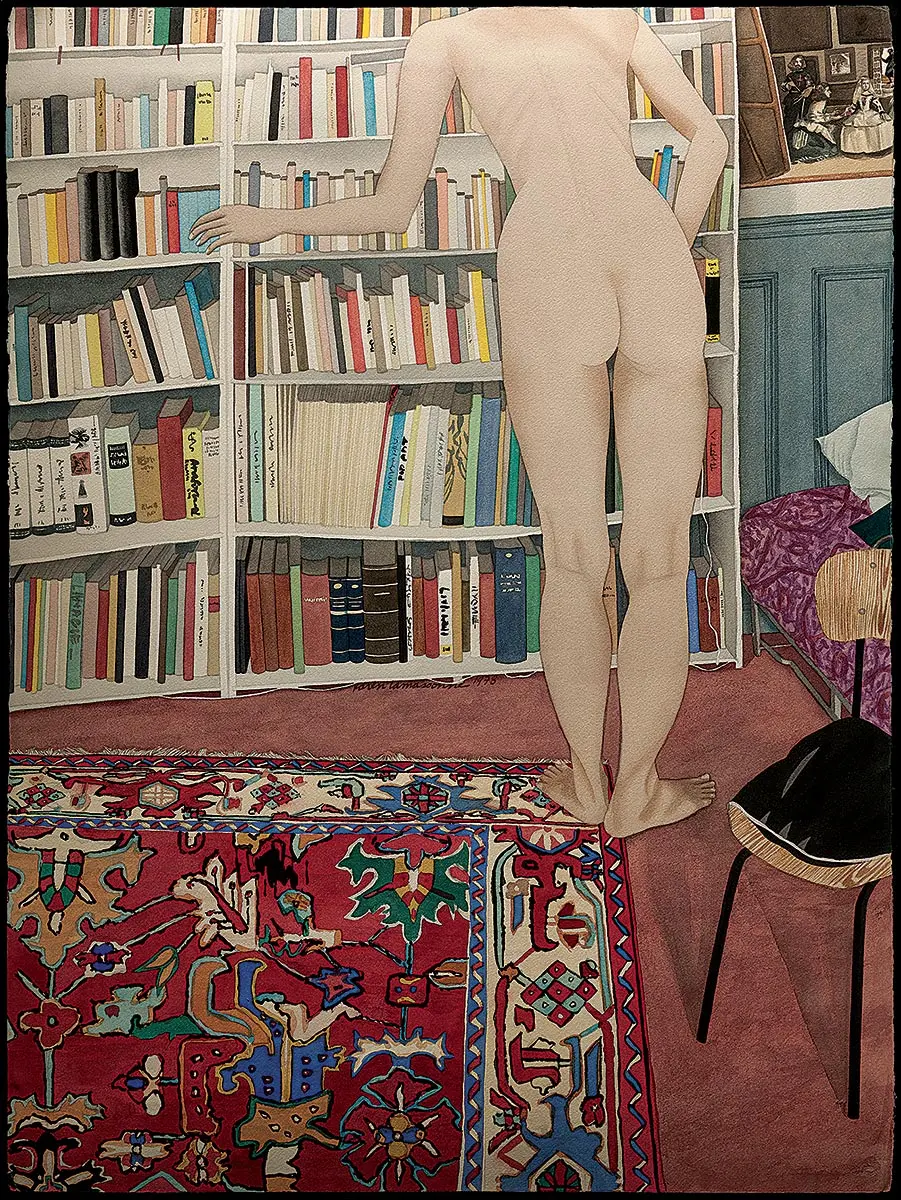
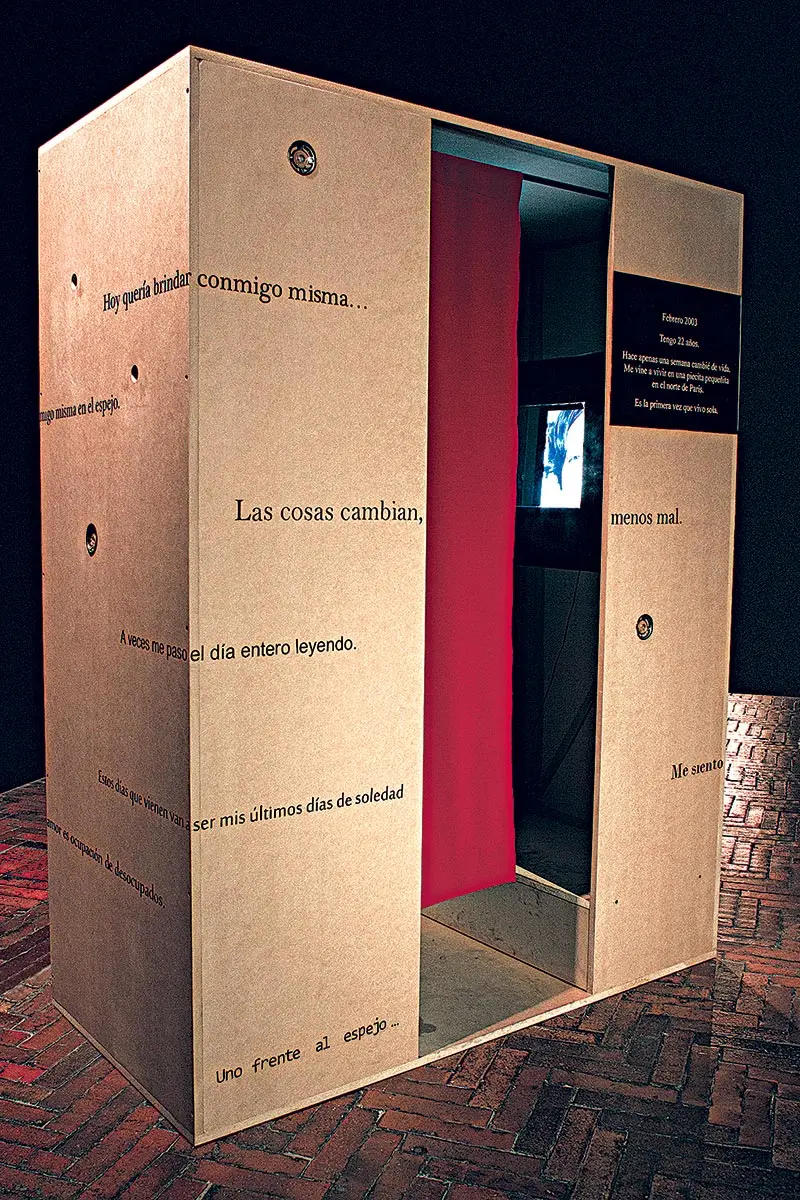
This is why noting the body as an important receptacle within the exhibition is especially relevant. This chapter might be difficult to handle since the body has been determinant in the arts of recent decades and it has been the object of study in fields such as anthropology and sociology, which have focused their research on the new formulations of the body. After May of 68, the women’s liberation movement, the greater visibility and inclusion gained, the efforts to break gender barriers, the body has been the most “affected.” Affected in the sense that it turned against the idea that gender is a symptom, a signal. It is clear that the struggles of women go against such a dictate, and so do Hena Rodríguez’s and Mariana Varela’s drawings. How must a woman behave? What should be her posture and her manner? What kind of a body has been built and modeled for her? All of this was used by these artists, and by Karen Lamassonne in her watercolors, in order to reflect, as though in a mirror, the absurdity of a conservative society’s attempt to impose rules for the construction of a feminine ideal. In their works, as in María Teresa Hincapié’s performance Una cosa es una cosa (One Thing is One Thing), the irony resides in how crudely they show this reality. Its everydayness comes through unfiltered, in bodies presented just as they are, against the grain of the body as it appears in magazines and advertisements. These bodies that go to the bathroom, that have needs, that get tied to their normativity or are “distracted” from it, go beyond nudity. It is possible that the irony in them is based on the cultural clash, on what such “subjection” gradually uncovered, and on the angles that these artists used to stake a territory of their own, like their own bodies. Those everyday experiences are like silent screams against the establishment, via the body.
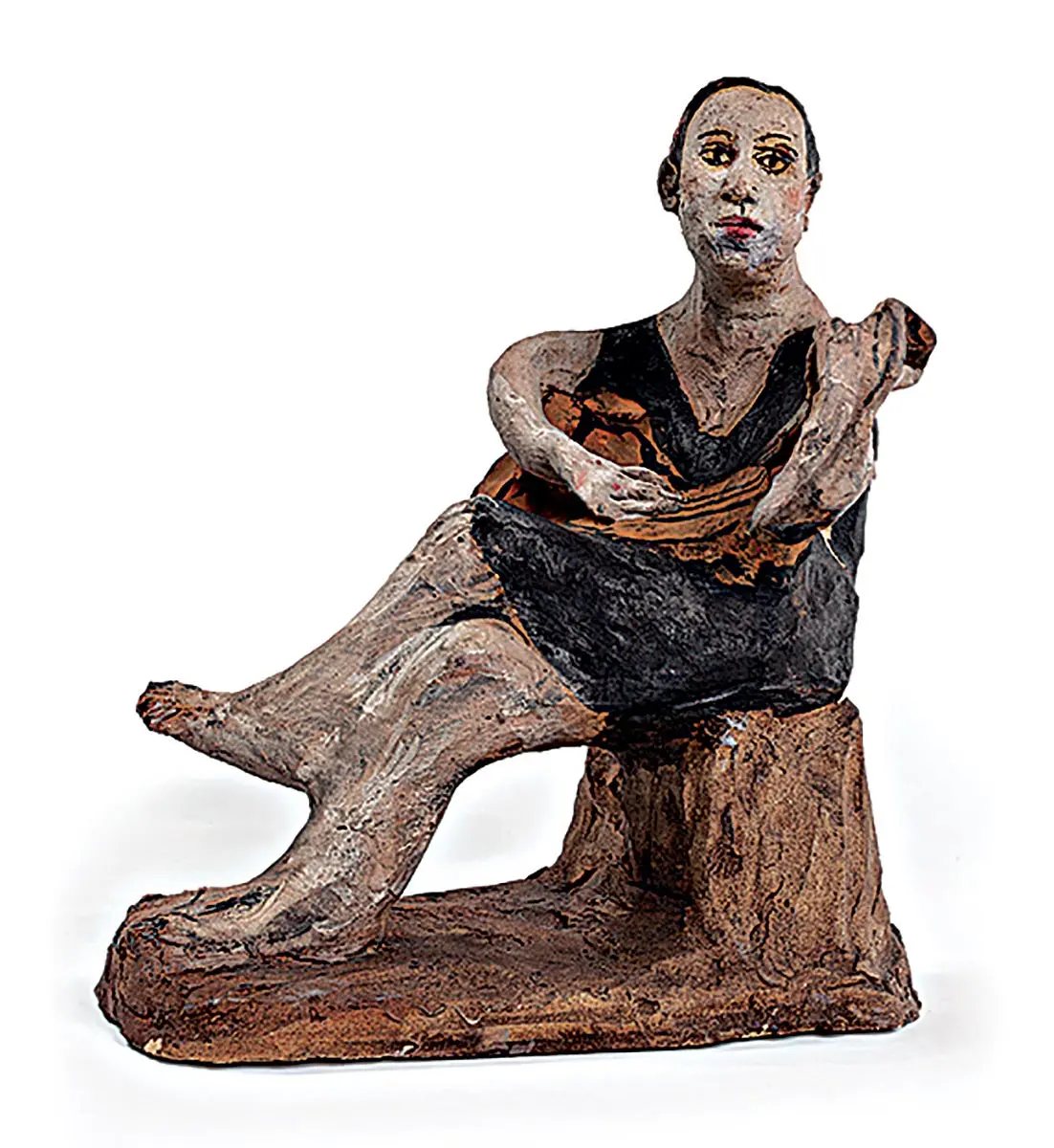
In this way, we arrive at the last section of the exhibition, which, because of its complexity Marta Rodríguez describes as the chapter that contains all the elements noted above. It is "El Silencio" (Silence), the chapter that frames the exhibition as a whole and that emerged not as a pre-established theme to be illustrated but as a result of the research itself, with Freda Sargent’s clay figures. A renowned painter, Sargent showed her clay figures for the first time in 1988 but continued to work on them in private. These are female figures, somewhat rough in their finish, that in almost all cases appear to be waiting for something. They wait, though, inside a home, in the company of their own loneliness. Silence as a reflection has been wonderful because these figures definitely remain within a sphere of the unsayable. If the exhibition was already complete, these simple, subtle figures reveal precisely that: a large-scale installation is not needed, and neither is the euphoria of the media that day after day bombard us with explosions, death, blood, alcohol, and sex; all that is required is the figure of a seated woman, rising 30 centimeters in height, looking beyond what we can see. In silence.
And in this way, our path through the exhibition pushes us gently towards the construction of a new portrait of women. With the support of Carmen María Jaramillo’s investigations of femaleness and the complicity of Daniel Castro in the arrangement of the works in the exhibition space, Marta Rodríguez describes this exhibition as one where “there is a female gaze that is reinforced and seeks to illuminate women.” At the end of our reading both of the show and the catalog that accompanies it, we are confronted with a portrait of women that, using the same codes, is entirely new and for the same reason, deeply destabilizing.
* Courtesy: ©Museo Nacional de Colombia.
ANDRÉS GAITÁN TOBAR