
In an essay for the 1995 book Fotografías (Photographs), Alfredo Boulton says, in reference to his work: “(…) then I also saw things with my own eyes.” What another way would there be to see things but with one’s own eyes? Yet this seemingly self-evident idea reveals something that is inherent to photography: the simultaneous encounter of presences, of the photographer with the object, the landscape, the portrait subject—at the same place and time—which transforms them into traces and takes them out of time to show us that, as Roland Barthes puts it, what is photographed is what has been.
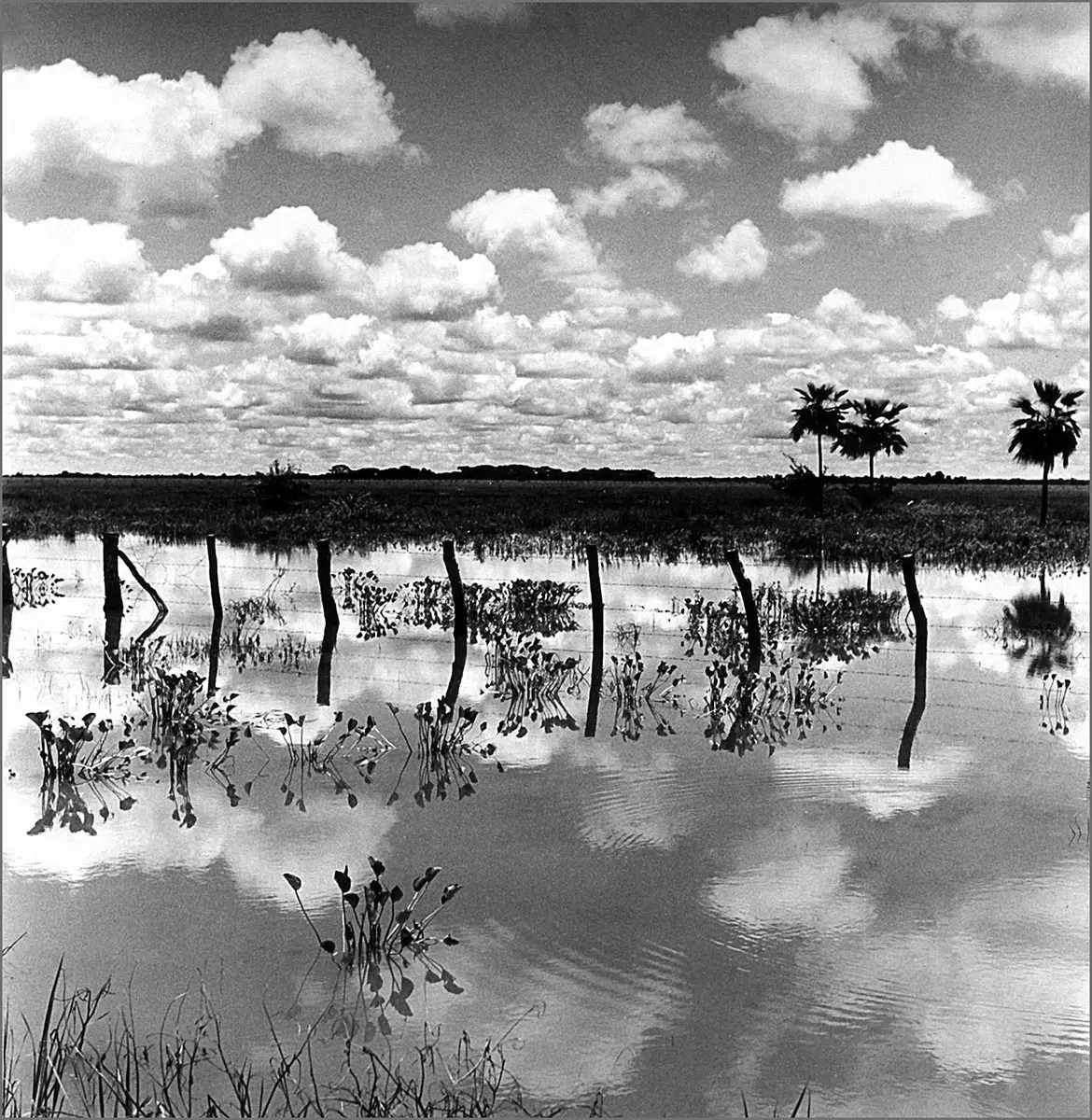
Moreover, Boulton’s statement reveals the importance that being physically there—with the camera as a witness of that presence—has for him as a mechanism for knowing, understanding, or seeing under a new light the faces of strangers and of friends; a way to bring from a distant point in our geography that which was already prefigured as the country’s ideal landscape; as a means to explain, through images, what he explored in words in his critical writings, his historical research, and his publications about art.
Boulton’s earliest contact with photography took place at the age of 12 when his uncle gave him as a present a Vest Pocket, a small pocket folding camera. It was, however, in 1928, when he was 20 and had returned to Venezuela after a stay in Europe—he studied in Great Britain, Switzerland, and France—that Boulton started to explore the possibilities of photography in the form of essays. Approaching objects and the city of Caracas as someone seeking to salvage those details that go unnoticed by others: “Searching for beauty in the humblest places was a revolutionary attitude. A branch or a leaf became an entire visual document.” 1
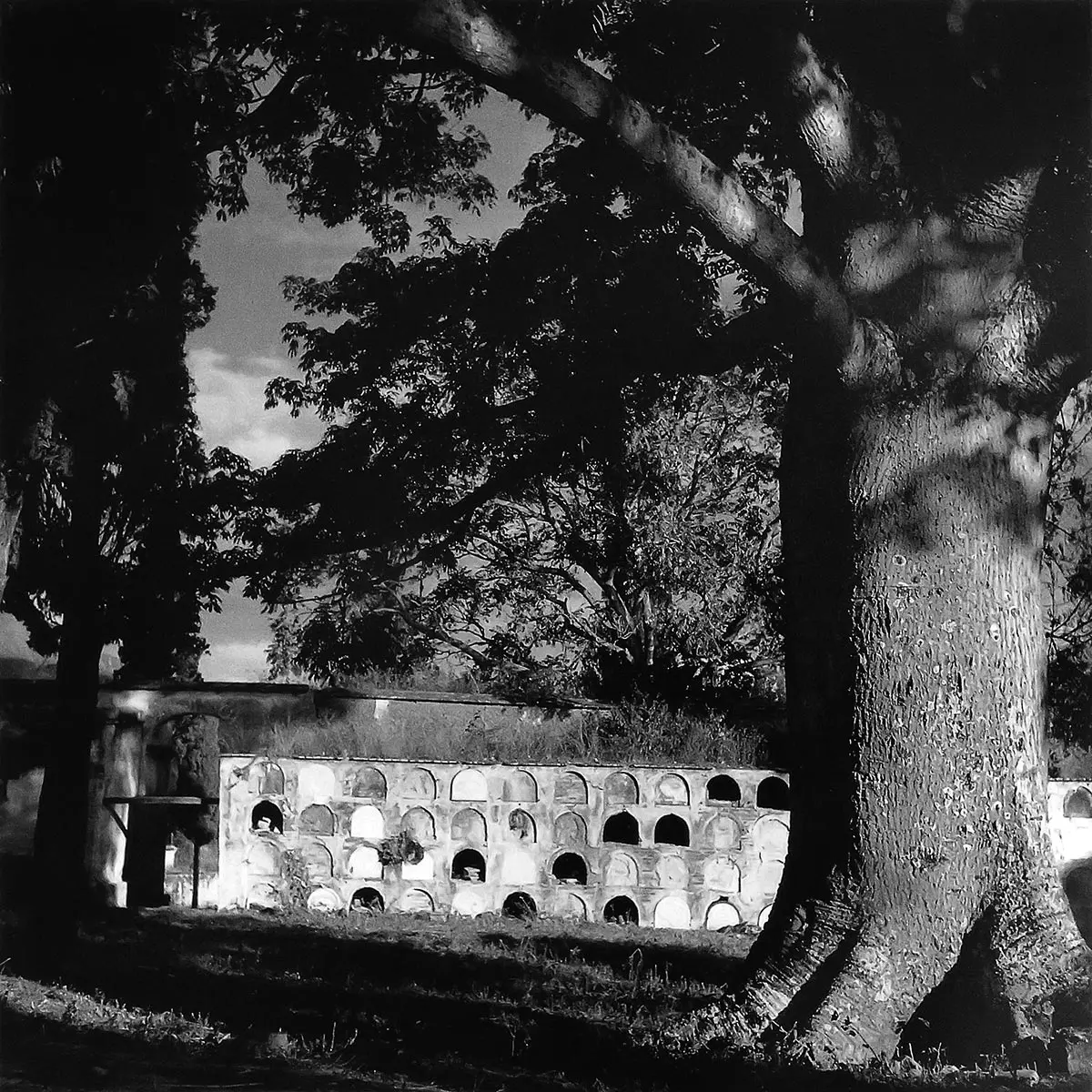
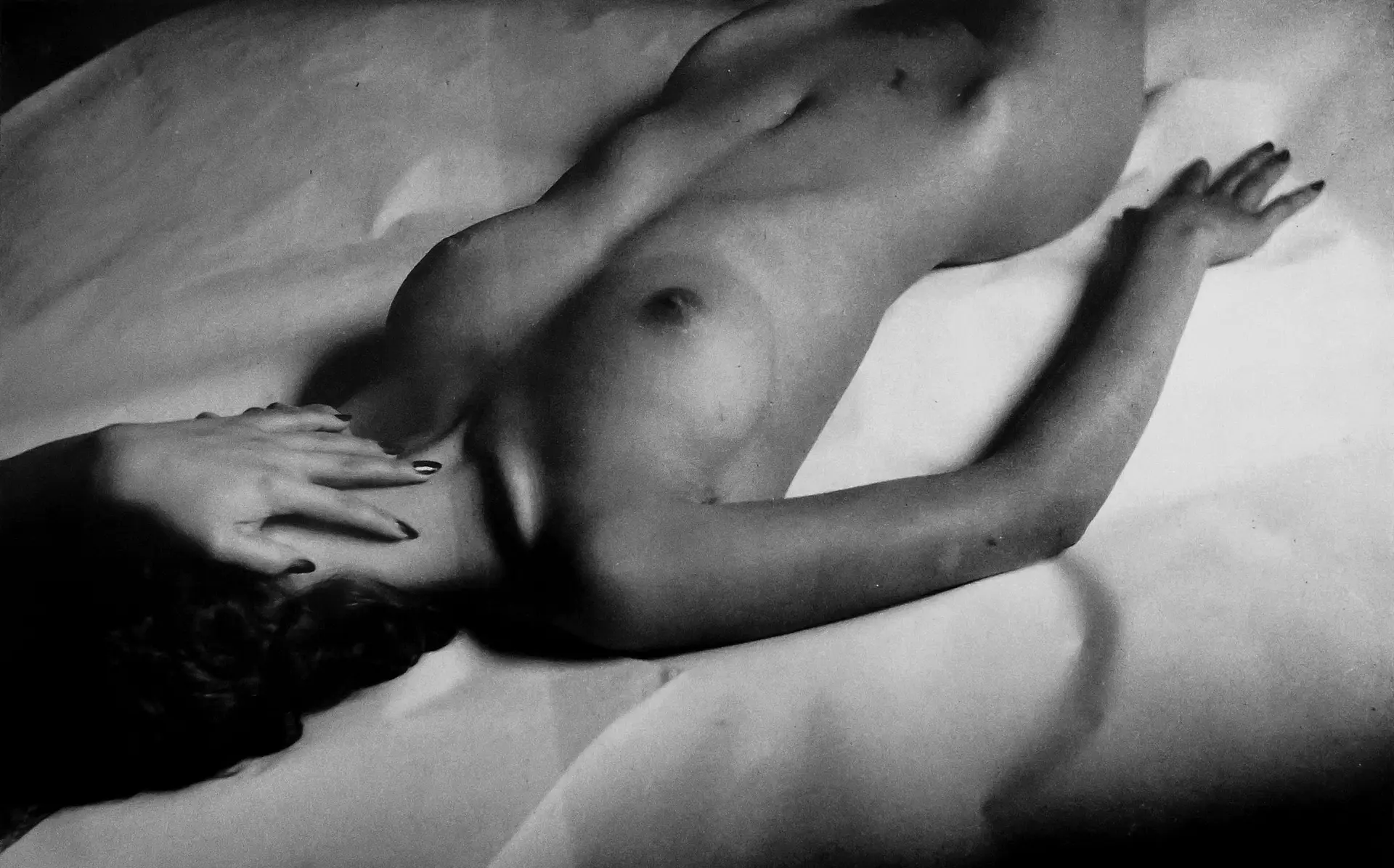
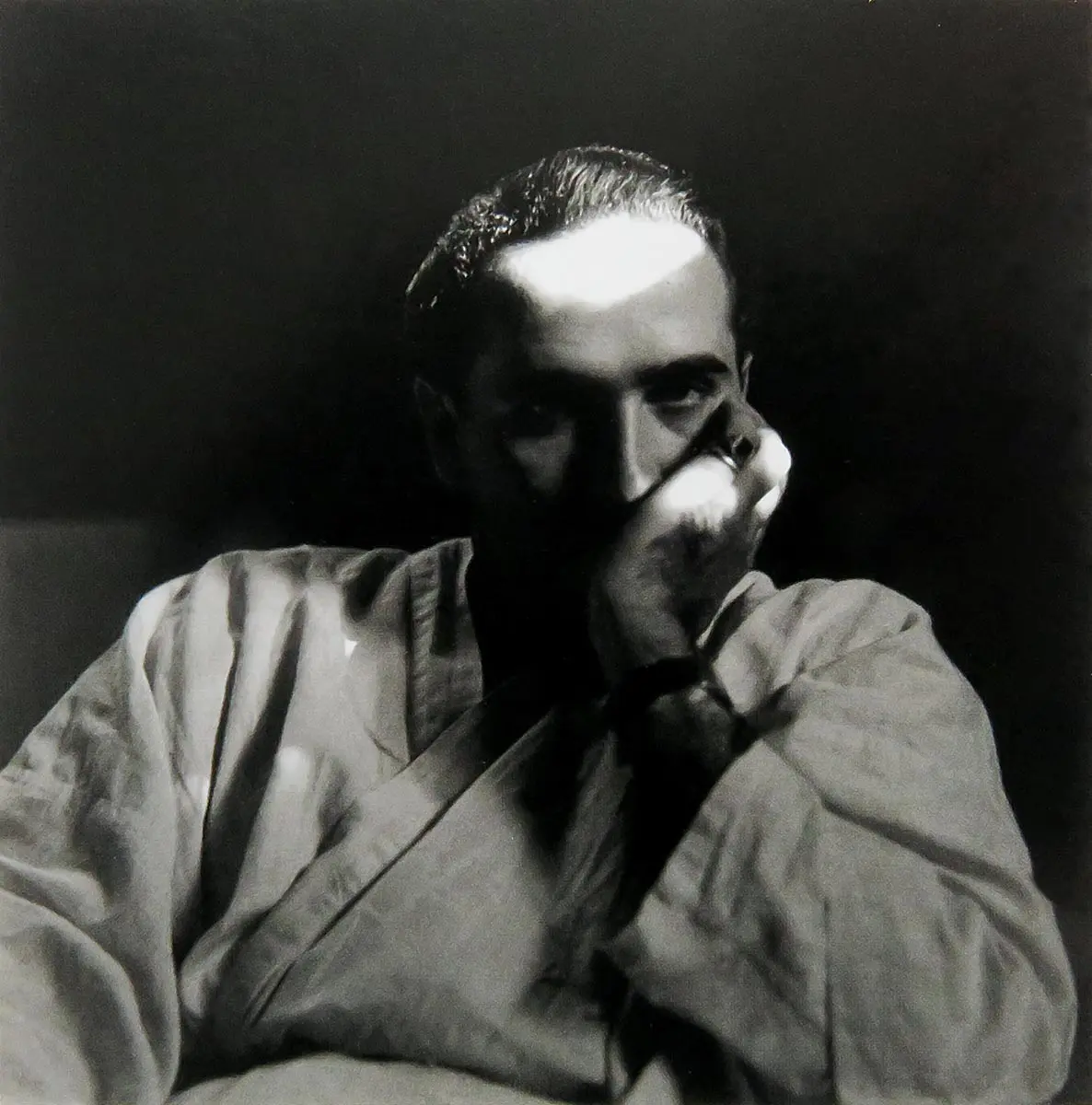
Already in those essays—perhaps influenced by Man Ray’s and his contemporaries’ images, which Boulton saw in Paris—as well as in the projects and books he would develop later—where at different points we can identify the modernist stamp of Alfred Stieglitz, Edward Weston, and even Walker Evans and his approach to human subjects in connection to the social environment—the fundamental axis of his photographs is the “beautiful image”: care for form and composition, for the quality of light and contrast, for the use of square formats and black-and-white photography, all with aesthetic intent, with an understanding of photography as art.
Seeing Bolton’s work, then, we notice that photography has served the function of speech, developing a discourse in which, in several ways, the fundamental interest lies in an approach to understanding the richness and complexity of Venezuela through the image and to speak of its image. Perhaps photography also served him, as some critics, like Ariel Jiménez, have noted, to build that image—or, rather, one image, that of the country, that began to be generated in the 1930s in many fine arts and humanities fields.
The construction of identity with modern elements
It is not by chance that Alfredo Boulton began his national photographic project in the late 1930s, after the death of dictator Juan Vicente Gómez in 1935. Boulton focused then on the local landscape, creating photographs that later became the basis for his ambitious national project. He captured the image of the Venezuelan landscape from the Andes and the Central Plains through Margarita Island, in a process that reenacts and accompanies novelist Rómulo Gallego’s effort to describe Venezuela’s national life in its beauty and its most characteristic conflicts.2
This path of producing iconography in order to talk about the country touches on many aspects of his life, which are transformed—and who could deny that such is the case in any artist’s process—as his vision changes and evolves.
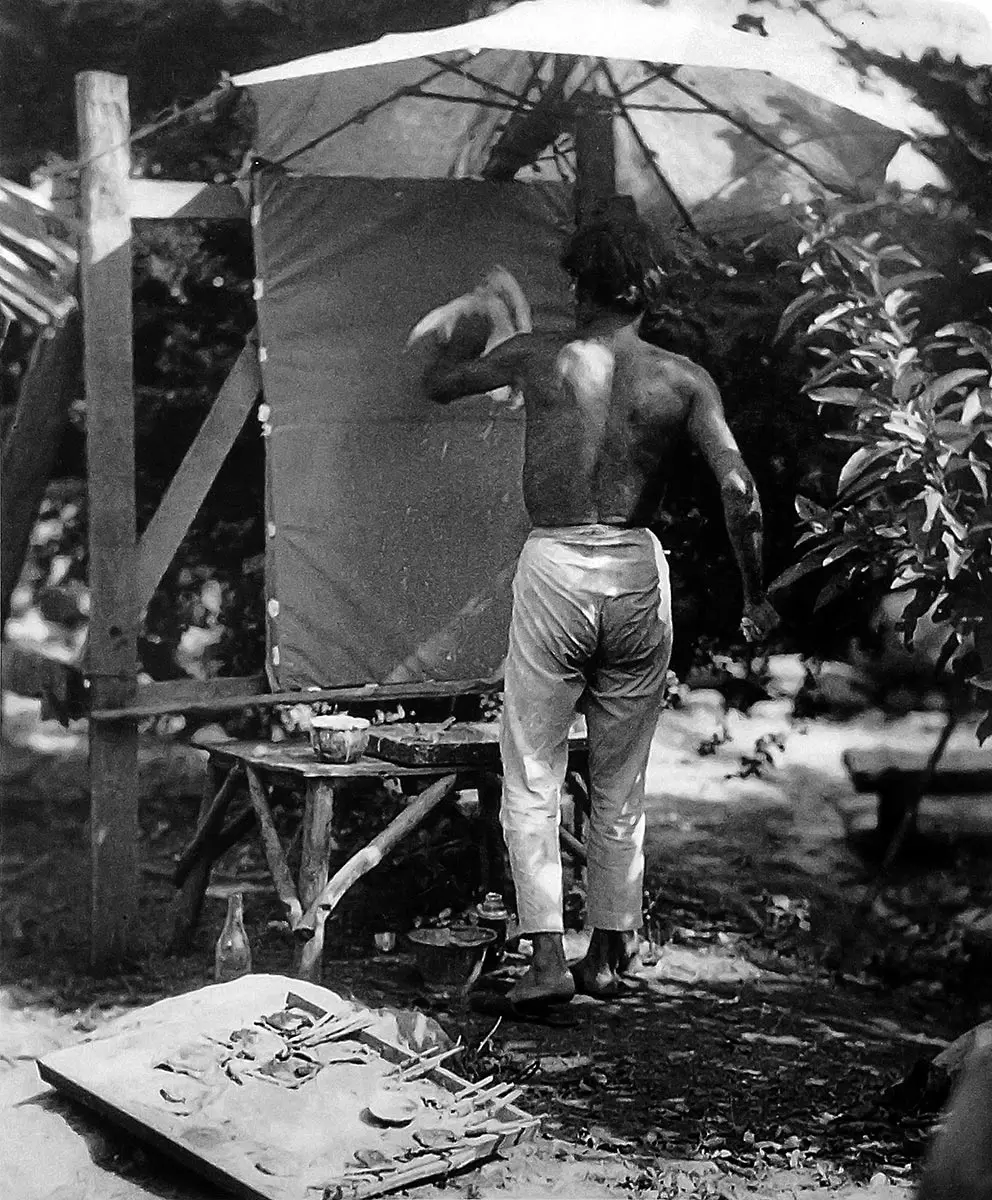
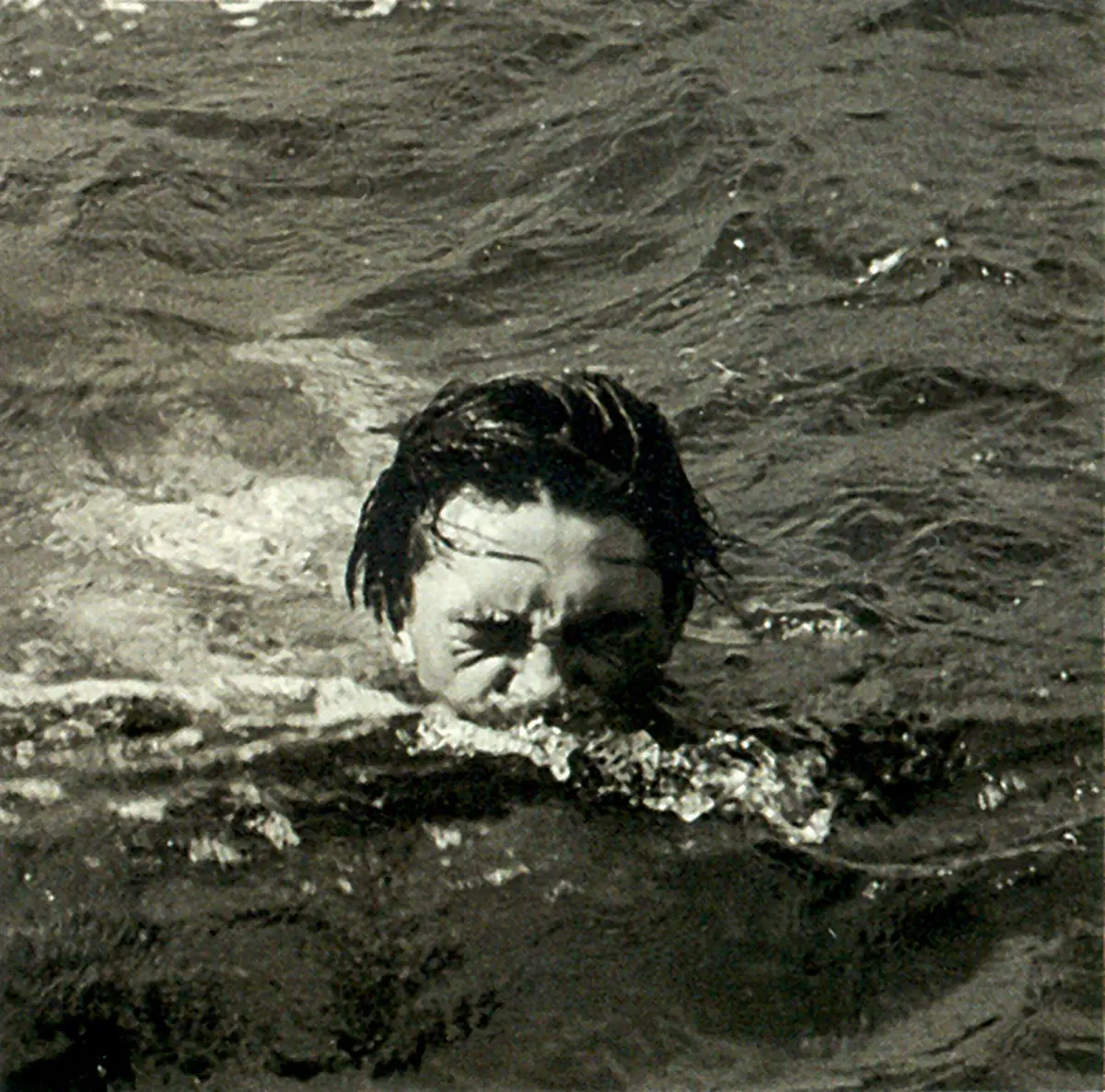
Starting in 1928, Boulton produced a number of portraits of artists he considered of particular relevance in the Venezuelan scene and whom he would support throughout their careers. Among them were Francisco Narváez, Alejandro Otero, and Armando Reverón; Boulton became an important student and analyst of Reverón’s work, and in 1934 he shot an iconic photographic sequence of him while he was making a portrait of Luisa Phelps. Here we see inklings of the relationship he was to develop later with photography, no longer in authorial terms but hand in hand with a historical narrative.
Although revisited after the passage of time, some of Boulton’s readings of Reverón’s work can now seem limited, those sequential images start from an understanding of motion and “rituality” as essential aspects of the creative act in their approach to the pictorial event as expressed by the Macuto master.
These photographs also reveal the fundamental importance that these registers were to have in the articulation of Boulton’s critical apparatus and the way in which he was able to approach, build and enrich his investigations using the photographic image as his platform. They are not, however, mere documents devoid of formal intent or aesthetic purpose; as we have mentioned, good form is a constant in Boulton’s photographic work.
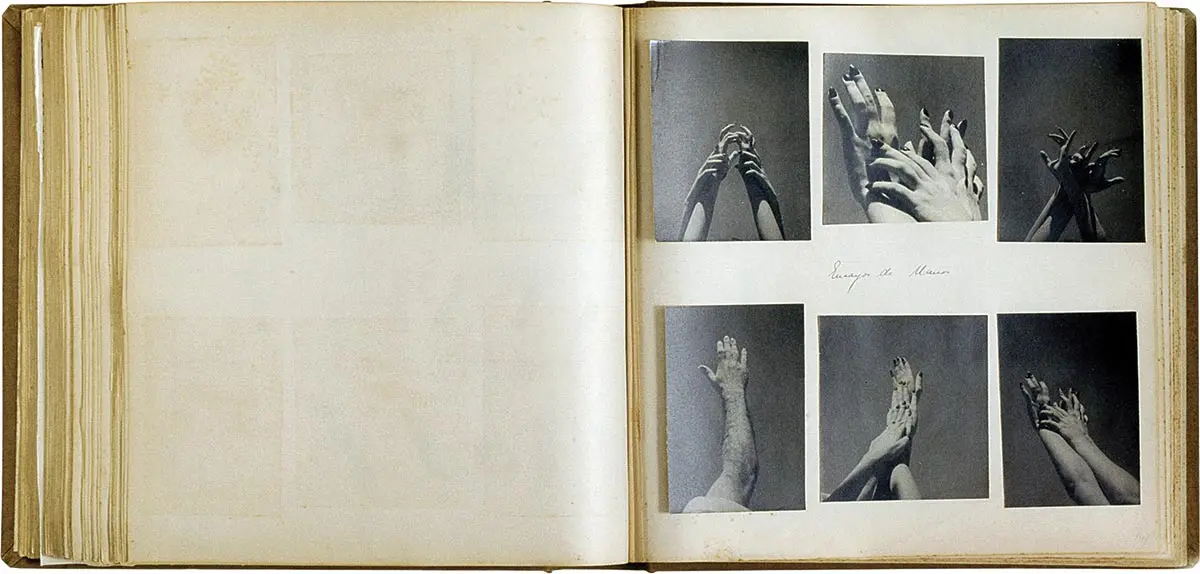
Starting in 1937, the year of his marriage to Yolanda Delgado and his move to Maracaibo to take the helm of Boulton Enterprises, the artist traveled through and explored Venezuela, and his journeys prompted him to develop series devoted to various regions of the country: the Andes, the Plains, and Margarita Island. He also explored nudes as a theme. Yolanda was his ally, model, and travel partner, and she helped him give structure to his albums, material that, in the manner of contact sheets, allowed Boulton to visualize the images he produced.
Boulton and Yolanda filled the albums together, gluing the photographs and writing notes (they are in both their handwriting). As he created and prepared his work for a publication or an exhibition, Boulton reviewed the albums, marking an image or writing down its date, selecting another image for an enlargement.3
The importance of seeing things with his own eyes and being there also connects with the idea of bringing back from those locations—little known and largely unexplored at the time—that which he saw, in a spirit that was closer to the notes, sketches, and drawings made by European artist-travelers in our region—in their journeys to unknown America—than to the Nineteenth Century’s photographic Grand Tours: in Boulton’s photography there is no mythology to return to, no past looked upon from a Romantic conscience, but the intuition of a history yet to be built.
These investigations of Venezuelan landscape alternate regularly with images of foreign landscapes from 1937 through the late 1950s. Particularly significant are two books in which Boulton compiled his travels: Imágenes del Occidente venezolano (Images of Western Venezuela, 1940), with essays by his cousin Arturo Uslar Pietri—considered Venezuela’s first photobook—and La Margarita (Margarita Island, 1952), which already focused on the local fishermen and water women, portraying and identifying them by name: Pablo Emilio Jiménez, Goyita Maneiro, Jesús Velásquez.
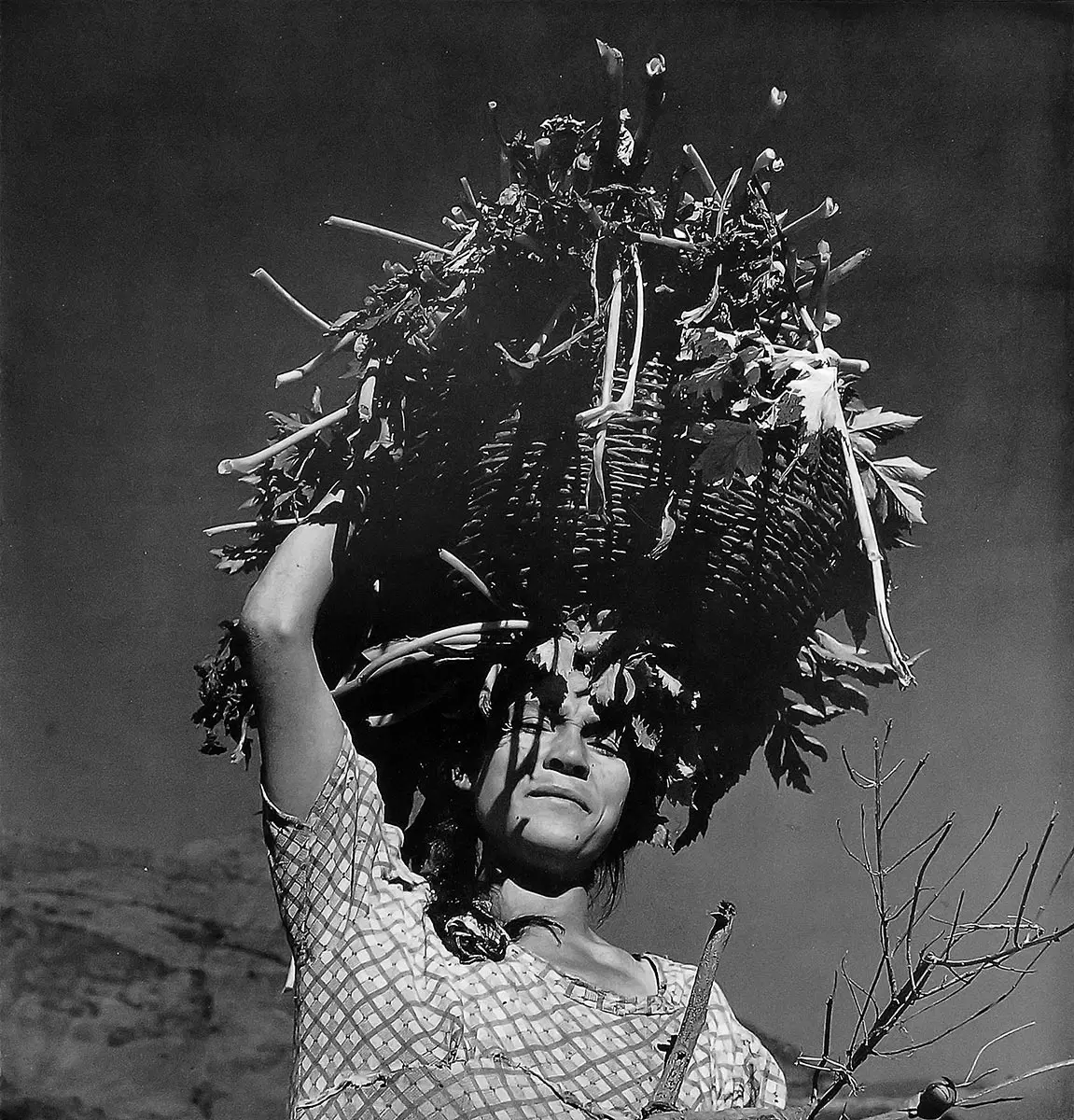
“In 1940 I published my first book of photographs. Later, landscapes opened to the immeasurable in the vastness of the Plains region, and Yolanda and I traveled beyond Cajón del Arauca, beyond Caujaral de Cunaviche. I completed that photographic trilogy in the extraordinary purity of the light in Margarita, when it was still possible to hear Agapito’s high-pitched, happy voice as he sang to the surf, the fish, and the spirits.”4
Besides being considered the first photographer to publish a photo book in Venezuela—and the first critic to compile its art history—Boulton was, at the age of 30, the first to have a solo exhibit in a Venezuelan museum: 35 Fotografías de Alfredo Boulton (35 Photographs by Alfredo Boulton), featuring the work he had completed up to that year, 1938.
In 1946 Boulton also became one of the two Latin American photographers—along with Mexico’s Antonio Reynoso—invited to participate in New Photographers, an exhibition at the Museum of Modern Art in New York, which also featured the work of then relatively obscure artists who went on to become important names in the history of photography: Aaron Siskind, György Kepes, Harry Callahan.
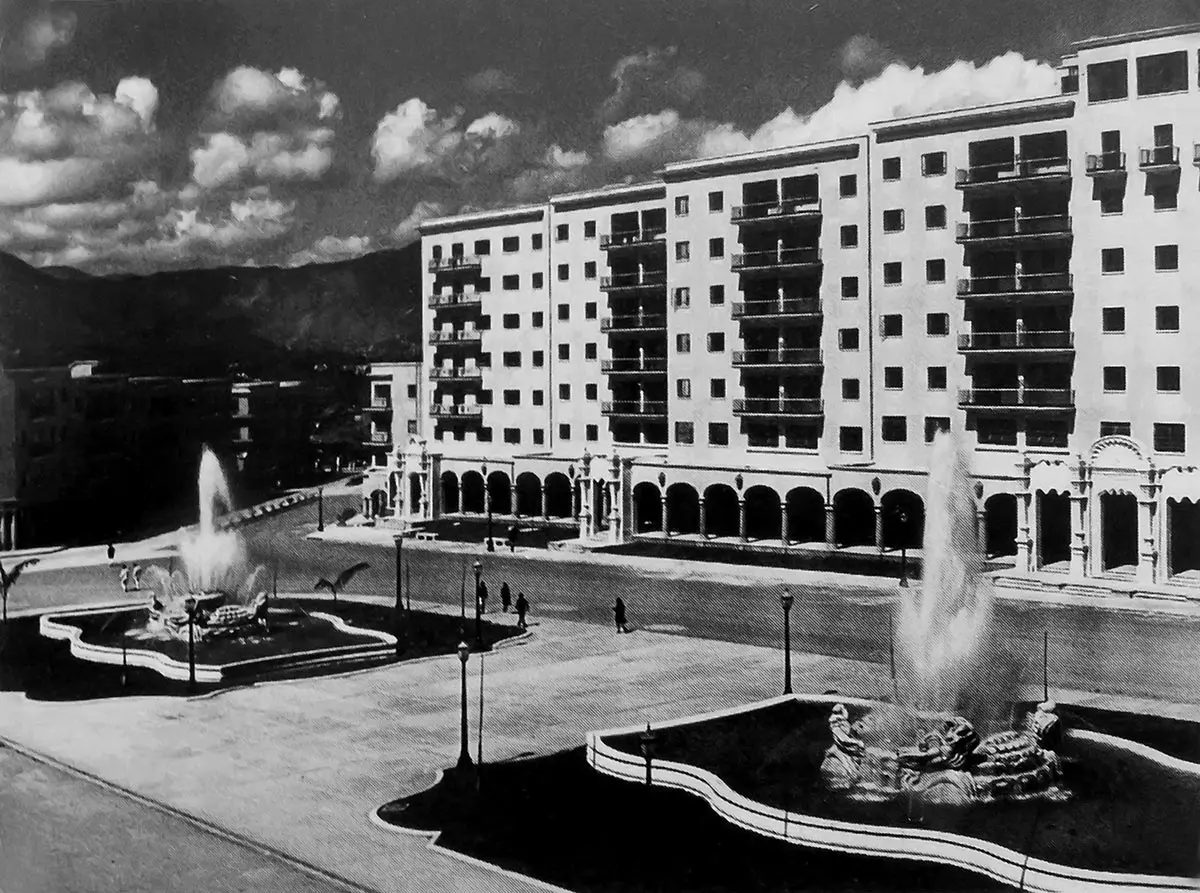
In parallel to his series about landscapes, nudes, and portraits—a standout among which is his series of thirty portraits of personalities opposed to the 1948 coup against Isaías Medina Angarita—Boulton collaborated with Carlos Raúl Villanueva on a variety of projects. The most emblematic of these are his photographs of the Las Toninas fountains, a public-art project by Francisco Narváez for the redevelopment of El Silencio pushed forward by Villanueva already in 1943.
Those photographs, like so many others by Boulton—and also his critical essays and books—became an iconic part of Caracas’ and Venezuela’s imagination, its modern dream. One example of this is Venezuelan artist Alexander Apóstol’s intervention in his 2003 series Fountainebleau, which interrogates the notion of modernity through his modification of Boulton’s original images of Narváez’s fountains.
As Bolton continued to delve into his historical and iconographic studies of the country, the time he devoted to auteur photography was reduced in favor of—in the late 1950s—photographs made to accompany his texts and publications, which nevertheless allowed him to continue approaching, studying, and understanding humanity and its artistic sensibility.
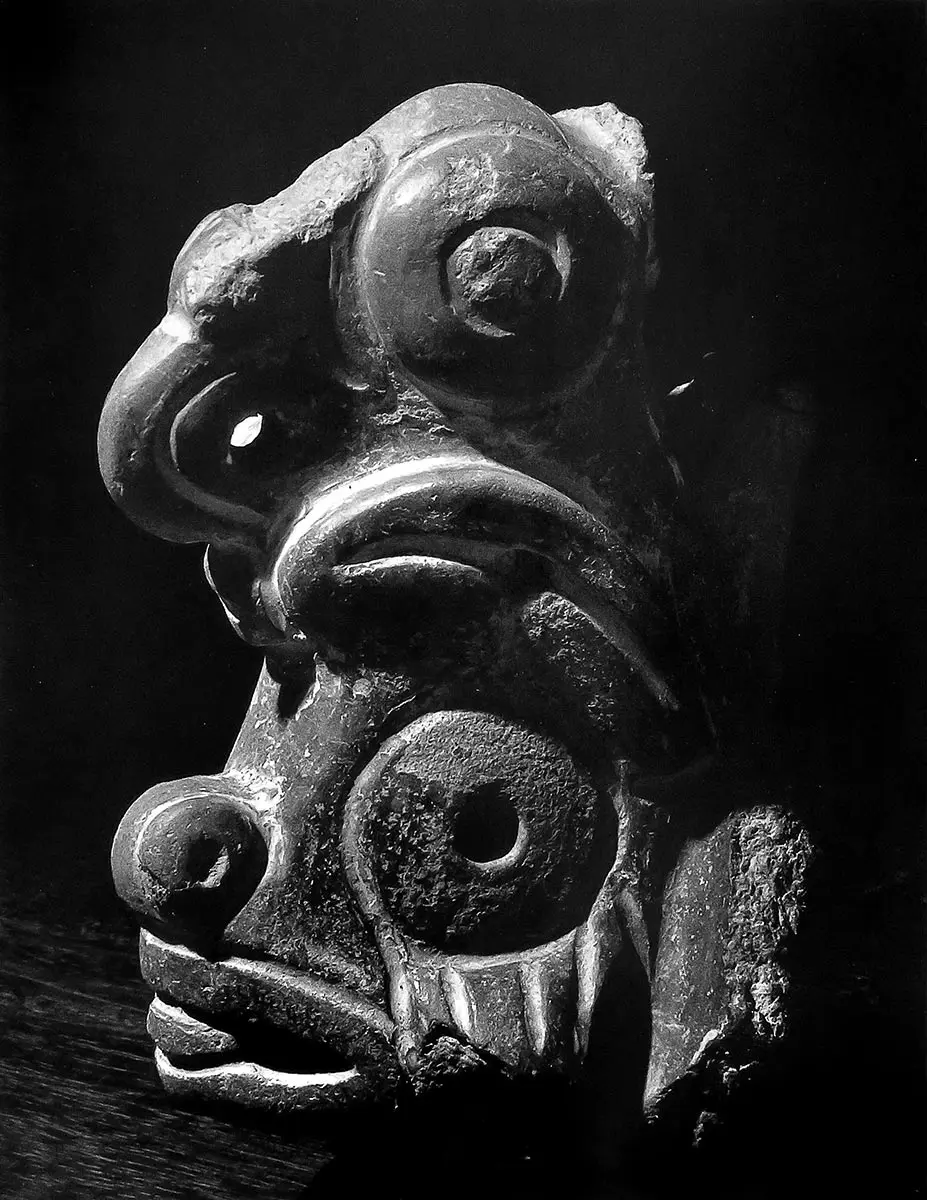
An example of this is his work about indigenous pottery traditions, published in 1978, the years after he shot the first photographs on the subject, with the title of El arte en la cerámica aborigen de Venezuela (The Art of Venezuela’s Indigenous Pottery). These are not, however, the catalog-ready images, pristine and entirely devoid of character, most would have expected; as in all of his work, the photographer’s unique gaze is in evidence here through his play with light and contrasts, and he participates actively in the here and now of that which is photographed, in Boulton’s own words, in order to underscore the sensation of beauty that is present therein.
Towards the end of the 1980s and in the early 1990s, several retrospective exhibitions were organized in tribute to Boulton’s oeuvre in Caracas: at the Museo de Arte Contemporáneo in 1987, at Universidad Metropolitana in 1989, at Sala Mendoza in 1992 (a year after Boulton received the National Photography Award.)
Boulton’s tireless efforts in visual investigation bore final fruit the same year of his death, 1995, with the publication of Fotografías.
One quote by Boulton documented in the catalog for the Museo de Arte Contemporáneo exhibition synthesizes his trajectory, the compendium of his quest after knowledge and understanding of Venezuela that were his photographs: “Among many other things, the photographic image is also the testimony of an era. It is a potential relationship with the era’s historical meaning. Through it, I intend to render visible one moment in Venezuelan time, in the life of our nation—an expression of its content and the aesthetic concept of its representation.”
NOTES
1. Alfredo Boulton, in Fotografías de Alfredo Boulton. 1928-1992, Sala Mendoza, Caracas, 1992.
2. Ariel Jiménez, “Figuring Venezuela, 1912-1949”, in Alfredo Boulton and his contemporaries, 1912-1974, The Museum of Modern Art, New York, and Fundación Cisneros, New York, 2008, p. 82.
3. Sofía Vollmer de Maduro, “Una nota sobre los álbumes,” in Boulton moderno. 1928/1944, Alberto Vollmer Foundation and Toluca Éditions + Editorial RM, Mexico, 2014, p. 145.
4. Alfredo Boulton, in the presentation of the catalog Fotografías de Alfredo Boulton 1928-1992, Sala Mendoza, Caracas, 1992.
* Courtesy: © Alberto Vollmer Foundation Inc., Caracas.
COSTANZA DE ROGATIS
Photographer and curator.