
Adiós Utopia is the most important Cuban art exhibition with an emphasis on contemporary art that has been presented in the United States. The main objective of this project is to show how the revolutionary aspirations for the social utopia and the questions that arose later have defined the aesthetic proposals of a great number of artists formed on the island during the last 65 years.
As Ella Cisneros explains in the presentation of the book that accompanies the exhibition, the idea of making it arose from a comment made by Yoan Capote during a conversation that took place at the Galería Habana in 2002: “One day I was giving a brief talk about CIFO, the foundation of which I have been president since 2002, to artists in the Galería Habana when Yoan Capote (a Cuban artist) raised his hand and told me that Cuban artists needed an exhibition that would show an international audience, especially an American audience, the work they had created over the last few decades. He said that such an exhibition would provide Cuban artists the attention that they deserved in the international art scene. I told him I understood what he was proposing and that I would think about it.”1
From that moment on, Cisneros began to develop a research project focusing on contemporary Cuban art from the CIFO platform (Cisneros Fontanals Art Foundation). Led by independent curators Gerardo Mosquera, René Francisco Rodríguez, and Elsa Vega, who selected the artists and the works corresponding to specific historical periods, the project also received the support of Mari Carmen Ramírez, Wortham Curator of Latin American Art at the Museum of Fine Arts of Houston (MFAH), and Olga Viso, executive director of the Walker Art Center in Minneapolis. This distinguished team worked for several years on this ambitious exhibition that displays approximately 100 works that represent the history of Cuban art of the last six decades.
The exhibition has as its main thread the theme of utopia. According to Gerardo Mosquera, “because of the character of the Cuban revolution, the question of utopia has been of great importance in art, whether as a result of utopian ideals or as a reaction to the failure of these. It is the fundamental axis of a considerable portion of the artistic production during the revolutionary stage. Hence, although Adiós Utopia is a thematic show, it offers a vision of Cuban art from the period it covers.”2
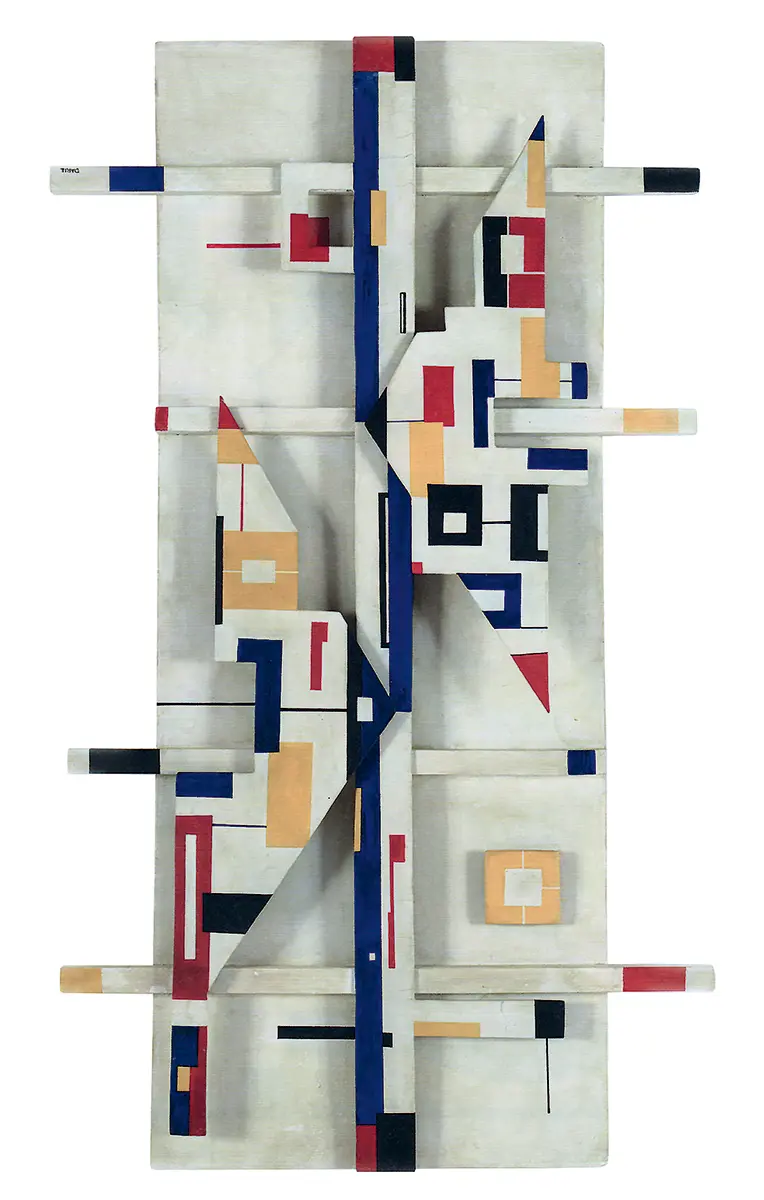
The first question that arises is why to begin in 1950 and not in 1959, which is the year of the triumph of the Revolution? The theme of utopia in art predates that historical moment. As the curators aptly explain it in the first gallery titled “The Utopia of Concrete Art,” the search for utopia in Cuban art goes back to the geometric abstract and concrete art movements of the 50s and 60s. In their eagerness to find a universal artistic language, the artists who worked on these proposals broke with the figurative vernacular tradition that characterized the avant-garde of the 1920s as a strategy for achieving modernity. Among them are the members of the group Ten Concrete Painters known for the activities they carried out in the Galería de Arte Color Luz founded by Loló Soldevilla (1901-1971) and Pedro de Oraá (1931) in 1957. In addition to the works by these two artists, Adiós Utopia presents paintings and sculptures by Mario Carreño (1913-1999), Salvador Corratgé (1928), Sandú Darié (1906-1991), José Mijares (1922-2004), Rafael Soriano (1920-1915) and Carmen Herrera (1915). Although the latter was not part of the Ten, her participation in the exhibition is fundamental given the recognition she has received in the last decade for her work in the field of geometric abstraction.
From the curatorial point of view, it is interesting to note in this first room the dialogue that is established between the works of the concrete artists and the video Malevich, from the series Nail Polish Tutorials, 2010 by Yaima Carrazana (1981), in which she paints on her nails compositions allusive to the monochromatic works of the Russian constructivist. By placing Carrazana’s work in the room dedicated to the masters of abstraction and constructivism, the curators clarify from the beginning that the purpose of the exhibition is not to present a chronological study of the history of Cuban art but rather to present thematic approximations and to highlight the fact that, despite the passage of time and the contextual differences, the new generations continue to reevaluate the same concepts using new techniques.
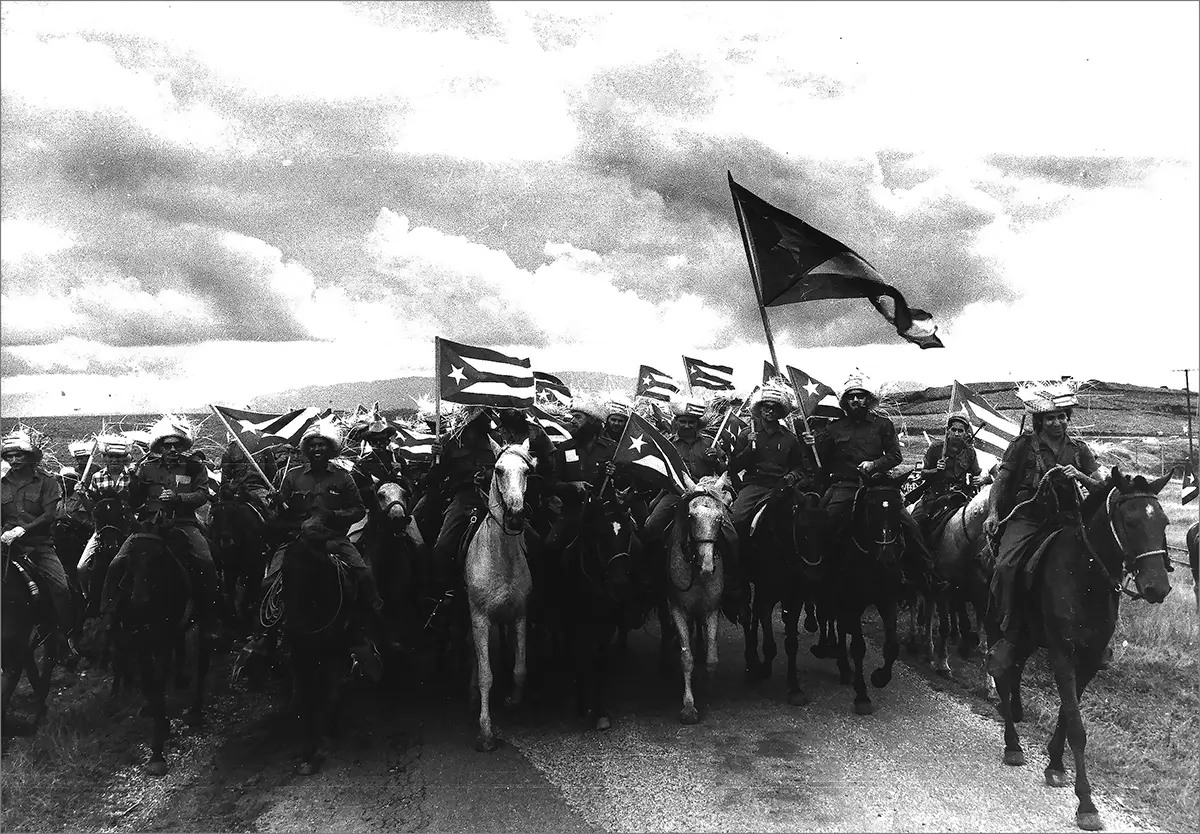
Under the title “Cult and Deconstruction of the Revolutionary Nation,” the following room presents works from the 60s and 70s in which the Revolution is exalted and visibility is given to its symbols. Among them are several emblematic photographs such as La Caballería (Cavalry, 1960) by Raúl Corrales (1925-2006), El Quijote de la farola (Don Quixote with the Post, 1959) by Alberto Korda (1928-2001), and Havana (1959) by Mario García Joya (Mayito) (1938); the painting Rebeldes de la Sierra (Rebels of the Sierra, 1961) by Servando Cabrera Moreno (1923-1981) that, inspired by Mexican muralism, highlights the peasant’s participation in the Revolution; and Rosas y estrellas (Roses and Stars, 1972) by Raúl Martínez (1927-1995), which shows local people in the company of leaders like Martí, Che and Bolivar in a colorful Pop style. Two paintings by Antonia Eiriz, Los de arriba y los de abajo (Those Above and Those Below, 1963) and En pie (Standing, 1963) present a caustic and obscure vision of society in an Expressionistic language which later became marginalized by the regime. Regarding the works of these artists, it is worth mentioning that it was not possible to include in the exhibition some of the patrimonial works of the collection of the National Museum of Cuba, which is why the curators chose to show pieces belonging to private collections.
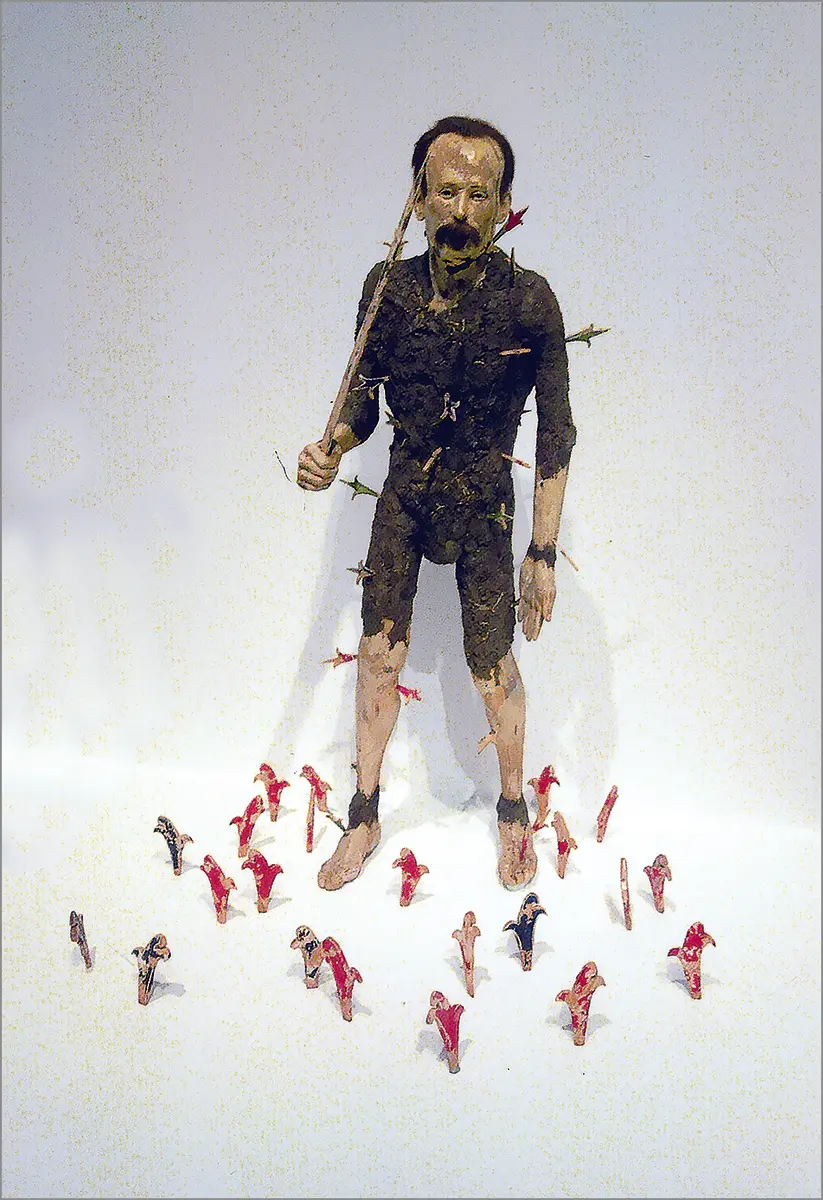
The symbols are still present in the works of the artists of the ‘80s generation but these are used to express a different vision, in some cases less idealistic and even critical. Undoubtedly one of the most important works of the exhibition is Por America (José Martí) (For America [Jose Marti], 1986) by Juan Francisco Elso (1954-1988). The wooden portrait of the poet and revolutionary leader José Martí pierced by daggers is a reference to the image of Saint Sebastian. He carries a machete, a symbol of the armed struggle and at the same time an agricultural tool especially related to the sugar harvest. The sculpture, made with unusual elements such as earth, human hair, and blood is, according to Mari Carmen Ramírez, “an antithesis of the official Martí and a piece of worship”3 in which Caribbean, African, socialist and Western traditions, as well as the secular and the mystical, converge.
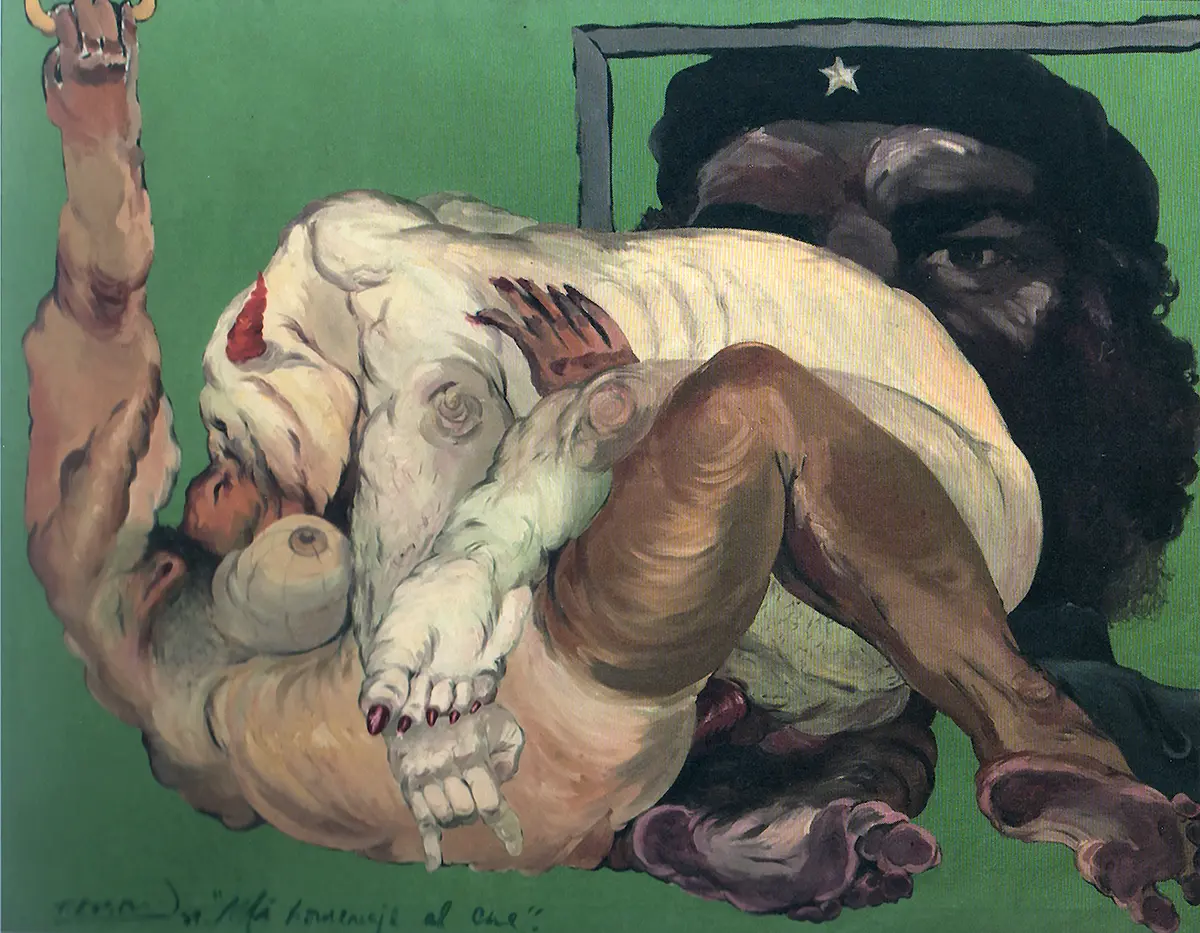
The next gallery features another iconic work Mi homenaje al Che (My homage to Che, 1987) by Tomás Esson (1963), a huge painting in which grotesque caricatured figures perform erotic acts in front of the image of Che. In the same room, there is a selection of works by Eduardo Ponjuán (1956) and René Francisco Rodríguez (1960) that were originally shown in the exhibition Artista melodramático presented at the Castillo de la Real Fuerza in Havana, in 1989, and censored for representing the image of Fidel Castro. Among them are Reproducción prohibida (Forbidden Reproduction, 1989), a drawing in pencil in which a muscular man with a naked torso reflected in a mirror and instead of seeing himself sees the portrait of Castro; Las ideas llegan más lejos que la luz (Ideas Travel Further Than Light, 1989) in which Castro becomes the light of a lighthouse located on a small island; and La real fuerza del Castillo (The True Strength of the Castle, 1989) in which the portrait of Castro smoking a cigar appears in a tiny window.
The use of the portrait as a symbol of the Revolution from different perspectives generates an interesting dialogue between four iconic works located on the same wall: the famous photograph of Alberto Korda’s Che called Guerrillero Heróico (Heroic Warrior, 1960), considered the most reproduced photograph in history; Ciencia e ideología: Che (Science and ideology: Che, 1987-1988) by Arturo Cuenca (1955), in which the artist combines Che’s silhouette with the text “The revolutionary has to be a tireless worker” on a billboard, making a critical commentary on the manipulation of propaganda; and two works by Lázaro Saavedra (1964), Karl Marx (2000), a portrait of the father of modern communism which the artist “humanizes” by drawing the muscle under the skin around one eye, and El Sagrado corazón (The Sacred Heart, 1995), a figure of Christ with the United States’ flag in a “thought balloon,” the Soviet Union’s flag in a “speech balloon” and Cuba’s flag in the form of heart in the center of the chest.
The flag, another relevant symbol, appears in several pieces throughout the exhibition. In the iconic photographs of the early years of the Revolution, the Cuban flag acquires an important role in the creation of a new identity, as can be seen in Mayito’s Mujer con vestido de bandera (Woman Dressed in the Cuban Flag, 1959). Later, the artists use it conceptually to deal with other issues as seen in Estadística (Statistics, 1995-2000) by Tania Bruguera (1968). The work, a banner made with rolls of human hair, is a testimony to the exodus that began to develop in the wake of the socioeconomic crisis caused in large part by the fall of the socialist states allied to the Soviet Union and Gorbachev’s idea to give greater autonomy to the republics of the USSR in 1989. The title of the work contrasts with the corporeal and intimate aspect of the materials used, humanizing what are otherwise merely numbers representing the exodus, estimated at approximately 150,000 Cubans. Another outstanding installation is Apolítico (Apolitical, 2003) by Wilfredo Prieto, a series of flags stripped of their original colors printed in gray tones that transform patriotic symbols into abstract compositions making them, in some way, more “egalitarian.”
The following exhibition halls are dedicated to the word. Under the title “The imposition of the word: speech, rhetoric and media control,” the exhibition presents iconic works related to the role of speech and discourse in the configuration of revolutionary ideology. As the text on the wall indicates, “from its beginnings, the Cuban Revolution was a verbal phenomenon ... the epic tale of the revolutionary feat was built, first and foremost, on the podium and through mass media. The unique official discourse, its enormous political weight was reflected and dissected by art which often used the same official resources to achieve its goal.”
From the most conceptual proposals such as the works El peso del vacío (The Weight of the Void, 2005) by Alexandre Arrechea (1970) in which he is hidden behind a huge pile of white paper; Sin título (Untitled) from the series Trabajo en papel (Work on Paper, 2013) by Fernando Rodríguez (1970) in which he reduces a copy of the Cuban constitution to a small square of 10 x 12 x 1 cm; or Nueve leyes (Nine Laws), from the series El peso de la historia (The Weight of the History, 2014) of Reynier Leyva Novo (1983), rectangles of black ink made with a software that calculates the volume and the weight of the ink used in handwritten and printed documents; to the most explicit such as Aachen to Zurich (2005) by Ernesto Oroza (1968), an animation of the word “Revolution” written in different types of fonts; Raúl Corrales’ photograph La primera declaración de la Habana (The First Declaration of Havana, 1961) in which Fidel Castro appears addressing the crowd—Corrales was strongly criticized for representing Castro from behind; and José Ángel Toirac’s (1966) impressive video Opus (2005), in which the voice of Fidel Castro is heard continually reciting numbers out of context; the works selected and the way they are presented clearly show the importance of the political discourse not only in the configuration of revolutionary ideology but also from the art’s perspective.
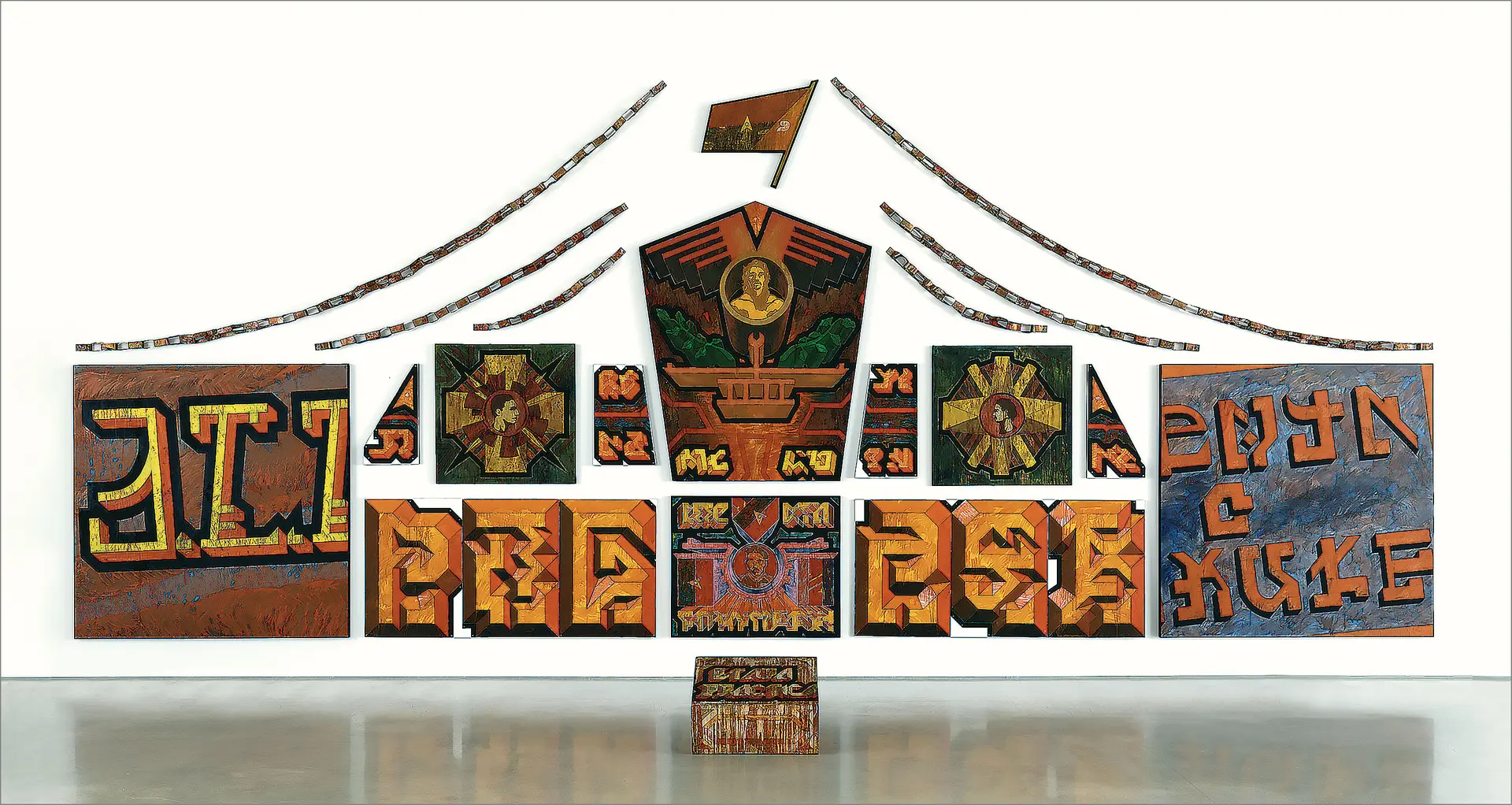
It is precisely from the artistic platform that a contestatory movement emerged during the ‘80s that in some cases subverted the official rhetoric and in others criticized and/or censored the social and political reality of the island. One of the most outstanding works of the exhibition due to its monumental size and its theme is Glexis Novoa’s (1964) installation Untitled from the series Etapa práctica (Practical Stage, 1989). Originally exhibited during the III Havana Biennial in 1989, the installation criticizes the grandiloquence and the rhetorical representation by using forms that simulate the Cyrillic alphabet used in Soviet propaganda and iconography, which have no meaning in the Cuban context.
Another iconic work is El Bloqueo (The Blockade, 1989) by Antonio Eligio Fernández (Tonel) (1958), first installed at the Museo Nacional de Bellas Artes during the III Havana Biennial, in 1989, in the context of the exhibition titled Tradición del humor which brought together critical proposals presented by a group of contemporary Cuban artists. Built with a map of Cuba and the words “El bloqueo” made with cement blocks, the work refers not only to the commercial, economic and financial blockade imposed by the United States in the 1960s, but also and perhaps more importantly to “self-blocking.” Through the use of concrete blocks, the artist metaphorically suggested that the island was sinking by its own weight.
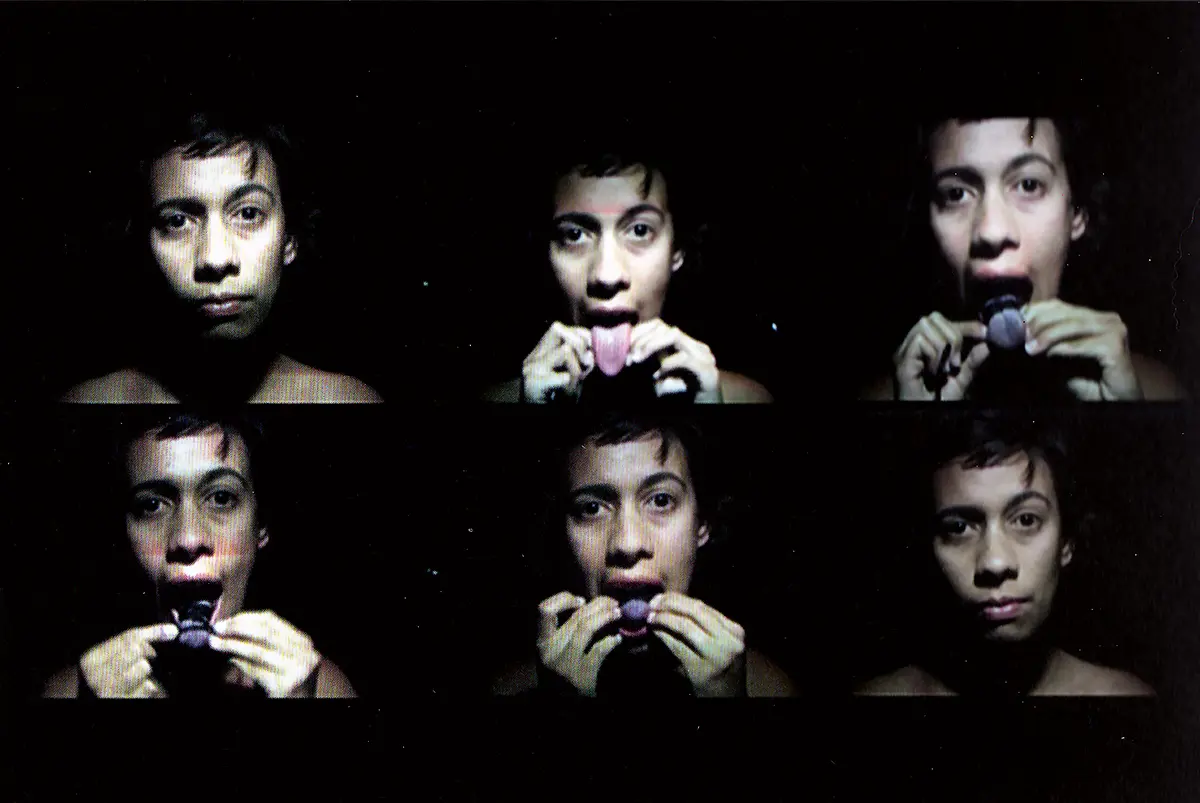
Humor and criticism go hand in hand in the caricatures of Santiago (Chago) Armada (1937-1995), in the paintings of Umberto Peña (1937), in the installation Resistir, luchar, vencer (Resist, Fight Win, 1989-1990) by Carlos Rodríguez Cárdenas (1973) and in the iconic work by Lázaro Saavedra Detector de ideologías (Detector of Ideologies, 1989), in which the artist criticizes the censorship and the permanent vigilance experienced by all of those whom could be considered dissident. Censorship is in fact the subject of one of the most impressive rooms of the exhibition that includes the sculpture Stress (in memorian) (2004-2012) by Yoan Capote (1977), a concrete base that appears to flatten about a thousand human teeth and symbolizes not only the state of sociological tension triggered daily by stress and anxiety but also the causes which may be the repressive policies or the lack of resources experienced by artists on the island; La bola o el discurso (The Ball/Gossip or the Speech, 1989) by Tomás Esson; and the video Autocensura (Self-censorship, 2006) by Jeanette Chávez (1980), in which the artist confronts the spectator, making him a witness of her action of tying her tongue with a thread until she cuts off the circulation.
Censorship and lack of freedom are some of the reasons why Cubans leave the island legally and illegally. Under the title “Sea, borders, exile” the exhibition includes works dealing with issues related to insularity, what it represents physically and symbolically, and the consequences it entails. These include a series of engravings by Sandra Ramos (1969); the installation of José Bedia (1959) Al límite posible (To the Possible Limit, 1996), related to the theme of the rafters; Obras escogidas (Selected Works, 1994) by Alexis Leyva Machado (Kcho) (1970), a boat made of books that symbolizes the exodus of the intellectuals of the Island; the iconic photograph by Manuel Piña (1958) Untitled, from the series Aguas baldías (Water Wastelands, 1992-94), in which a young man appears throwing himself into the sea; and the photographs Olga (1967) and Homenaje (Homage, 1993) both of the series Exilio (Exile) by Jose Figueroa (1946).
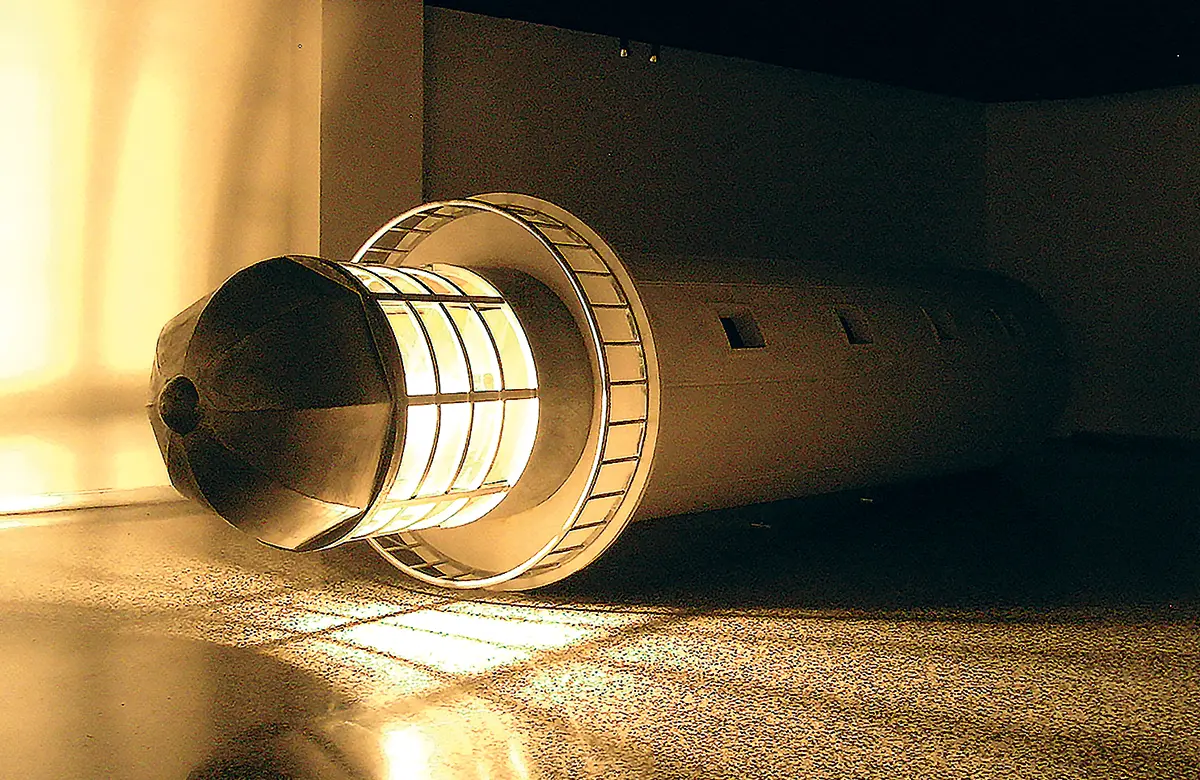
Under the theme “Inverted Utopia” the exhibition brings together works that express the disenchantment experienced due to the failure of the revolutionary utopian dream and the frustrations and paradoxes that arise in the face of today’s complex reality. Among them are the photorealistic portrait of Zaida del Río by Flavio Garciandía (1954) titled Ella está en otro día (She is in Another Day, 1975), which confronts the official canons of the art of the ‘70s; Añoranza (Longing, 2004) by Glenda León (1976), a butterfly pinned to the wall that symbolizes the distressing feeling of being trapped; the video that documents the performance Cabeza abajo (Head Down, 1996) by Tania Bruguera, in which the artist summons a group of artists and intellectuals, asks them to place themselves on the floor of the Espacio Aglutinador—the only independent gallery of the time—and wearing a white tunic and carrying a red flag walks over them, simulating a kind of conquest to the rhythm of Nueva Trova Cuban songs; the installation Dislexia (Dyslexia, 2003) by Iván Capote (1973), in which a mechanized piece removes the industrial oil that covers the surface of the structure, allowing to read the phrase “Life is a text that we learn to read too late;” Acerca de la construcción de la verdadera Torre de Babel (On the Construction of the Real Babel Tower, 1994-1995) and Cuatro cubanos (Four Cubans) (1997) by Carlos Garaicoa; and the installation Faro Tumbado (Felled Lighthouse, 2006) of the duo Los Carpinteros formed by Marco Antonio Castillo Valdés (1971) and Dagoberto Rodríguez (1969).
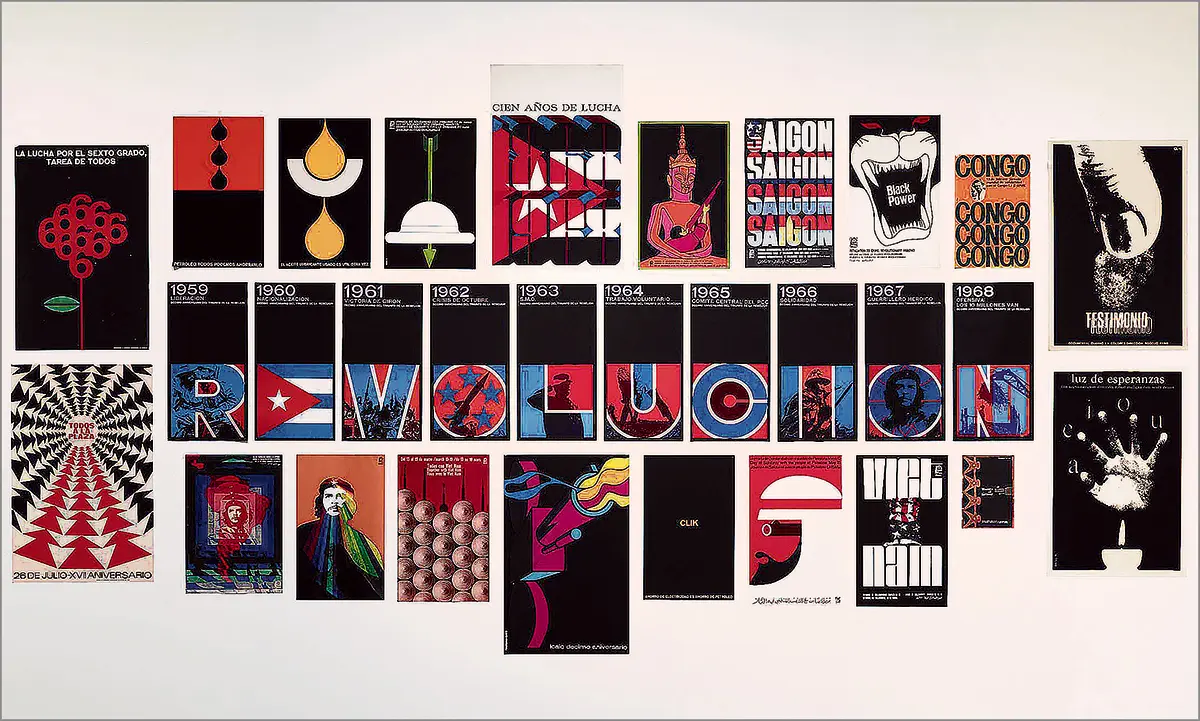
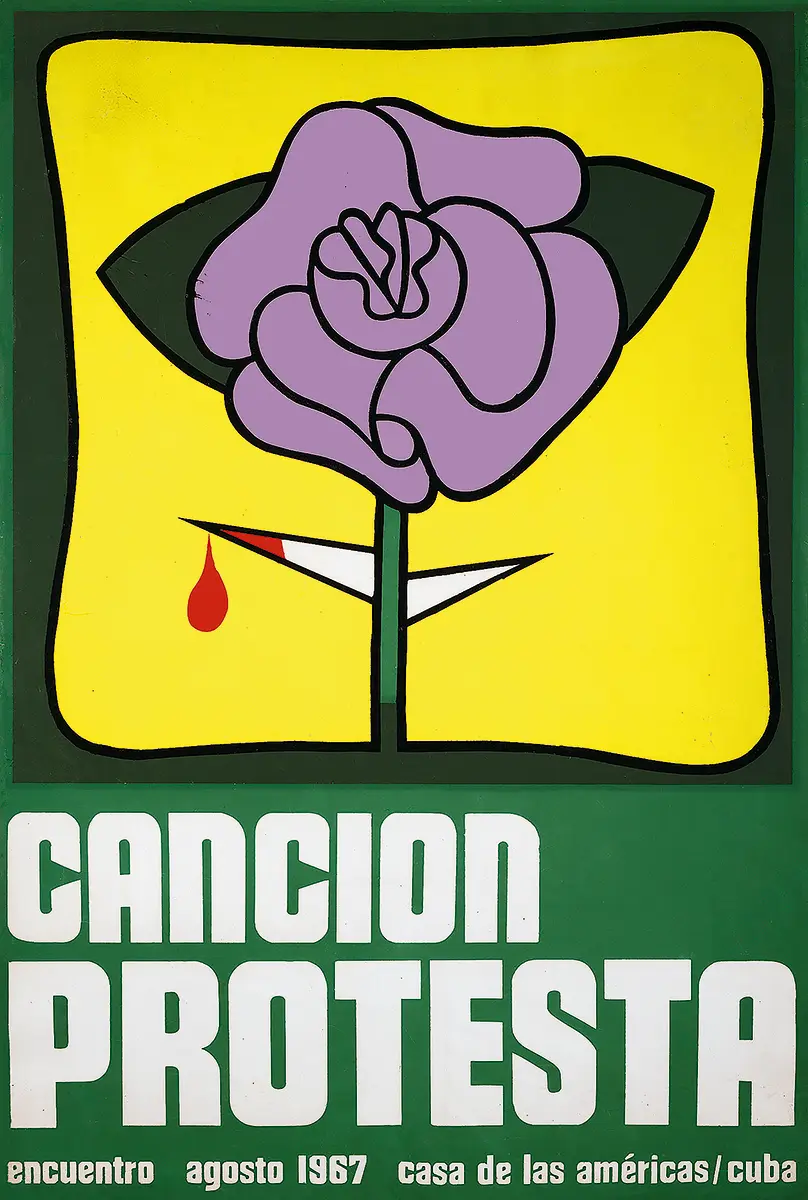
At the end of the exhibition, the curators present two shocking videos: La edad de oro (The Golden Age, 2012) by Javier Castro (1984), in which Cuban children share their crude aspirations by declaring that they want to be criminals and prostitutes; and Conga Irreversible (Irreversible Conga, 2012) by Los Carpinteros, which documents the performance they organized during the XI Havana Biennial in which a carnival group whose members, instead of disguising themselves in colorful colors, were dressed in black and moved backward. The performance was a critique of the socialist discourse that calls itself “irreversible.” The exhibition ends with a poster installation titled “The Cuban Art of the Poster” which illustrates the proliferation of this medium that constituted a crucial element in the visual chronicle and the international promotion of the Cuban Revolution in the ‘60s and ‘70s.
In conclusion, the project exceeds one’s expectations and manages to present an important curatorial proposal that illustrates and documents contemporary Cuban art based on a theme closely linked to its daily life. As Mosquera points out, “The Cuban art exhibitions have tended to go from the very unique history of the country towards art. In this one we wanted to do the opposite: to emphasize art, its value as such, and from art learn about history.”4 Indeed, from the careful selection and presentation of approximately 100 works, many of them truly iconic, the exhibition presents not only a survey of what has been the art in Cuba in the last 65 years but also the impact it has had, initially to support and later as a critical and testimonial platform from and towards revolutionary socialism.
NOTES
1. Ella Fontanals-Cisneros, “Adios Utopia: Art in Cuba Since 1950. How to tell a story without damaging it,” in Adios Utopia – Art in Cuba Since 1950 (Miami: CIFO, 2017), 22.2. Mosquera, Gerardo. Interview via email, May 4, 2017.3. Mari Carmen Ramírez. Guided visit to the exhibition Adiós Utopia, Houston, April 27, 2017.4. Mosquera, 2017.
* Courtesy: Museum of Fine Arts, Houston.
FRANCINE BIRBRAGHER-ROZENCWAIG
Ph.D. in Latin American History and MA in Art History. Art Historian and Independent Curator.