
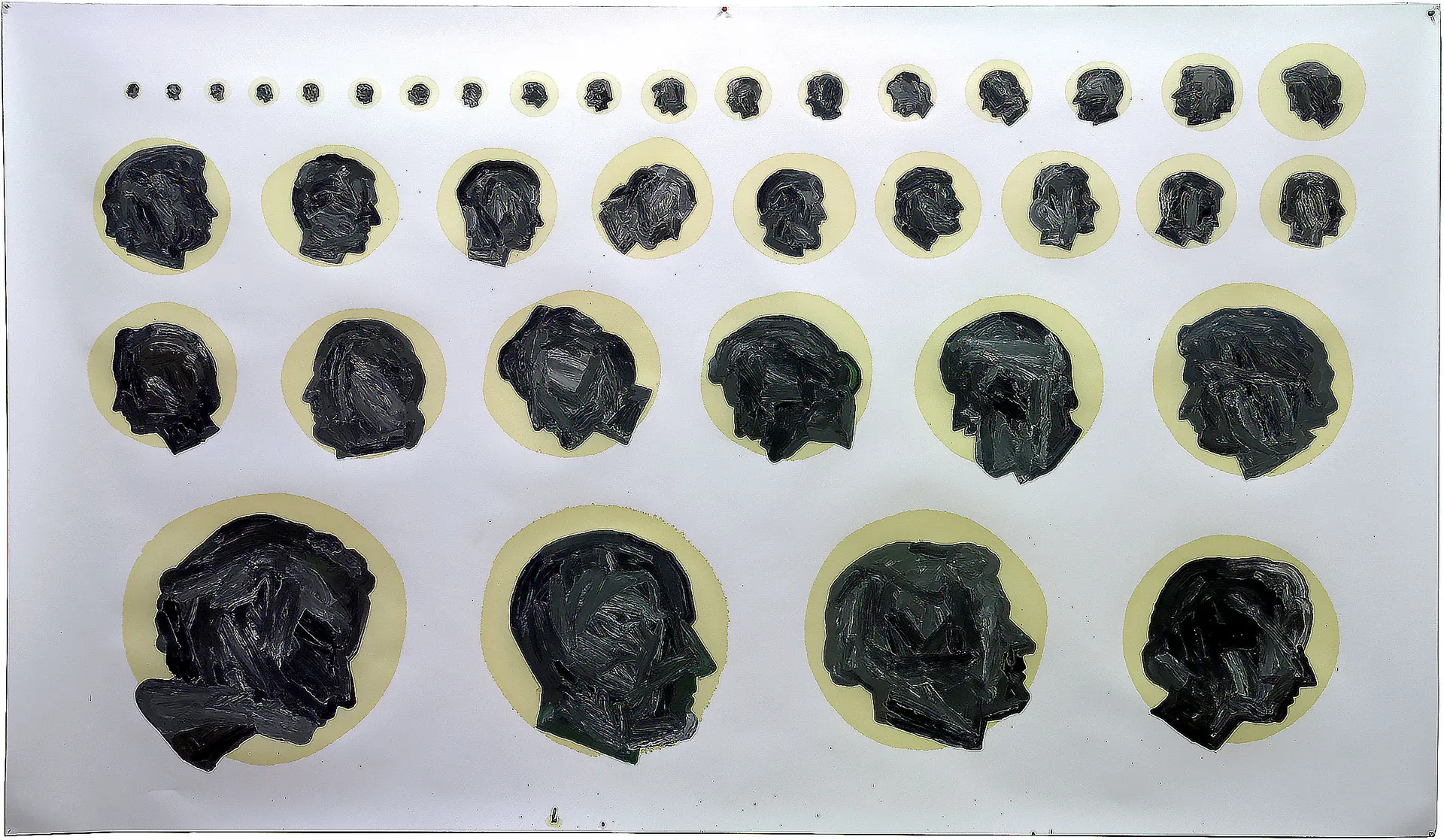
To turn an art fair into space where things happen. Space where networks are built, contacts are made, and meetings are fostered. These have been some of the goals of ARCO 2017 with Argentina as its guest country, along with showing and expanding the sphere of this market. There is a generalized consensus about the potency of the Argentinean art scene, yet a number of galleries and artists remain hidden from view in the sector. Events like ARCO contribute to strengthening those relationships beyond the local space.
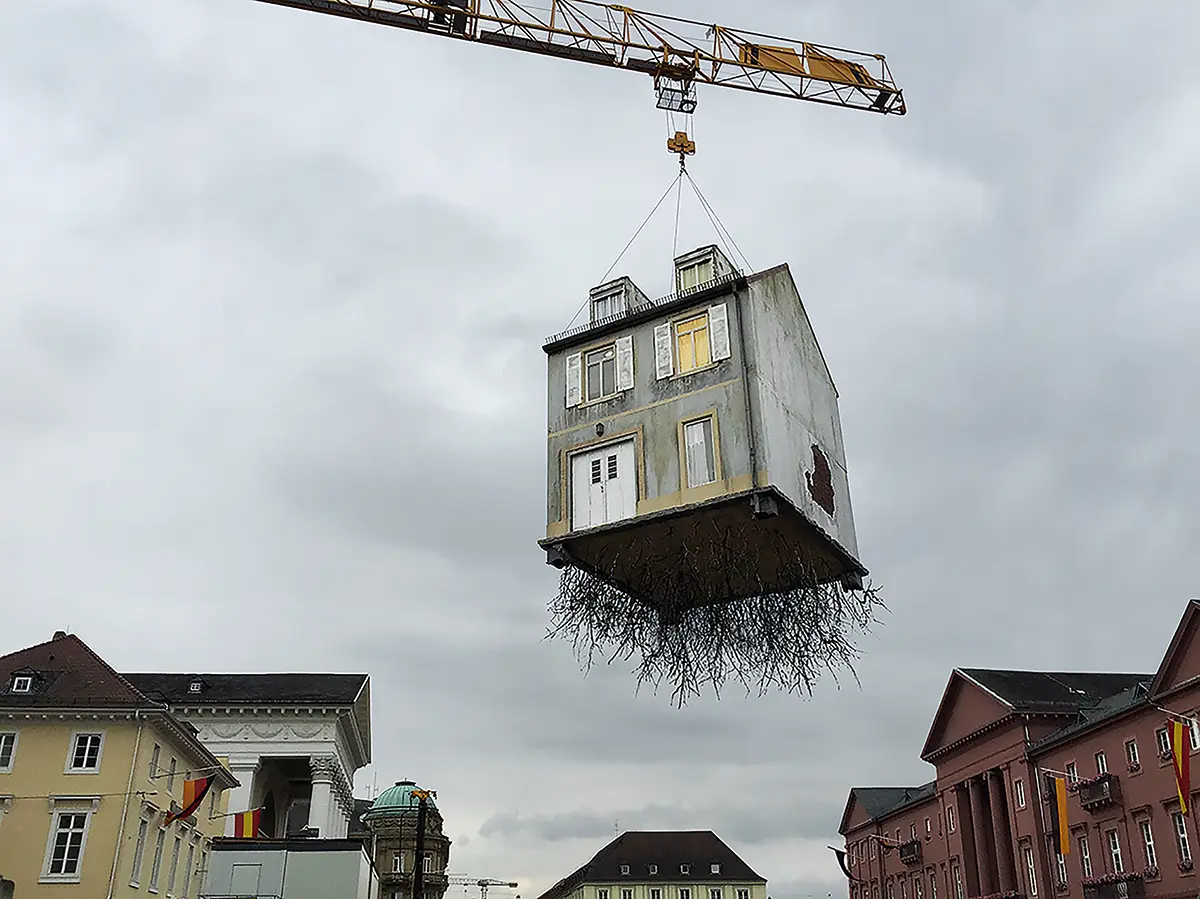
The fair, held between February 22 and 26, opened with the King of Spain in attendance alongside the president of Argentina, Mauricio Macri, and his wife. Inés Katzenstein was the general curator of Argentina Plataforma Arco: a selection of twelve galleries intended to present the guest country’s art landscape. Two of those spaces were at ARCO for the first time: Cosmocosa and Isla Flotante.
International participants comprise 67% of the total at this fair, and 32% of them come from Latin America: forty-three galleries from the region. Ruth Benzacar gallery, a longstanding staple in the field, presented the work of such well-established Argentinean artists as Jorge Macchi, Mariana Telleria, Guillermo Kuitca, and Leandro Erlich, and had among its standouts forceful works like Eduardo Basualdo’s Corazón frío (Cold Heart), in contrast with others, more inward-looking and connected to manual work, like Liliana Porter’s Reconstrucción: paisaje chino (Reconstruction: Chinese Landscape).
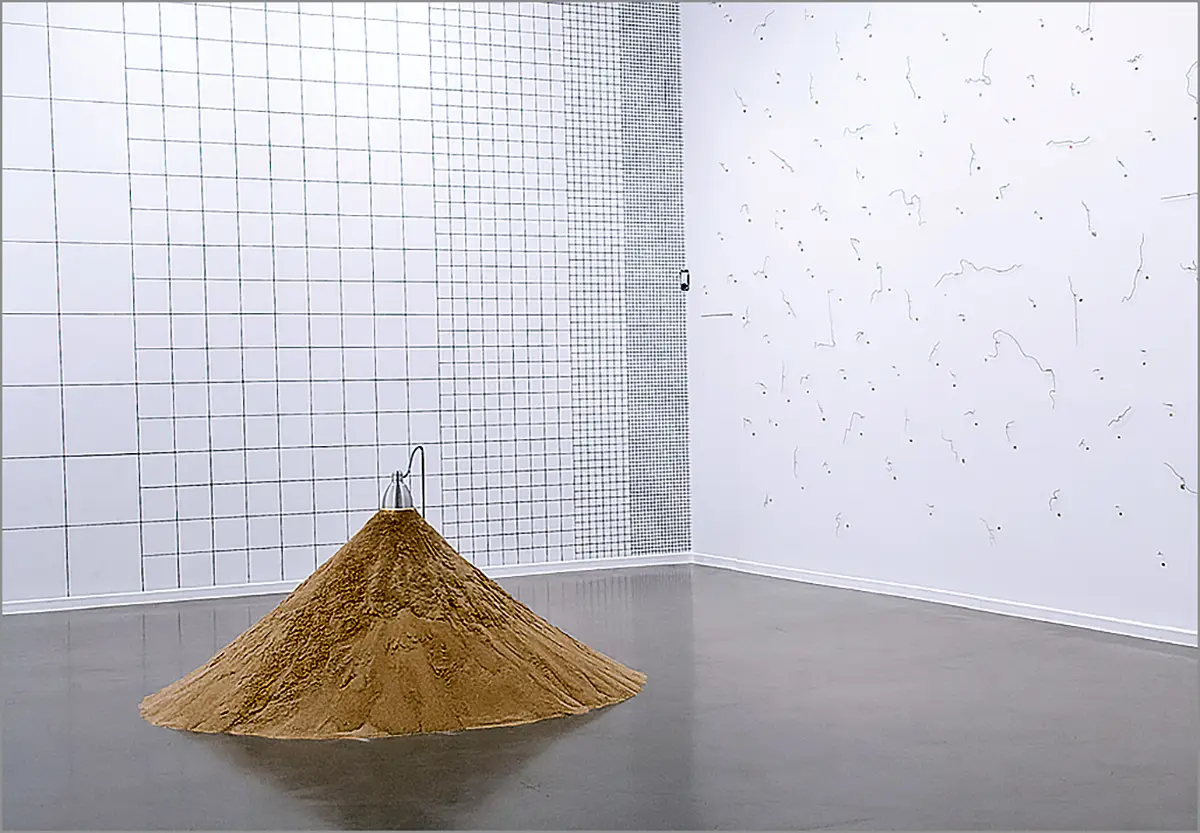
Another ARCO veteran, Jorge Mara Gallery (present at the fair for more than twenty-five years), brought to this edition the work of Eduardo Stupía and Kazuya Sakai, among others. Meanwhile, the Henrique Faría gallery wagered in favor of more concise works, by artists like Mirtha Dermisache and Ricardo Carreira.
Barro Gallery featured the work of Nicola Costantino, Matias Duville, Martín Legón, Mondongo, and Alejandra Seebe, among others. This a valuable move, for the boost it means to their work as well as the access it offers to new audiences. The gallery describes Madrid as highly receptive to Latin American art.
One of the freshest proposals came from Nora Fisch. Established in 2010, this gallery has become a point of reference with respect to current Argentinean art. Fisch’s assessment of their experience at ARCO is positive: “As a Gallery, it was excellent: we brought works by Juan Tessi and Elba Bairon, and everything we had at the booth was sold to important collections in Argentina, Spain, and the United States.”
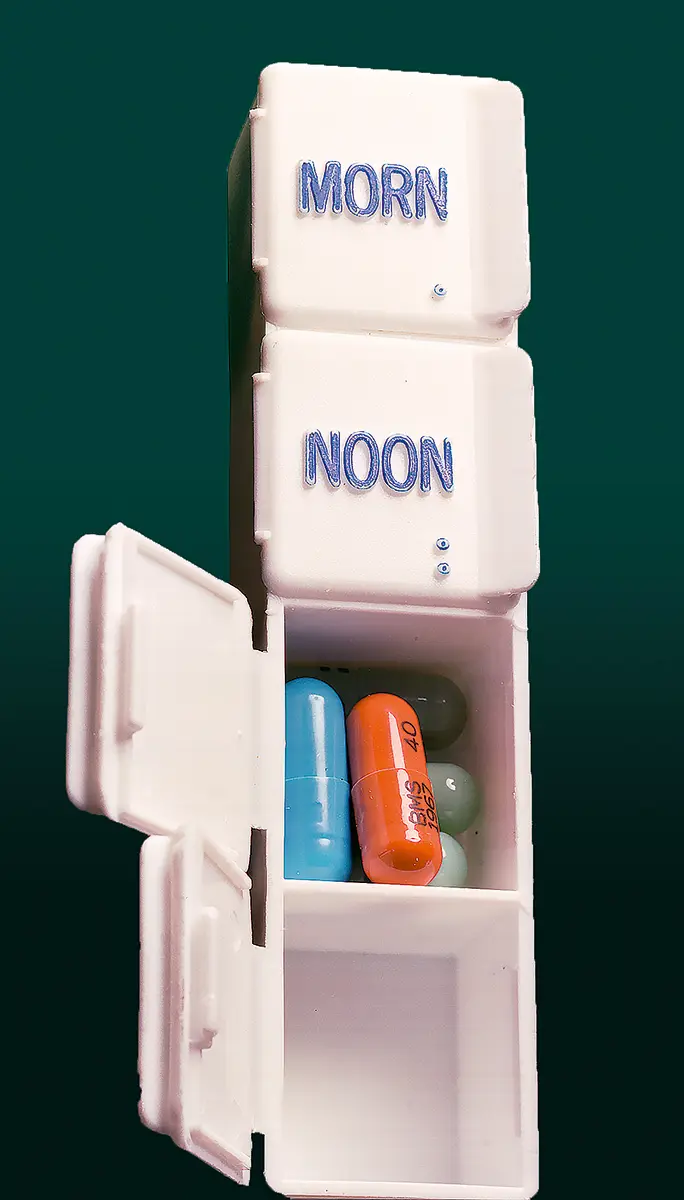
The Vasari gallery favored color, with Juan José Cambre, and autobiographical photography, with Alejandro Kuropatwa. The photographer, active in other fields of Argentinean culture, was also the author of many LP covers, working with Fito Páez, Charly García, and Gustavo Cerati, among others. MALBA organized a retrospective of his work in 2005, two years after his death.
As part of the general program, the Madrid gallery The Goma presented the work of Aimée Zito Lema, a key figure in Argentinean art of recent years and in what has come to be known as “social choreography.” Other names with forceful resonance are Alberto Greco, Mirtha Dermisache, and Pablo Accinelli, among others.
In parallel to the general program and Plataforma Argentina, the Diálogos section featured twelve galleries selected by María de Corral, Lorena Martínez de Corral, and Catalina Lozano. The booth reserved for the galleries includes in this section featured the work of two artists whose interrelationship was specially conceived for ARCO. Inés Katzenstein also contributed with proposals of Argentinean artists to be featured. In this section, Tanya Bonakdar's gallery highlighted the connection between Tomás Saraceno and Analía Saban, through the concept of communication. In the case of Saban, thanks to the interaction of painting and sculpture, and in the case of Saraceno, via networked work, represented by large installations that evoked a spider web.
Juan Canela, the curator, along with Stefanie Hessler, of the Opening section (which every year features a selection of galleries with less than seven years in existence), describes the artistic production of the guest country in the following way: “Argentina is a unique context, with an educational component all of its own: few traditional teaching institutions and a vast tradition in the “clinic” format, with artists who study and learn under other artists, using highly personalized methods. At the same time, the country’s cultural tradition is extraordinarily powerful: fields like literature and drama have exceptional importance, and their dialog with the arts is customary.”
Intending to extend the presence of Argentinean art beyond the confines of the fair itself, ARCO included events outside the grounds of Madrid Ifema. Focus Argentina, curated by Sonia Becce, includes a series of exhibitions, performances, concerts, plays, and a film series in seventeen cultural spaces in the city, with the support of the Argentinean Ministry of Culture, the Argentinean Embassy in Spain, and arteBA. Among the standouts are Una mirada a la Colección Costantini (A Look at the Constantine Collection), at the Real Academia de San Fernando; Nicolás Robbio’s Ejercicios de Resistencia (Resistance Exercises), at La Casa Encendida; Leandro Erlich’s Certezas efímeras (Ephemeral Certainties), at Espacio Fundación Telefónica; and the group show Ultramar. Fontana, Kuitca, Seebert, Tessi, at Museo Thyssen-Bornemisza. Adding to these are shows at CaixaForum and Museo de Arte Reina Sofía, among others. Sonia Becce is also the curator, with Mariano Mayer, of En el ejercicio de las cosas (In the Exercise of Things), which brings together fifty different artists exhibiting their work in spaces like Casa Museo Lope de Vega, Casa de Vacas, Conde Duque, Tabacalera, Museo Cerralbo, Casa de América, and Biblioteca Nacional.
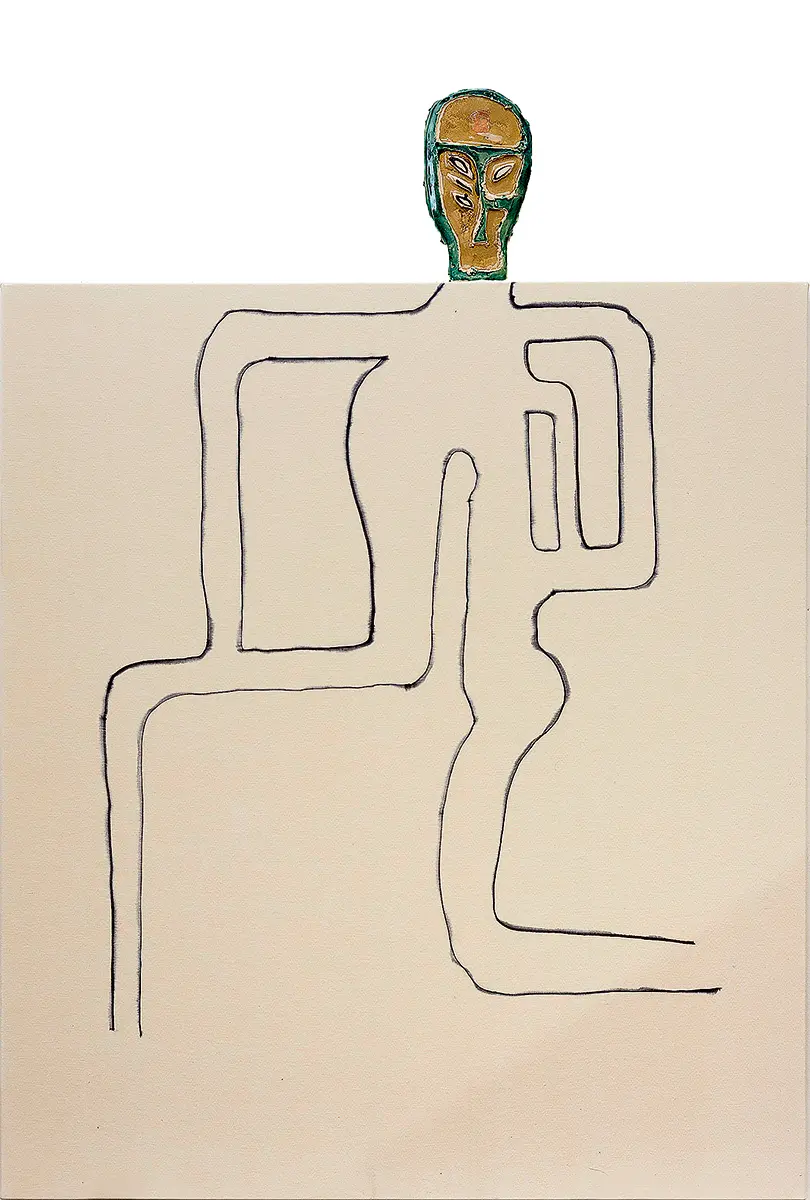
Nicolás Robbio’s show at La Casa Encendida explored the relationship between craftsmanship and the artist’s action. Starting from small markings on paper, Robbio builds a reflection about what it means to fragment space and to use a pencil as an “act of resistance,” giving the exhibition its title. A parallel was established between the division implied by the lines in any composition and the control that capitalism exerts on time, bodies, and politics. What is interesting in this exhibition is the combination of abstract and conceptual language with the forceful presence of the objects, which gave shape to an architecture of their own inside the exhibition space.
Fundación Telefónica hosted Certezas efímeras, by Leandro Erlich, conceived as a site-specific project. It was segmented into two works: Changing rooms and El nido de las nubes (The Clouds’ Nest). As is often the case in Erlich’s installations, both works prompted the participation and amazement of the audience, interrogating the notion of reality. Changing rooms, for instance, recreated a labyrinth of dressing rooms and mirrors: in the spot where the viewer expected to find his or her reflection, only the reflections of others appeared.
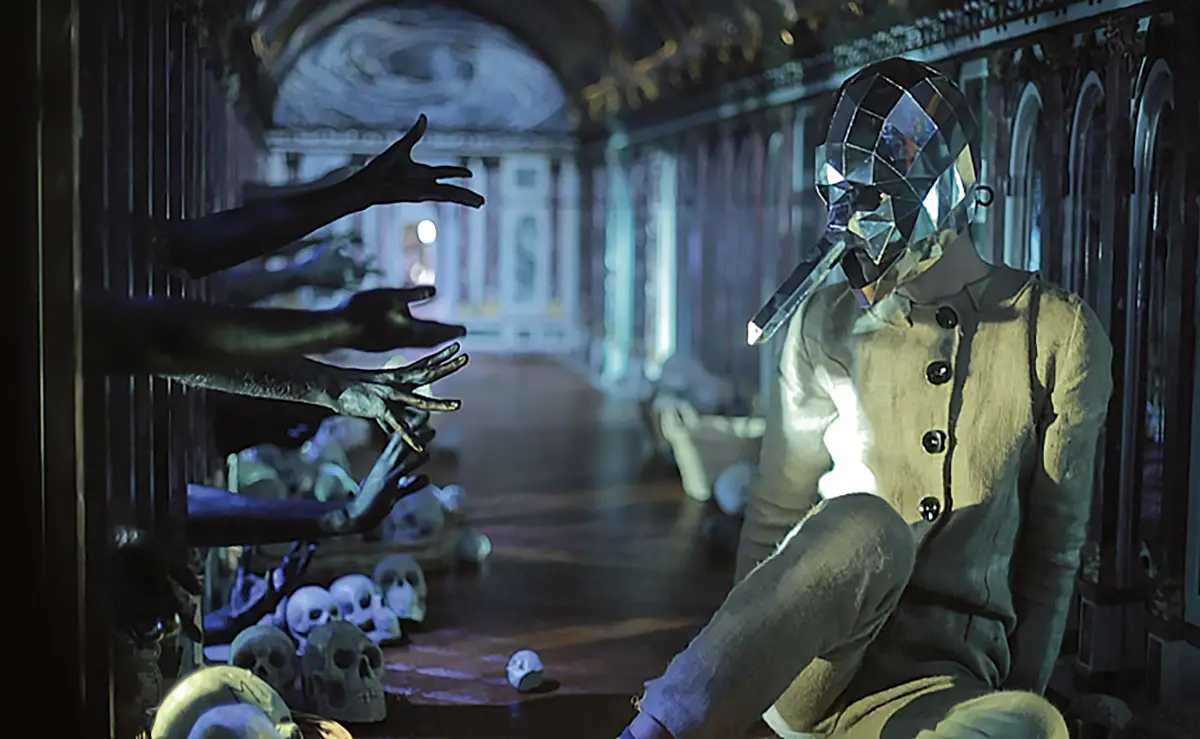
This year, the Centro de Arte 2 de Mayo (CA2M), decided to devote a retrospective to Jorge Macchi, curated by Agustín Pérez Rubio. Manuel Segade, at the helm of the institution since 2016, has this to say about the interest aroused by Argentinean art: “In recent years we have acquired works by Magdalena Jitrik and Martín Legón. Clearly, Diego Bianchi is one of today’s towering figures, as are Osías Yanov and Mercedes Azpilicueta.” About the Macchi retrospective, curated by Agustín Pérez Rubio, Segade adds: “It has been a privilege to be able to work with such an important artist in the Latin American landscape. Jorge is an excellent, easygoing person to work with, and his conceptualism is of a kind that connects with all kinds of audiences.” The exhibition includes works on paper, videos, paintings, photographs, and installations made between 1990 and the present. All turn on the concept of optics, or how images can involve visual trickery. Thus the title: Perspectiva (Perspective).
In parallel, Bienalsur, conceived to promote parity between international and Latin American artists, held a press conference to share its assessment of ARCO and the new developments in their project for 2017. Present at the event were Deghati Reza, Christian Boltanski, Graciela Sacco, Diana Wechsler, and Aníbal Jozami.
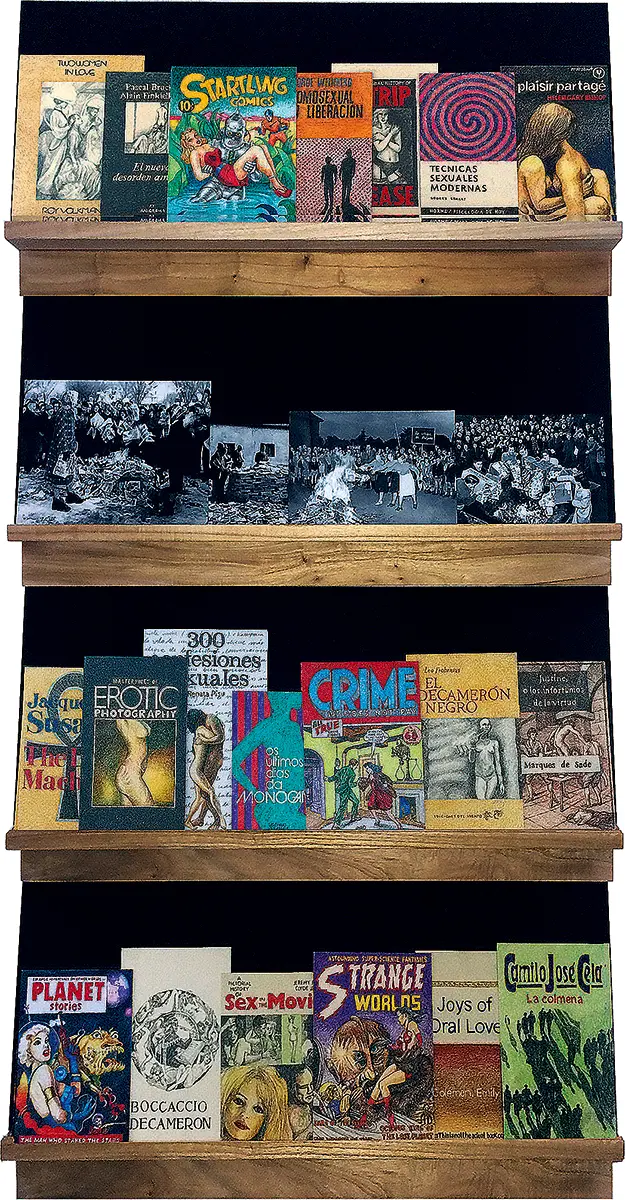
In terms of sales, the data coming out of ARCO 2017 reveal the direction in which the interests of Spanish art institutions are moving. For instance, the Museo Reina Sofía acquired, from Ignacio Liprandi gallery, Burningbooks I, by Adriana Bustos. In it, Bustos, whose work was recently exhibited at Galería Bacelos, analyzes censorship in the cultural field and in language.
Carlos Urroz, the Director of ARCO since 2010, expresses satisfaction with the final assessment, both in terms of sales and networking. Attendance remained stable with regards to the previous edition, with some 100,000 visitors, but there has been growth in professional meetings and events. In the face of such generalized optimism, a challenge: to retain the visibility of the artistic context and the consistency of creative work. In sum, to showcase Argentina’s artistic power, which does not need melancholy or nostalgia in order to become established.
ANA FOLGUERA
Art critic and researcher.