
It is paradoxical to imagine that bilateral cooperation between Colombia and France precedes Latin America’s independence movements; after Napoleon overthrew Spain’s legitimate king Ferdinand VII, in 1808, Spanish subjects born in the Americas formed juntas and started to self-govern the colonies (in the name, of course, of the captive sovereign).1
At the time, some of the Creole elites in New Granada experienced an influx of Republican French thought and the presence of Empire-style furniture, with ornaments and symbols that would reappear in the nascent republic’s coat of arms. It is also important to note the new reading of the territory made possible by the Astronomical Observatory built in the colonies by architect friar Domingo de Petrés, who, inspired by the Observatoire de Paris’s south tower, outlined in Santa Fe de Bogotá a new course for scientific enlightened activity and built in the Andes the place where Creole activists will conspire and prepare their pro-independence insurrection, launched on July 20, 1810.
In 2017, France and Colombia experience new forms of cultural diplomacy around the contemporary visual phenomenon that has positioned photographic practice, among other languages, as the medium and support par excellence. For the seventh edition of Fotográfica Bogotá 2017: Territorios, curators from both countries have installed in Bogotá’s art circuit a series of works and photographers who diversify the gaze on the basis of their construction of the landscape.
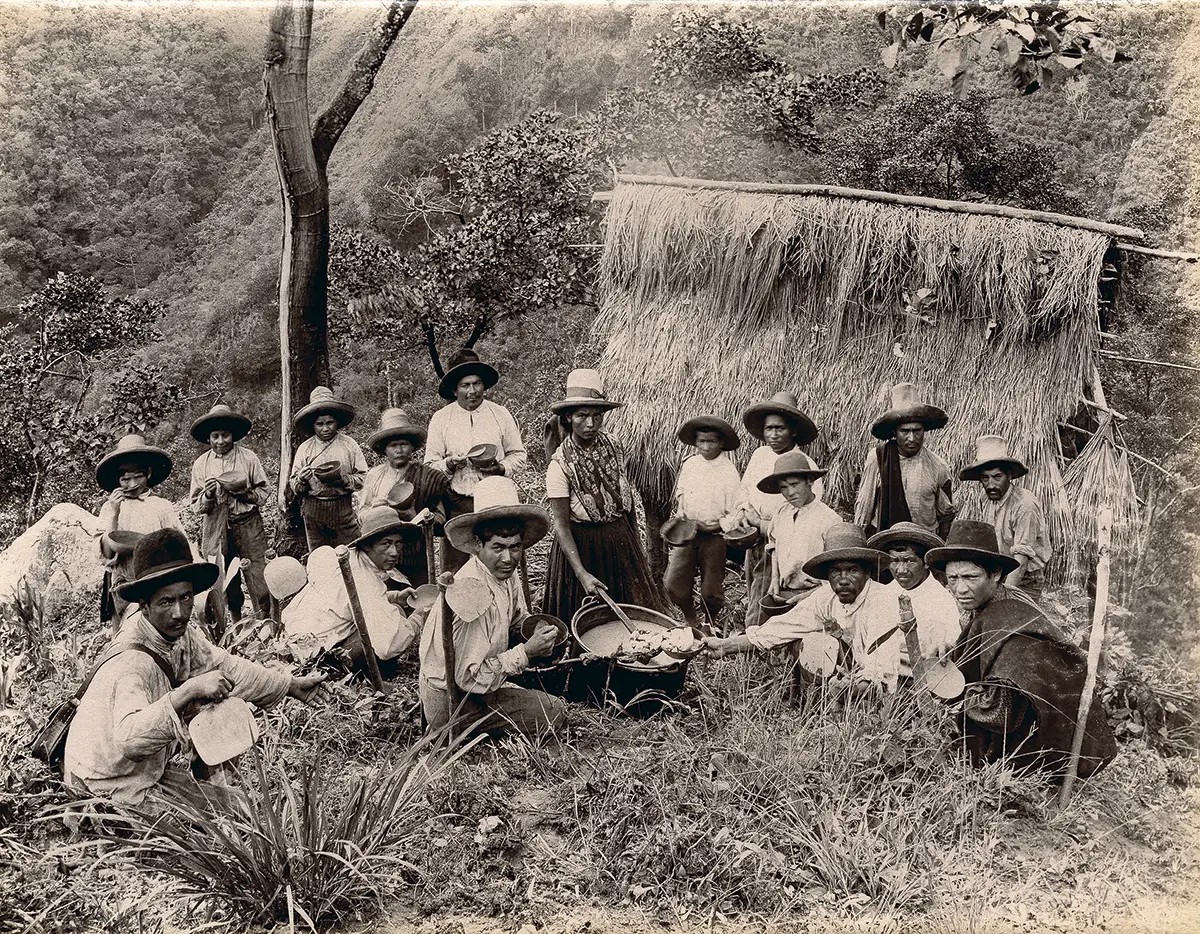
The exhibition Más allá del cliché: el fondo fotográfico de Ernest Bourgarel (Beyond Cliché: The Ernest Bourgarel Photographic Archive) made it possible for visitors to the Museo de Bogotá–Casa de la Independencia, to discover the late-Nineteenth Century Colombia that Bourgarel captured in the course of his diplomatic mission between the years of 1890 and 1902. The French collector’s journeys allowed him to form a photographic and documentary archive that probes the deep social divisions and the yearning for modernization that marked the country.
In turn, the exhibition Francia(s) Territorio Líquido (France(s) Liquid Territory) at the Museo de Arte Moderno de Bogotá brought together a selection of 43 photographers whose work explores the “liquid terrain” that Polish-born thinker Zygmunt Bauman alluded to. The images explore a contemporary version of the French territory, indetermined and difficult to define, where geographical borders overlap and the boundaries of that which is known as real are dissolved.
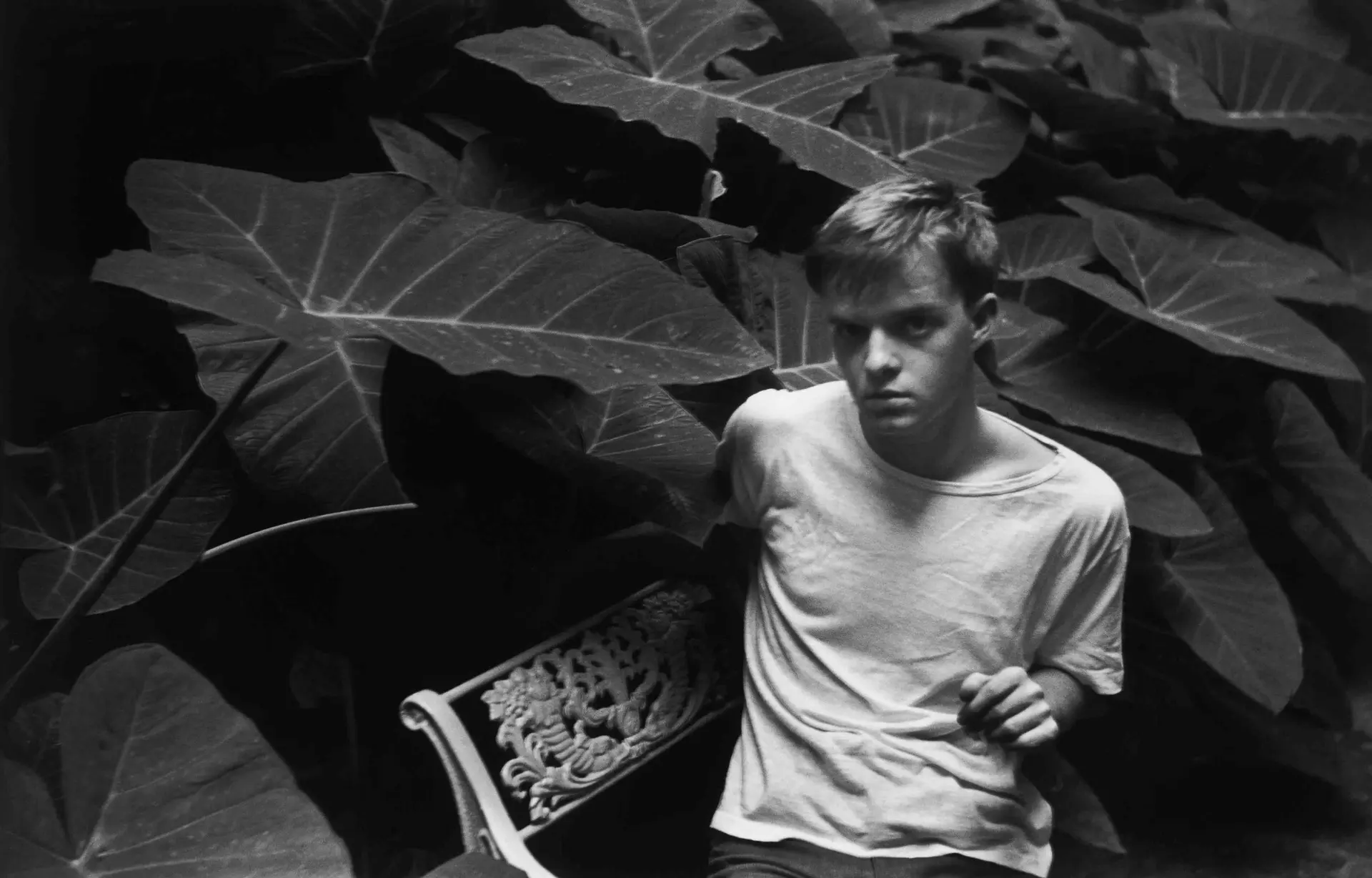
The first Colombian retrospective of the work of Henri Cartier-Bresson, perhaps the Twentieth Century’s most influential photographer, did not go unnoticed. The selection of works on display at the Banco de la República’s Museo de Arte Miguel Urrutia provided an account of Cartier-Bresson’s contributions to photojournalism and his role in the launch of the legendary Magnum Photos agency in 1947. Cartier-Bresson lived through a period of great changes in photographic practice, where the decisive instant introducing new ways of thinking and producing images, while the great portraiture devices and exhaustive sessions became increasingly more infrequent—proof of the aesthetic changes in interwar Europe.
Articulated to this circuit in a variety of spaces was a number of works that will be reviewed in what follows. This selection is intended to express the global meaning of the International Photography Biennial, where media such as video and photography serve as instruments for communities to develop and to communicate their cultural paradoxes and their capacity for expression, even beyond pre-established geographic boundaries.2
The first aspect to highlight is the emergence of new landscapes. This is indisputably a response to the massive expansion, thanks to the technology market, of something that is less and less photographic in the strictest sense, since it has fueled the construction of visual universes with new ways of doing photography.
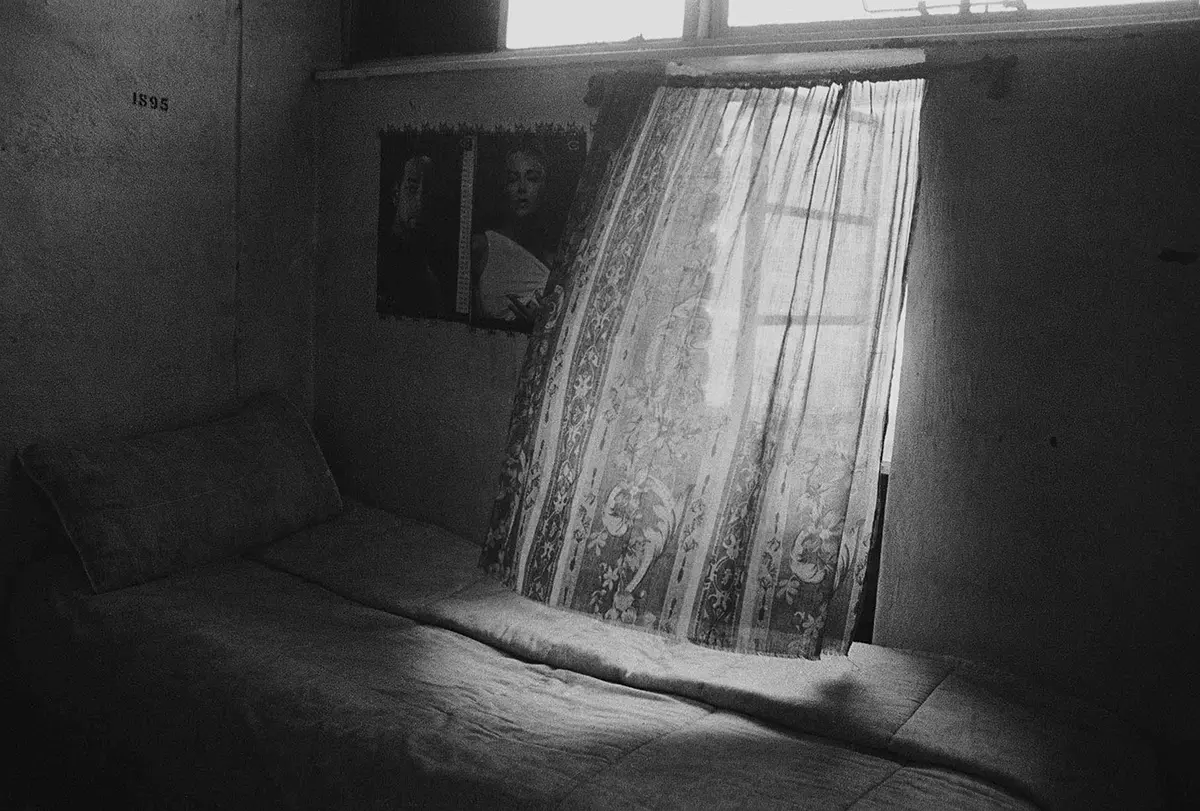
Espacio ArtNexus exhibited the work of Andrew Tshabangu, who portrays everyday life in his native South Africa through the objects and interior spaces; his use of light is able to evoke the mystique of African communities, their beliefs, ritual, and histories.
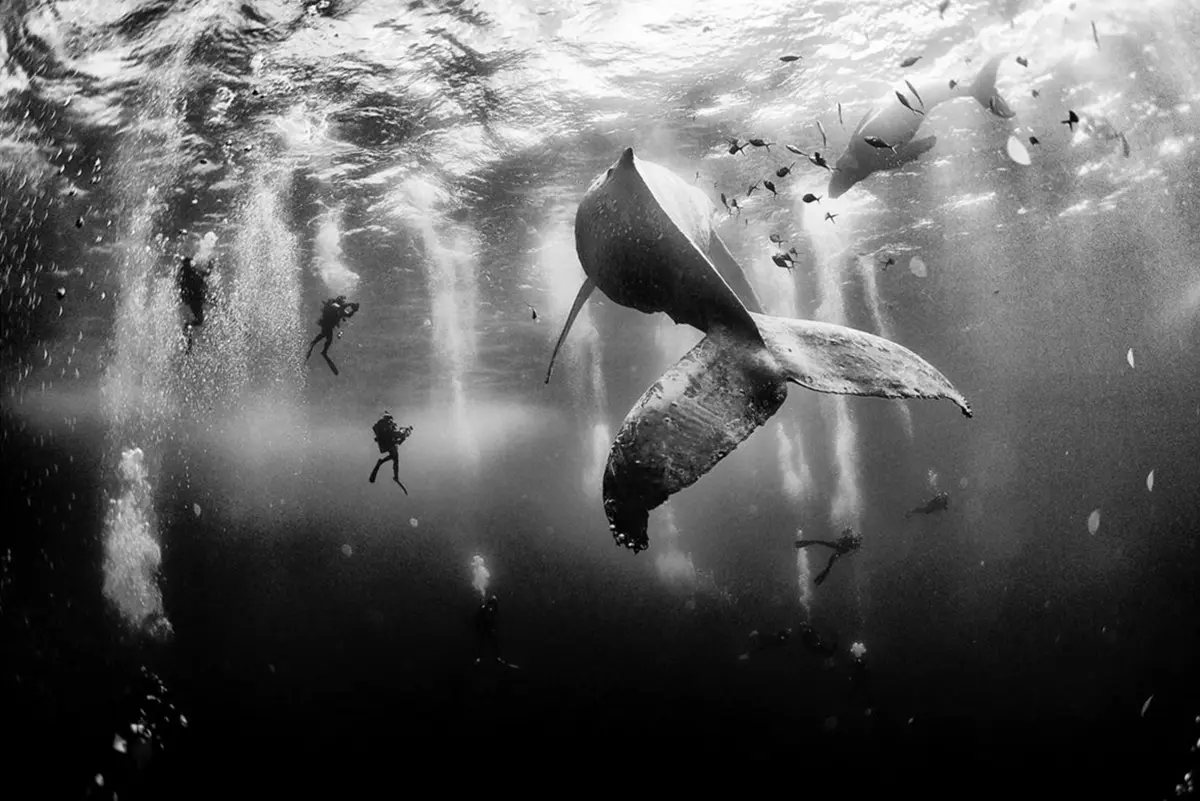
Similarly, Mexican anthropologist Anuar Ptjane’s series Underwater Realm, on exhibit at the Centro Cultural Gabriel García Márquez, is a plea for conservation sent from the depths of the ocean. The photographer, who won the World Press Photo Award in 2016, speaks of the urgency of “creating awareness of the impact of our noxious fishing techniques, the sea resources we extract for food, and the contaminants we throw in it.”
The aptness of the photographic medium for shedding light on how ecosystems are impacted is another key argument the Biennial brought to the fore at Centro Colombo-Americano, with the series Water, by US photographer Mustafah Abdelaziz, who has traveled around the world for more than fifteen years to record different ways in which humanity is advancing irreversibly in the direction of a crisis caused by the industrial poisoning of such a vital resource.
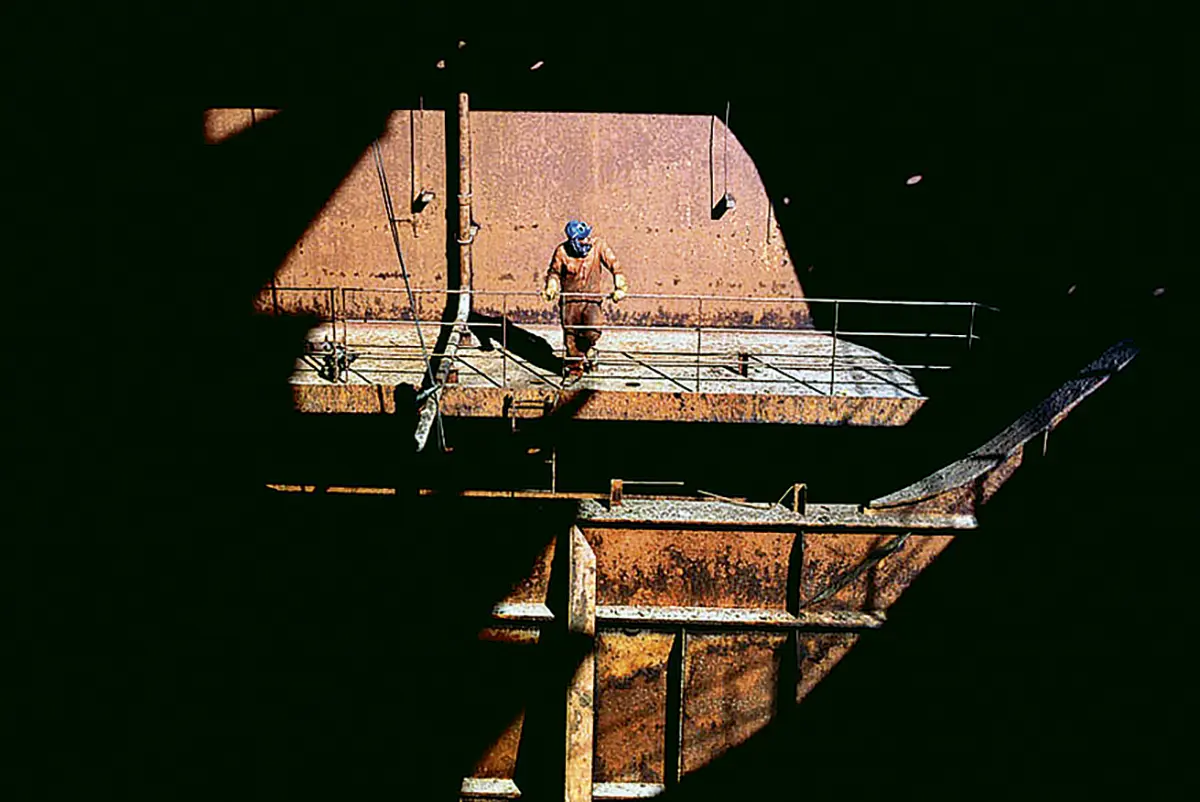
For his part, Bangladeshi photographer GMB Akash pushed that conclusion to its extreme in his series Ship Graveyard in Pakistan, which portrays the difficult work conditions under which the port community of Gadani toils every day as workers dismantle enormous industrial ships at great physical risk, and also endangering the species that live in the area.
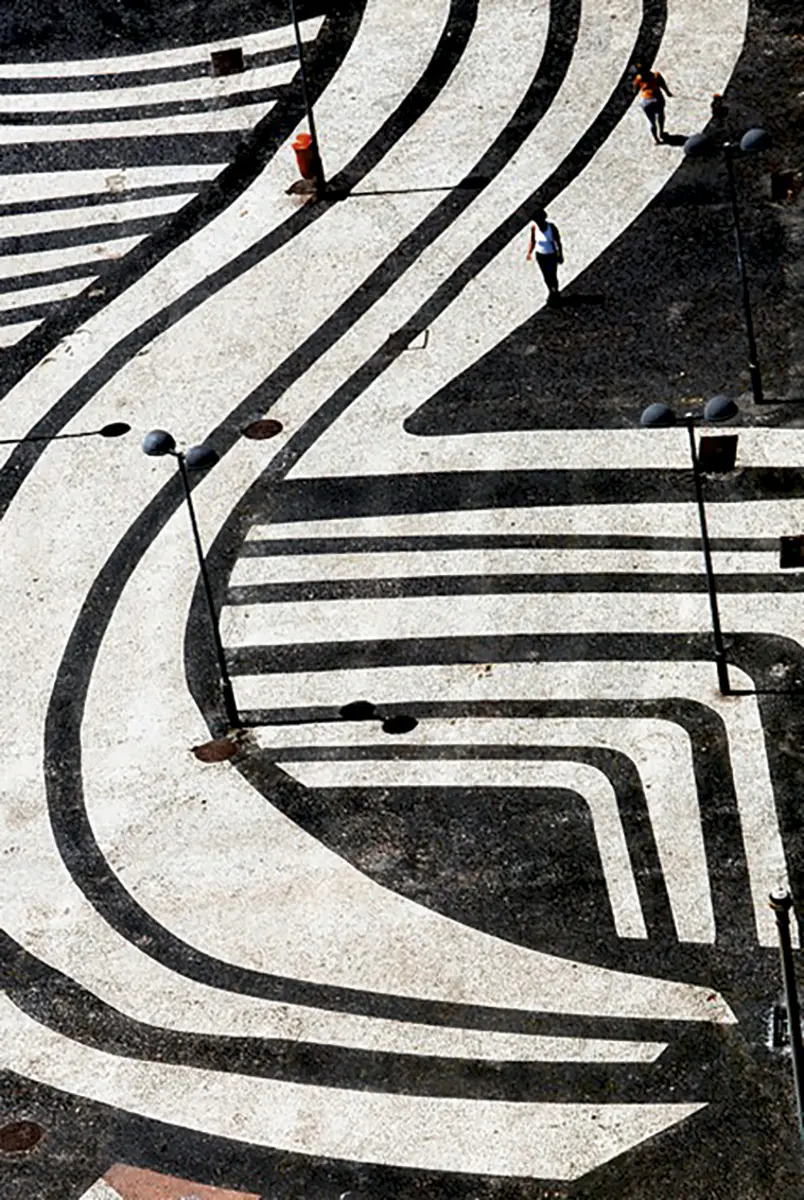
Reinforcing these predictions at Museo de Bogotá–Casa Sámano is an outstanding series of works that register territories where human presence, on the contrary, has been able to bolster the experience of the landscape. In Pedras Portuguesas (Portuguese Rocks), Rio de Janeiro photographer Bruno Veiga pays homage to the walkways of Copacabana, designed by landscape artist Burle Marx; Veiga’s images assert the majesty of the Cidade Maravilhosa.
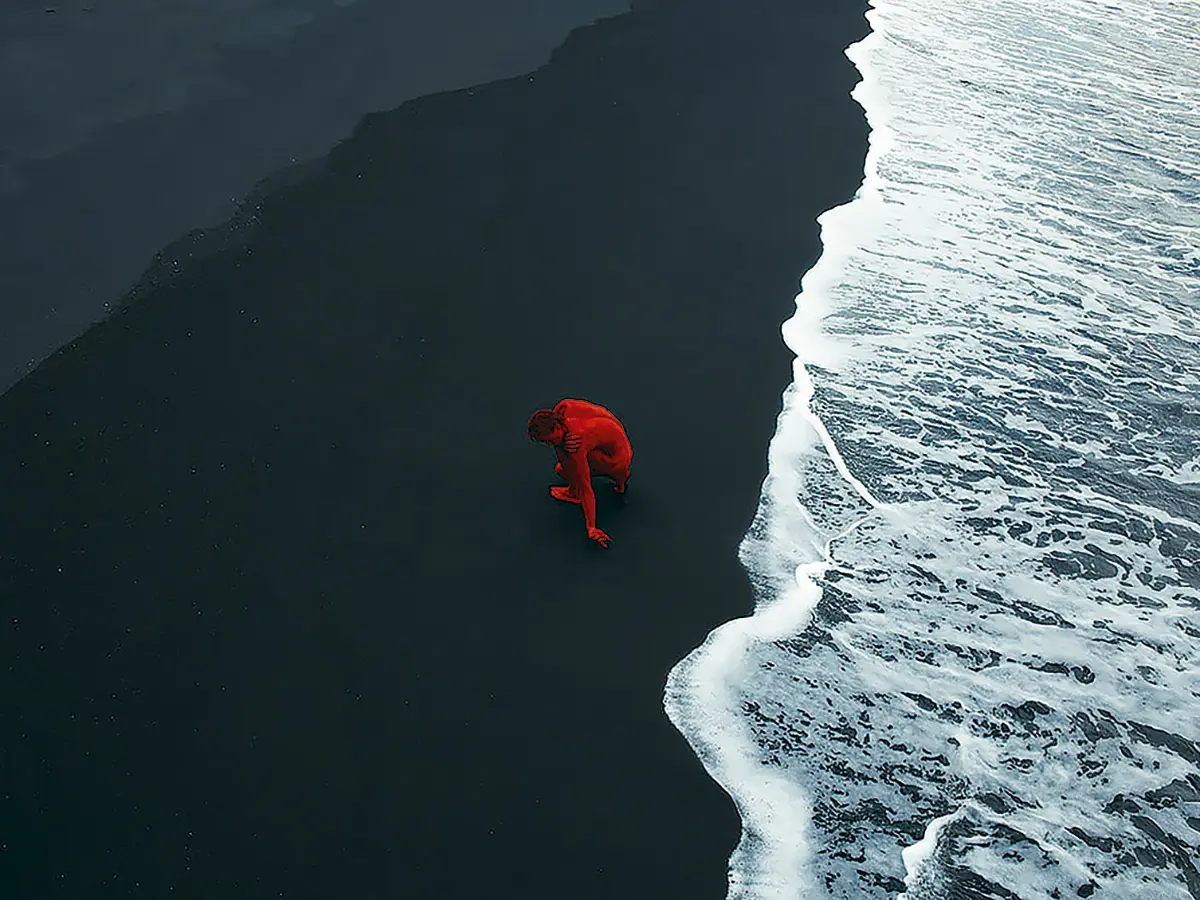
Similarly, Bertil Nilsson, from Sweden, expresses the balance between the human body and its environment; his Naturally series is characterized by the presence of nude dancers who move and improvise gestures in remote natural locations, which the artist deploys to express the tension between natural and artificial elements.
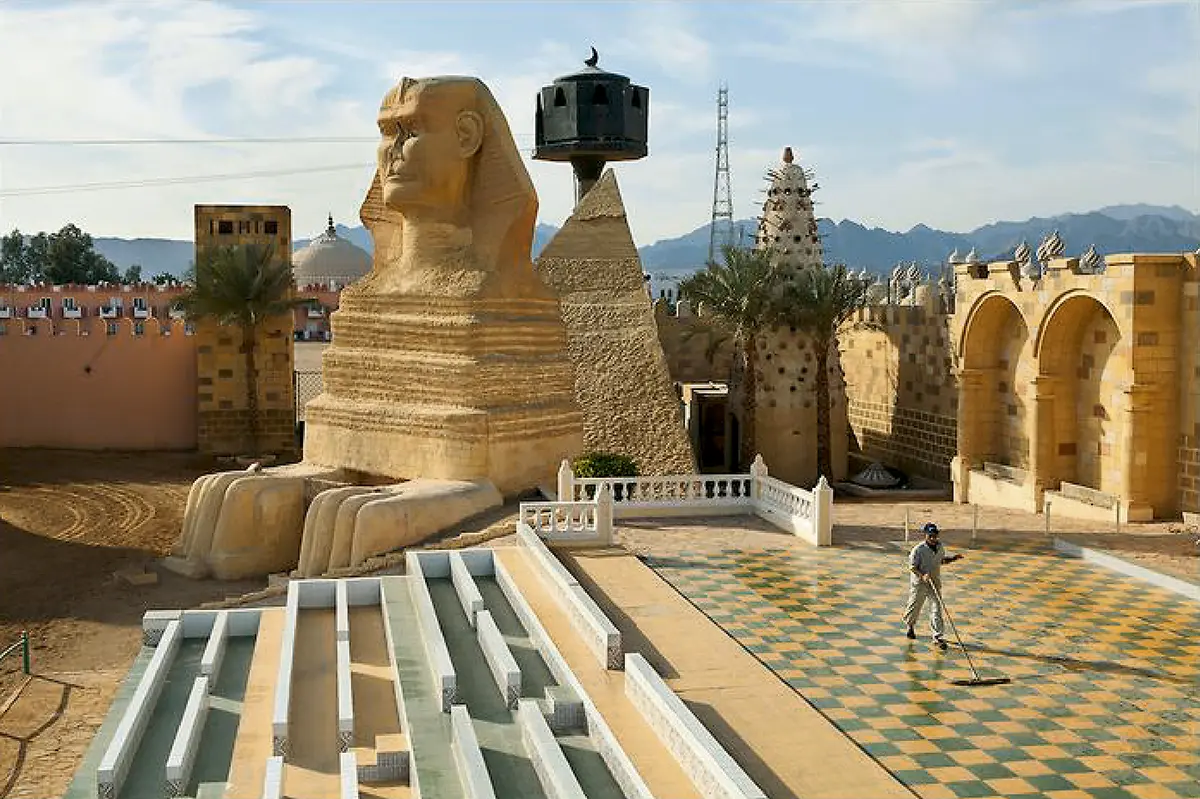
The mise en scène of that tension contrasts with the work of the French-Italian duet of Andrea & Magda, exhibited at SGR Gallery. Their series Sinai Park depicts a landscape covered by empty hotels and failed buildings that try to resist the current geopolitical unrest in Egypt, where the promotion of mass tourism disconnected from local cultural realities reveals the effects of globalization.
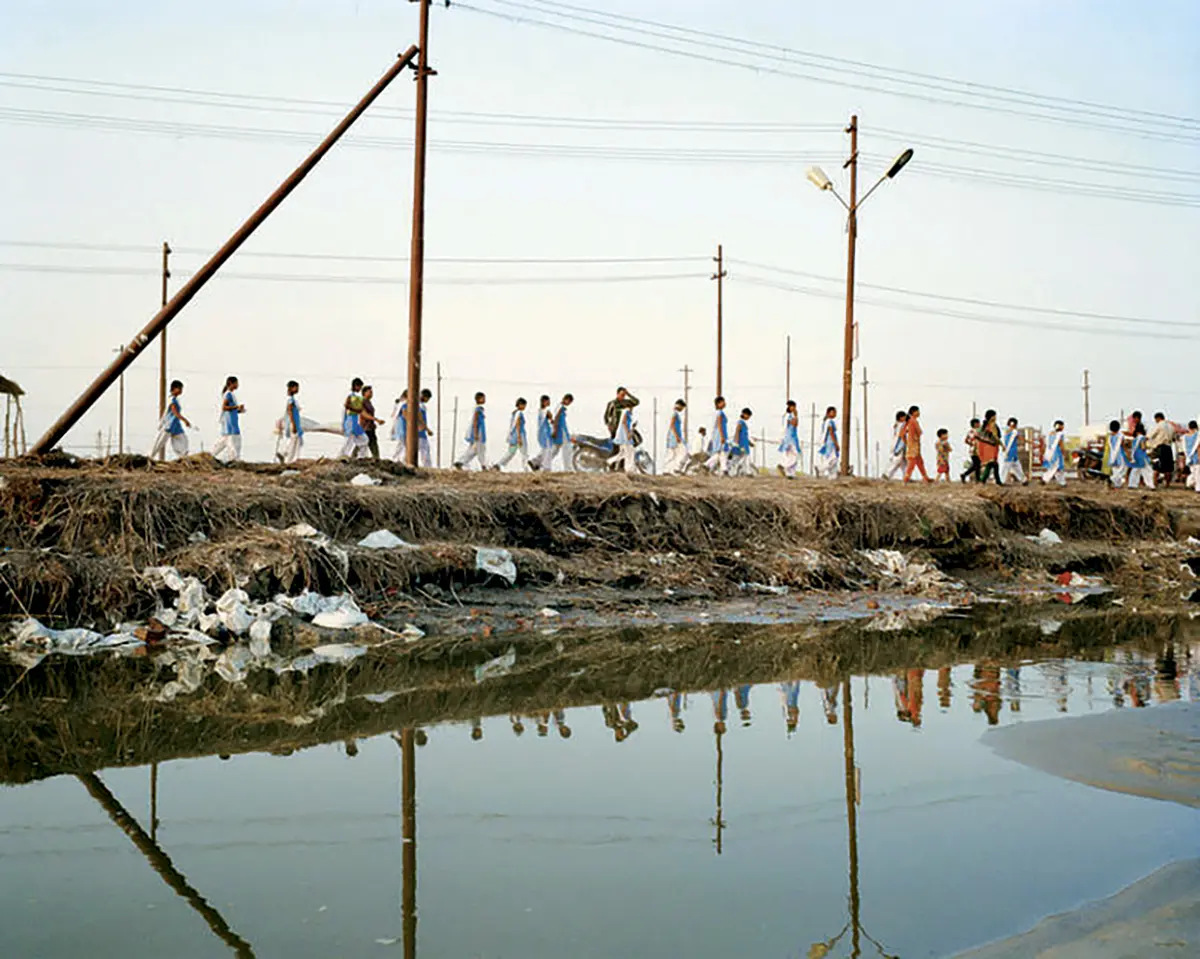
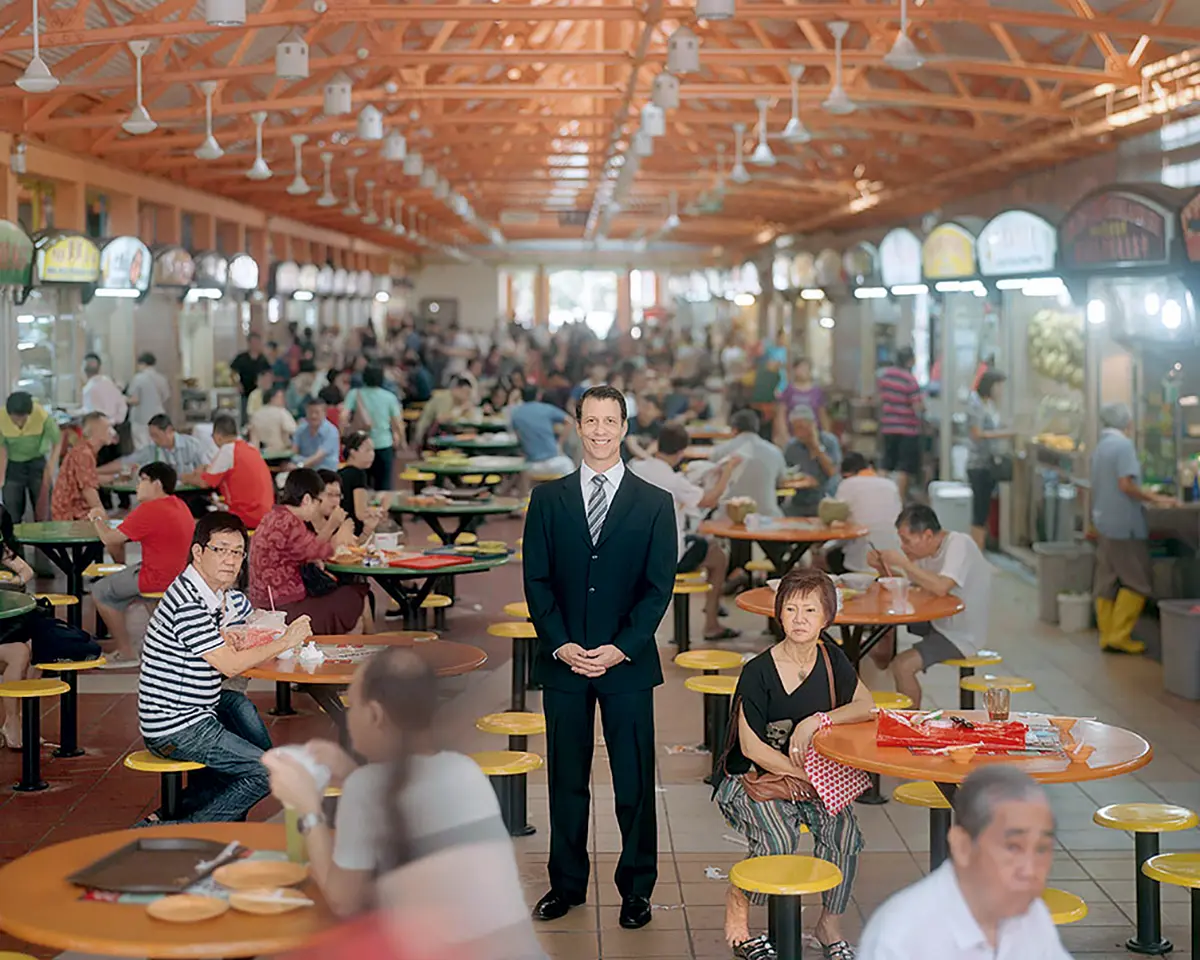
The Heavens, a project by Italian artists Paolo Woods and Gabriele Galimberti, signals another manifestation of the same phenomenon: the accumulation and concentration of capitals. For years, and in a clandestine way, this duo visited tax-haven firms in the Cayman Islands in order to document the territories in which they operate. The surprise was great when he discovered the favorable terms they offer international companies to escape from fiscal regulations and lower their tax burden.
While the exhibitions facilitate a gradual encounter between different latitudes and geographic formations, it is worth noting those works where photography underscores or dilutes the borders between territories.
German photographer Stephan Zirwes’ Frontiers series documents the borders of Europe from a helicopter. Zirwes’ works, on display at the Guillermo Alzate Avendaño Foundation–FUGA, reflect migration and the imaginary or natural barriers that regulate human behavior.
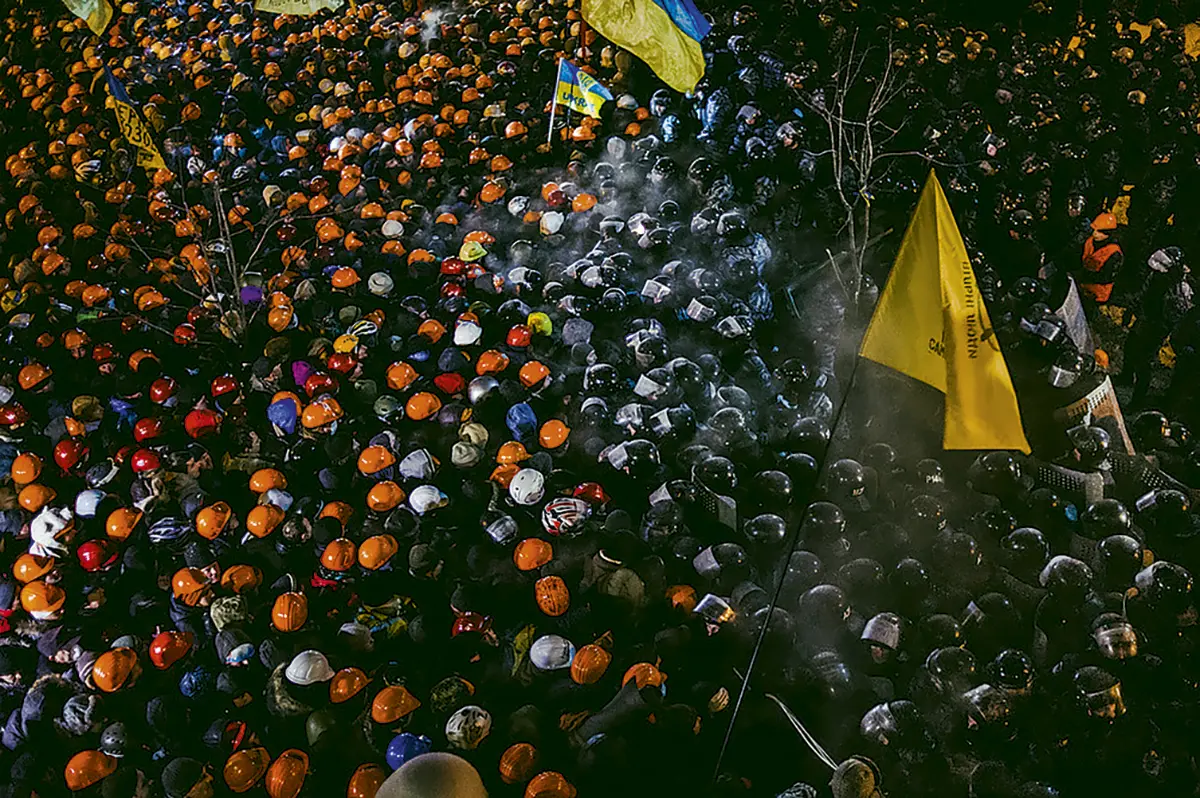
For his part, Ukrainian photographer Maxim Donyuk portrays, in his series Culture of the Confrontation, the massive protests and civil unrest that took place in Kyiv after Ukraine’s government refused the signature of an economic integration treaty with Europe. In Donyuk’s work, the Euromaidan of 2014 acquires a cinematographic characterized by a careful treatment of light and shadow, emphasizing the polarization implied in such urban confrontations.
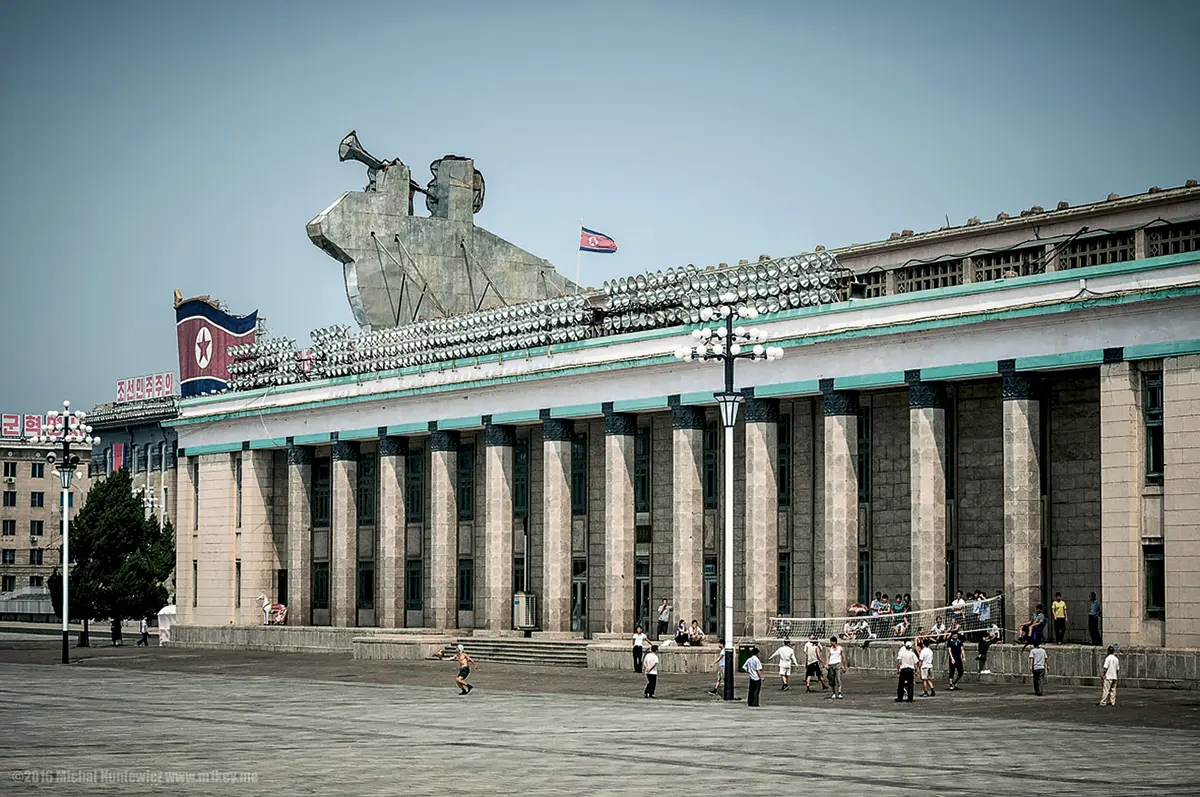
In contrast, Michal Huniewicz’s series Road to North Korea situates itself in the context of geopolitical relations. Huniewicz’s images express an occult tension, represented by the distance that the photograph must keep portraying the people and the monumental buildings.
Challenging the strict surveillance to which visitors are subjected, the Polish photographer was able to capture some urban scenes in the Democratic People’s Republic of Korea, where rigorous migratory and technological controls forced him to work in hiding.
Existing borderland tensions provide photography with an unending series of conflicts that evolve in different planes, triggering for photographers the urgency to expand the practice and to build references for the imagination of other territories to explore.
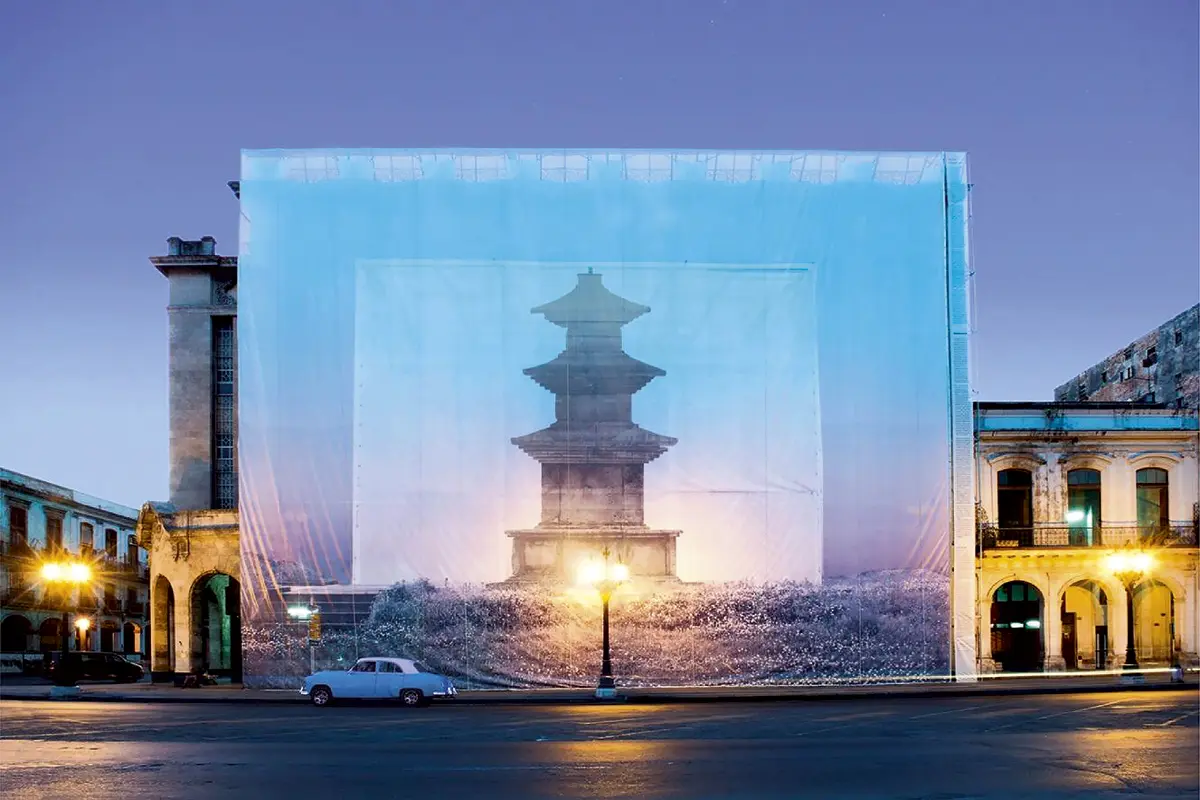
Right across the border, South Korean photographer Han Sungpil appropriates that tension and installs, in a metaphorical gesture, a series of large-format prints superimposed on façades and buildings in cities like Seoul and Havana. Although this kind of surface is found often in public spaces where construction projects are developed, at Sin Título Gallery Sungpil pointed toward the paradoxical circumstance that the site-project is visualized before its materialization.
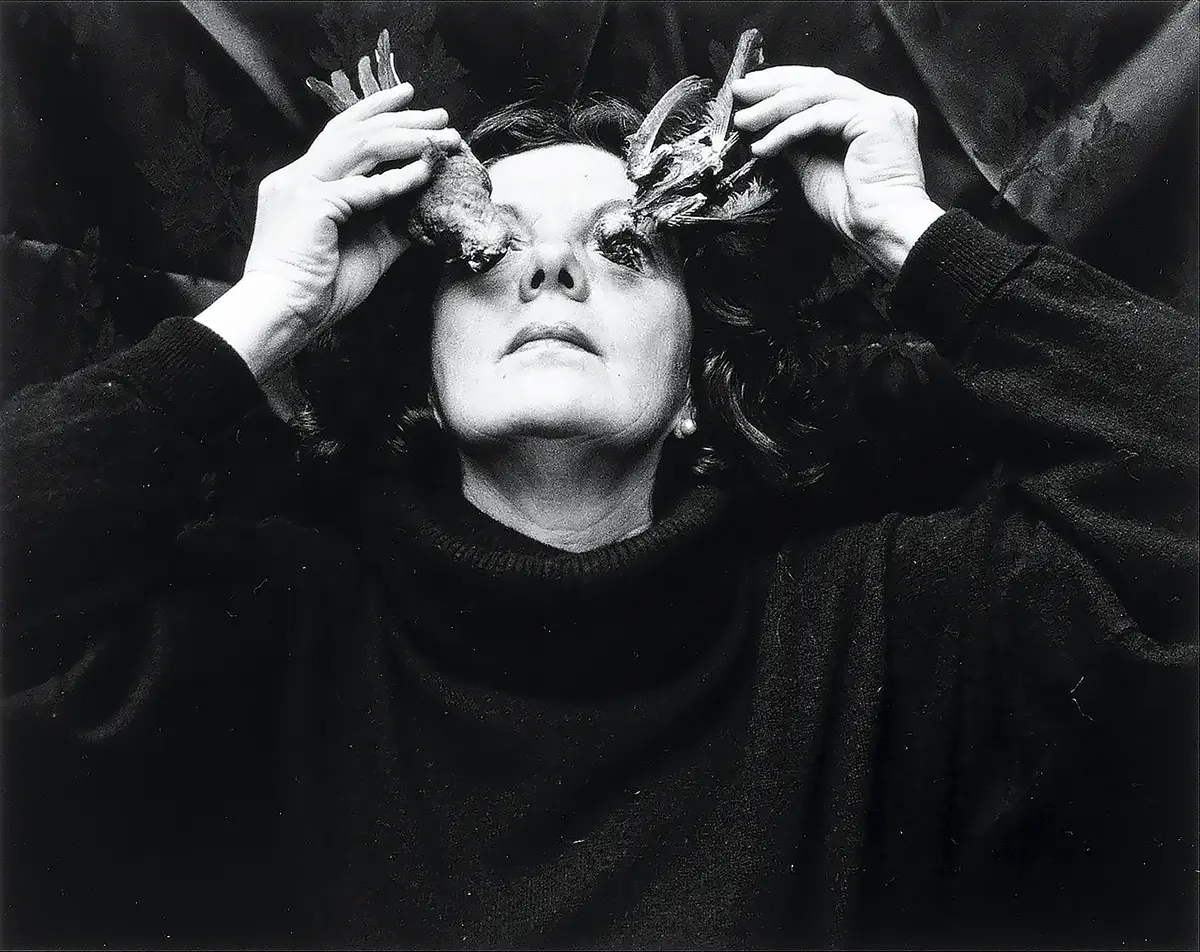
Since its beginnings, Fotográfica Bogotá has sought to influence the Latin American art scene by positioning itself among the region’s most important visual arts festivals, and although this seventh edition featured well-established masters of the genre such as Great Britain’s Michael Kenna, Chile’s Pablo Valenzuela, The Netherlands’ Teun Hocks, and Mexico’s Graciela Iturbide, the biennial recognizes the importance of providing a space for experimentation and the emergence of avant-garde visual culture.
Among the standouts in this recent edition is the work of Russian photographer Danila Tkachenko; his series Restricted Areas documents the current state of abandoned buildings and architectural complexes. Remainders of the Soviet Union, formerly symbols of technological progress that survive only as structures where ideological meaning has now become an invisible monument.
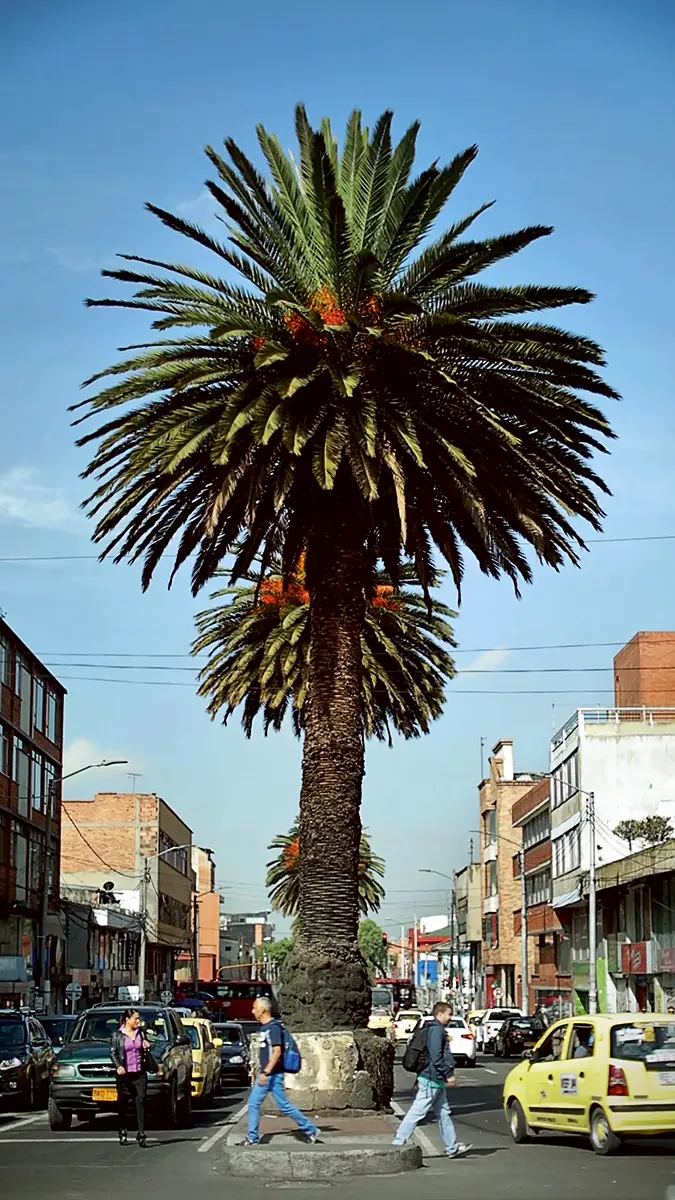
Another project visually exploring the experience of time in the city is the series Huelgos y vaivenes (Idleness and Sways), by Colombian photographer Guillermo Santos, exhibited at the Museo de Artes Visuales de la Universidad de Bogotá Jorge Tadeo Lozano. His production threads together different modes of contemporary artistic creation, where trees in the city of Bogotá simulate “still images in motion” that prompt a meditative contemplation of the hypnotic sinuosity of the foliage.
Seen in perspective, the agenda proposed by photographers, artists, and curators, as well as the different professionals and members of the academic community who took part in Fotográfica Bogotá 2017 last May and July, shed clear light on the current state of visual experimentation, where the notion of Territories connects ever more complex languages and artistic expressions.
No doubt photography makes it possible to bring together different local visions of the territory and creates a collective awareness of urgently pressing issues that societies must confront. Visual diplomacy deals with crises in migration, the climate, and the economy, transforming decisive instants into memories that trace the line we must follow as photographers face up to misery and are able to transform the anxieties populating a common, colonizing gaze that seems to liberate itself every time it frames, shoots, and archives.
NOTES
1. D. Bushnell (2017: 60), Colombia, una nación a pesar de sí misma. Bogotá: Planeta.
2. J. Marzo (2006: 22), Fotografía y activismo: textos y prácticas (1979-2000). Barcelona: Gustavo Gili.
ALEJANDRO JIMÉNEZ PÉREZ
Industrial designer and museographer. Docent at Universidad de Bogotá Jorge Tadeo Lozano. Colectivo Comisariado.