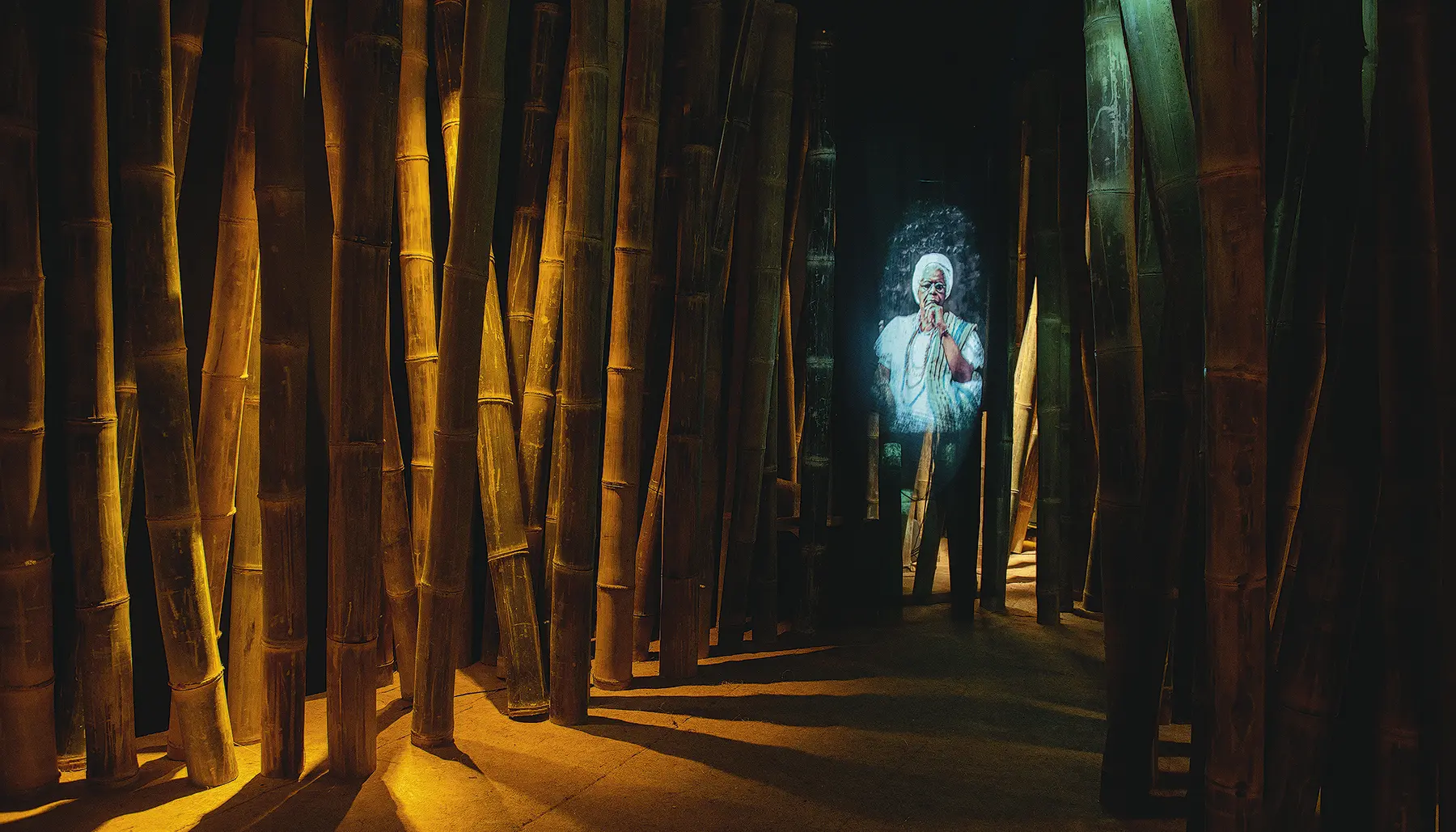
Oxalá, Iemanjá, Oxum, Euá, Nanã, Omulu, Oxumaré, Xangô, Iansã, Exu, Oxóssi, Ossain, Ogum, Logunedé. Pictures may come to mind as these names reverberate. Perhaps vague ideas of their meanings, or detailed facts, symbols, experiences of your own. Perhaps, to some of us, they give nothing away, unpronounceable words. Knowing or not knowing these deities or their meanings is not however a matter of absolute terms. Some Afro-diasporic religions epitomise the condition of those who developed them in displacement: multiple cultures forcibly blended, branching out into equally plural possibilities, their roots not always traceable back generations. Then, Ossain is also Ossayin, Katendê, Agué, even Saint Benedict to some, and their associated elements and narratives are just as varied.
Keep reading this article
This article is exclusive to artnexus subscribers. Subscribe to unlock the full content and our entire archive since 1976.