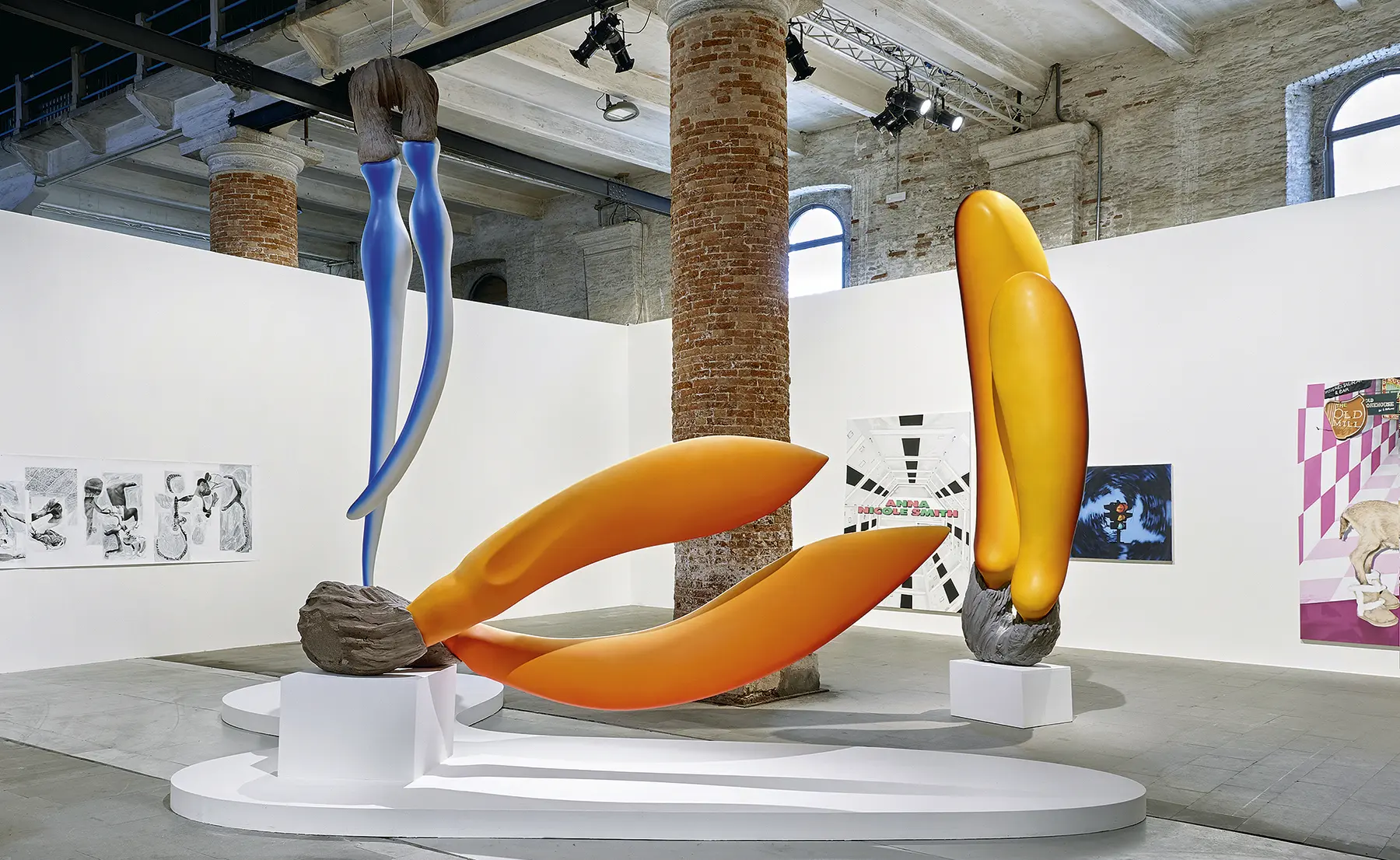
When the seminal text “Sculpture in the Expanded Field” by US theorist Rosalind E. Krauss was published in 1979, a new phase was emerging for the analysis of sculpture, now freed from the traditional burden associated with the concept of monument, so that it was to take on other forms: “categories like sculpture and painting have been kneaded and stretched and twisted into an extraordinary demonstration of elasticity, a display of the way a cultural term can be extended to include just about anything.” [1] Although Krauss was focusing on the continuous changes that sculptural expressions had been taking since the 1960s, I want to bring this text to the present as a benchmark for the analysis of current art practices that hybridize and blend multiple mediums, breaking away from classical categories. Such is the case with Teresa Solar Abboud.
Keep reading this article
This article is exclusive to artnexus subscribers. Subscribe to unlock the full content and our entire archive since 1976.