
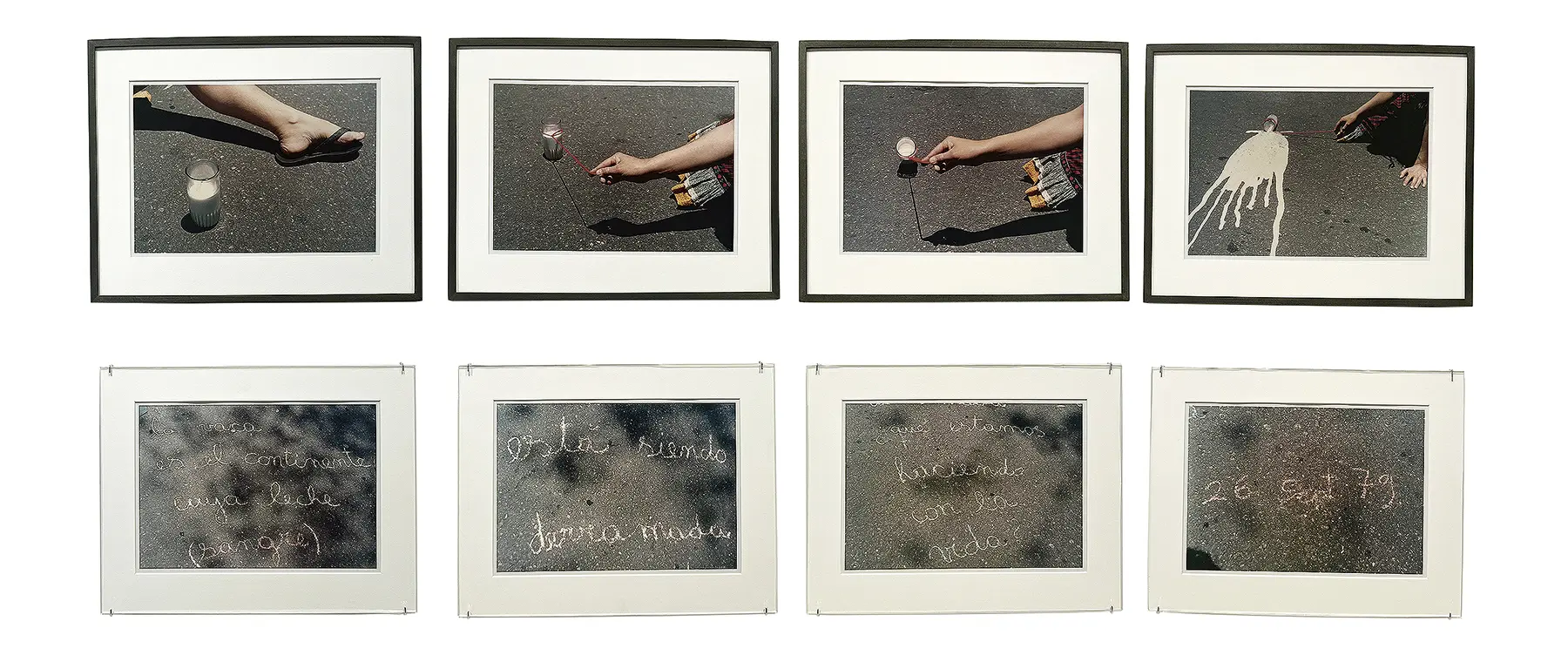
Recently, the art world has witnessed a renaissance in textile appreciation, with starred exhibitions reviewing the role of fibers and fabrics in contemporary art history and practices. Examples of these are Weaving Abstraction in Ancient and Modern Art at the Metropolitan Museum in New York [MET] and Woven Histories: Textiles and Modern Abstraction at the National Gallery in Washington, both scheduled for spring 2024. This renewed interest arises as a response to the historical underestimation of textiles due to intersections of race, gender, and class, which had led to consider the work with fibers to be a minor practice, often performed by women, feminized bodies, and societies considered uncivilized from a Western perspective.
Keep reading this article
This article is exclusive to artnexus subscribers. Subscribe to unlock the full content and our entire archive since 1976.