
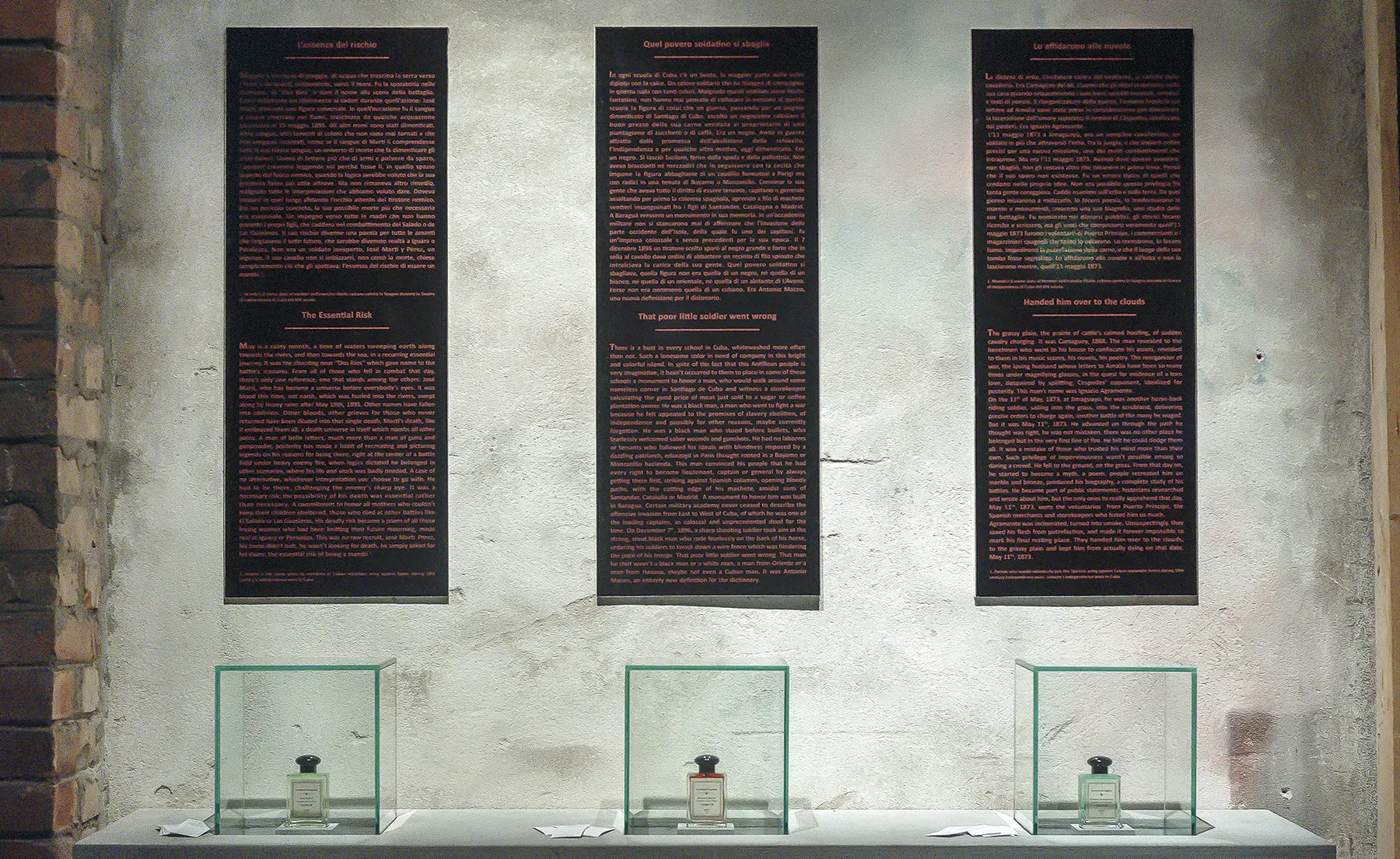
Art has historically been a tool for power to consolidate ideologies, reconfigure national identities, and exercise forms of symbolic domination. From ancient times, through imperial propaganda, totalitarian systems, and all the way to contemporary soft power strategies, art has served to influence public perception, strengthen authority, and shape collective memory. In a world marked by political crises, the collapse of historical certainties, the rise of nationalisms and post-truth, images, history, and art have become a battlefield where memory, identity, and ideology are constantly renegotiated in order to reassess the implications of the past and future in the making.
Keep reading this article
This article is exclusive to artnexus subscribers. Subscribe to unlock the full content and our entire archive since 1976.