Ruby Rumié

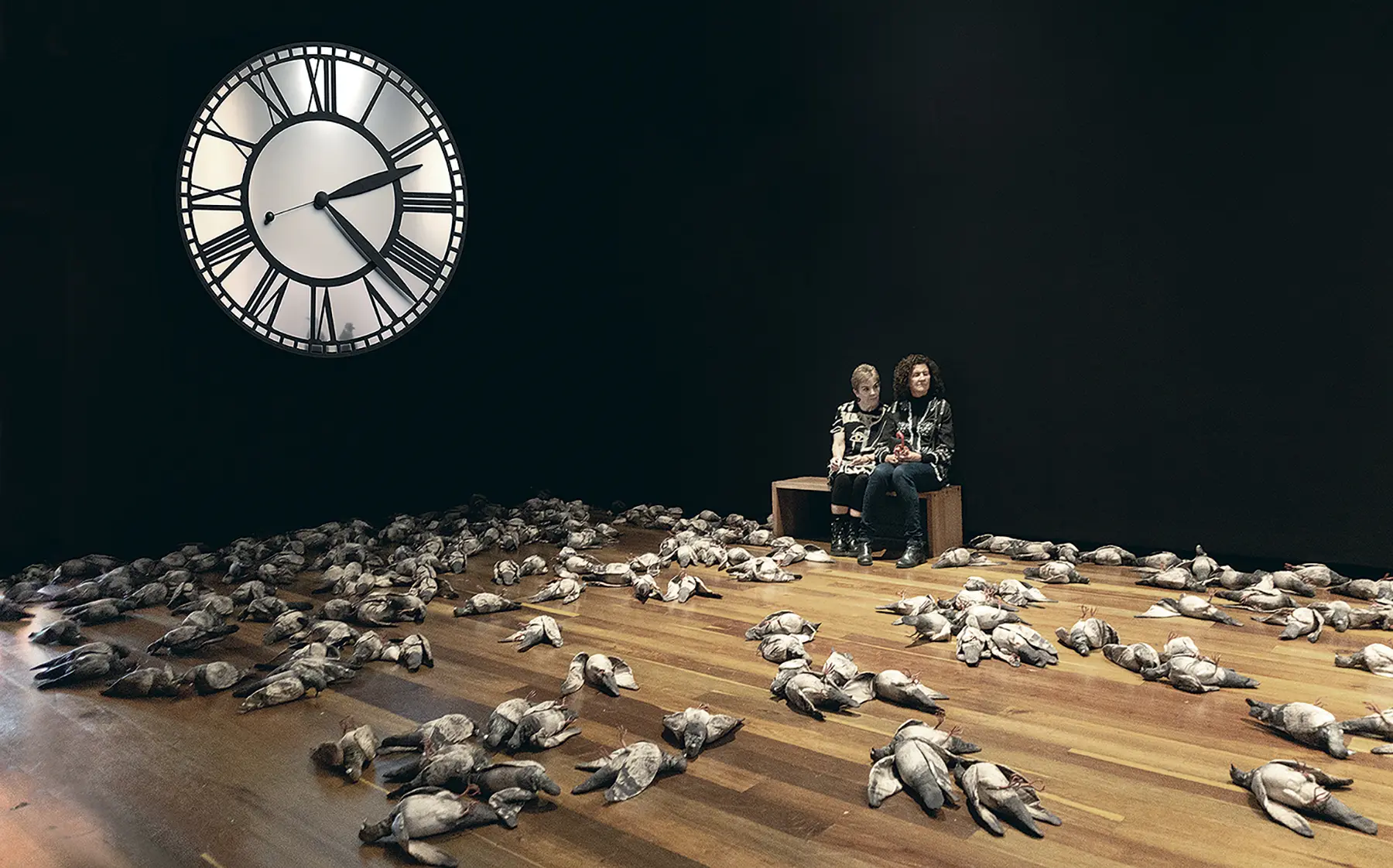
Ruby Rumié. La caída – El tiempo (The Fall – The Time [detail]), 2019-2020. Video – Installation at Galería Alonso Garcés, Bogotá, Colombia, 2024. Variable dimensions. Photography: Ruby Rumié and Roberto Benavente. Courtesy: Ruby Rumié and Nohra Haime Gallery

MonographDecember 2025 – May 2026· By Óscar Roldán-Alzate

Ruby Rumié

Art as a Critical Gesture in the Contemporary Social Fabric

The city of Cartagena de Indias is not simply the backdrop for her work but an active character. In its streets, in its contrasts between opulence and poverty, between tourism and marginality, Rumié finds a social laboratory. The city becomes a palimpsest where art erases, rewrites, and reveals layers of memory. Her work articulates the local and the universal, the personal and the collective, in the same poetic and political operation. Cartagena is, for Rumié, a mirror of Latin America: beautiful and wounded, resilient and silenced, vital and fractured.

Ruby Rumié (b. 1958 in Cartagena) has consistently woven a profound social dimension into her art. Her work amplifies the marginalized, rendering them visible through collaborative practices, interventions, and acts of memory. In Cartagena de Indias, a city where cultural splendor coexists with systemic injustice, Rumié’s practice serves as both testimony and resistance.

Keep reading this article

This article is exclusive to artnexus subscribers. Subscribe to unlock the full content and our entire archive since 1976.

More articles from this issue

artnexus #125 — View full issue