The Foundation of the Arturo Michelena Museum has been presenting some interesting exhibitions on the works of contemporary Venezuelan artists, in addition to its main objective of studying and exhibiting permanently the works of Arturo Michelena, one of the most outstanding Venezuelan painters of the last century. Located in the La Pastora district, the Museum, the former home of the painter, also houses furniture and personal objects belonging to his family.
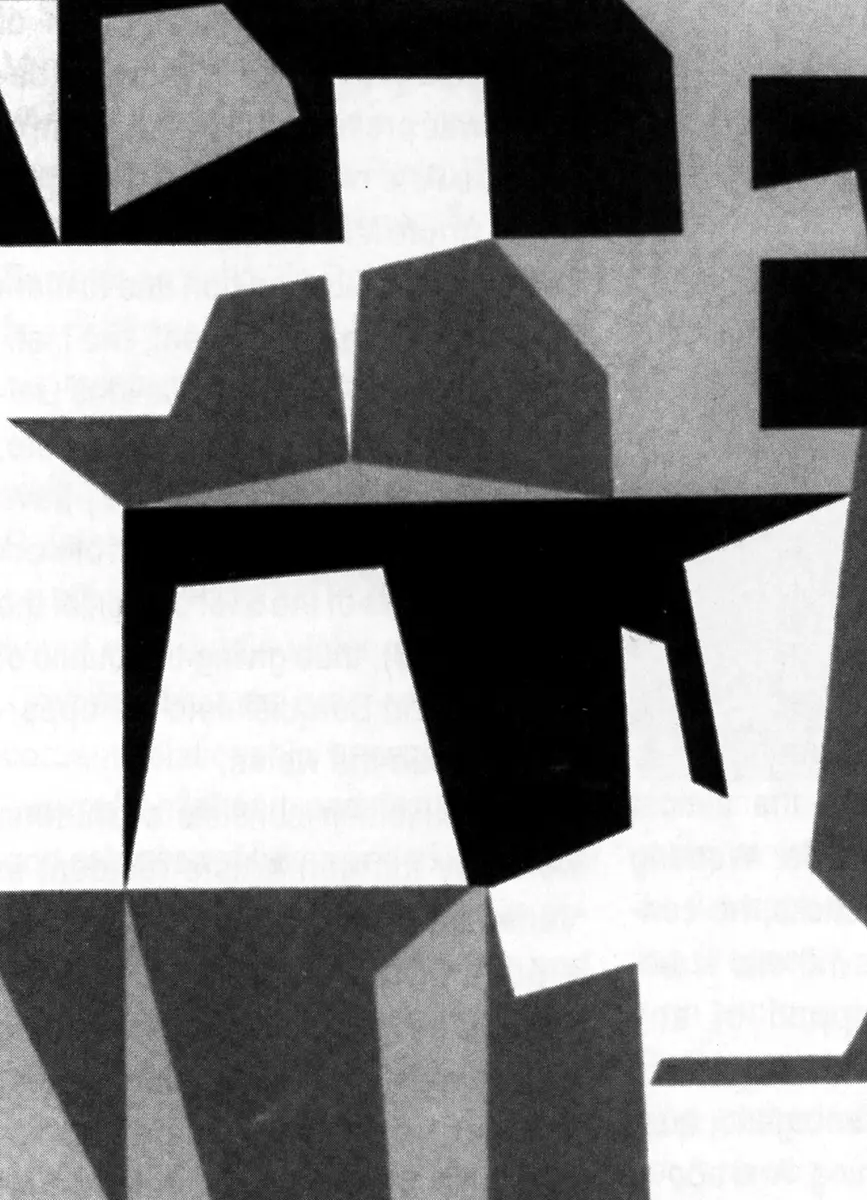
As part of these new activities, the institution recently organizaed an exhibition on Pedro Leon Castro and an anthology of work by Pascual Navarro. This last mentioned show which was small but extremely important, is now travelling in the county. Two aspects of the exhibition are worth emphasizing. First, the actual decision to present works by a figure who during his lifetime was so controversial -a decision which had the virtue of recognizing the contribution and meaning of this artist’s work done betwenn the 1945 and 1965. During those twenty years, Pascual Navarro was an innovator in Venezuela, introducing the concepts of contem-porary art into the country. Although his development was somewhat confusing because if the many changes which it underwent (figurative, expre-ssionist, abstract, abstrac- geometrical and once again figurative with very gestual and expressive brush strokes), all his work, in both painting and drawing, was extremely interesting in artistic terms. Until now it had been properly appreciated or studied. This was the second aspect of this show. The research undertaken by Cruz Barcelo Cedeno, which was rigorous, consisted not only of locating the representative works from the various periods but of the preparation of the catalogue, which as Francisco Da Antonio points out, is a new bibliographical reference which is essential to any study of the artist --and indeed, for Venezuelan art in general and its modernization. The catalogue contains a text by Barcelo, articles by the artists himself outlining his views on art, a detailed chronology as well as excellent photographs of the works and the artist at different periods of his life. After an early figurative period during his youth, Navarro’s work became more abstract between 1950 and 1953 when he lived in Paris (where he went in 1947). It was in that cify that he came into contact with the new artistic trends. He first found inspiration in the expressionist style of Soulages and Hartung; then, influenced by Vasarely and in particular Dewasne, in whose studio he worked, he became interested in geometric art. It was these influences which led him to becoming part of the famous «Dissidents# group made up of Venezuelan artists living in Paris. Navarro became, along with Alejandro Otero, one of the most important champions of the ideas of this group. In 1953, he abandoned geometric art and began to produce figurative works dominated by emotion and expression, a style which was perhaps more in line with his own strong personality. The causes and subsequent development of these changes are fully analyzed by Barcelo.
This anthological exhibition without doubt marks the recognition of the artistic work of Pascual Navarro, who
has unjustly been overlooked by official art history and criticism. The artist spent his life in constant criticism of the cultural institutions of his country and in the end both the man and his work were marginalized in his own country. This exhibition is the beginning of his rehabilitation.
SUSANA BENKO