For a number of years the Bellas Artes Museum of Caracas has been including photography alongside other more traditional forms of artistic expression in its programs. This laudable effort has enabled a representative range of photographers to be appreciated at their true value from the classical masters such as Cartier Bresson,Bischof or Cappa down to younger, experimental photographers of today. One of these photographers is Luis Gonzalez Palma (Guatemala 1957) who represented a large number of his recent work in a show art the Museum entitled Mestizo Angels. Curated by Josune Dorronsoro, a driving force of photographic work in Venezuela, the show had the privilege of being presented in Room 6, on walls specially painted in yellow ochre for the occasion, and with a carefully prepared montage.
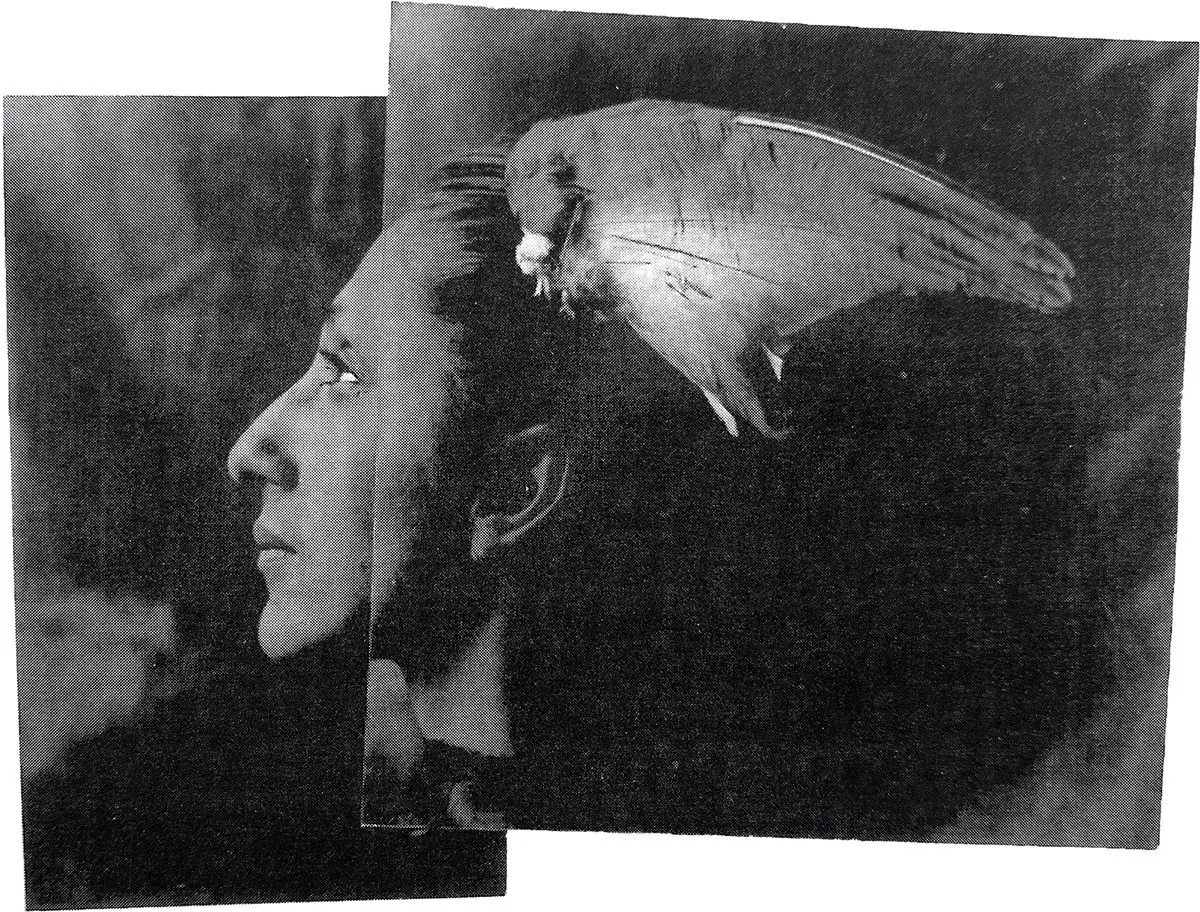
Few Latin American photographers (and specially young photographers) have managed to burst beyond their national frontiers as Luis Gonzalez Palma has. Success came soon after he started his career as a photographer. An architect by profession, his search for a language more independent than that of architecture took him first towards painting and then to photography. He is largely self-taught and his research and experimentation with various materials and techniques have left a very pictorial mark on his career. Asphalt, superimposed images, positive fixing and beeswax textures are some of the means used to create what Josune Dorronsoro has called «photography-installation-collage- graphic work in which the setting is always inspired by the theatricality of Christian ritual». Religion and cultural identity are two of the artist’s recurrent themes, organized in such a way as to create an atmosphere laden with ancestral imaginings.
At the Museum of Comtemporary Hispanic Art in New York. Since his participation in Fotofest 1992 in Houston, his work has attracted both critics and curators. The profoundly mestizo nature if his themes led to invitations to participate in various exhibitions around the world during the Vth Centenary celebration in 1992. Since then the price of his work on the international market has risen to levels almost unknown for a Latin American photographer. His first contact with the Venezuelan public was in November 1993, during the Latin American Photography Encounter held in Caracas. A small part of his work was presented at the Breaking the Margins collective show at the Alejandro Otero Museum of Visual Arts, where the artist himself gave a workshop on photographic invention which was attended by Venezuelan photographers of the standing of Nelson Garrido and Alexander Apostol. But it was not until this show of Mestizo Angels that the Caracas public was able to have an overall view of the nature of his work. Large format pieces alternating with small works, as well as an intimate and introspective installation at the end of the room, were all rich in inusual symbolism and astonishing poetry. Under a patina of ochres and browns with flashes of pris
tine white, these photographs rework a series of allegorical figures (The angel, The rose, amongst many others) enhanced by a profound and at time painful Latin American vision. The Western mythological heritage this time with indigenous faces and dark skins, an air of nostalgia and old baroque churches, of wax burned for years under mestizo altars.
CLAUDIA LARRAGUIBEL