"Over the last twenty years or so dozens of institutions have been founded with the objective of promoting our knowledge and awareness of contemporary art. The process has gathered pace over the years and accompanied by an intense and varied review of this objective, contributing enormously to the development of new ways of understanding the concept of the museum, influencing even institutions which have already been established. Thus new kinds of museums have been founded, sometimes with diametrically opposed ideas about what their functions should be. Some have appeared or changed their conception to provide a more comprehensive space for the discussion of their interests, directly related to the review of systems which exclude; others have tried to emphasize more traditional concepts such as the universality and unity of art.
The difficult task of establishing what was to be the fifth museum in Caracas specializing in contemporary art therefore raised the inevitable question: why another museum in Caracas?
The premise underlying the inauguration of the "Museo del Oeste" (Museum of the West), under the direction of the Cultural Foundation of the Museo del Oeste (MO), was that of a pilot experiment: the design of the Museum in all its aspects was based on the idea of experimentation. In contrast, the other parallel institutions in the city have been designed and function along traditional lines.
Beginning with its first exhibition, the MO has tried to provide a window for various problems worthy of closer examination: the relationship of the Museum with its most immediate public (the community of the surrounding neighbourhoods); the relationship of the Museum with the rest of the city; the definition of a segment of contemporary art; the interaction between the Museum and multidisciplinary institutions both near and far; and the definition of the activities of the Museum both within its walls and outside. The common denominator of these topics and of the inaugural exhibition itself is the concept of the Museum as a spectacular space. This is particularly relevant in that the Museum is located in an area of the city which is practically devoid of such cultural institutions: indeed, with the exception of the park in which the Museum is located and the Museum itself, none of the main areas of this part of the city are actually identified by the name of its cardinal point of the location.
As a result, our museums have shown the work of leading artists from the northern part of the western hemisphere as well as of others from Latin America as a whole - and collections have been formed with works by these artists. However, there has always been a void regarding the most contemporary proposals and no public collection contained works by artists who have recently begun to acquire an international reputation, such as Jac Leirner, Doris Salcedo, Arturo Duclos, Gabriel Orozco, Alfredo Jaar, Felix Gonzalez-Torres, Guillermo Kuitca, Julio Galan, Meyer Vaisman, Eugenio Dittborn, Cildo Meireles, Fabian Marcaccio, Saint Clair Cemin, Jose Antonio Hernandez Diez, all of whom, amongst others, will be included in the new Museum's collection.
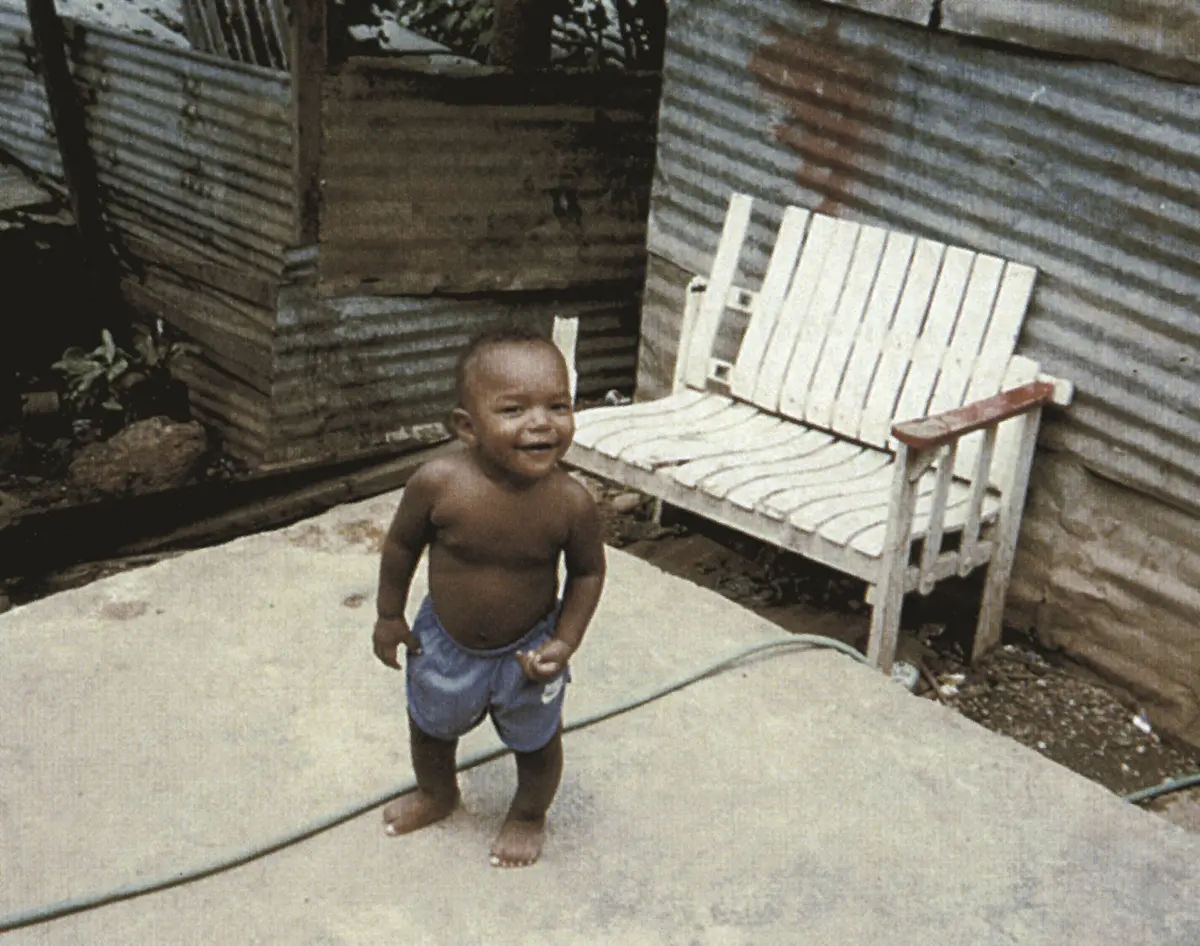
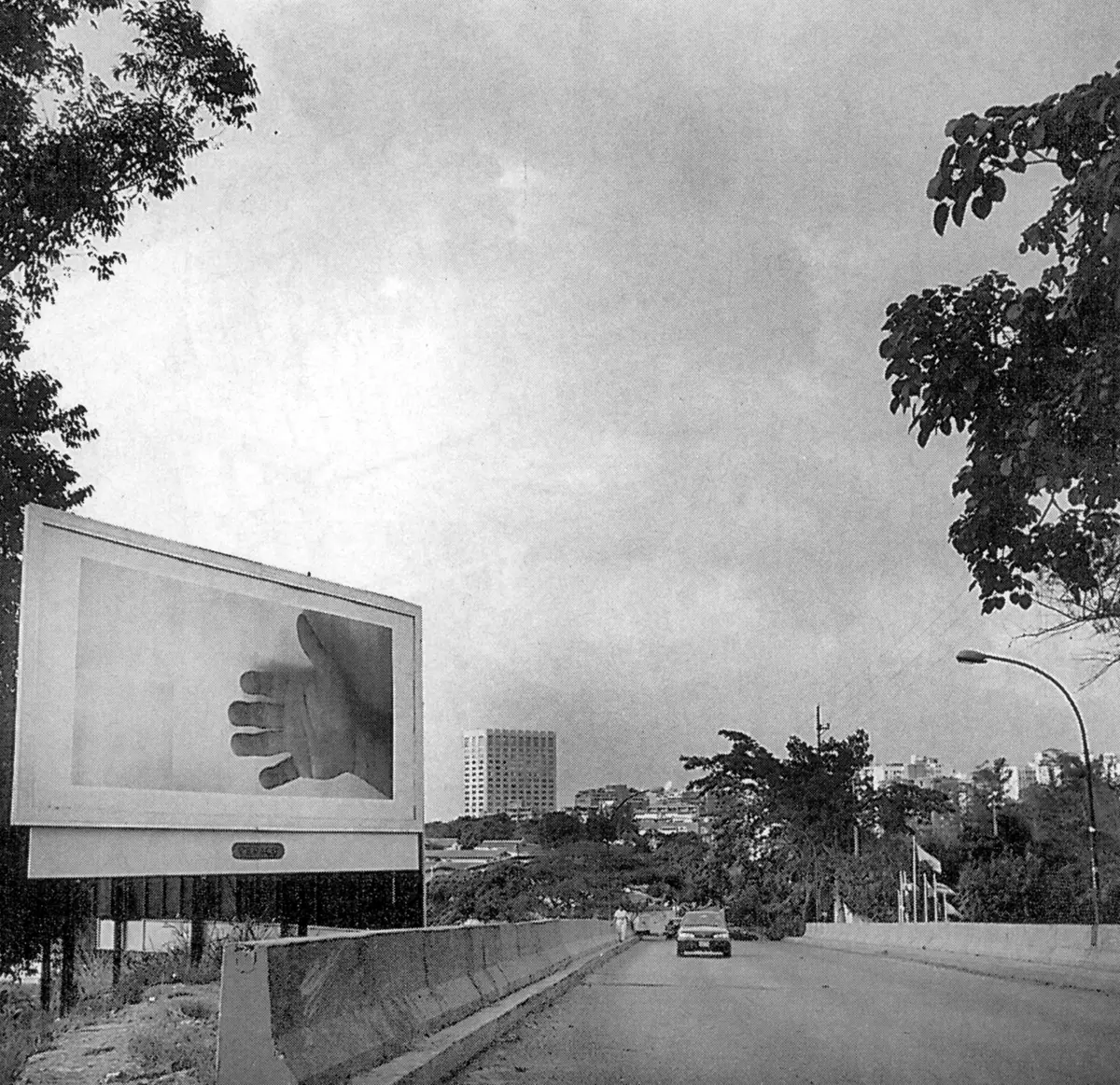
From the curatorial standpoint, the show makes an analysis of the relationship between the artist, the museum and the public through specially executed works by the four artists. Jaar and Gonzalez-Torres presented projects dealing with the relationship between the Museum and immediate surroundings and with the challenge of the city. In the case of Jaar, the project is being carried out in direct collaboration with the inhabitants of the surrounding neighborhoods. Lucid Camera, the title of the work, went through a number of stages with the direct intervention of the artist: first the problem of community attitudes towards the Museum, which led to the definition of a project in which disposable cameras were distributed amongst the neighbourhood inhabitants so that they could capture their own images more than 400 which will be shown in the Museum. For his part Gonzalez- Torres decided to present a project consisting of some twenty billboard advertisements located through the city, each of which presents the same image of a black and white photograph of a hand. A replica of the image used for the advertisements is exposed in the Museum, accompanied by a photographic map illustrating the location of the advertisements. The idea is to allow the Museum to find in the city more than just space for its expansion – rather a space for reflecting on the ideological urban network. Fernandez and Lamelas proposed projects which are actually developed within the Museum, although from very different perspectives.
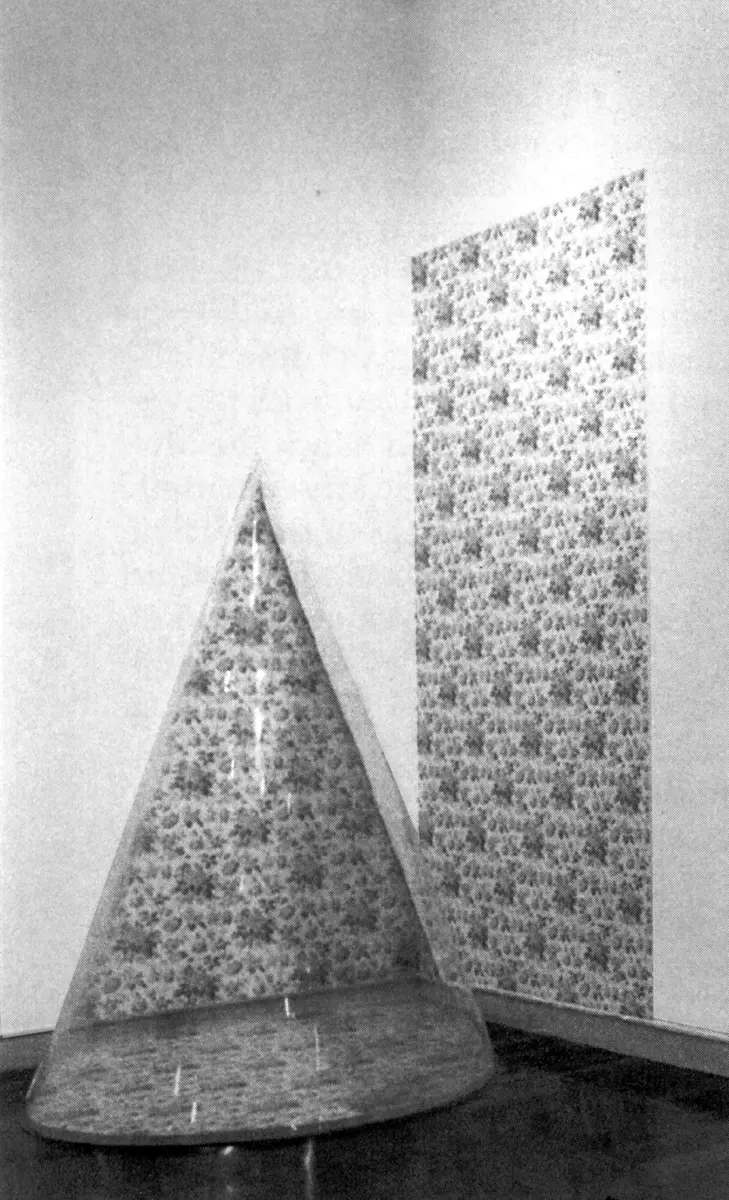
Fernandez offered a critical view of the ethical content projected by any museum institution in an installation which occupied two floors of the building, entitled Sketch for a Natural History of Eden. The installation uses different methods of emphasizing the segregated nature of sexual space which has been excluded by the laws of decorum established over the centuries following the expulsion from the Garden of Eden and the separation of man from nature.
The Museum creates a metaphorical echo of this exile. Finally, Lamela's project, the result of a number of visits to Caracas, consists of the installation of a forest of trees in a two-level space from the ground floor down to the basement.
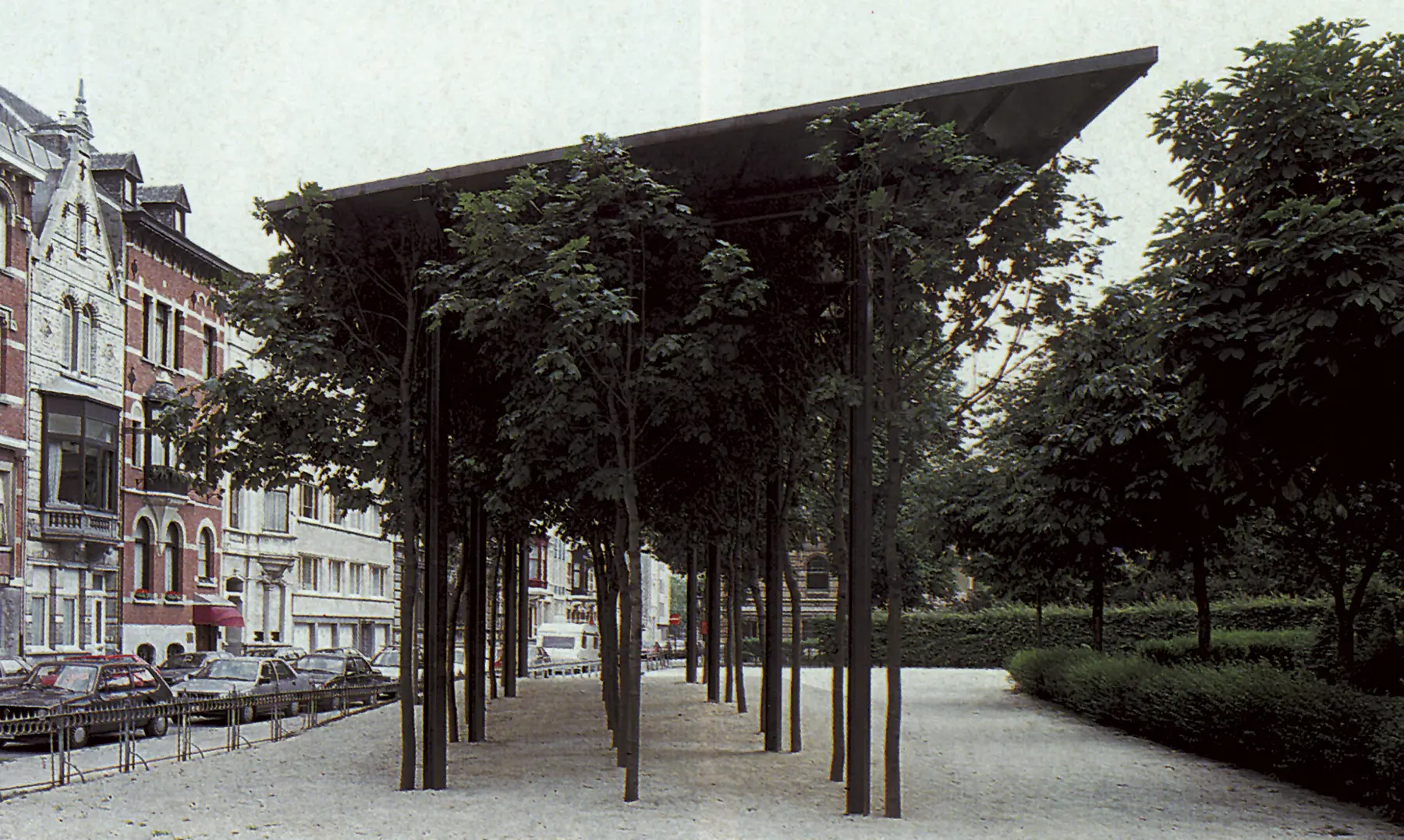
The work, which was supervised by a technical team of engineers, architects and botanists, is primarily intended to ensure the survival of the trees.Titled Artificial Paradise\ the work also refers to the setting of the Museum within the park and the way in which it has been executed makes the spectator wonder whether the Museum was actually built directly over a pre-existing wood or whether its functions also include that of a botanical garden.
The next show programmed aiter Fourth Wall is a one ma™n exhibition by Sigifredo Chacon, considered to be Venezuela's leading abstract painter. The show will be curated by Miguel Miguel, and cover Chacon's work from 1990 to the present. As with all the other programmed exhibitions, it will be accompanied by a fully illustrated catalogue, with texts by the Argentinian critic and curator Carlos Basualdo.
The Chacon show will be followed by The Camera Politic, curated by Carlo Frua and Joyce Nereaux, which will, for the first time in our country, examine the way in which photography can manipulate existing realities through political statements, the ambiguity of photography as a representation of events and the way these processes place more and more question marks over the confidence which we have acquired that the image-message is the equivalent of reality. Most of the artists included in this show have never (or only rarely) shown their work in Venezuela: Dennis Adams, Victor Burgin, Hans Haacke, Alfredo Jaar, Ronald Jones, Barbara Kruger, Daniel Martinez, Adrian Piper, Kiki Smith and Krzysztof Wodiczko.
Jesus Fuenmayor
Art critic and curator. Executive Director of the “Museo del Oeste”.
JESUS FUENMAYOR