

The text which curator Geraldine (Gerry) Biller wrote specially for the catalogue of the exhibition entitled Latin American Women Artists 1915-1995 includes a quotation from the book entitled Defense of Elitism by William A. Henry 111 which is both astonishing and shocking, Henry said that: We could eliminate all the women writers, painters and composers who have ever existed from the stone age down to the present without significantly distorting the course of Western culture. Of course, some individual artists of merit would be sacrificed: "I would deeply miss Jane Austen and George Eliot, Sigrid Undset and Willa Cather. But they would be very few if they were really big, and it would be difficult to sacrifice one that has radically changed a form instead of realizing it so simplistically." Biller maintains that women artists in Latin America have gained recognition in their respective countries, but that outside, for example, in the United States, it has been the men artists who have received most recognition, such as Wifredo Lam, Fernando Botero, Roberto Matta, and Joaquín Torres-García. She thus sets out to show the work of 35 women artists over a period of almost 100 years—a pioneering task which runs counter to the "machistic" views which have been used to belittle the creative work of women and their role in the recent periods of universal art. The word "recent" is important here because the appearance of women artists in history is a phenomenon that can be considered part of modernity. There were a few hesitant examples of this process in Europe at the end of the nineteenth century, and a very small number during the Impressionist period. In Latin America, a special case was that of Mexico, which had some women artists in the nineteenth century. Some questions arise in this connection. If women have always been, numerically speaking, in the minority, does that mean that they have received less recognition than men? If so, why? And if not, also why? And it is not a question here of examining the problem in sociological terms, about which much has already been written.
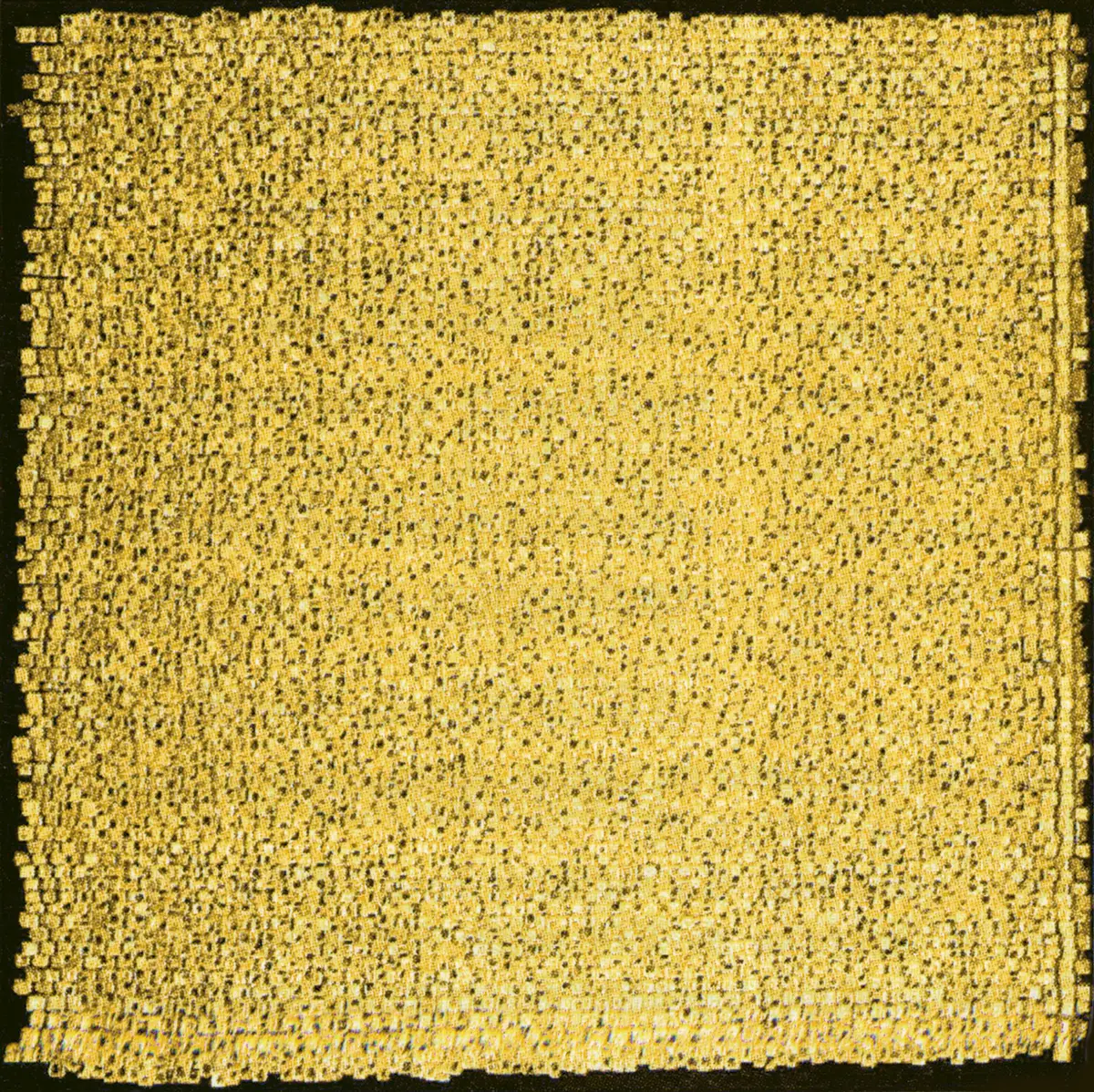
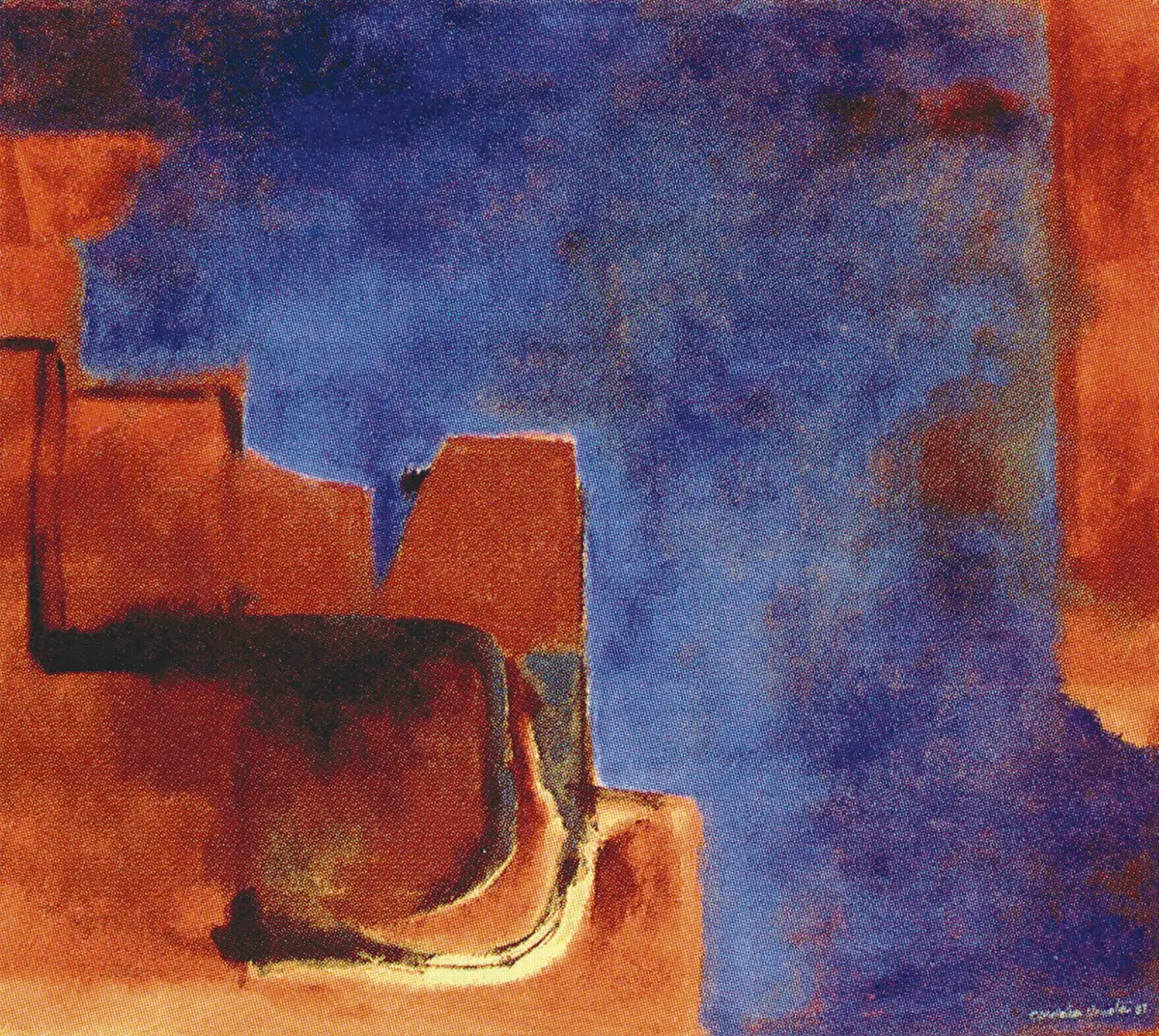
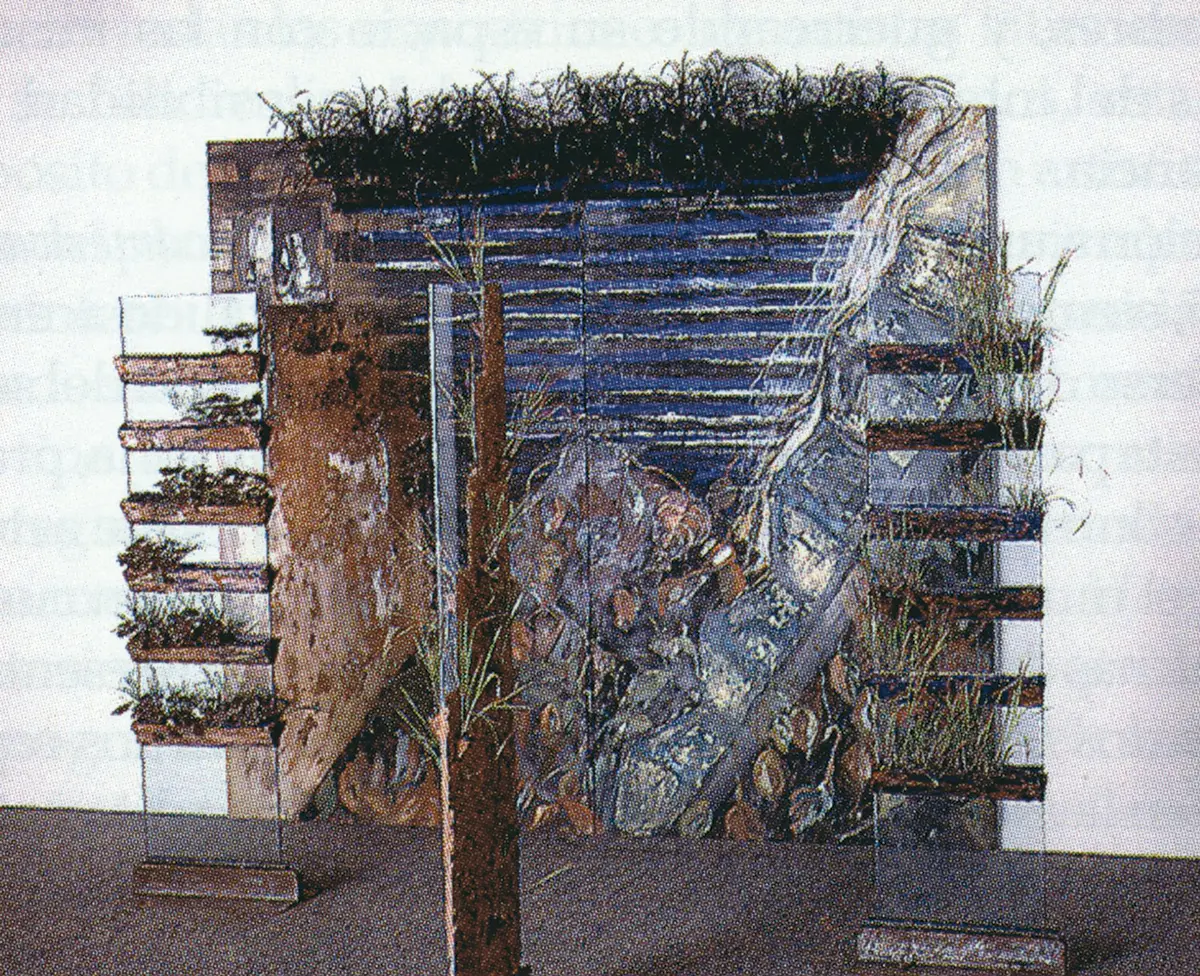
It is obvious that there have been many more men artists than women artists. It is also clear that more men have distinguished themselves as "creators" than women, the reference being to those who have made significant contributions to the history of art. In the case of women artists, they are proud of being "creators" in the universal sense, not because they are "women," and so their aesthetic positions do not make use of the categories of difference, or any special attitude to what is considered "feminine." It is difficult to accept that a painting by Tarsila do Amaral, Anita Malfatti, or Amelia Peláez, to name just a few from this exhibition, can be defined as being works by women artists as distinct from men artists. These women, too, embarked on the search, in the light of new proposals, for solutions to their particular artistic interests. In the work of the artists presented in this exhibition, there is a direct confrontation with traditional formal schemas. Women artists in Latin America, as everywhere else in the world, differ from their male counterparts in that their work has been associated more directly with the existential experience of everyday life, that is, everyday life in which cognition is the fundamental problem. The work is a definition of the object of desire, aspirations in the light of a visible reality. It is not surprising that the work of Tarsila do Amaral (Brazilian landscape), Marina Nuñez del Prado (the Andes and the condor), Elba Damast (the house), or Ana Mendieta (the land and human beings) is (or was) a direct confrontation with the visible world to transform it into a magical experience in which the innermost part of the ’being” and its relationship with visible reality produce a creative set of associations established by the artist with life itself. It is obvious that all artists have the same system of reference; what changes is the artist's conception of the world and the nature of spiritual needs, as well as the direction which these take. In their conception and perception of the universe, women artists try to establish links between their intellectual and intuitive systems, and thus move closer towards an exploration of their own condition as women, not as "females" but as "human beings." Thus, their system of reference functions at the earthly, human, and humanistic levels. There is no doubt that women artists act like any other creator and express in pictorial terms a specific attitude towards "visible" reality, and that this specific attitude also includes a vision reflecting certain intellectual and spiritual concerns which may differ from those expressed in a work by a man. Why is this? The objective experience of reality is appreciated with greater sensitivity because, in the act of creation, the "psychic" element also provides a good deal of stimulus.
In Latin America, women artists began to emerge at the beginning of the twentieth century. Appealing to their memory and without many historical references, the first included the Brazilian Tarsila do Amaral and Anita Malfatti, who, like their male counterparts, were interested in renewing the artistic environment in their country, basically during the first two decades of the century. From this point on, there followed a slow revolution which gathered pace as the century progressed through the post-modernist period. During all this time, women artists have gathered ground in a medium internationally reserved for men, and have used the same arms to defend themselves—those of intellect, creativity, sensibility, and perseverance.
In the case of an exhibition such as Latin American Women Artists 1915-1995, there is always the doubt about the validity of looking at art in terms of gender. The reply would seem to be ambiguous, and even contradictory, and likely to further the widespread confusion which already exists in the world of the visual arts. Taking into account that in many of the major shows which have been organized in the United States, women have generally been less represented, it can be said that Latin American Women Artists 1915- 1995, which originated in the Museum of Art of Milwaukee, makes a further contribution to our knowledge and appraisal of the work of Latin American women artists. However, it should be recalled that the exhibition of Latin American art organized in the MoMA in New York by Waldo Rasmussen, which began in Seville in 1992 and ended its journey in New York, paid due homage to the importance of women artists.
One aspect of the works presented in Latin American Women Artists 1915-1995, like that of many other works not included in the show, is the fact that they cannot be taken in isolation from the formal and conceptual ideas that have permeated Latin American artistic creation throughout the century. Each artist offers, in visual terms, the different sentiments and thoughts through which human beings have seen themselves. In line with her times and circumstances, each of these women has been able to be an artist without any complexes vis-à-vis their male colleagues. One of the major examples here is Anita Malfatti: the show included three of her paintings from 1915, the oldest in the exhibition, whose work from then on marked the beginning of an avant-garde movement in Brazilian art.
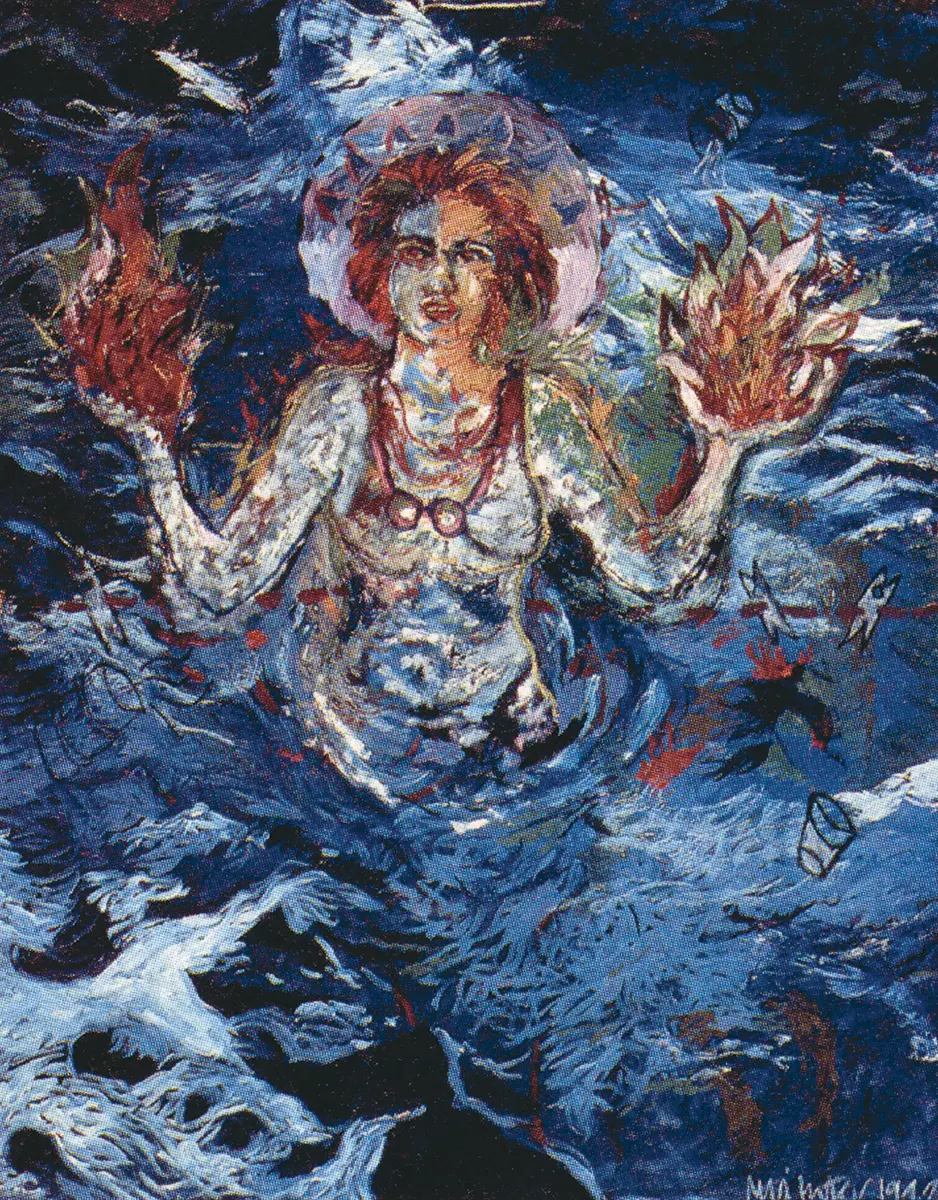
Geraldine Biller was the curator who presented the project to the Milwaukee Museum of Art of Milwaukee, following her interest in the subject, which she acquired during her ten years of residence in various Latin American countries, and her experience as an art historian. Her objective was to organize an exhibition of work by women artists "whose art was known nationally and internationally, but which had never been shown as a single body of work." This objective was fully achieved in this show, which contained a coherent group of works that are historical and artistic landmarks in the development of Latin American art of this century. Taking into consideration the obvious limitations of selection, the selection process was difficult, and the final result produced a total of 35 artists. Biller was at all times aware that any selection means exclusion, and that in this case, important artists were excluded. However, with 35 artists, the curator certainly respected her criterion of producing a sense of innovation and variety, including cultural and geographical diversity (11 countries were represented) and diversity of media, content, and style, as can be read in a press release on the exhibition. Biller took into account five aspects in he selection: artistic innovation at the national, regional or international levels from the beginning of the century up to the present; the relationship between the work of the artist and the multiple cultural and social influences to which she was exposed; the interconnection between the artists and their respective generations, in their own countries and in other Latin American countries; and the presence or absence of the subject of gender as expressed in the work themes of each in their artistic lives. Biller left it for the public to decide whether there is or not any particular aesthetics of Latin American women artists (I referred to this point at the beginning of this article)—whether their feelings are expressed in self-portraits, family portraits, domestic scenes, or specifically in terms of a sex-based community ethos. Here she uses a remark by Marta Traba concerning two aspects of modern Latin American art: one that is being closely bound up with international currents, and taking from these what it needs to express itself in a language of paraphrase, and one that forms an "image bank," based on popular art. She quotes Marta Traba's observation that the "two-fold animation of cultured art and popular art produces a social impregnation which undoubtedly is the common denominator of modern Latin American art. A knowledge of such a denominator makes it possible to establish a relationship with, and even an understanding of, our society." With these remarks in mind, Biller asked a number of questions, which she tried to answer through her selection of works. They included such questions as: Do these artists express this denominator in a different way than men? Could the powerful self-portraits of Frida Kahlo or Mari Mater O'Neill have been created by a man? Do the intimate portraits and interiors painted by María Izquierdo, Olga Costa, and Elena Climent, or the carefully constructed definitions of the feminine body by Rocio Maldonado or Ana Mendieta, reveal the sex of the artist? Would a man have chosen to depict a house as a means of defining his space, as Elba Damast does? Or a kitchen, as in The Aromatic Kitchen of Granny Moorhead, by Leonora Carrington? All of which would justify the view that "if the perspective of women is different from that of men, all the more reason to show the art of women, thus emphasizing the unique nature of feminine expression and its importance in the history of art, in this case, the history of Latin American art."
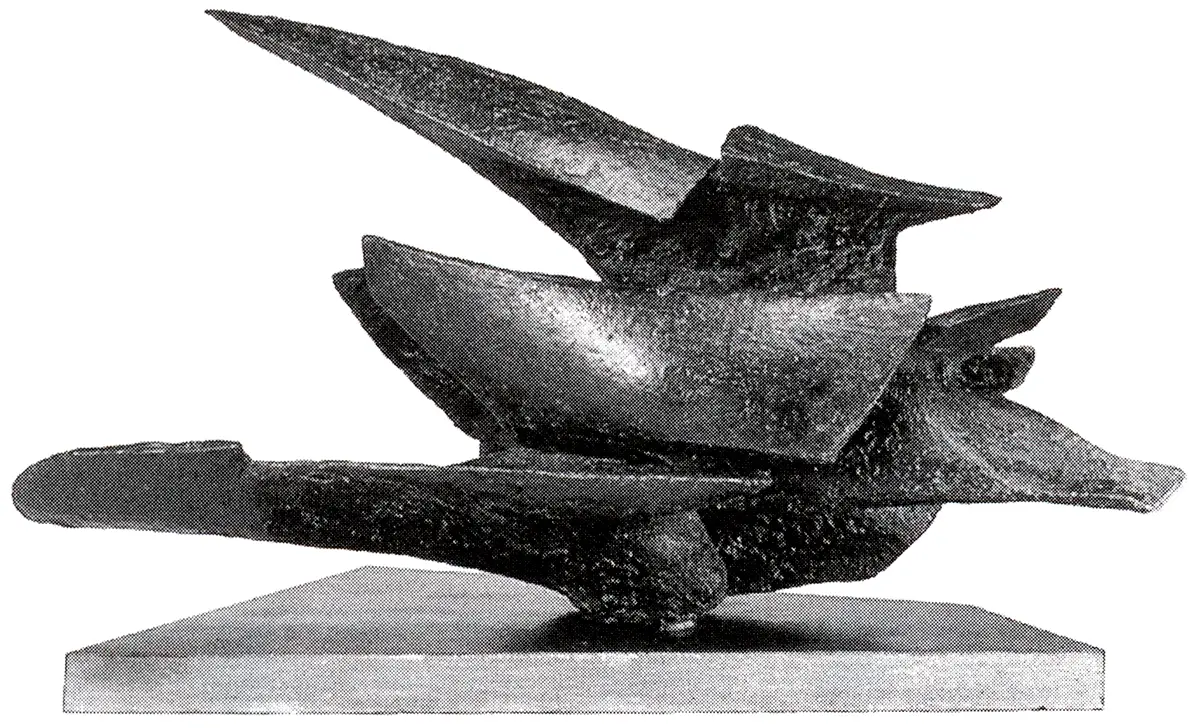
This is, in fact, the first exhibition of work by Latin American women artists in the United States, including painting, sculpture, textile art, art on paper, and mixed media installations. From the Milwaukee Museum of Art (March- May), the show will go on to the Phoenix Museum of Art (July-October), then to the Denver Museum of Art (October 1995-January 1996), and finally to the National Museum of Women in the Arts in Washington, D.C. A handsomely illustrated bilingual catalogue with full color reproductions and texts by Edward Sullivan, Marina Pérez de Mendiola and Bélgica Rodríguez accompanies this show, which has been sponsored by the Philip Morris Company. The artists selected by Biller are, in alphabetical order: Rosa Acle (Uruguay, 1916-1990), Olga de Amaral (Colombia, 1932), Tarsila do Amaral (Brazil, 1886-1973), María Magdalena Campos-Pons (Cuba, 1959), Leonora Carrington (England, 1917; arrived in Mexico in 1942), Leda Catunda (Brazil, 1961), Lygia Clark (Brazil, 1920-1988), Elena Climent (Mexico, 1955), Olga Costa (Mexico, 1913-1993), Elba Damast (Venezuela, 1944), Raquel Fomer (Argentina, 1902-1988), Gego (Gertrud Goldsmidt) (Germany, 1912-1995; arrived in Venezuela in 1939), Beatriz González (Colombia, 1939), Sarah Grilo (Argentina, 1921), Ana Mercedes Hoyos (Colombia, 1942), María Izquierdo (Mexico, 1906-1955), Frida Kahlo (Mexico, 1907-1954), Jac Leirner (Brazil, 1961), Rocio Maldonado (Mexico, 1951), Ana Malfatti (Brazil, 1896-1964), Mari Mater O'Neill (Puerto Rico, 1960), Ana Mendieta (Cuba, 1948-1985), Marina Nuñez del Prado (Bolivia, 1910), Tomie Ohtake (Japan, 1913; arrived in Brazil in 1937), María Luisa Pacheco (Bolivia, 1919- 1982), Catalina Parra (Chile, 1940), Amelia Peláez (Cuba, 1896- 1968), Alicia Penalba (Argentina, 1918-1982), Liliana Porter (Argentina, 1941), Soledad Salamé (Chile, 1954), Fanny Sanín (Colombia,1938), Mira Schendel (Switzerland, 1919-1988; arrived in Brazil in 1949), Tilsa Tsuchiya (Peru, 1932-1984), Cordelia Urueta (Mexico,1908) and Remedios Varo (Spain, 1908-1963; arrived in Mexico in 1940).
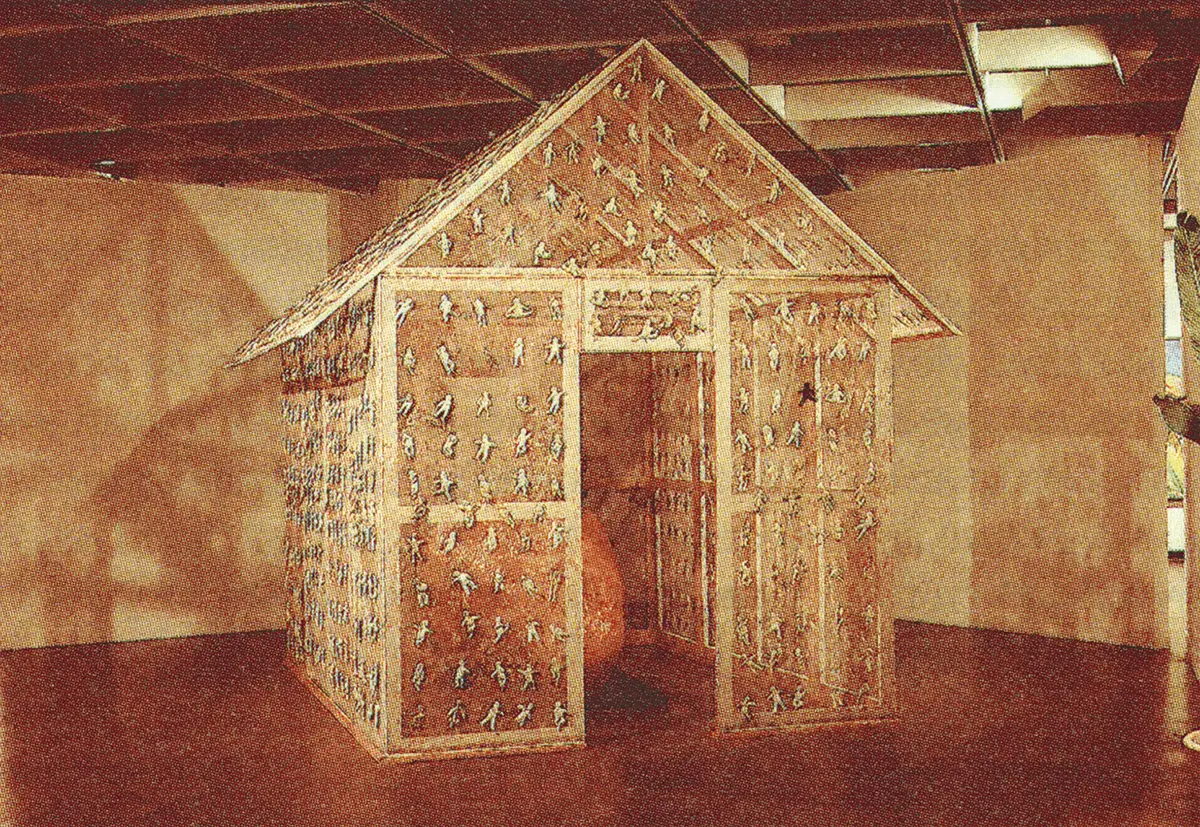
The show is organized chronologically. The first section consists of figurative works and drawings from 1915 up to the middle of the century; the second section covers the period 1945-1975, with paintings, sculptures, and drawings reflecting the international artistic trends, such as geometric abstraction, constructivism, surrealism, and expressionism. The third and final section reviews the period 1975- 1995 and includes works marking the return to figuration and the multiple styles and media characteristic of this period. Within these chronological sections, the works are grouped together by country. These two sets of categories make the visual and stylistic reading of the works both coherent and easy. The exhibition is also well presented in museographical terms, and although the 150 works on show comprise only a small fraction of what has been done by women artists on the continent, the curator has managed to give an overview of the development of the plastic arts in Latin America, with a selection which successfully highlights the main contributions. During this period, women artists carried out, and continue to carry out, their artistic work with the same enthusiasm as male artists, with the knowledge that creation and its products require a true historical awareness, great ethical strength, and profound honesty.
Like all the exhibitions of Latin American art that have been organized in the United States, this show is designed to enhance knowledge and awareness about artistic production in a part of the world in which the country has shown little interest. This is a noble aim, and the effort has borne its fruits. But we should now understand that this kind of show has fulfilled its mission, and our strategy should now be directed towards examining the development of Latin American art within the context of the hemisphere. The analysis of this development should not be isolated in "monographic" terms from what is happening in the field of the visual arts in the American hemisphere. Only if our terms of analysis have chronological, generational, artistic, conceptual, and spiritual references that encompass the whole of Latin America and which allow comparisons to be made with what has happened in the United States and Canada will we be able to know our place in the history of universal art, and have that place duly recognized by all. Frida Kahlo is the most well-known artist from the group in North America, because of her self-portraits and, in particular, her very dramatic life and unconventional behavior as a woman and artist. But that is not enough. We need to know and recognize art in Latin America as a whole and not something separated from the rest of the planet.
To conclude, and without in the end knowing whether we should distinguish male artists from female artists (the same dilemma arises in the case of poets), but convinced that both men and women can be creators at the same level of skill, without any difference due to sex, and that an artist is above all a human being, I should like to quote from a text I wrote for the catalogue: The Latin American artist has made use of intuitive impulses, oscillating in the production of images between tension and chaos, proposing a personal mythology which is a fusion of the profane and the sacred. The symbolism has been mythical, a vision full of personal poetics and related to a real context. Images with a multiplicity of contents and references of a local cultural, political, and social kind. Visual language, therefore, in terms of images, is bound to reality. The commitment is engaged with any of the steps of that reality and with what is internationally artistic.
Like all the exhibitions of Latin American art that have been organized in the United States, this show is designed to enhance knowledge and awareness about artistic production in a part of the world.
BÉLGICA RODRÍGUEZ
Art critic, specializing in Latin American art. M.A. Courtauld Institute of Art, London University. Doctorate in Art History, La Sorbonne, Paris. Former President and Honorary President of AICA International. Former Director of the National Art Gallery of Caracas and the Museum of Art of the Americas, OAS, Washington, D.C.