Overcoming the mood of uncertainty generated by the presidential election campaign, this new edition of Arte BA’95, the fourth, achieved higher volumes of sales in terms of quantity and price, as well as an increase in the number of visitors, thus confirming the economic and institutional strength of this event.
The Recoleta Cultural Center houses stands by fifty-five galleries, including ten from outside the country, representing Brazil, Spain, the United States, Uruguay, and Venezuela; the three auction houses present include both Sotheby’s and Christie’s. There were also stands by some twenty art and cultural publications, with six from outside the country, including ArtNexus.
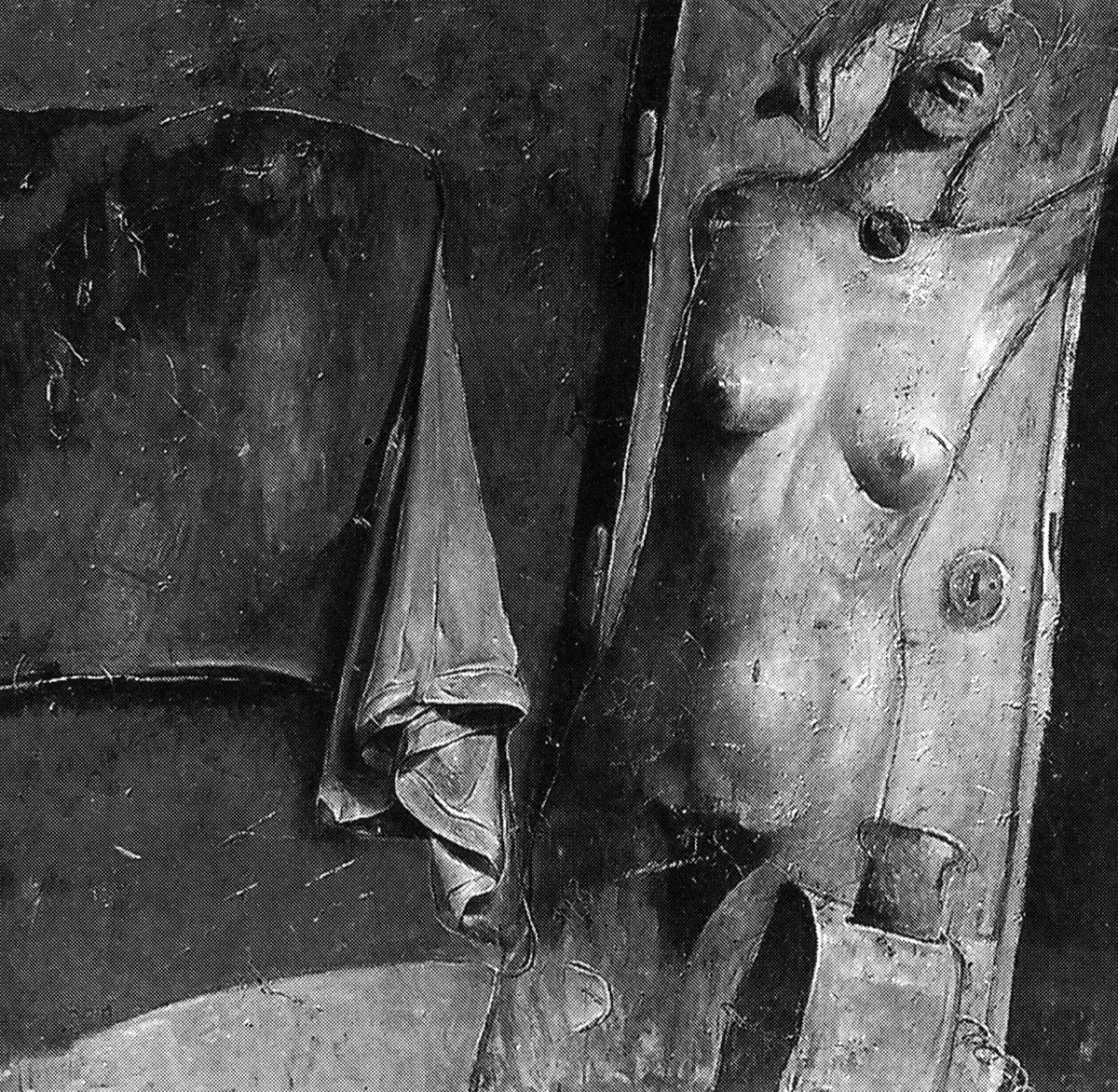
Some 50.000 visitors came to the spacious rooms and galleries of the Recoleta Cultural Center during the ten days of the fair, and according to estimates by the organizers at the end of the event, sales exceeded 400.000 dollars. The top figures were for works by the Argentinian artist Roberto Aizenberg, Guillermo Roux, and Rómulo Macció, with 25.000 dollars for the first and 20.000 dollars for the other two. The lowest figure was 200 dollars, making a total of 200 commercial operations. The revelation among the foreign participants was the Russian artist Grisha Brushkin, presented by the international Marlborough Gallery, with sales totaling more than 48.000 dollars. The Spanish Manolo Valdés, represented by Fandos, maintained his prestige from previous fairs, with sales of around 30.000 dollars. The surprise among young artists at this fair was Alejandro Boim (Buenos Aires, 1964), who sold six works. He was presented exclusively by the El Socorro Gallery; he has lived in Paris for five years and was unknown in our country.
The fair did reveal some unevenness in the different proposals of the galleries, including even in the prestigious ones, with very few significant works being presented and a lot of pieces of lesser importance. Another point worth noting is that most of the foreign galleries presented Argentinian artists; perhaps their reluctance to take risks was due to the economic and political climate at the time of the fair. At this edition, the spacious patios were used
for the presentation of sculpture. The organizers selected artists from the provinces, most of whom were unknown, thus giving them an important opportunity to make the public familiar with their work.
ALBERTO COLLAZO