
The difference between the installations done by most young Colombian artists and those of Fernando Arias is that the latter generate immediate effects of curiosity, acceptance, or rejection. From his first works, for example, Analysis presented at the Museum of the National University in 1992, Cold Room, which won a prize at the 1994 Salon of Artists, and Seropositive, at the Fifth Havana Biennial in 1994, Arias has managed to make all kinds of people realize that there is something rather different about his installations. The difference does not lie only in transgressing a boundary but in giving form to social and cultural contents that are excessive, invasive, or even spectacular. In the above-mentioned works, the theme was AIDS; the plaquettes with infected blood were dispersed, like the disease, over the floor, or the visitor was obliged to cross over them, in a chamber which suggested an amphitheater. Fernando Arias seemed to be working not with materials but with evidence, and for this reason, space and spectator were tied together, contaminated, and violated.
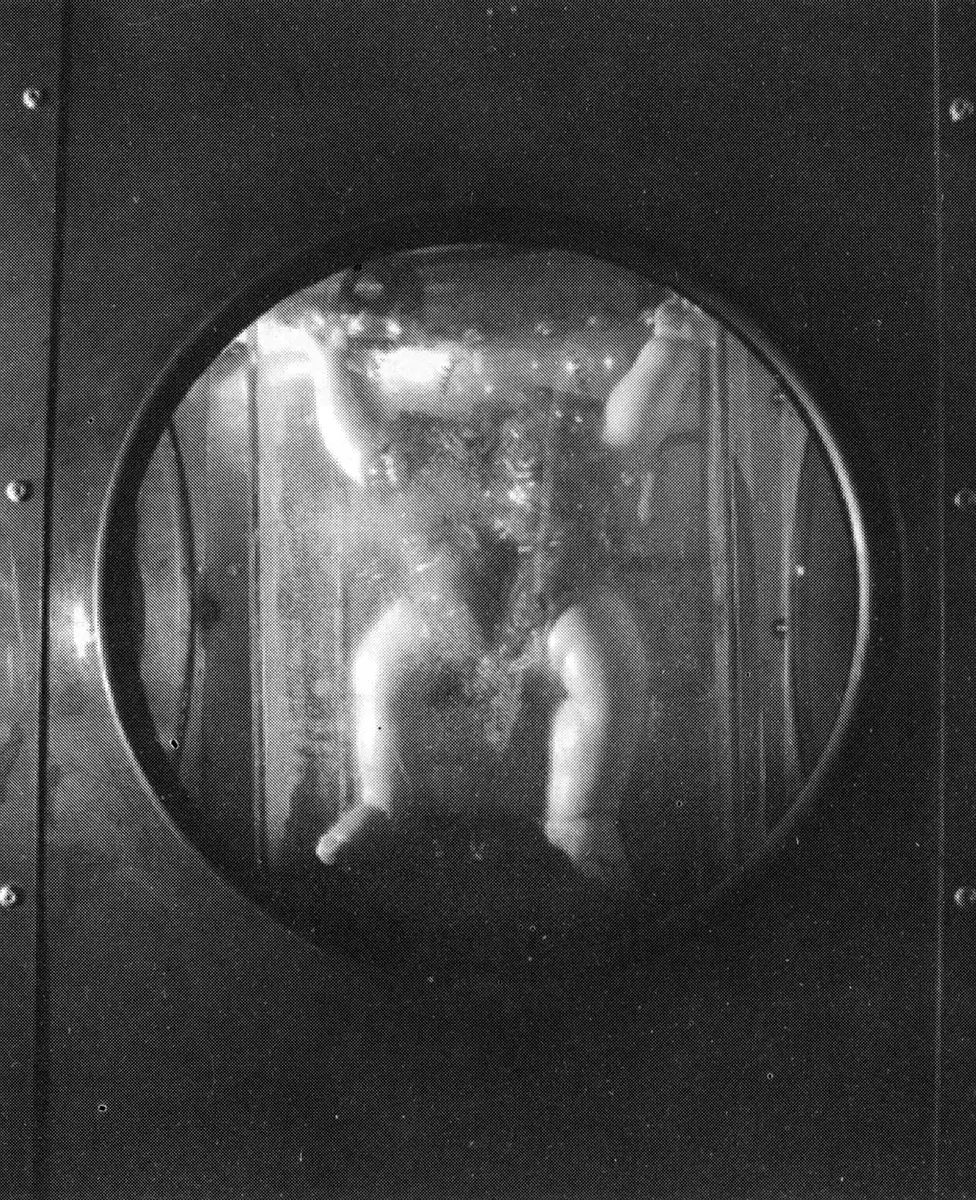
Whereas most installations by young artists consist of a series of fragments or subjective elements, where the visitor is required to construct for himself a network of meaning because the artist has ingenously decided that the piece should be "completed" by the spectator, arguing that this was the only legacy of the last work by Duchamp, Arias gives his spectator no truce: he seizes him and involves him blatantly in the work. It is important to remember that Arias studied advertising, and although we all know that art is not only communication and has more to do with desire, symbols, and obsessions, his works achieve a precise condensation of ideas within a form and open up a number of immediate channels of communication.
In Lust, the work which Arias presented at the Arte 19 Gallery last January, an electronic eye, like some hidden hunter, detected the person falling into its trap and immediately established direct and intimate contact with a spectacle which can be seen every day, the "desire for pleasures of the flesh," but which in this case was not presented as in the pictures of Fragonard or Boucher, with their exquisite courtesy and lack of awareness that "the dance would lead to death." In Arias’s work, the spectacle becomes a cancer. But what was terrible was that the crucified mass of flesh and plastic writhing before us was fascinating. The spectator was astonished, seduced, and nauseated by the scene, which continued to haunt the mind, because violence and seduction are but two sides of the same coin, and if not, let’s ask Quentin Tarantino.
NATALIA GUTIÉRREZ