
This Biennial had a unique feature, namely that of allowing popular art to compete alongside "cultured" art. Although the theoretical problems of these classifications and their relationship are complex, the decision was a practical step towards breaking down hierarchies that undervalue vernacular production. It was the result of the vision of Ticio Escobar, one of the most important cultural critics of Latin America.
The event was also an attempt to stimulate and promote contemporary Paraguayan culture within the consolidation of democracy underway in the country. Organized by Martel and the Visual Arts Center, and presented in the Cultural Center of the city, it bore witness to the solid work of a group of leading intellectuals who—and this is unusual—hold cultural posts in the Municipality of Asunción.
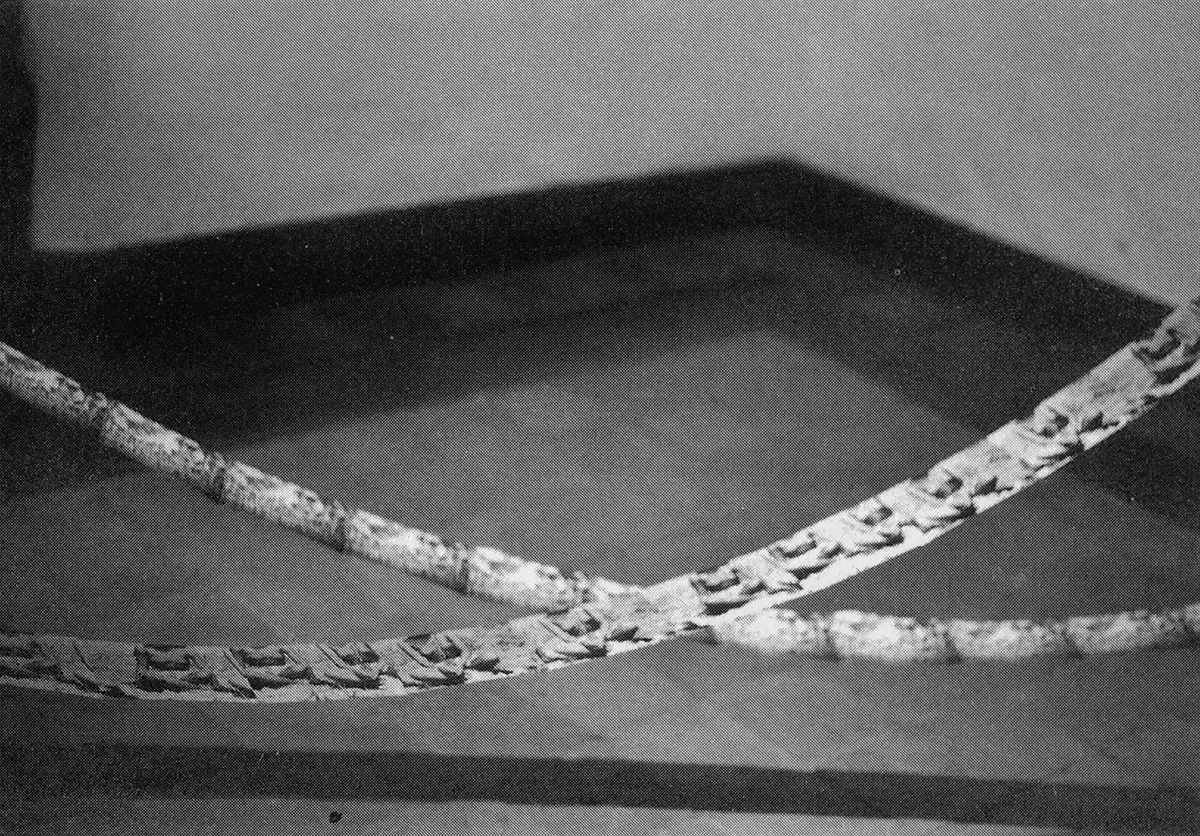
An international jury awarded the prizes. The most pleasant surprise was that the Grand Prize went to Juana Marta Rodas and Julia V. Isidres, two extraordinary artists of popular ceramics. The popular art prize also went to another magnificent ceramic artist, Ediltrudis Noguera. The sculpture award went to Javier Guggiari, the drawing prize to Nelson Martinessi, and in print-making to Engelberto Giménez, with a mention for Osvaldo Camperchioli. A work that broke the conventions of the genre earned Gustavo Benítez the prize for painting. Fátima Martini’s installation, one of the most successful pieces in the show, won a prize, and Mónica González earned a distinction with another notable work. No prize was awarded for photography, although mentions were given to Carlos Bittar and Jorge Sáenz.
Paraguay has historically suffered from isolation due to its authoritarian regimes, a bitter war, and its landlocked location. The country is now stirring and wants to open up to the world. Culture has an important role to play in this process. The Martel Biennial confirmed the existence of a young movement of unexpected strength (in addition to the presence of such major, though inadequately recognized artists as Carlos Colombino, Ricardo Migliorisi, or Osvaldo Salerno). At the same time, the presence of popular art is paradigmatic of the transition from traditional indigenous culture towards contemporary practice. It was surprising to note that the most interesting works at this Biennial were the least "orthodox," such as the installations and the inventive popular ceramic works.
GERARDO MOSQUERA