In a sense, the title chosen for this sixteenth edition of the Lausanne International Biennial, Chassés-Croisés, said it all, evoking as it does, through the suggestive reference to dance, the sense of coming and going, hustle and bustle, all the essential debates which have characterized textile expression in recent years.
It was in 1962 that Jean Lurcat and Pierre Pauli created what was then called the Lausanne International Tapestry Biennial, in an attempt to make Lausanne the new “Mecca” of a centuries-old tradition. With the arrival in the following years of new works and ideas from Eastern Europe, followed by others from across the Atlantic and Japan, the reference to “tapestry” soon gave way to the use of just the word “textiles,” and which itself was discarded in this new edition of the event, now to be known simply as the “Lausanne International Biennial.”
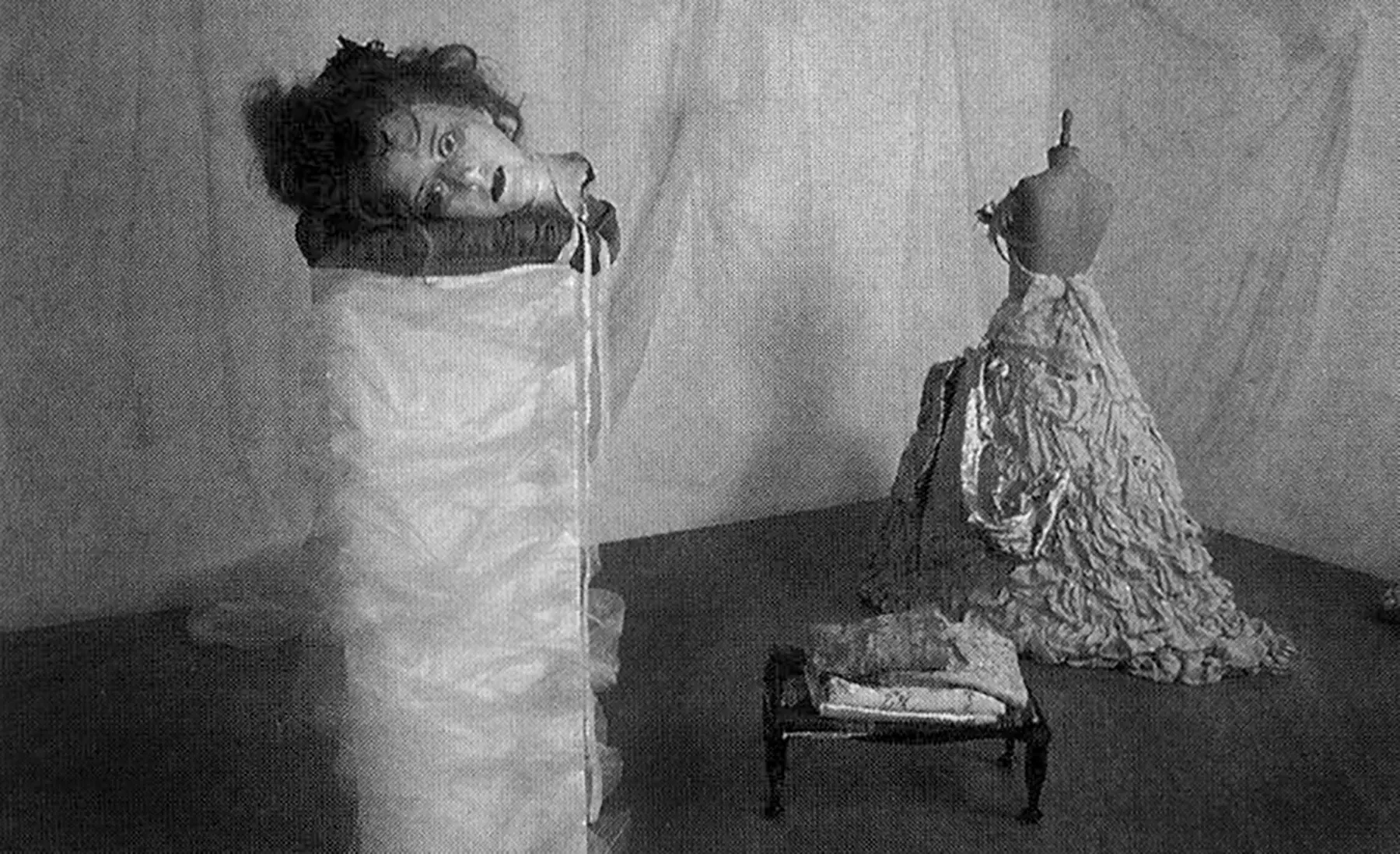
A number of changes have been made in this sixteenth edition. Abandoning the earlier competition format, the three commissaries (Chris tian Bernard, director of the Museum of Contemporary Art of geneva, Toni Stooss, director of the Kunsthalle of Vienna, and Alanna Heiss, director of the Institute of Contemporary Art of New York) decided to prepare a retrospective on an invitational basis which would highlight what had been achieved over the last 30 years, with special reference to a group of master works. The participants included such well-known textile artists as Magdalena Abakanowicz, Jagoda Buie, Hermán Scholten, and, of course, Elsi Giauque, the “grande dame” of the group, as well as several leading practitioners of the “fine arts” who have also made use of textiles, such as Joseph Beuys, Robert Morris, and Christo. The second part of the Biennial, presented at the Museum of Decorative Arts, was entitled Model Apartments, in which six artists—Colette and Maura Sheehan (United States), Eric Hattan and Marcus Geiger (Switzerland), and Peter Kogler and Franz West (Austria)—used textiles or supple materials to explore the relationship between artistic expression and the intimate space of an interior setting (bedrooms, bathrooms, hallways).
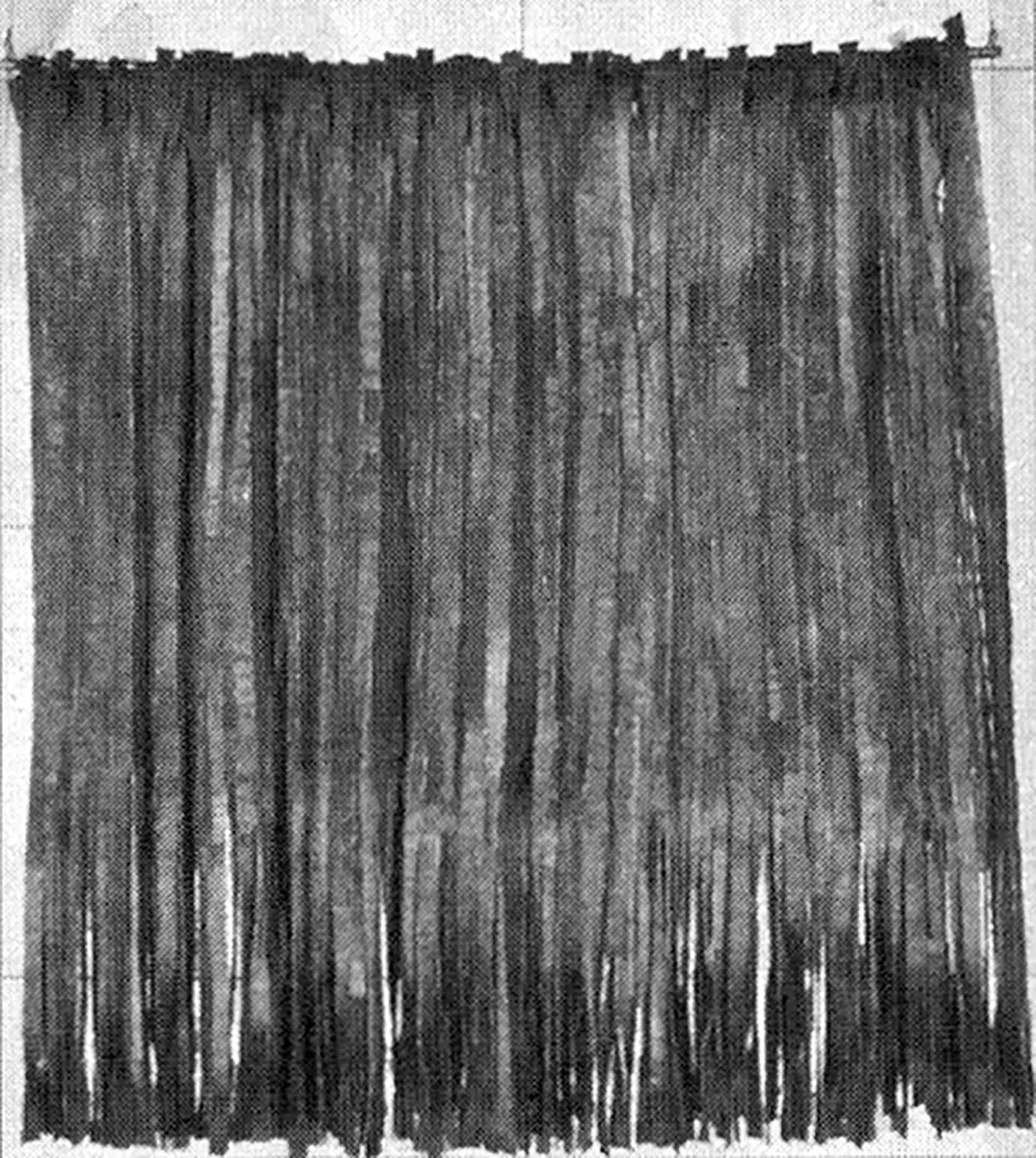
The main event at the FAE Museum of Contemporary Art was a stunning success, achieving what can only be described as a sense of “arrested dance, arrested movement.” On the one hand, there were the works themselves, most of which were almost perfect examples of their art, generating a sense of presence which is one of the hallmarks of excellence. They included Hernán Scholten’s Blaue Wolk (1987), with its palette-like structure and chromatic range evoking both strength and delicacy; Pierrette Bloch’s Fil de Crin (1995), the other dark side of writing, handsomely presented in its own dazzlingly white room; several floor-based as well as smaller pieces by the Japanese Naomi Kobayashis, which seemed to hover between sculpture and philosophy; Abakanowicz’ monumental Abakan Red 1 (1970-1973), an “environment" in the true sense of the term; and two works by the legendary Olga de Amaral, making her eighth appearance for Colombia at this event.
On the other hand —and this is another of the intrinsic qualities of truly excellent art— the sense of presence which all these pieces managed to generate was simultaneously accompanied by countless unspoken references to all the debates and discussions which have long characterized the medium. The rich dialogue which each artist has evidently created and resolved with his or her chosen materials seems to suggest how that other debate — between the “fine” (or plastic) arts and the “decorative” arts— might be most fruitfully conducted. As indeed it was in this exhibition, where the sense of “confrontation” (between works, technique, ideas) was carefully interwoven into a fabric of “parallel histories.”
The second section of the Biennial at the Museum of Decorative Arts was far less impressive and failed to live up to the rather grandiose expectations raised by the otherwise excellent catalogue. These “Installations” (including bathtubs covered in cotton fabric) were perhaps amusing and relatively harmless, but they suggested nothing important for the future and paled terribly in the context of the main event.
BRIAN J. MALLET