
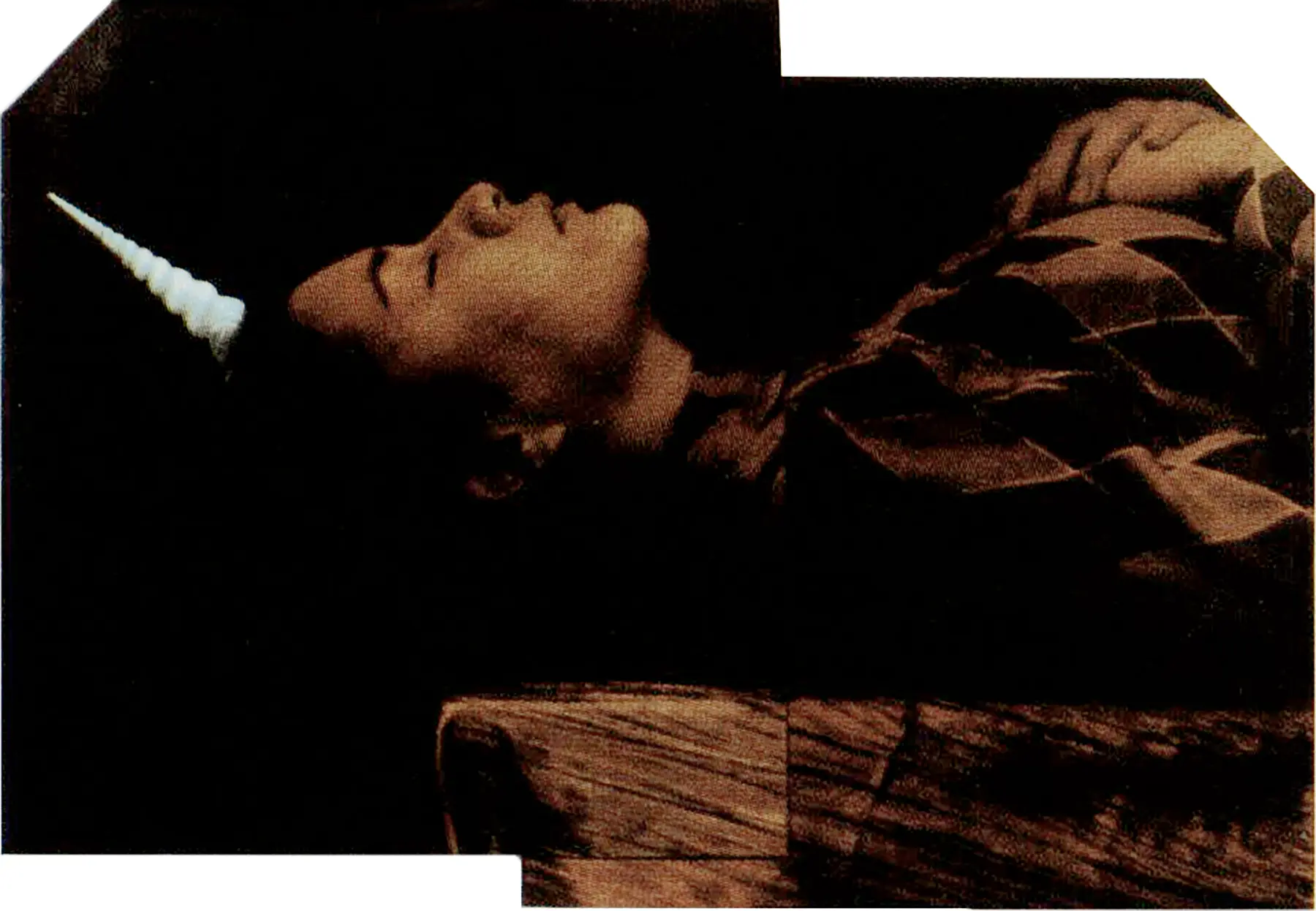
From July 5-10, the IVth Ibero-American Art Fair (FIA) was held in Caracas, with the participation of 33 galleries from Argentina, Brazil, Colombia, Costa Rica, Ecuador, Mexico, Santo Domingo, Spain, Switzerland, and Venezuela. The show was held in the Grand Salon of the Hotel Hilton Caracas, which was converted into a kind of labyrinth for the event, heralded as a triumph in the local press, and confirmed by the large number of visitors who flocked to the Fair—reportedly twice the number of the last edition. All this was possible only through the intense coordination and promotional work carried out by the organizers. Presumably, all this had its effect on the level of sales—which is always the bottom line of events of this kind, even though Ana Josefina Vicentini de Castillo, one of the organizers, did point out that "the most important thing is not to market works, although this must be taken into account, of course. What is really important is... to make the Fair a point of reference in the Latin American art scene, where the public, gallery owners, and collectors can find a forum at which they can show and compare different kinds of contemporary art production."
The FIA is gradually becoming an institution in the Venezuelan cultural market, and of course, the goal is to make it a major event on the peripheral commercial circuits of international art.
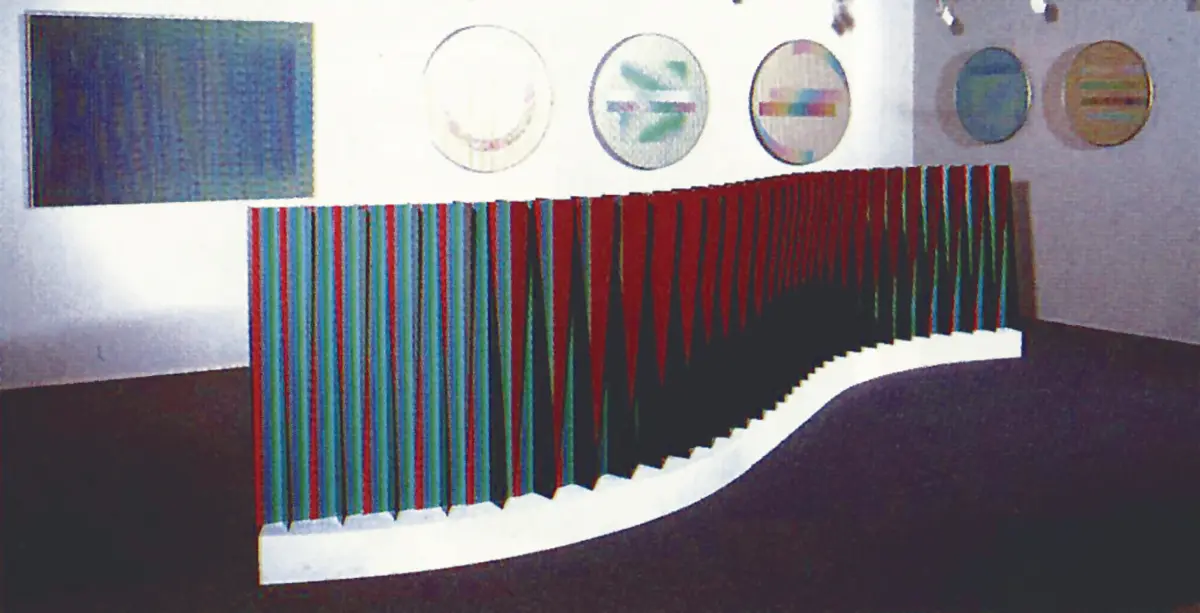
This edition paid homage to the Venezuelan master Carlos Cruz Diez (represented in a one-man show at the CB2 Graphic Gallery from Caracas), who has had a long career in optical-constructivist work, and the well-known photographer Luis González Palma from Guatemala (D’Museo Gallery, Venezuela), who uses post-modernist resources and hybrid techniques to achieve a nostalgic reinterpretation, within a religious context, of the image of the cross-bred woman.
Despite the indiscriminate profusion of galleries and works of very uneven quality, there did remain those stands which, through the excellence of the work on show, managed to offer a more or less coherent view of the development of some of their artists—although they were in the minority. The relentless desire of the organizers to make this Fair a meaningful point of reference at the international level will require a much more rigorous election process—based not on quantity but on quality. Paradoxically, it is here that the potential for expansion really lies.
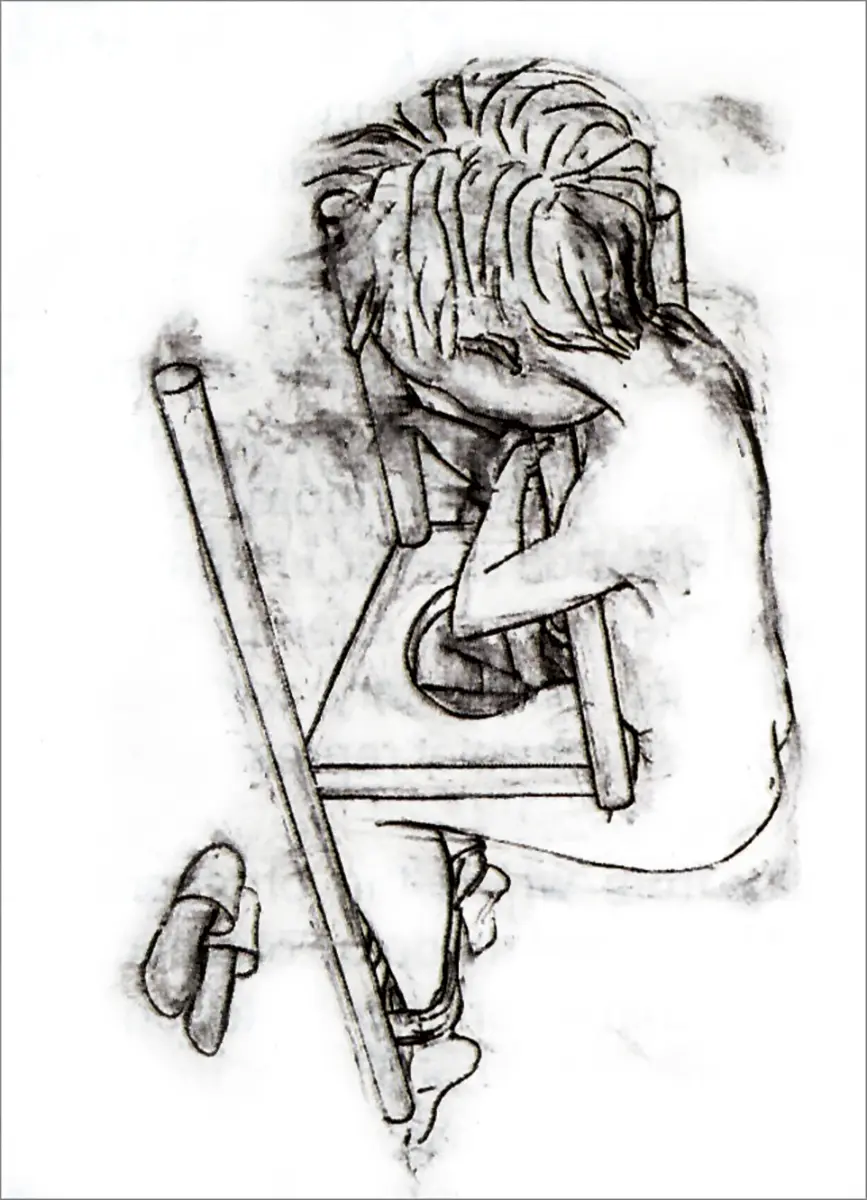
Among the galleries with the best work on offer, there was the Vilaça Gallery (Brazil), one of the most interesting stands, with the selection of works taking into account the limitations in space and curatorial criteria. There was a subtle sensuality in the handling of formal elements (especially the linework, the unifying principle throughout the stand), with the obvious imprint of the concrete tradition at work, but also with a hybrid tendency towards conceptualism. The works included the linear arabesques of Daniel Senise in painting, the virtual corporeity of Leda Catunga, the structural elements in José Damasceno, as well as the enormous embroidery by Ernesto Neto extending over the floor of the stand. The list was completed by artists from other countries, such as the Venezuelan neo-conceptualist J.A. Hernández-Diez and the Argentinian painter Fabián Marcacciu, who, in a return to the literalness of painting, proposed a cynical isolation of its components, re-presenting them in juxtapositions which seemed to be an ironic pop catalogue of the various formal codes of North American abstract expressionism.
Similar observations can be made of the Jacob Karpio Atma Gallery of Contemporary Art (Costa Rica), which presented some of the most sought-after artists of the moment, with mainly pictorial works of an abstract kind, but with a definitively conceptual background: they included pieces by Peter Halley and Lydia Dona (United States), as well as Luis Barba and Eugenio Cano (Spain). There was also the primitive graphism of Carlos Capelán (Uruguay) and a small-format presentation by Paloma Navarez (Spain).
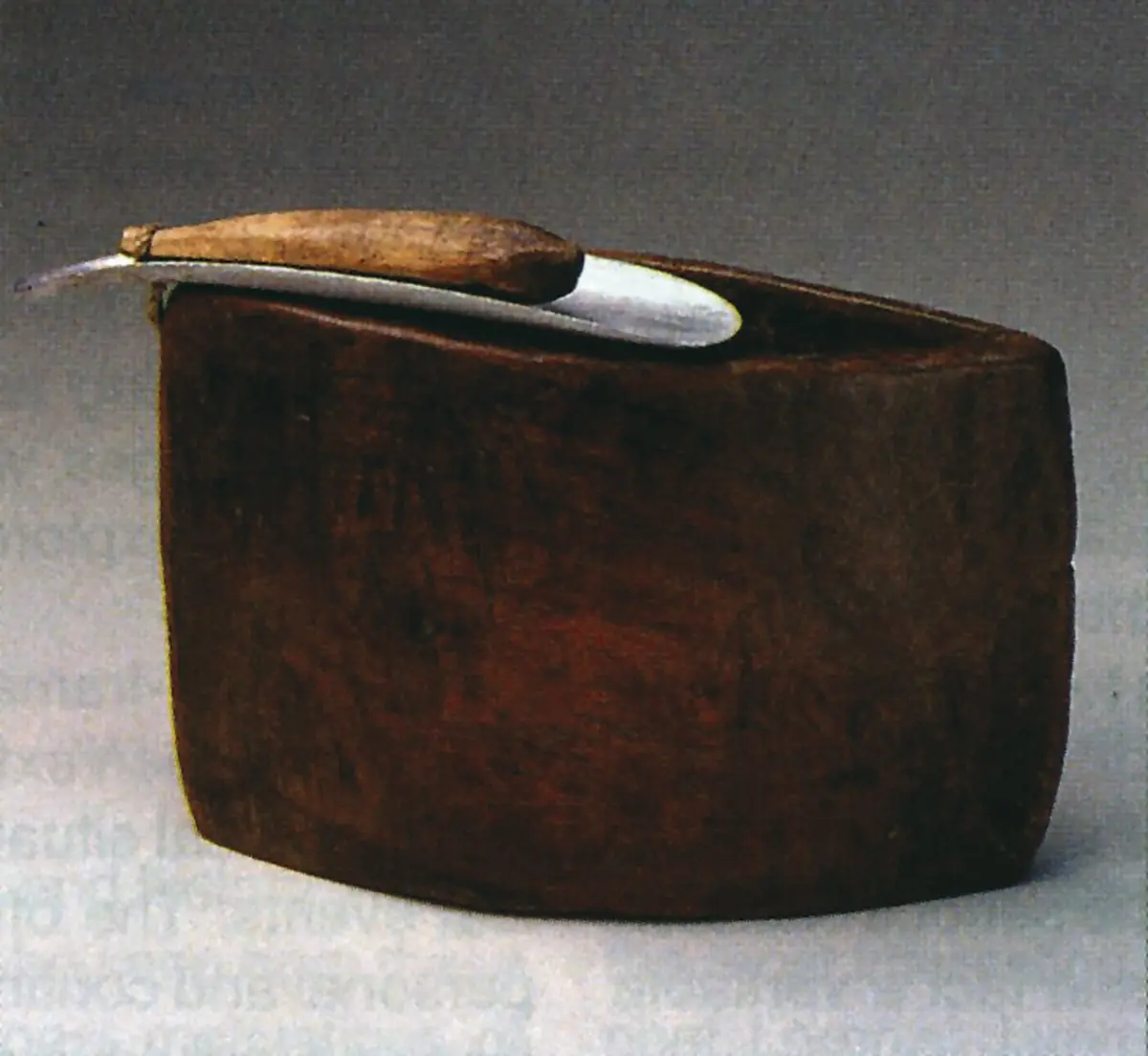
Opposite this stand was another major gallery: the Thomas Cohn Gallery of Contemporary Art, with individual shows by Daniel Senise (Brazil) and Moico Yaker (Peru), as well as works by some major emerging artists: a painting by Guillermo Kuitca (Argentina), and one of the conceptual and graphically most handsome pieces in the entire Fair, Tourist Animals, by the Cuban José Bedia. A novel feature was the painting by the young Argentinian artist Julián Trigo (a graduate of the Kuitca atelier), who proposed in a candid yet morbidly perverse manner different childhood scenes. Another important stand was that of the Kaj Forsblom Gallery from Switzerland, which presented a group of excellent and very representative paintings by the Spanish artist Antonio Saura. Dated between 1962 and 1963, they were full of the emotional strength of this artist’s gestural abstractionism. The same gallery also showed some paintings by modern masters, such as Picasso (as well as a set of plates), Miró, and a handsome drawing by Marc Chagall (Russia)—all very refreshing experiences. The section was complemented with works by the Spanish artists Antoni Tàpies and Eduardo Chillida, as well as by an exceptional kinetic piece—from the early 1960s—by the Venezuelan master Jesús Soto, which showed his gradual approximation to the informalist current.
Other galleries opted for the strategy of presenting one or two artists in large individual shows, which offered the advantage of making a better reading of their works. They included the Altamira Gallery (Venezuela), which presented the renewed sensitive geometry of another contemporary Venzuelan master, Manuel Quintana; Praxis International (Argentina), with paintings by the Uruguayan Ignacio Iturria; the Gallery Grupo Li (Venezuela), with paintings by the Venezuelan Julio Pacheco Rivas, whose fantastic architectures here acquired a strange almost domestic effect; and finally, the Ramis Barquet Gallery from Mexico, with the young Mexican artist Laura Anderson with drawings and wood sculptures in which one can sense mistical influence. Mention should also be made of other significant works which, however, did lose some of their effect in the unfavorable context in which they were placed. The objectual pieces by Eugenio Espinoza—one of the most talented of the contemporary Venezuelan artists—were presented by the D’Museo Gallery (Venezuela), with works from the White Line series, which included elements of pop culture, the mass media, and popular handicrafts, recomposed in a sarcastic and at times heart-rending neo-conceptual discourse. In the same way, a handsome painting (1947) by the Venezuelan master Alejandro Otero, from the Coffee-Pots (1946 - 1948) series, pre-dating his abstract period, was one of the truly pioneering works of Venezuelan modernity (San Francisco Gallery, Venezuela).
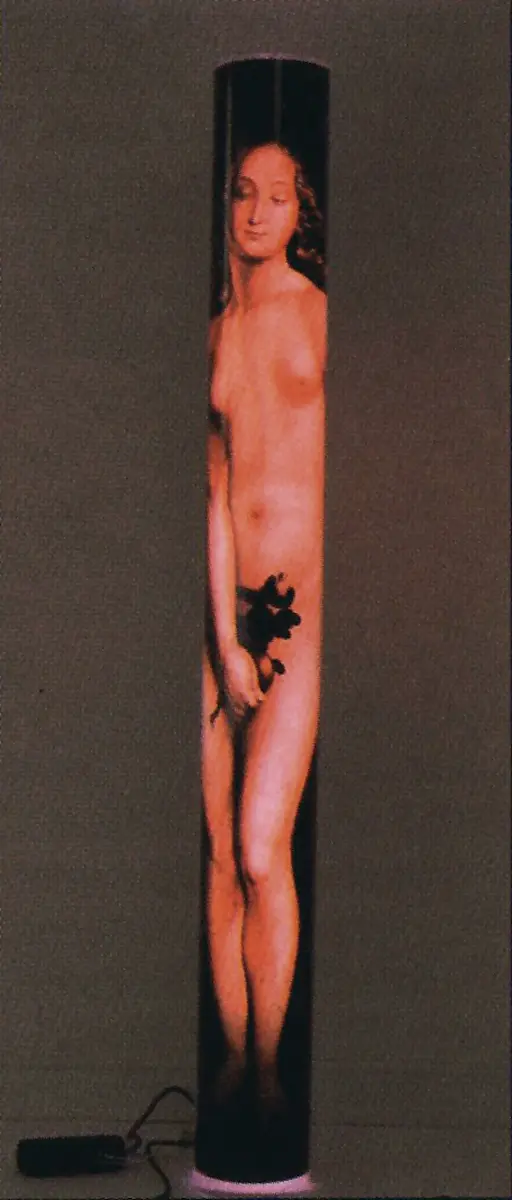
Photo FIA 95 presented a show entitled Two Visions of Contemporary Photography in Venezuela. The first referred to works with a supposedly more conceptual effect, in which photography was used simply as a given recourse; the group included pieces by Alexander Apóstol and Mauricio Lupini; the second section presented examples of documentary and intervened photography, with the most consistent pieces being by Esso Álvarez and Édgar Moreno.
However, these kinds of classification criteria seem to be rather schematic and create more confusion than understanding of the contemporary photographic scene. For its part, Tecno FIA 95 included works by Nan González (video), Rolando Peña, and Pedro Morales (digital expressions). Given the special nature of these works, and despite the efforts made by the organizers, this section should have been given greater separation from the rest of the show, to ensure a better understanding and appreciation of the works, which in this case lost their effect in the hustle and bustle of the Fair.
As in previous years, this edition of the Fair included a publications stand, with the presence of such major journals as Lápiz (Spain), Arte al Día (Argentina), and, of course, ArtNexus (Colombia).
ELISEO SIERRA
Venezuelan art critic, lives in Caracas.