The Suave inhabitants of southern Germany have the legendary reputation of possessing an entrepreneurial spirit. This is exactly the case with Adolf Würth. In Künzelsau, a small town near Stuttgart, he has become the biggest German producer of nuts and bolts. In celebration of his success, he created a Museum of Bolts, which presents exhibitions on curious subjects, such as Screws: Between Splendor and Power. Next door, there is an Art Museum which houses his internationally recognized collection of contemporary art. Spectacular exhibitions are presented here, such as that involving the wrapping up of the staircase by Christo last May.
Adolf Würth maintains commercial relations with Mexican partners, as a result of which he established contact with the Museum of Modern Art in Mexico City, which last year presented a selection of works from Würth’s collection. Between June 19 and October 22, an exhibition was also presented at Kunzelsau, entitled Images and Visions. Mexican Art between the Avant-Garde and Contemporaneity, organized by the Swiss curator Erika Billeter, who has a deep knowledge of the art of Mexico, thanks to such spectacular earlier exhibitions of Mexican art as Image of Mexico (1987-1988) and The World of Frida Kahlo (1933), both in the Schirn Kunsthalle in Frankfurt, and Latin American Photography in Germany.
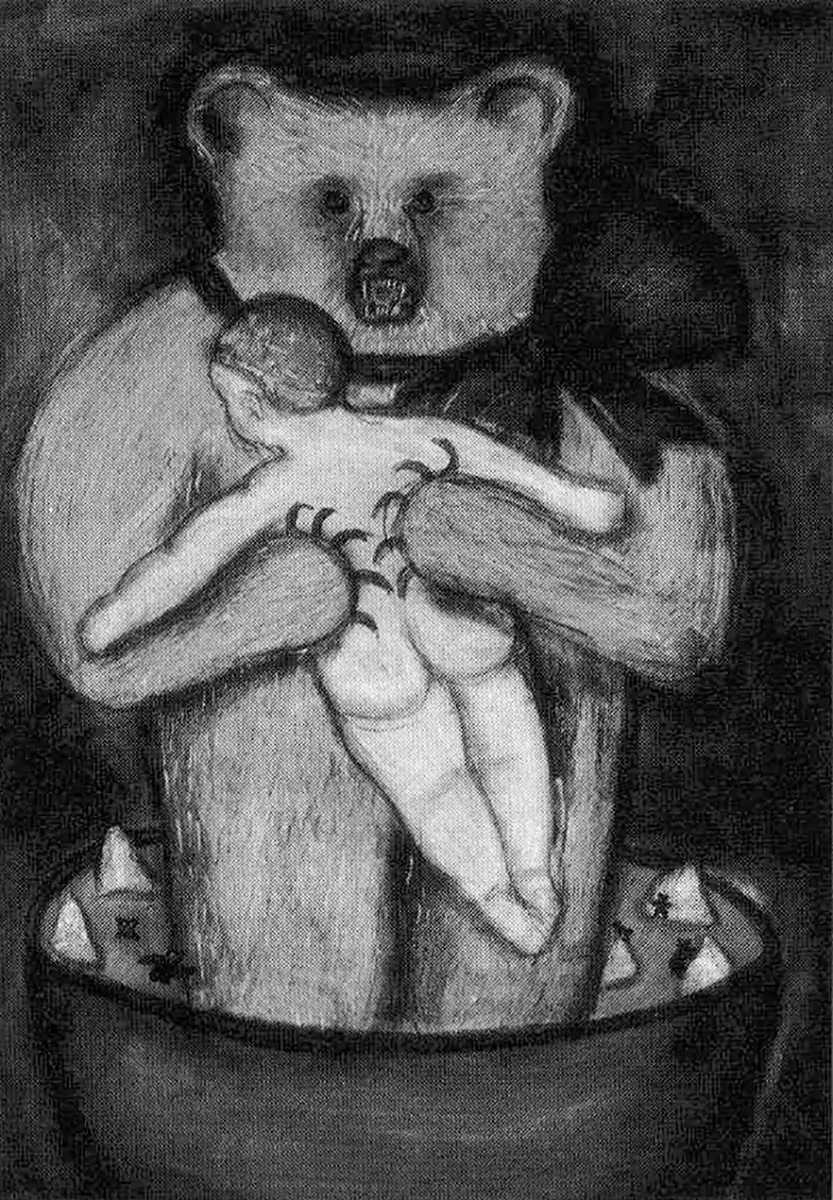
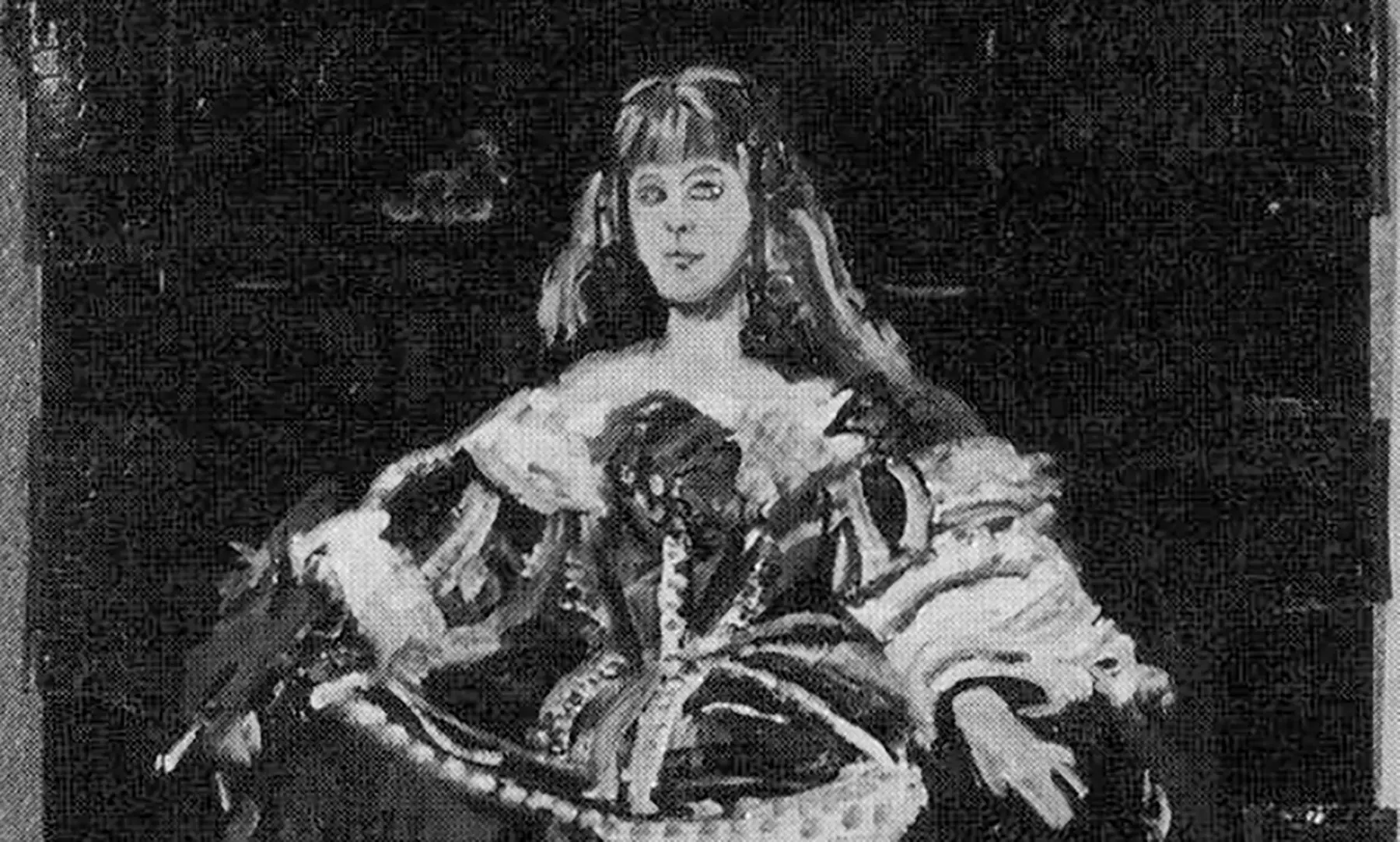
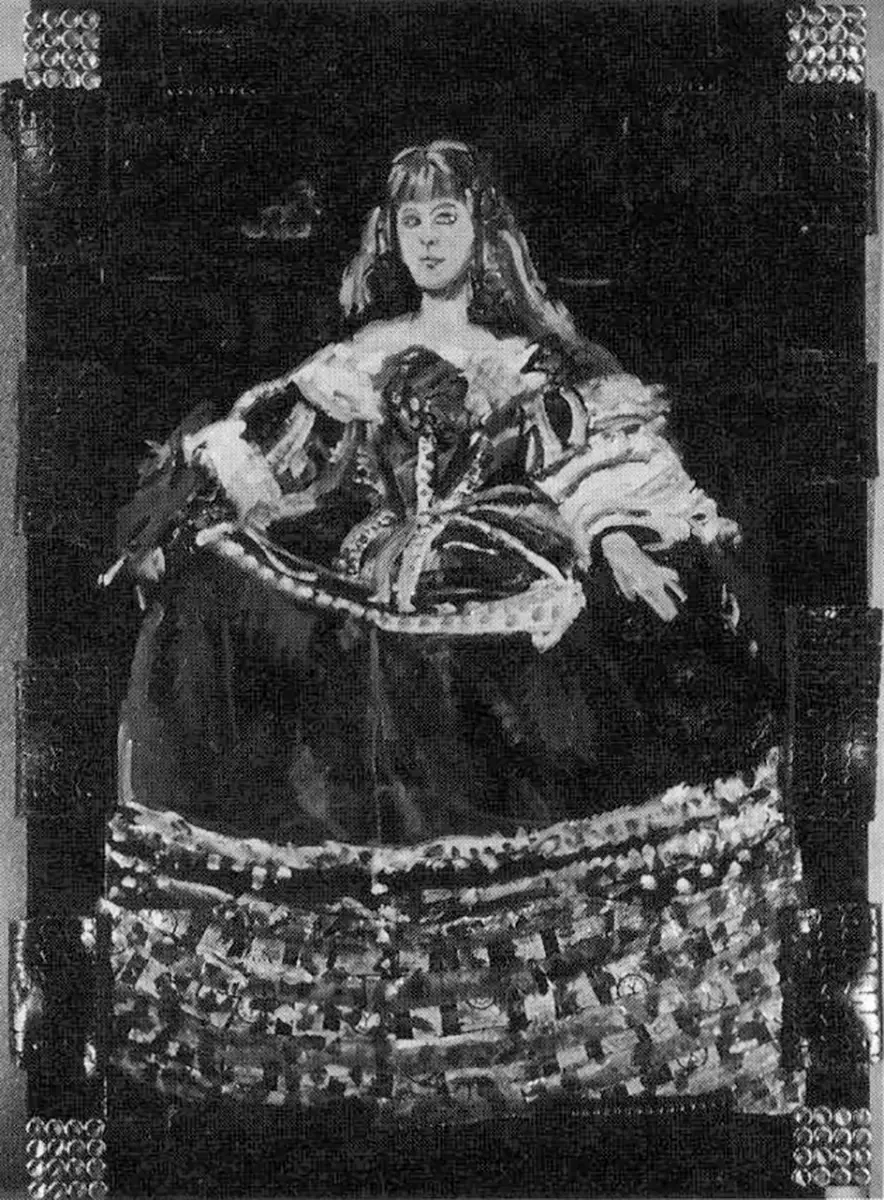
The selection on show at the Würth Museum was—as on previous occasions—very subjective to say the least, and probably did not provide a really overall view. The rather experimental tendencies at work among younger artists were absent—something which did not seem to interest Erika Billeter very much. There was painting, sculpture, ceramics, and one installation, by 15 artists who have been well-known for some time: Miguel Castro Leneño, Helen Escobedo, Julio Galán, Alberto Gironella, Enrique Guzmán, Sergio Hernández, Rocio Maldonado, Carlos Mérida, Rodolfo Nieto, Adolfo Riestra, Vicente Rojo, Rufino Tamayo, Francisco Toledo, Germán Venegas, and Nahum B. Zenil. Rarely has it been possible to see together such a quantity of high-quality Mexican art, and it would be difficult to find such a good representation of work by Francisco Toledo—clearly one of Billeter’s favorites.
However, one would have preferred the curator to have taken a more comprehensive view, especially bearing in mind the sub-title of the show, and the press-release which stated that the intention was to capture something of the spirit of contemporary Mexican art. There should have been some presence by the younger artist from the Temistocles 44 Group, for example, or Gabriel Orozco, who, although relatively unknown in Mexico, does have a major international reputation. In the final analysis, this show did not really contribute to any broadening of the narrow vision of Mexican art that is current in Germany.
The exhibition was accompanied by a voluminous catalogue of 250 pages, with excellent photographs and several texts.
GERHARD HAUPT