Finally, this year, installation art is beginning to cross the threshold into museums in Mexico City. Because of the isolationist nature and so-called self-sufficiency of the Mexican cultural scene, such an event was long overdue, especially if account is taken of developments in other spheres. This, in no way, means that Mexican museums have never presented exhibitions of installations. Such exhibitions have been organized since the 1970s, although now it would appear that installation art will be seen at the official level on an equal footing with the more traditional artistic media. No one could blame the artists themselves for not promoting or practicing installation art in Mexico: at the cultural distribution level, we are all more or less guilty of having marginalized the medium in one way or another.
This rehabilitation of the artistic status of installation art was due in particular to the fact that in July, the Ex-Teresa Arte Alternative institution presented the results of the first event exclusively devoted to the medium. Ex-Teresa, an official institution which operates with non-official funds in a former Catholic church in Mexico City, organized an exhibition of the two prize-winning works and those which received honorary mentions, as well as the maquettes of the short-listed entries (Osvaldo Sánchez, Melanie Smith, and Diego Toledo).
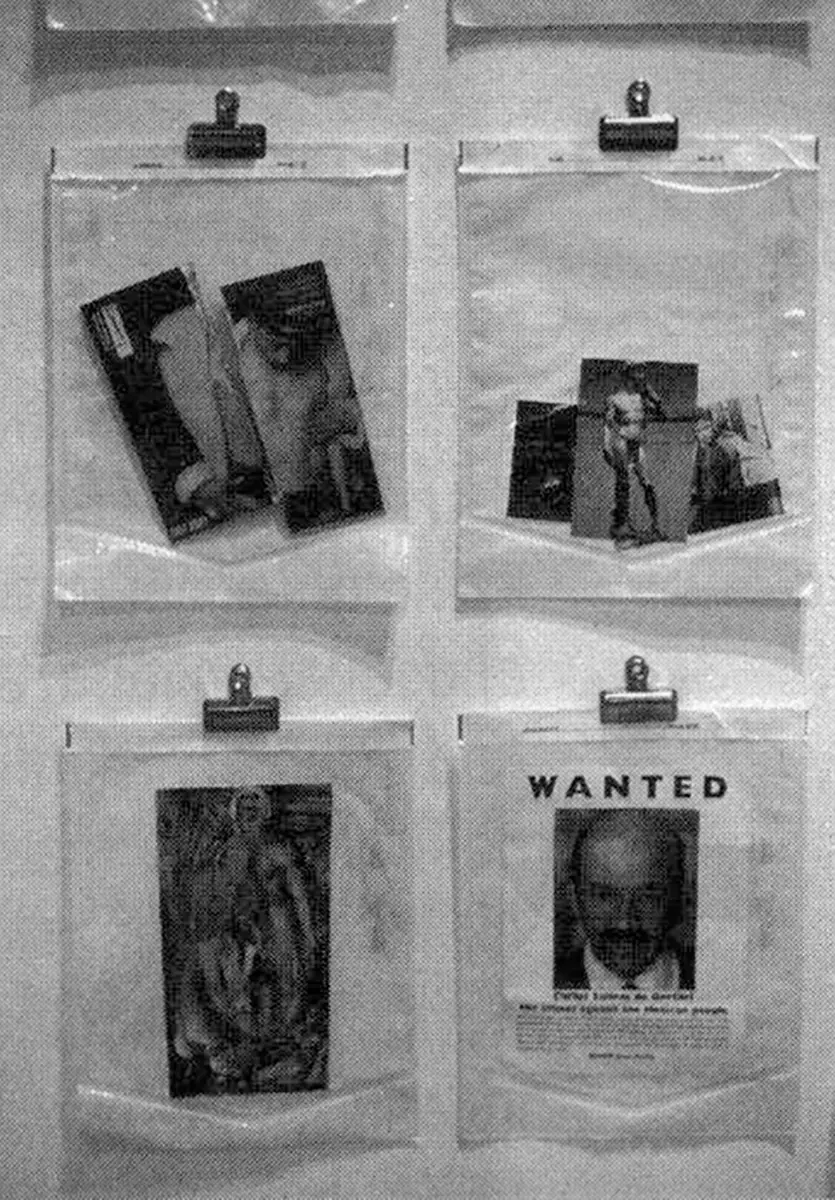
An honorary mention was awarded to Vicent Razo for a work entitled Corporate Image of Concep tualist Roots which was full of imaginative artfulness and conceptual- ist features (bordering on an enviroment), with a good dose of deconstructive criticism which consisted of altering not the Ex-Teresa exhibition space, but rather its office area, with signs such as those seen in private corporations calling for certain kinds of conduct, but which here read: “become a charlatan,” “drink by yourself,” and “kidnap people and make them happy.” Sofía Táboas was awarded a mention for a work entitled Garden, consisting of flowers placed in the Ex-Teresa garden. Second prize went to Hector Bialostozky, for an installation entitled Evidence, made up of documents about himself, which were altered and placed on the walls inside transparent plastic balls, as if he had been a direct victim of police inquiries; such solutions have become frequent since the 1970s (personal archeologies).
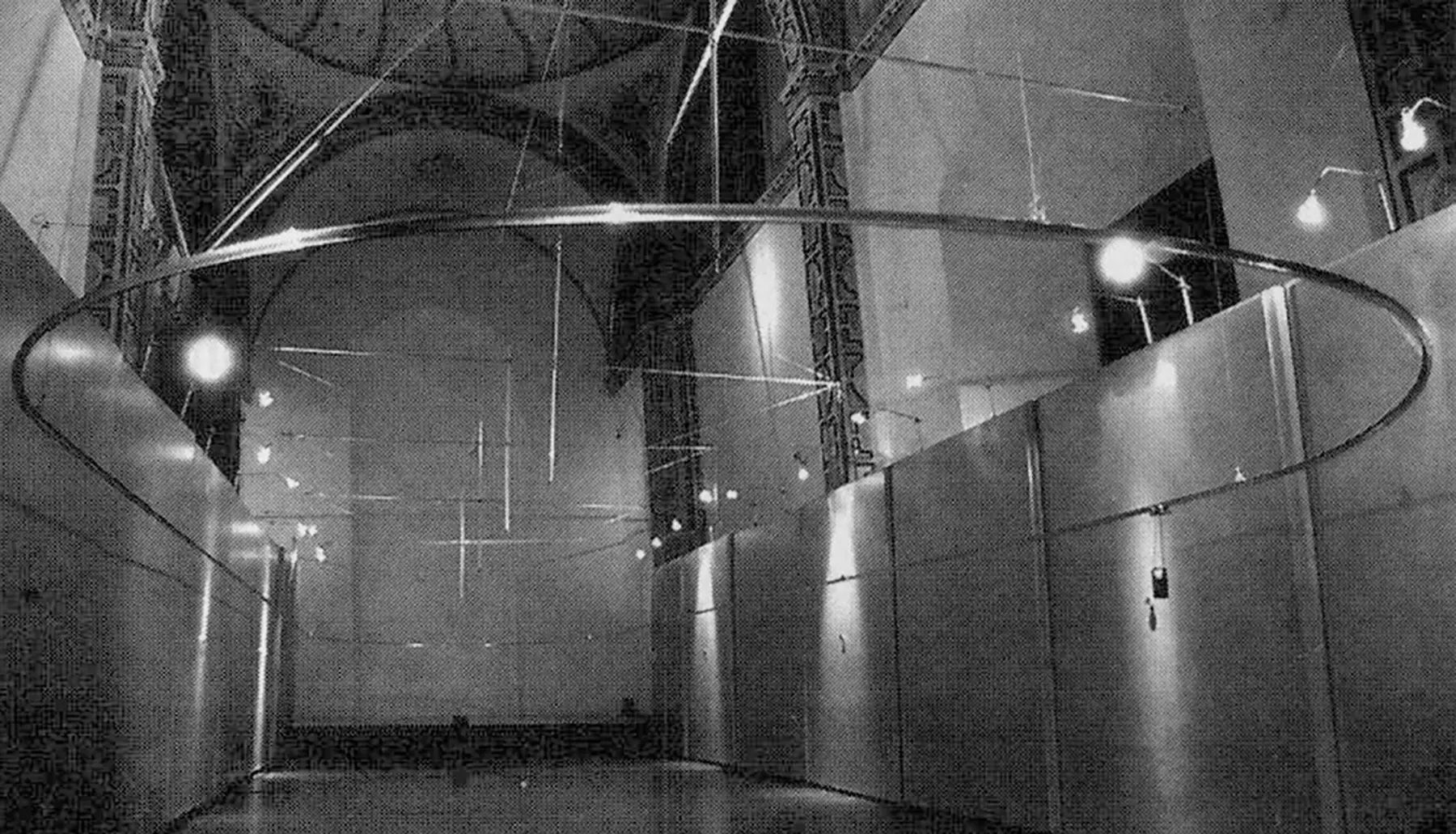
The first prize went to a work entitled The Voice Invents Its Own Voice, by Edgardo Aguilar and Alejandro Aguilar. It consisted of an oval-shaped rail, suspended to enable the little television screen which ran along it to show images at eye-level: the work was presented in a room in which voices from telephone sex lines could be heard coming from the walls; at the back, a screen showed a film over and over again.
Although there were some interesting and successful ideas in this show, none of the works was really outstanding.
CARLOS BLAS GALINDO