
Last spring in New York, Sotheby’s put up for auction 13 works of Mexican art from the IBM International Foundation. The almost US$8 million represented by the works in this special catalogue seemed to suggest that in one way or another the crisis had been surmounted—the "tequila effect"—since the results prevented a deficit of around 20%, compared with recent auctions, from being reflected in the overall total sales. This also meant that this time the auction house on York Avenue far outdistanced its rival Christie’s on Park Avenue. Excluding colonial and pre-Columbian art, the total figure was close to an excellent US$26 million.
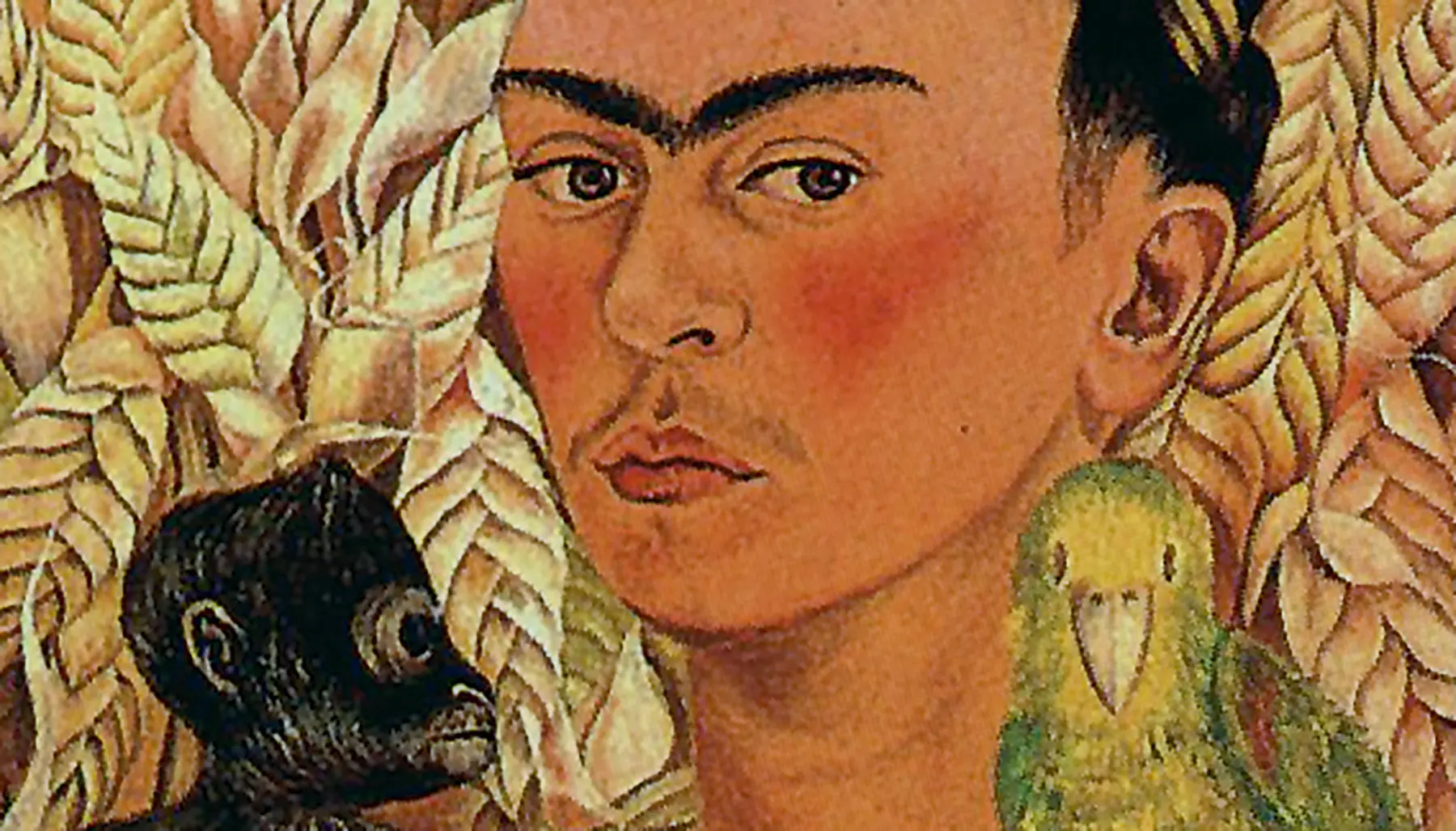
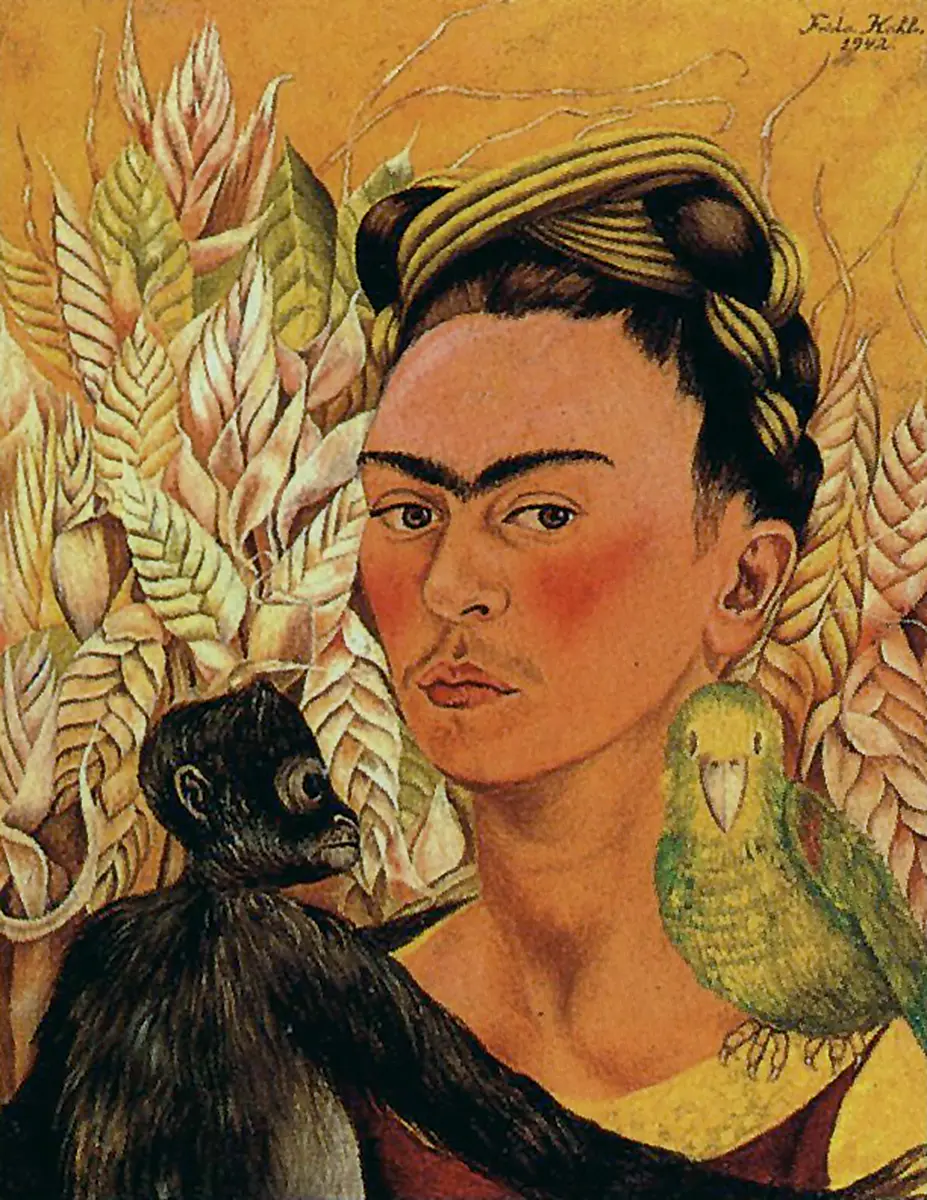
A more detailed analysis reveals that this difference can be attributed to two works, which exceeded the mythical mark of US$3 million, and the only ones at Sotheby’s to reach seven figures. One was the well-publicized oilwork by Frida Kahlo, Self-portrait with Monkey and Parrot, measuring barely 22 x 17 in., which set a new record of US$3,192,000, and the Dance of Tehuantepec (1928), by her husband Diego Rivera, which, although it had a higher estimate, failed to reach it. What was noteworthy in this demand for Mexican art was that in the case of Kahlo, it came unexpectedly from an Argentinian financier, proving once again that this market has considerable resources at its disposal.
The other IBM works did not offer any surprises, although mention must be given to The Flute Player by Tamayo, a large-format piece which went for US$855,000, the Girl with a Horse by Rivera, and Girls at Play by Jesus Guerrero Galvan (US$184,000).
The attraction of acquiring a work by Frida Kahlo cannot be attributed merely to its quality or the fact that she has become a cult figure in the feminist world, but also, and from a market perspective, to the shortage of her works and their sporadic appearance in auctions. In overall terms, Rivera continues to be the main income generator in the auction houses. Christie’s sold a spectacular still life by Rivera from 1918 for US$1.5 million (in the end, the only lot which reached seven figures) and a handsome panel entitled The Great Reconstruction at US$316,000. On the other hand, Portrait of Olga, by Rufino Tamayo, which illustrated the catalogue cover, proved disappointing: a surprised and fortunate buyer acquired it for less than half its middle estimate of US$900,000, almost the same amount reached by Two Figures (US$420,000), a good but less valuable piece, or Carnivalesque at Sotheby’s, which went for higher than the Olga work at US$ 453,000. Sotheby’s also sold his Familytor US$332,000 and the handsome Friends of the Birds (1981) for US$343,000.
On the Mexican side, Toledo’s position among the most expensive living artists is being consolidated. Lot No. 49 at Sotheby’s (Lying Bull) caused much surprise when it reached US$290,000, just US$10,000 short of the lower estimate and a good result. Both houses presented the customary gouaches, of varying quality, which are always much sought after by collectors. There also seemed to be an upward turn in the good works by Gerzso, for example, Landscape, which, with a middle estimate of US$ 60.0, reached US$151,000, or Blue-Yellow-Red, which rose from US$20,000 to US$33,000 (both at Sotheby’s). At Christie’s, a small format (19.7x14.2 in.) A Balinese figure by Covarrubias went for more than US$50,000.
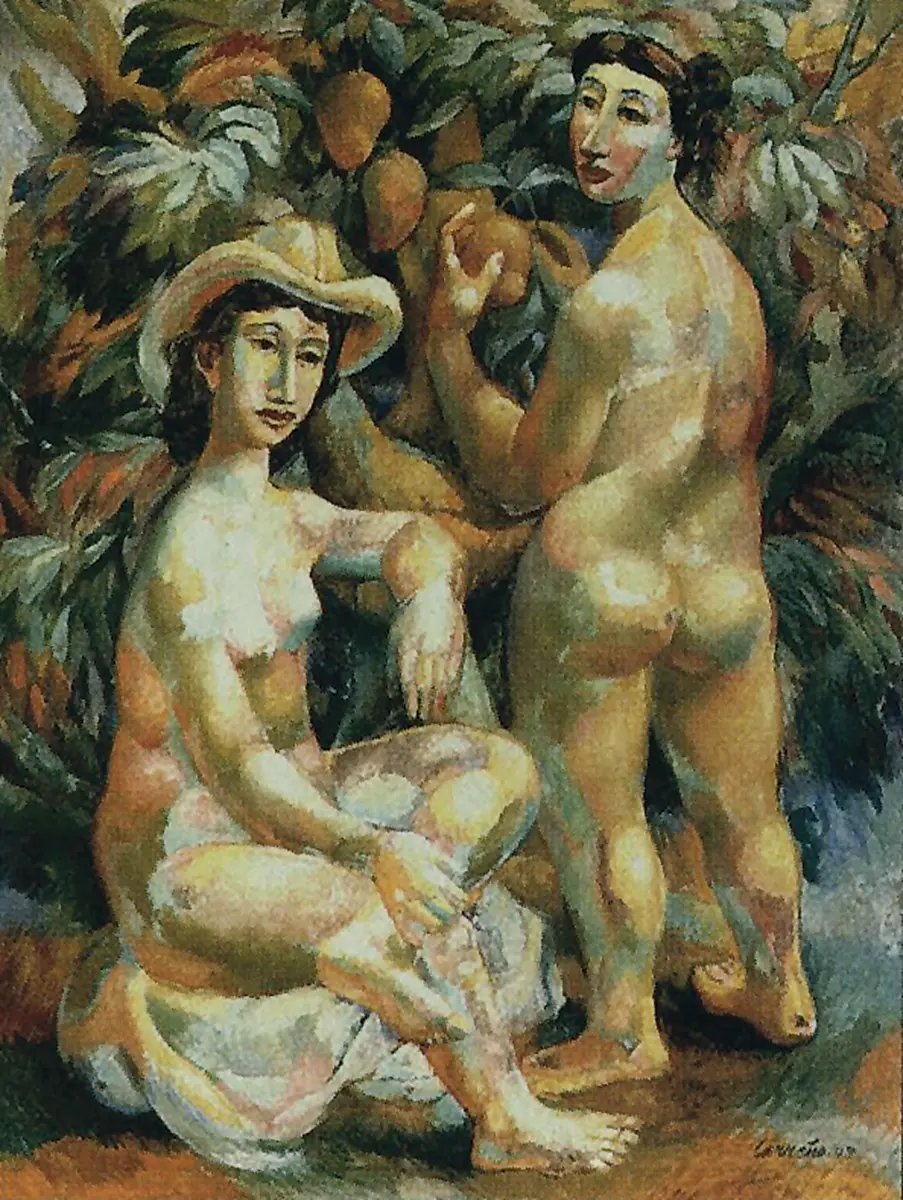
Another high point in these auctions was provided by the quality and performance of the Cuban modernists. At York Avenue, there was much expectation about a spectacular oilwork by Cundo Bermúdez from I945, entitled Woman Combing her Lover’s Hair, which was fiercely fought over, rising from US$ 50.0 up to US$343,000. Christie’s did not fall behind, and a large piece by Mario Carreno, Nude with Mangos, went for US$350,000 (In Sotheby’s, another piece by the same artist, Drumbbeater, reached US$233,000). These two names, along with Mariano Rodríguez, are the closest rivals in price to Lam. Unfortunately, we could not know what the demand would be for the work entitled Woman with a Cock (1941), which was withdrawn at Sotheby’s, whereas Co-madres went for US$112,000, below its expected figure at Park Avenue. It was here that the best pieces by Lam were on sale: Secret Rites, a good canvas from 1950, and Le Sacre, from 1945, which at one time belonged to the Ronald Pemrose collection, went unsold. Another good but missed opportunity was La Plume Verte, from 1955. Two other good works were sold at Sotheby’s Abalocha (1964), for US$123,500, and Icidansla Terre, an oilwork from 1955, which at US$96,000 was an excellent buy.
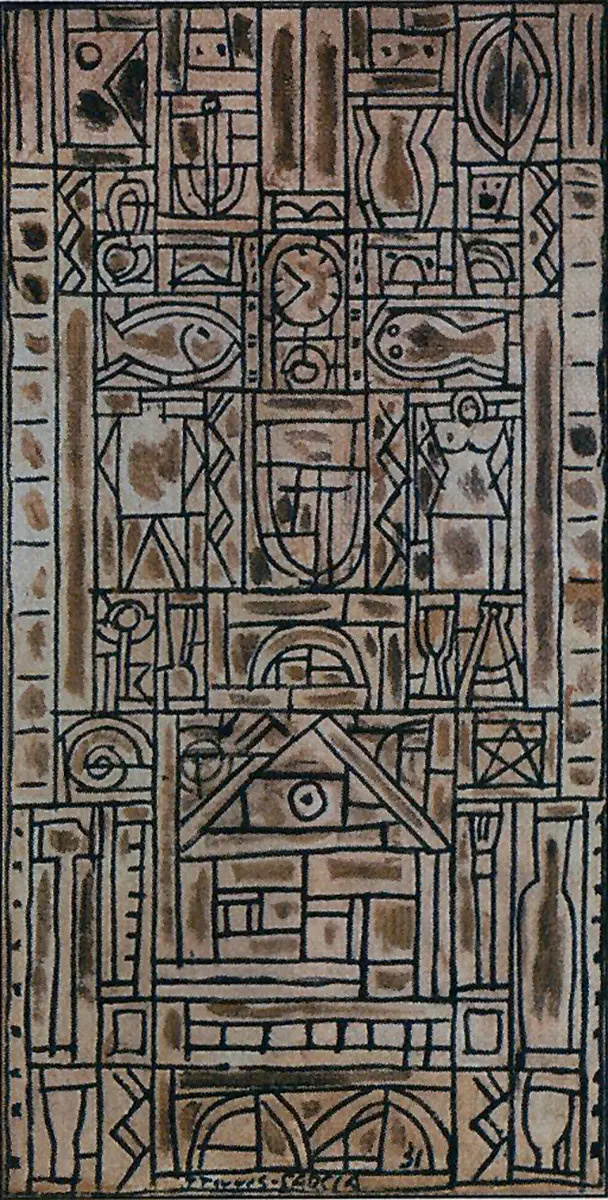
Of works by the masters from other parts of Latin America, there was celebration that a work by Torres-García, Composition Symetrique Universelle en Blanc et Noir reached a stunning US$ 937.0 at Christie’s, which benefited the results achieved by other lesser works, such as Landscape of New York, the Three Toys and Constructive with Strange Figure, which reached more than US$ 210,000 at Sotheby’s. A piece which I found particularly interesting was The Fine Lady, by Armando Reveron, which exchanged owners for a mere US$45,000. Armando Morales’s forests were not very fortunate this time, bearing in mind the excitement which this artist has generated in the past: Tropical Forest I went for rather lower than its estimate at Christie’s, and a handsome Forêt Tropicale remained unsold at Sotheby’s, corroborating the view that the top prices are paid for works with human figures and water elements. For example, Ordeal, a canvas measuring 63 x 51.2 in., went for US$184,000 at Sotheby’s (still a bargain), but above all, Two Figures and an Astronomical Observatory, from a collection in Guayaquil, which at Park Avenue rose from its middle estimate of US$120,000 to US$206,000.
As for Roberto Matta, Christie’s offered an oilwork Sans Titre from 1939, an excellent piece which went for almost US$300,000, whereas a work from ten years later and just under half the size (35 x 46 in.) sold for US$184,000; La Promenade de Venus from 1966, measuring 78.7 x 157.5 in, went up to only US$135,000. Similar results were evident at Sotheby’s, where a work from I944, somewhat larger than the Sans Titre piece, entitled The Apples of Cézanne, sold for only US$100,000, while the excellent works entitled Link of Contradiction (1954) and La Femme Affamée (1945), estimated at more than US$400,000, went unsold.
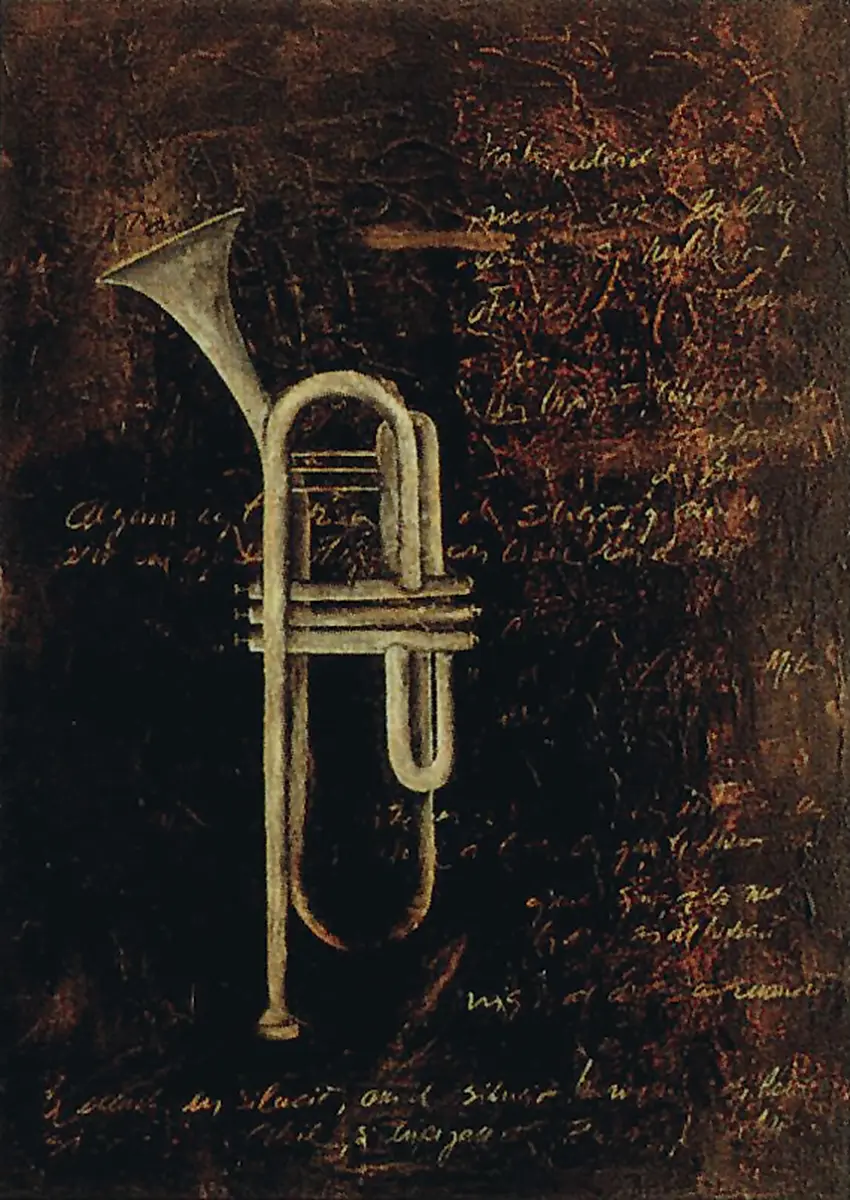
In general, Zuniga maintained his customary levels. There was nothing impressive from Claudio Bravo, and Fernando Botero continues to suffer the drawbacks of excessive supply. His prices are still falling, and the weak Colombian demand is not likely to change things. Perhaps the reason is that the market in this country is very independent and does not place much faith in auctions, which would explain why most of the Obregon works on offer remained at prices much lower than local levels.
Almost all the sales were in what can be called modern art, whereas those for works of contemporary art were rather disappointing. This shows that the economic situation has made many buyers prefer to minimize risks and reduce profit margins, a feature that serves to distinguish these two markets. The Uruguayan artist Ignacio Iturria reached a historical high of US$57,500 at Christie’s, and a canvas entitled Milestone by the Argentinian Guillermo Conte also achieved a record US$20,000 at York Avenue.
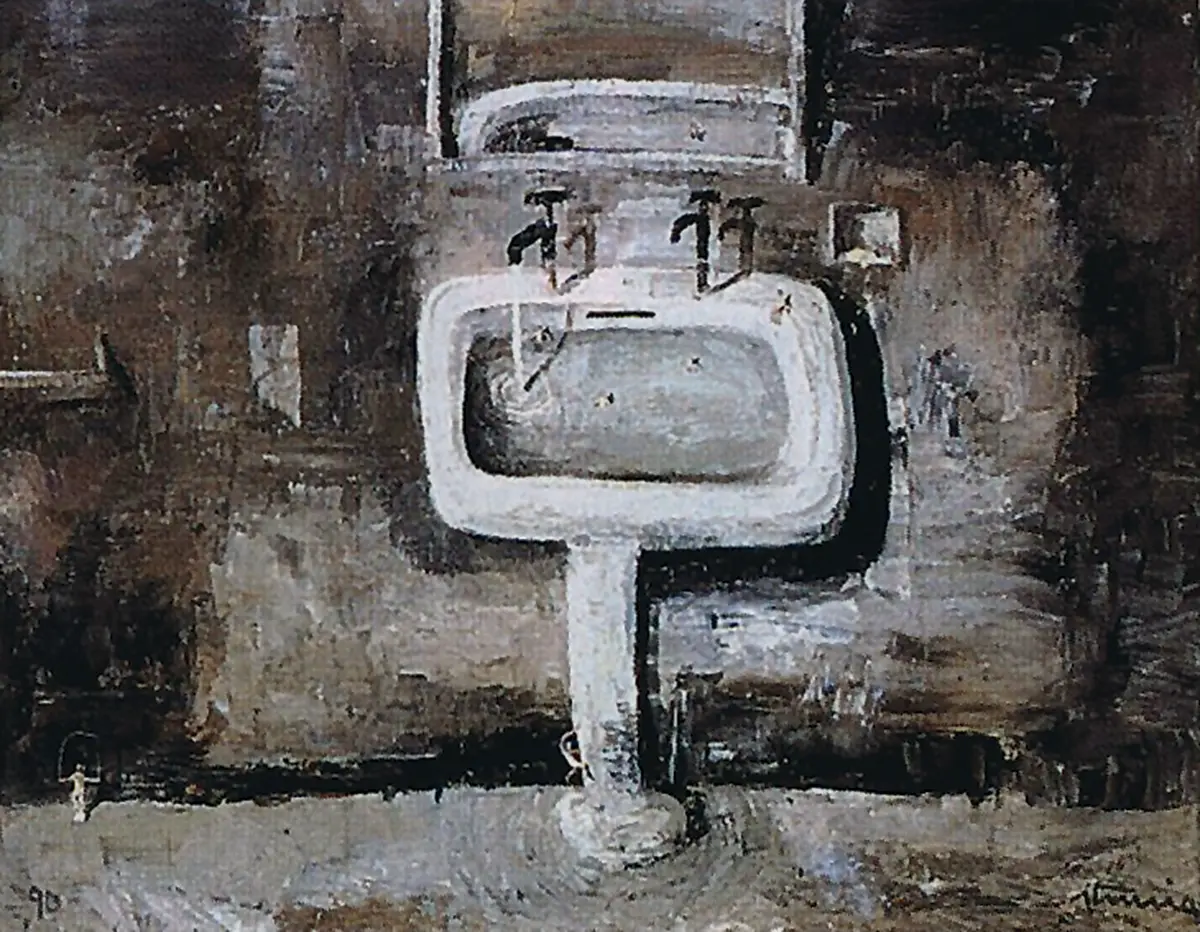
Larraz came closer to the US$100,000 level, and Tomas Sánchez maintained his position. The same can be said for the Colombian artist Ana Mercedes Hoyos, with prices around US$30 to $40,000, depending on the size. The Guatemalan artist Elmar Rojas varied unevenly in the US$20 to $30,000 range.
In my view, the most lamentable aspect was the lack of any buyer for Marienplatz, a spectacular piece by Kuitca from the Anina Nosei collection —a very powerful work for the average buyer, perhaps, but ideal for a major collection.
I believe that this, to some extent, reflects the sense of caution now affecting the mood at Latin American art auctions, which is not always interested in the quality of what is being offered, but in its liquidity. I think that we shall soon be seeing a reduction in the volume of the catalogues, with an increase in the selectivity of the supply—something which can only help develop the professionalism of the still nascent art of collecting Latin American art.
KLAUS STEINMETZ
Costa Rican art critic. Managing Editor of ArtNexus.