The San Juan Biennial of Latin American and Caribbean Print-Making was established in 1970 by the Institute of Puerto Rican Culture (a kind of Ministry of Culture) in recognition of the important graphic tradition developed in this unusual Caribbean island between the 1940s and 1960s (through the work of such figures as Lorenzo Homar, Carlos Raquel Rivera, Manuel Hernández Acevedo, Rafael Tufiño, Domingo García, Luis Hernández Cruz, Myrna Báez, Marcos Irizarry, Antonio Martorell, and Luis Alonso) and with the objective of promoting artistic exchange between our peoples. Although the quality of the work presented and selected has fallen and the Biennial has lost some of its energy in recent years, it is still the oldest and most important event of its kind in Latin America and still one of the most prestigious in the world.
This current edition, the eleventh, marks the 25th anniversary of the founding of the Biennial and is an attempt to return to the period of splendor which it enjoyed for many years in the past, when such artists as Rufino Tamayo, Roberto Matta, José Luis Cuevas, Antonio Seguí, Liliana Porter, Rolando López Dirube, Omar Rayo, Jesús Rafael Soto, to mention just a few names, participated in the event, transforming it into a veritable banquet in celebration of our vision and of the originality of the form and substance of our print-making.
The work which was initiated under the government of Luis Muñoz Marín (Governor of Puerto Rico between 1952 and 1964) in the field of the graphic arts, and which was essentially of a didactic nature (Division of Community Education) and carried out under the impetus of Carlos Marichal, Irene and Jack Delano, Félix Bonilla Norat and a group of exceptional artists, was continued by Ricardo Alegrai, the founder and first Executive Director of the Institute of Puerto Rican Culture, Luigi Marrozzini, the Italian gallery owner resident in San Juan, master printer Lorenzo Homar, and many other dedicated printers who managed to make the idea of a San Juan Biennial a reality.
The 13th edition, like its ten predecessors, is once again devoted to one foreign artist and one Puerto Rican artist who are the subjects of special exhibitions. This year the Biennial is dedicated to the Brazilian print-maker Fayga Ostrower (who is currently showing her rich range of work in the recently restored Museum of the University of Puerto Rico in Rio Piedras) and the print portfolio tradition in Puerto Rico (the subject of an impressive exhibition at the Museum of the Americas, in the Old Ballaja Barracks in Old San Juan). Other artists who have been similarly honored by the Biennial include José Clemente Orozco, José Guadalupe Posada, Joaquín Torres-García, Mauricio Lasansky, Roberto Matta, José Luis Cuevas, Rufino Tamayo, Jesús Rafael Soto, Liliana Porter, Antonio Seguí, and, from Puerto Rico, Lorenzo Homar, Rafael Tufino, José Alicea, Manuel Hernández Acevedo, Marcos Irizarry, Antonio Martorell, Myrna Baéz, Luis Hernández Cruz, and Carlos Raquel Rivera.
According to the convocation text, the purpose of the Biennial is to present the best graphic production from Latin America and the Caribbean region, highlight new forms of expression, promote the exchange of ideas and techniques between artists, and stimulate cultural ties between brotherly nations. The technical conditions stipulate that a print includes any multiple graphic work, that works must be part of an original edition, signed and numbered by the artist, and must not exceed 96" x 48" (244 x 122 cm).
This year, the members of the international selection and award jury were Florent Box (Belgium), Ivonne Pini (Uruguay/Colombia), Bélgica Rodríguez (Venezuela), Kathleen Caraccio (United States), Ticio Escobar (Paraguay), Fayga Ostrover (Brazil), with Enrique García Gutiérrez of Puerto Rico as President. A total of 874 works were received from 474 artists (each artist could present up to two works).
A total of 189 works by 122 artists (18 per cent of the works submitted and 25 per cent of the submitting artists) were accepted by the jury. Of the 20 participating countries, no works were accepted from 6. The countries thus represented at this XI th edition are as follows: Argentina, Brazil, Bolivia, Chile, Colombia, Costa Rica, Cuba, Dominican Republic, Ecuador, Paraguay, Peru, Puerto Rico, Uruguay, and Venezuela. Belize, the Guayanas, Haiti, Jamaica, Suriname, and Trinidad and Tobago did not submit any works.
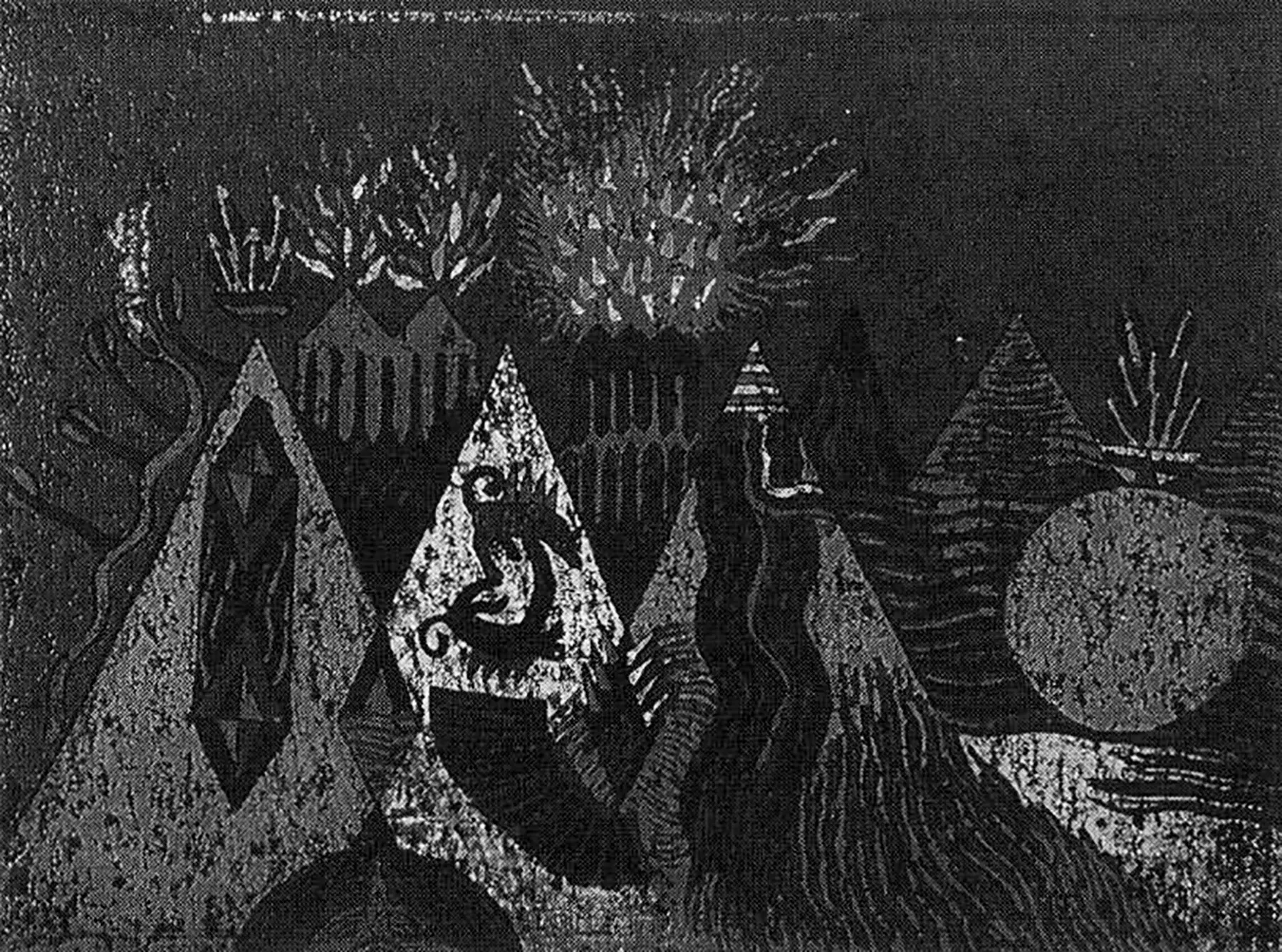
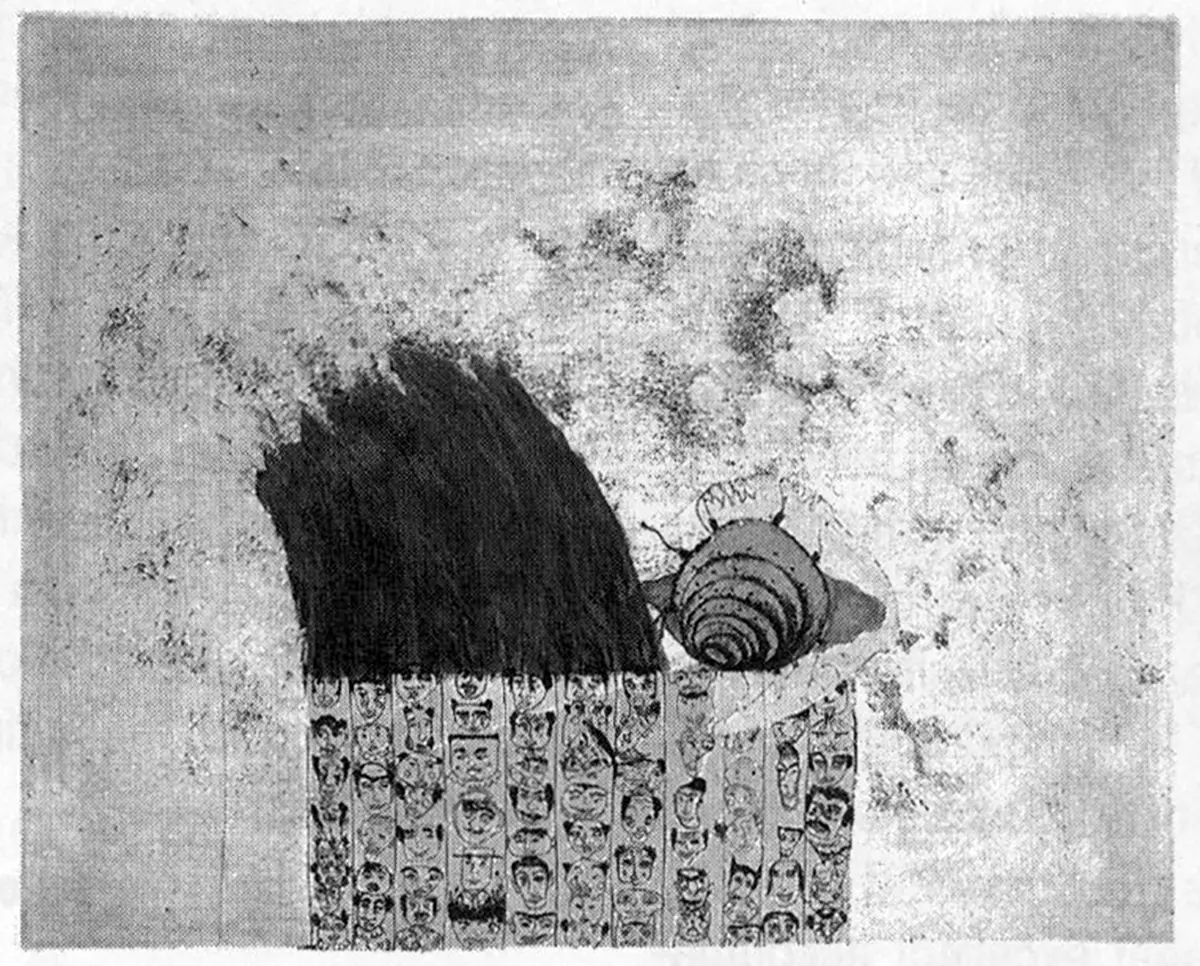
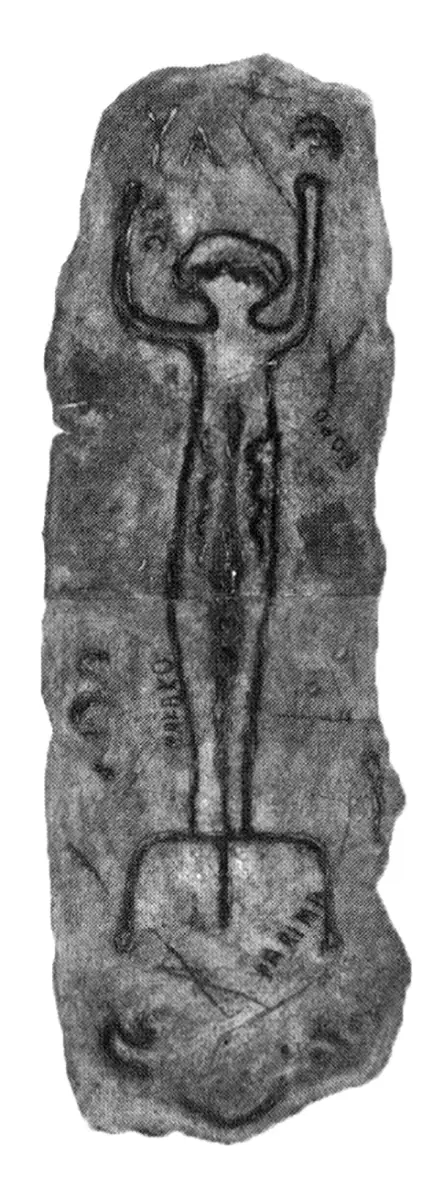
The jury awarded seven prizes of equal value (US$2,000) in each category and five honorary mentions. The seven prizes went to: Alicia Candiani (Argentina), for a work entitled The Awakening of the Servant, Evandro Carlos Jardim (Brazil), for Vista da Margem, Fabián Rendón (Colombia), for his prints in Book of Maps, Agustín Bejarano Carvajal (Cuba), for The Sweet Idea of Existence, Carlos Colombino (Paraguay), for The Scythe, Corina Briceño (Venezuela), for Ancestral Man, and María Melero (Puerto Rico), for Some have Dandruff. The honorary mentions went to Marcio Pannumzzio (Brazil), Angélica Chio and Patricia Torres Ortiz (both from Mexico), Ariel Seoane Aparicio (Uruguay), and Griselle Soto Vélez (Puerto Rico).
The prizes and mentions were well-deserved and reflected the mastery shown of the different print-making techniques. Most of these works were significant and profound. In The Sweet Idea of Existence, the Cuban Agustín Bejarano Caballero, like his compatriot Ibrahim Miranda at the Xth edition, explored the incredible madness of survival, recreating a fantastic Doña Quixote alongside her powerful Knight of the Windmills. The prints by the Colombian artist Fabian Rendon, with texts by Juan Manuel Roco, Book of Maps, were exquisite, with echoes of Jules Verne, Jorge Luis Borges, and Michel Foucault. The etching by the Brazilian Evandro Carlos Jardim, Vista da Margem, was a kind of poetic and almost peaceful vision of the landscape of nightmare. The suggestive lithograph entitled The Awakening of the Servant by the Argentinian Alicia Candiani immediately suggested a combination of the Mona Lisa, the unpredictable Madonna, and any of the First Ladies of Latin America in the nineties. Ancestral Man, a color lithography by the Venezuelan Corina Briceño, suggested a prehistoric image composed of lines and signs which evoked the mystery of man’s path towards the end of the second millennium. The Scythe, by the Paraguayan Carlos Colombino—a combination of a feather, anchor, shoe, and hat (from The Wizard of Oz?)— and that by the Puerto Rican María Melero, Some have Dandruff—a box of fire with a snail very suggestive of an ecological kind of Segui or something which Dante might have found in the eighth circle of his Hell, although aesthetically interesting, were perhaps the least memorable of the prize-winning pieces.
In general, the selection made by the jury in April 1995 was carefully done and clearly reflected an attempt to prepare for the future. However, many of our most recognized print-makers did not participate in this edition, and the works which were submitted, although of great technical quality, did not reveal any attempt or desire to break with traditional patterns; they also lacked the passion required to make us see more into those possibilities which our full and little individual lives often prevent us from exploring.
The most logical recommendations that could be made about the Biennial and its next and forthcoming editions would be the following:
1. The organizing committee should return to its former policy of inviting the most important print-makers of the Americas to participate—without passing through a selection process. What makes an event like this interesting is the contrast that can be made between well-established artists and those who are just emerging.
2. The prize amount cannot remain at US$2,000. In order to attract major print-makers, whose work is highly priced on the international market, the prizes should not be less than US$10,000, even if this meant a reduction in the number of prizes.
3. Serious thought should be given to whether the Biennial should be restricted to Latin America and the Caribbean or whether it should be opened up to all countries.
4. It must be emphasized that this Biennial offers an opportunity to present avant-garde and experimental works, while at the same time providing a showcase for “classical” prints. The Biennial should not be left to stagnate within a closed vision of what printmaking has already achieved. Printmaking can also be three-dimensional; it can tackle whatever it wants, have any form, and be printed on any kind of support. It may be accompanied by all kinds of elements, from beds to screens and even the human body.
5. Finally, the Government of Puerto Rico should realize the importance of this event and be much more generous in providing funds for its support.
Along with the Casals Festival, the San Juan Biennial of Latin American and Caribbean Print-Making helped put Puerto Rico on the Latin American and world cultural map in the 1970s. The importance of this event generates much celebration in the island’s museums and galleries, which present excellent accompanying events that are much appreciated by art lovers. Puerto Rico should not let this fine project fade away. The 13th edition was an important exercise, and the exhibition of works at the Marina Arsenal in La Puntilla, in Old San Juan, deserves our applause. But the Biennial needs much, much more if it is to become once again one of the major events on the calendar of the Latin American visual arts.
MANUEL ÁLVAREZ LEZAMA