
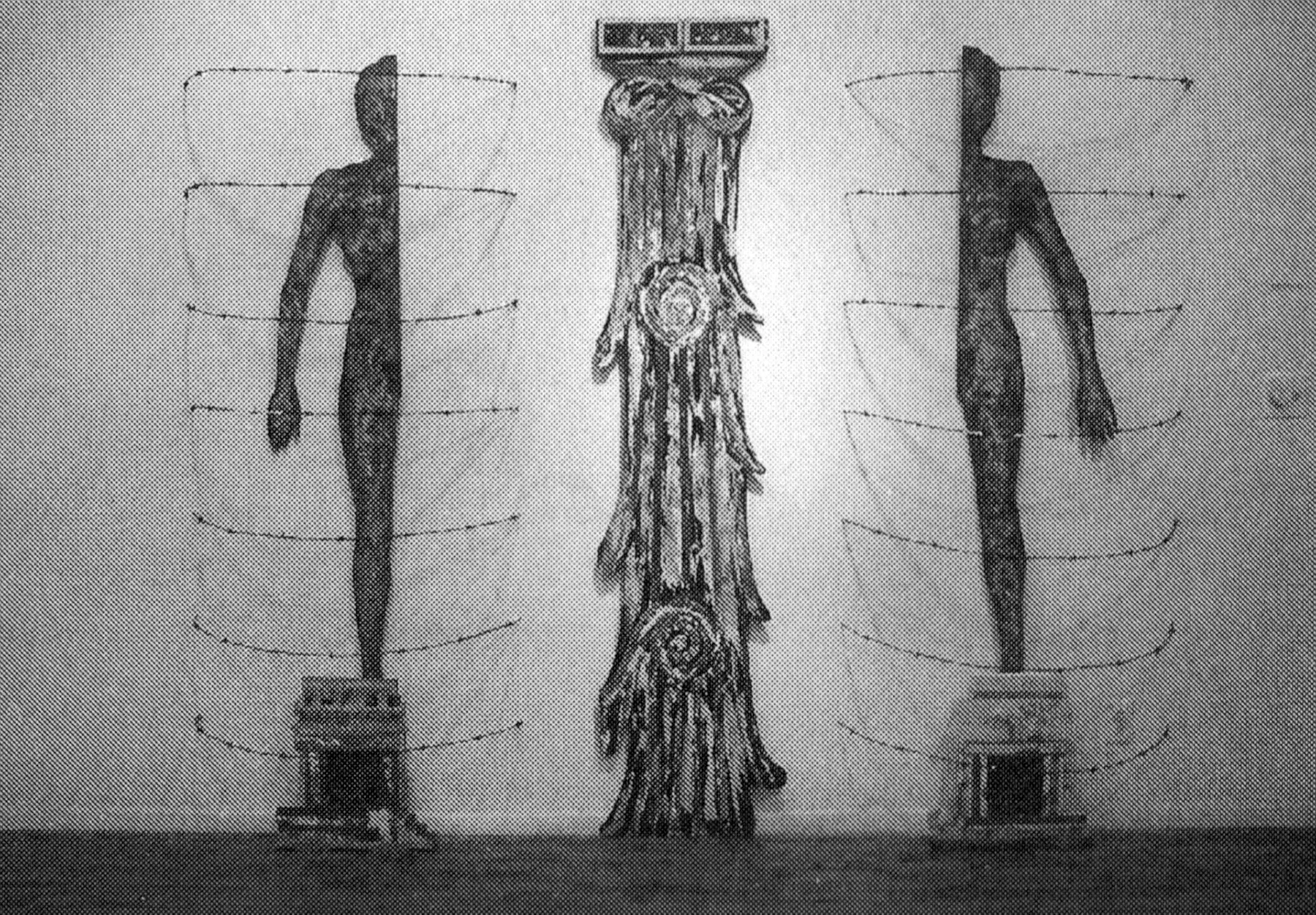
Caribbean Visions: Contemporary Painting and Sculpture was the first international collective show to bring together artists exclusively from the Caribbean. Organized by Art Services International, which is based in Alexandria (Virginia), the exhibition was an attempt to provide a comprehensive overview of the visual arts in the region through a selection of works that reflect or are inspired by what the curator, Samella S. Lewis, called the "Caribbean consciousness" (Lewis S. 1995,19).
The show was made up of works by fifty-six artists originally from Barbados, Cuba, Guyana, Haiti, Cayman Islands, Jamaica, Puerto Rico, Dominican Republic, St. Thomas, St. Vincent, and Trinidad-Tobago, highlighting the rich multi-cultural tradition of the region, the result of the fusion of its European (Spanish, French, English, or Dutch) and African, Asiatic, and/or Indo-American heritage. This tradition has its own dynamics, which, along with specific historical variants such as African immigration, slavery, the development of the sugar economy, and colonialism, have been an important factor in defining the Caribbean aesthetic.
At the theoretical level, the show was based on research undertaken by well-known experts (including Shifra M. Goldman, Samella S. Lewis, Richard A. Long, Peter Minshall, and Rex Nettleford, among others), who also wrote texts for the catalogue and participated in the symposium held in Miami on September 16, 1995.
The show was the fruit of substantial effort and was a landmark in the history of Caribbean art. With the exception of the visual arts biennials held in Havana (Cuba), San Juan (Puerto Rico), and Santo Domingo (Dominican Republic), this was the first time that an international collective show of such size was dedicated exclusively to this region. Equally significant was the fact that it was held in the United States and that Miami was chosen as the starting point for the traveling show.
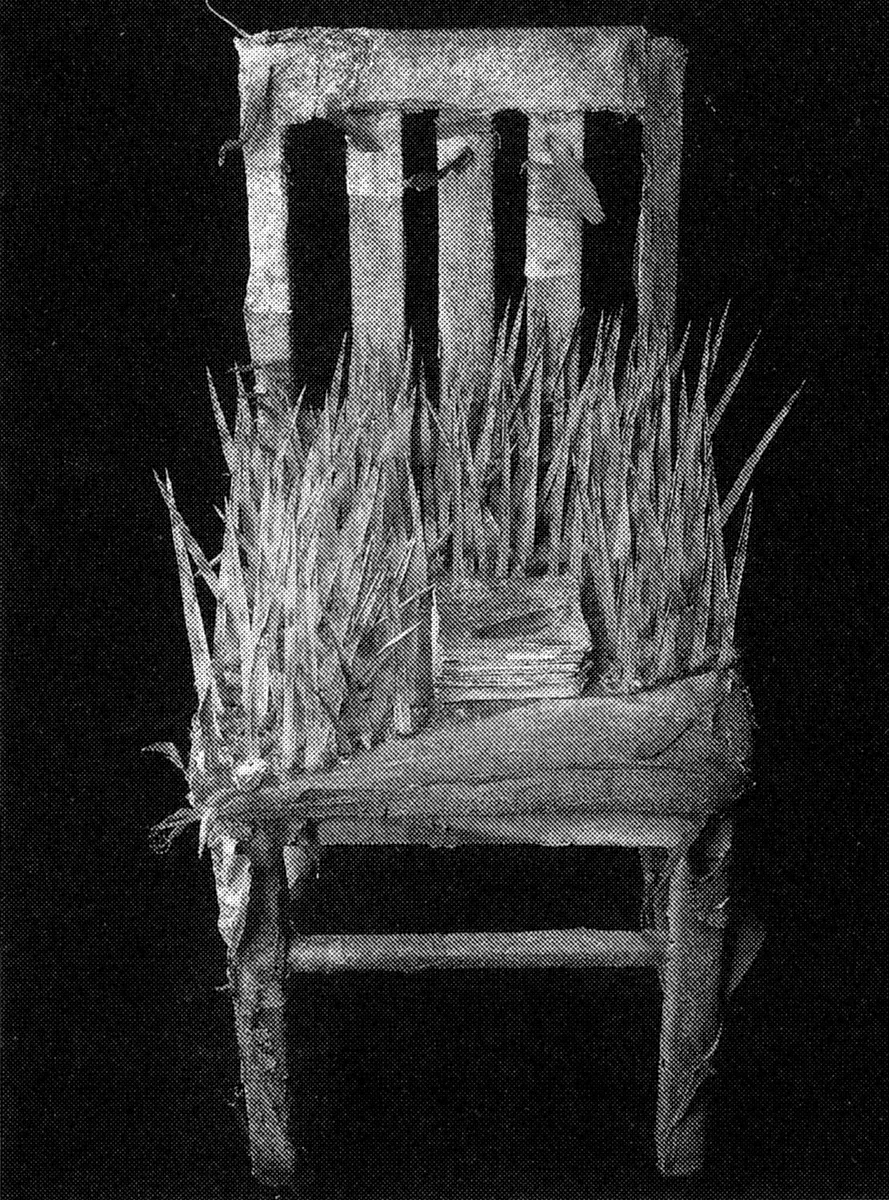
Unfortunately, the exhibition failed on a number of important points, which adversely affected the final appreciation of the event. First, there was a lack of clarity in the geographical definition of the Caribbean. According to the introductory essay in the catalogue, the Caribbean includes sixteen independent countries, five British colonies, one republic or Commonwealth, a United States territory, and six semi-autonomous members of the Low Countries (Kurlansky, 1992). According to another definition, it also includes the countries of Central and South America, which border on the Caribbean or the Atlantic Ocean, since they share with the islands the same colonial history and the same cultural identity (Lewis G, 1969).
The selection of the eleven participating nations did not adhere to either of these definitions. If the objective was to represent the island territories, why then were artists from Aruba, Curaçao, Guadeloupe, and Martinique, among others, not represented? The absence of artists from the Dutch West Indies also left a big void in the general context of the show. And if the exclusion of continental nations was designed to simplify the curatorial work, then why was Guyana an exception?
Another controversial point was the criteria used for selecting the artists. In this kind of show, it is never possible to include everyone, even though they might meet the selection criteria, since it is a general survey; inevitably, many artists will be left out. But this does not justify the absence of major figures or the imbalance between the number of participants from, say, Jamaica (14) or Trinidad-Tobago (7) and those from the other countries. In particular, there was a very reduced representation from Cuba (6), given the importance that Cuban artists have acquired in recent years in the contemporary art world, and the absence of artists resident on the island.
This situation does not detract in any way from the work of those artists selected. One of the contributions made by this show was precisely its careful selection of participants, who included such masters and pioneers as Wifredo Lam (Cuba), Edna Manley (Jamaica), Petion Savain (Haiti), and Karl Broodhagen (Barbados), as well as representatives of the youngest generation, most of whom were born in the 1960s, such as Ras Ishi Butcher (Barbados), Tomás Esson (Cuba), Gregory Henry (Guyana), and Inés Tolentino (Dominican Republic), among others.
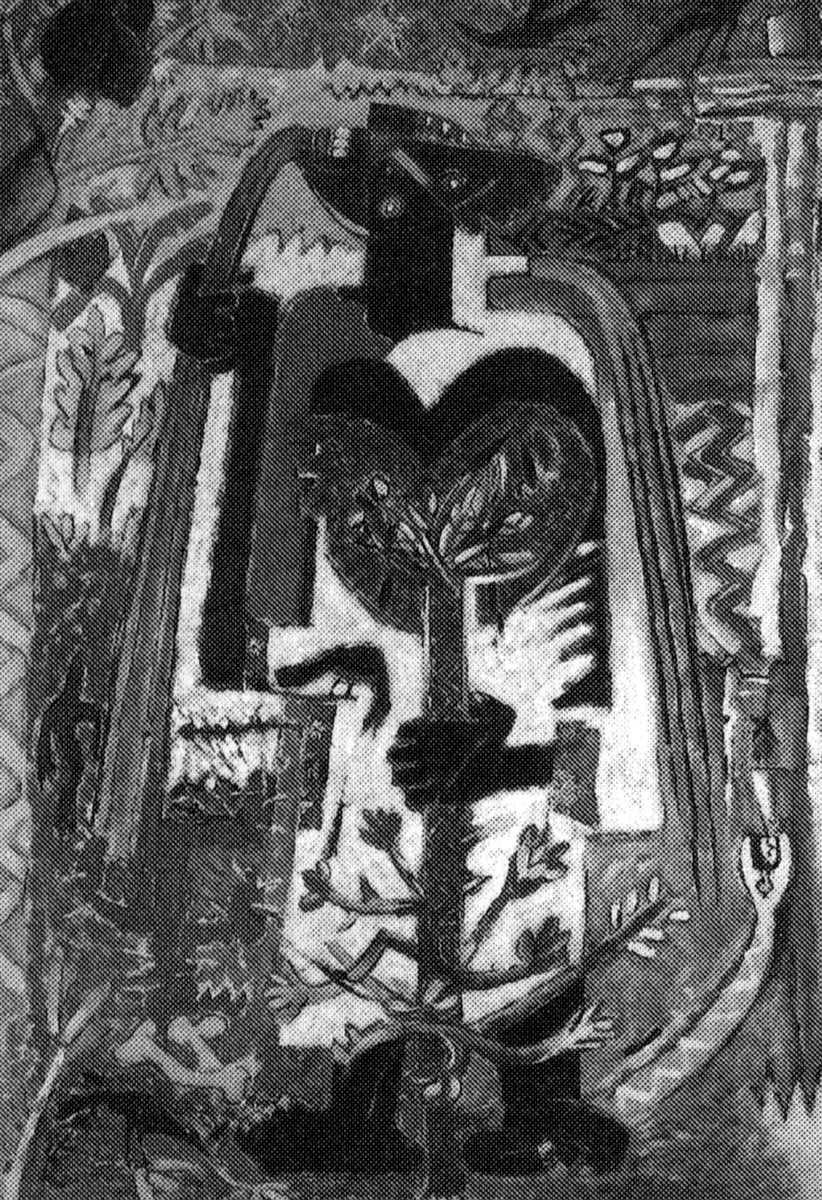
Caribbean Visions could be defined as an exhibition with good artists, good works, but without any script. The biggest problem was precisely the lack of any underlying direction, which prevented any kind of rational reading of the show. Although the diversity of the works was a curatorial challenge, a viable solution would have been to follow the themes suggested in the introduction (nationalism/indigenism, romanticism, mysticism, religiosity, satire, anti-bureaucracy, anti-technology, deities and legendary figures, nature, carnival, folklore, and narrative visual language) (Lewis S, 1995).
The guide published by the Center of the Fine Arts (CFA, 1995) suggested five categories as an alternative way of organizing the show: Caribbean landscape, spiritualism, personal identity, social and political commentary, and formalism. These categories are not exclusive, and most of the artists could identify with several of them, such as the Rastafari artists Ras Ishi Butcher (Barbados), Ras Akyem Ramsay (Barbados), and Shengé Ka Pharaoh (Trinidad-Tobago), Osmond Watson (Jamaica), Shastri Maharaj (Trinidad-Tobago), Wendy M. Nanan (Trinidad-Tobago), Stafford Schliefer (Jamaica), or Genaro Phillips (Dominican Republic).
For practical reasons, however, each of the categories comprised a specific group of artists:
a) Caribbean landscape: Gwen Knight (Barbados), Myrna Báez (Puerto Rico), Kenwyn Crichlow (Trinidad-Tobago), Bendel Hydes (Cayman Islands), Frank Bowling (Guyana), and Karl "Jerry" Craig (Jamaica), b) Spiritualism: Wifredo Lam (Cuba), Albert Chong (Jamaica), Michael M. Milton (Jamaica), Christopher González (Jamaica), LeRoy Clarke (Trinidad-Tobago), Ademóla Olugebefola (St. Thomas), Edouard Duval-Carrié (Haiti), Philippe Dodard (Haiti), and José Bedia (Cuba), c) Personal Identity: Karl Broodhagen (Guyana), Edna Manley (Jamaica), Alvin Marriott (Jamaica), Stanley Greaves (Guyana), Luce Turnier (Haiti), Bernard Séjourné (Haiti), Arnaldo Roche Rabell (Puerto Rico), José García Cordero (Dominican Republic), María de Mater O’Neill (Puerto Rico), Dudley Charles (Guyana), Keith Morrison (Jamaica), Lia Galletti (Cuba), Gregory A. Henry (Guyana), Claude Fiddler (St. Vincent), Diógenes Ballester (Puerto Rico), Inés Tolentino (Dominican Republic), Nelson Santiago (Puerto Rico), Peter Wayne Lewis (Jamaica), and David Gall (Barbados), d) Social and political commentary: Luis Cruz Azaceta (Cuba), Tomás Esson (Cuba), María Magdalena Campos-Pons (Cuba), Annalee Davis (Barbados), Francisco Cabral (Trini- dad-Tobago), and Christopher Cozier (Trinidad-Tobago). e) Formalism: Margaret Chen (Jamaica), André Juste (Haiti), Dudley Charles (Guyana), José Perdomo (Dominican Republic), Jean Claude Rigaud (Haiti), Juan Carlos Toca (Puerto Rico), Ronald Moody (Jamaica), David Boxer (Jamaica), and Eric Cadien (Jamaica). This final category was the least satisfactory, since it was a "catch-all" for works which could not be placed in the other categories.
The exhibition was undoubtedly a first attempt, and should be recognized as such. However, it is important to note that the lack of any overall "guiding principle" when it was hung created a veritable "hotch-potch" of works, which was difficult to understand beyond their individual merits. And although it is true that in some cases the show highlighted the contemporary nature of many of the artists, many of them failed to escape the stereotyped clichés from which the exhibition was attempting to escape.
BIBLIOGRAPHY
1. Center for the Fine Arts, 1995, Caribbean Visions. Contemporary Painting and Sculpture, Gallery Notes, Miami.
2. Kurlansky, Mark, 1992, A Continent of Islands: Searching for the Caribbean Destiny, Reading, Mass., Addison-Wesley, quoted in Samella S. Lewis, Caribbean Visions. Contemporary Painting and Sculpture, 19, Alexandria: Art Services International, 1995.
3. Lewis, Gordon K., 1969, "The Growth of the Modern West Indies," New York and London, Monthly Review Press, quoted in Samella S. Lewis, Caribbean Visions, op cit.
4. Samella S. Lewis, Caribbean Visions. Contemporary Painting and Sculpture, 19, Alexandria: Art Services International, 1995.
FRANCINE BIRBRAGHER