
This retrospective show of work by Kenneth Kemble at the Palais de Glace had the virtue of representing one of the leading figures of the art developed from the second half of the 1950s. In addition to pictorial works, the exhibition included photographic material and catalogues documenting almost forty-five years of artistic activity.
Kenneth Kemble was born in Buenos Aires in 1923, and although he was trained in that city, he also carried out studies in France. Towards the end of the 1950s, he participated in the new experiments being conducted by the informalist movement, of which he was a member, and took part in its first exhibition in 1959 in Buenos Aires, along with Enrique Barilari, Alberto Greco, Olga López, Fernando Maza, Mario Pucciarelli, Towas, and Luis Alberto Wells.
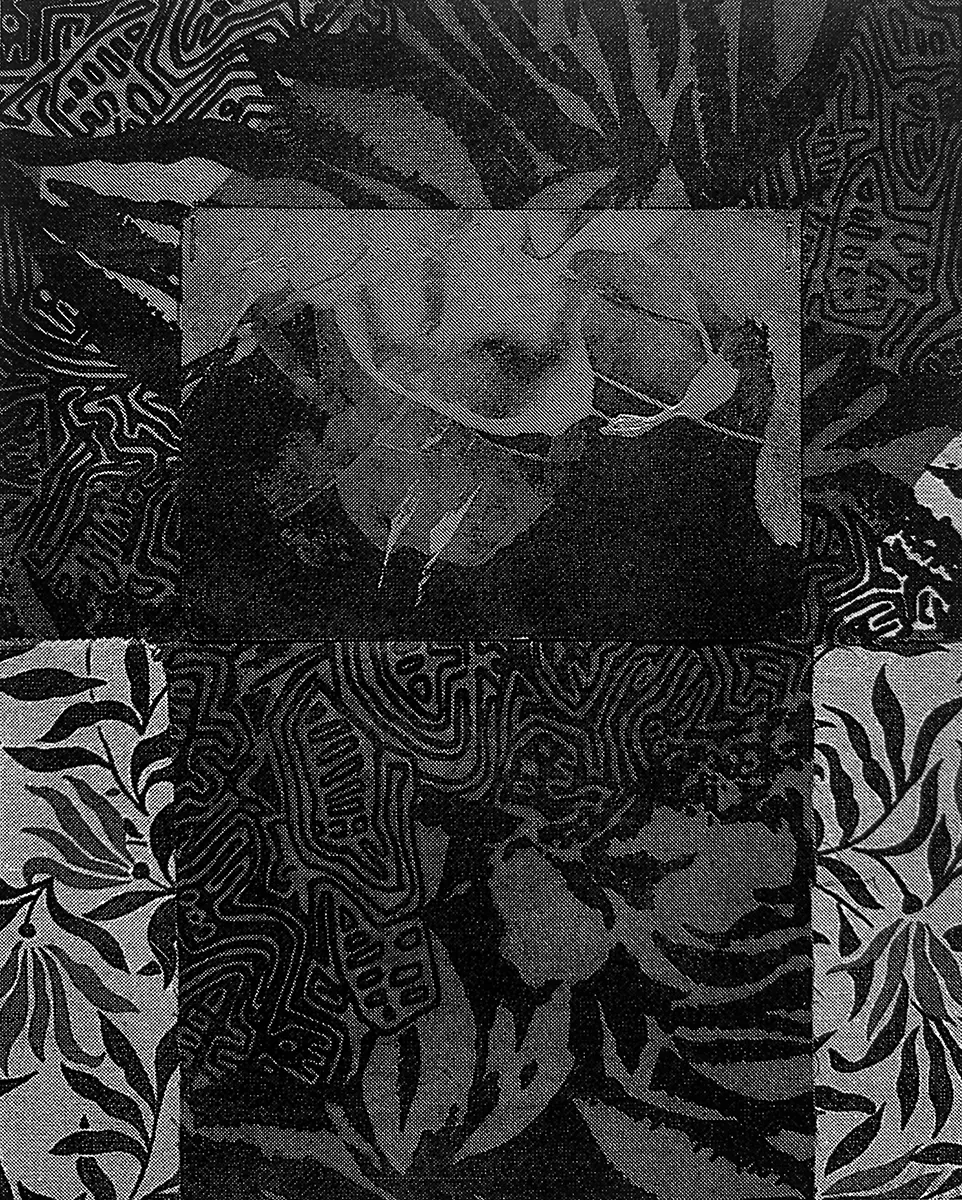
Several of the pictures in this retrospective illustrated one of the major aesthetic virtues of Kemble. Their rigorous black brushstrokes recall oriental calligraphy and have an emotional strength based on gestuality. This sense of drama is also present in works carried out one year before, such as Composition with Lattice Cloth, in which the collage acquires a new form of expression that was to become characteristic of the informalists. Another example from the same year is Suburban Landscape, in which the use of vehicle oilcans and wood signals a break with the use of traditional materials in art. The polemical alternatives surrounding these experiments highlighted the rupture that would henceforth mark contemporary art in our region.
This process was continued in the exhibition entitled Destructive Art, which Kemble presented along with Enrique Barilari, Jorge López Anaya, Jorge Roiger, Antonio Seguí, Silvia Torres, and Luis Wells towards the end of 1961. The debate intensified, and the new currents in art were becoming increasingly evident. Shortly afterwards, the Di Telia Institute was founded, happenings arrived, along with the different currents of experimental art. At the same time, Kemble also began to develop another variant which, over time, was to lead towards his present work. During his initial period of abstract expressionism, he introduced color, the expressiveness of which he then tempered as he moved towards an objectivism in their use, through initial sketches done on flat-colored papers at the beginning of the 1970s.
This characteristic became accentuated in the fragmentation typical of his work, as for example in Totempicololo, a large-format acrylic with which he won the Grand Prix at last year's National Salon.
ALBERTO COLLAZO