
The Salon of Young Artists at the Museum of Antioquia has undergone a welcome facelift in its policy, with the establishment of clear objectives concerning all spheres, and with the appointment of a strict selection jury. In the Regional Salon, however, there was an award jury that at the same time selected the works for competition in the National Salon in the capital. Thus, the task of this jury in actual practice involved discussion of the selected works and the prize-winners. To add to the confusion, there was a series of written recommendations concerning, for example, the "lack of craftsmanship" in the paintings.
Can we really use the word "technique" in the absence of any serious knowledge of materials, of the concept of space and time, and any capacity to forge a personal tradition in the wake of postmodernity, where remakes have given way to the déjà vu? Where else today is the problem of substituting personal experience with mediatic information more evident? What is important to stress in these shows is the process of certain attempts towards personal definition, towards aesthetic expressions that require critical recognition and understanding of the concept of art in the immediately preceding generations.
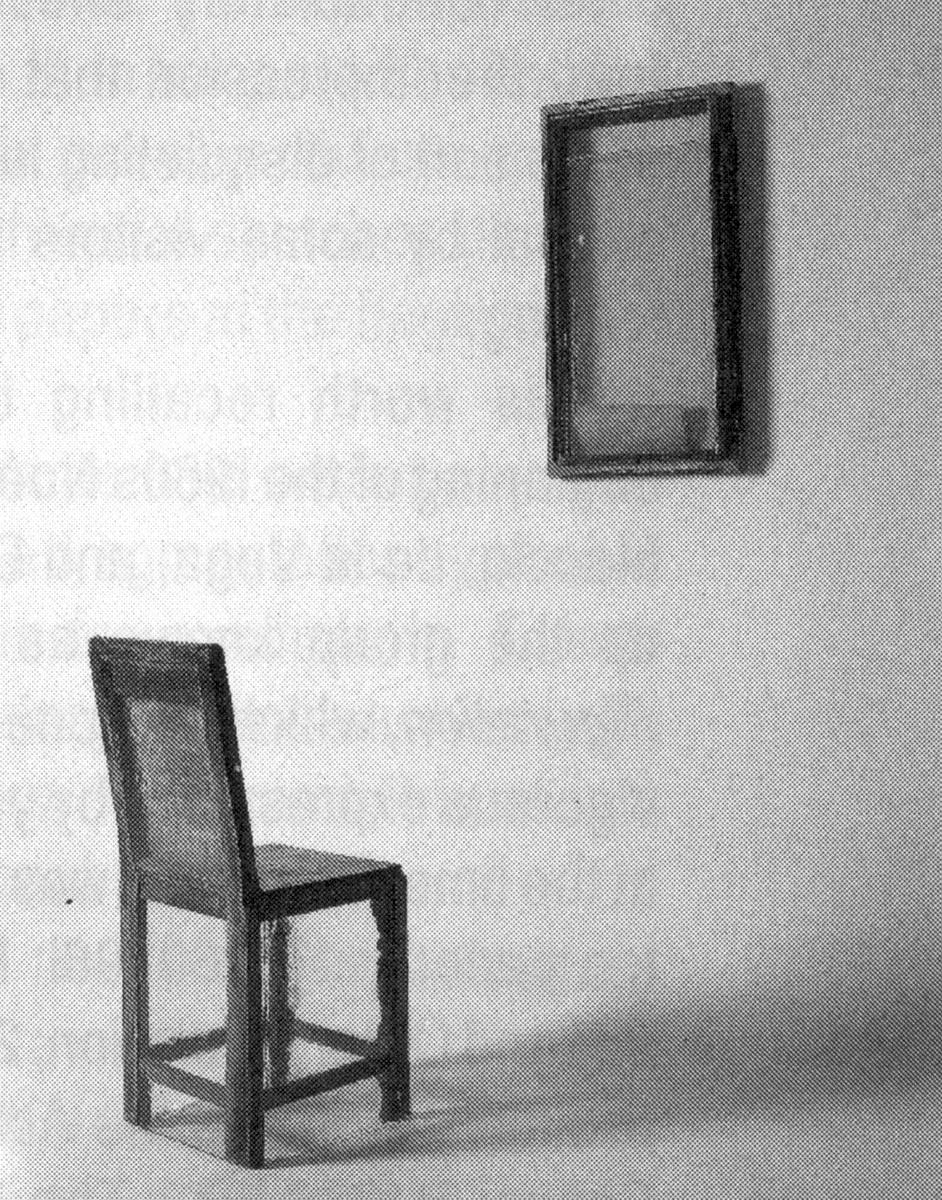
It was therefore exciting to see the ludic interplay evident in the work of Luis Fernando Peláez, who has, with insistent and rigorous work, been exploring very specific areas of meaning in which such concepts as memory and metaphor go well beyond academic rhetoric and become a poetic definition backed up by real craft. The same can be said for the perverse objects of María Teresa Cano, which can be seen as a retrieval from surrealism of the philosophy of exquisite corpses, and through which she makes an acid criticism of certain institutions.
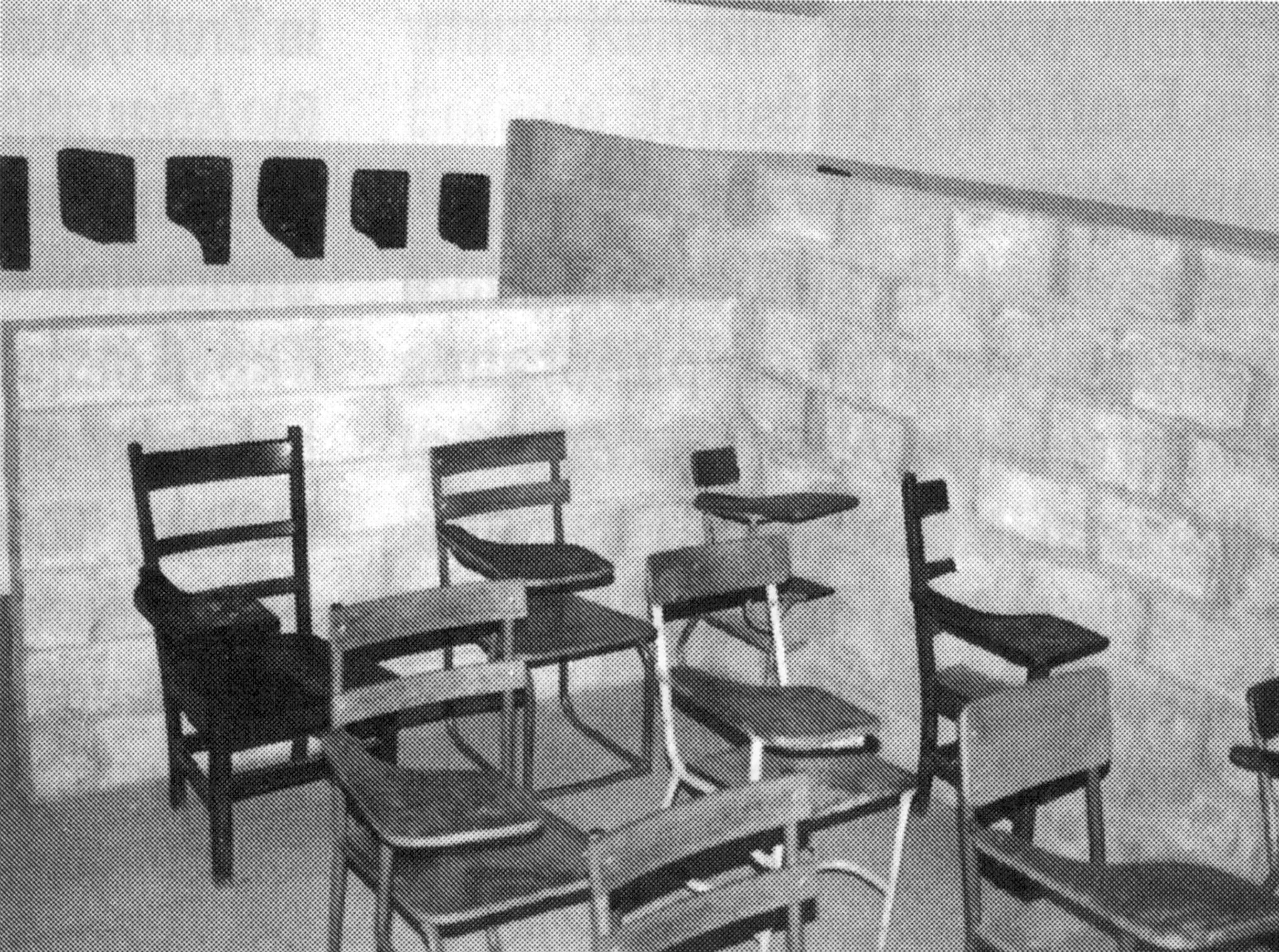
This is also the case with the work of Gloria Posada in the Museum of Antioquia, where the image of the classroom is mentally revived through the introduction of a disturbing question about its existence, about what lies hidden behind the tally marks on the wood, a memory which is the imperceptible trace of something unnamed. The artist intelligently avoids the temptation to reconstruct, leaving the distorted elements to retain their mystery.
Morandi painted the same thing all his life: the same bottles, the same pots, but this splendid monotony allowed him to explore the depth of surface, the inexhaustible strength of what is minimal. Does this happen with José Antonio Suárez —or is the presence of what is always the same not an exploration of depth but rather a kind of tick? Skill must not slip towards a virtuoso void but towards secret ruptures defined by the grotesque or lyrical content of the world and life. Either the drawings are real observations, or they are mere scribblings by a hand that refuses to be more than amused.
The two sculptures by Rony Vayda were good examples of a personal process that has been able to keep a distance from stereotyped telluric proposals, all the neo-expressionisms of which we are so fond, within the parameters of a lyrical geometry. He has been able to exploit certain Neo Geo aspects to achieve a personal touch. The urban impact of his work is a good example of this.
Where was the sense of déjà vu most evident? In the work of students dominated by information processes, influenced by poor teachers, students who have still not discerned the already imminent crisis of what we have called art in the world as we know it now.
DARÍO RUIZ GÓMEZ