
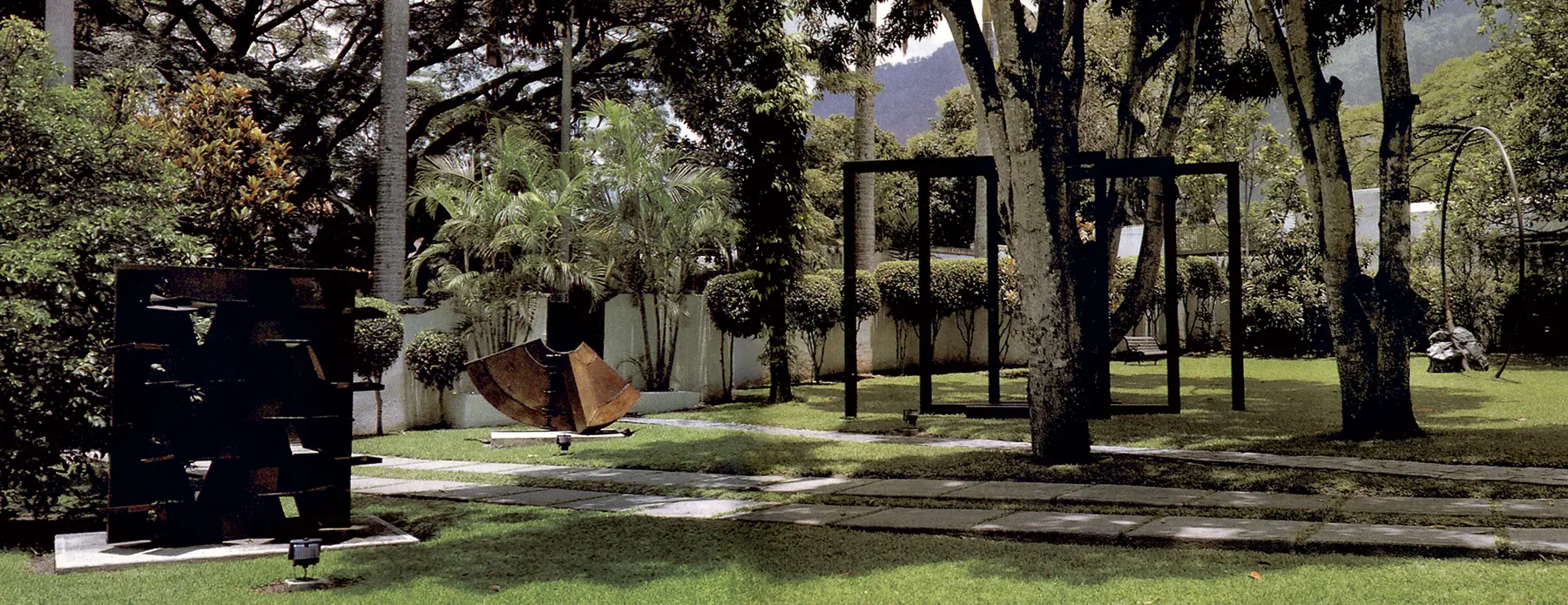
His collection is the result of a passion. His words are those of experience, the asseverations, the fruits of study, curiosity, the capacity for astonishment at an unexpected yet not unforeshadowed encounter. As a spectator of a process and the protagonist of a fact (the realization of a project), the collector opens his heart (and his pockets) to the criteria that determine his choices. But he cannot choose without reason, because this is not a freely spontaneous or accidental act. The choice may not be necessarily good simply because it was his, and the choice is not independent of the reasons that have guided it. Neither is this act an irrational one influenced only by the senses. The conscious collector knows that his freedom of choice is valid only if it is limited and that such limits are established by the criteria and reasons which guide him along the path towards the objective which all collections must have.
It is important to begin by quoting the protagonist of this project, since his words express the various forces that have guided him and the obstacles that he has had to overcome. Ignacio Oberto has said that "it is not easy to assemble a collection, which involves demands of all kinds, including those of a family nature. In the end, what may seem to be a sacrifice at any given moment may become a form of retribution when the collection is finally enjoyed. What is important is to learn to establish a hierarchy, priorities. After all, what is more important, a fleeting pastime or the inclusion of a fine work? Time always confirms the validity of things, and this is something that occurs when you have the opportunity to experience the growth of an artist's works, when the validity of your choices has been confirmed. On countless occasions, we have had to overcome moments of despair: from the incomprehension of some artists whose egos have prevented them from understanding the effort involved in the creation of a collection, to the monetary system and fictitious distortion of the market because they think you are a millionaire. Very often, I have had to fight for the price of a work which had received no offers from the market until I became interested in it. When artists and intermediate speculators realize what a specific work represents, they sometimes establish false scales of values. Finally, it is hard to see how some artists who you thought might have a good career become swept up in the commercial boom and fail to live up to the demands of their profession by degrading their principles. But the other side of the coin is the reward of enjoying works which, over time, maintain and increase their value. Furthermore, the creation of a collection always provides a spiritual reward when you come to understand what you are holding in your hands. Life changes, and so do your values as you learn how to devote yourself to your task with a full sense of enjoyment."1
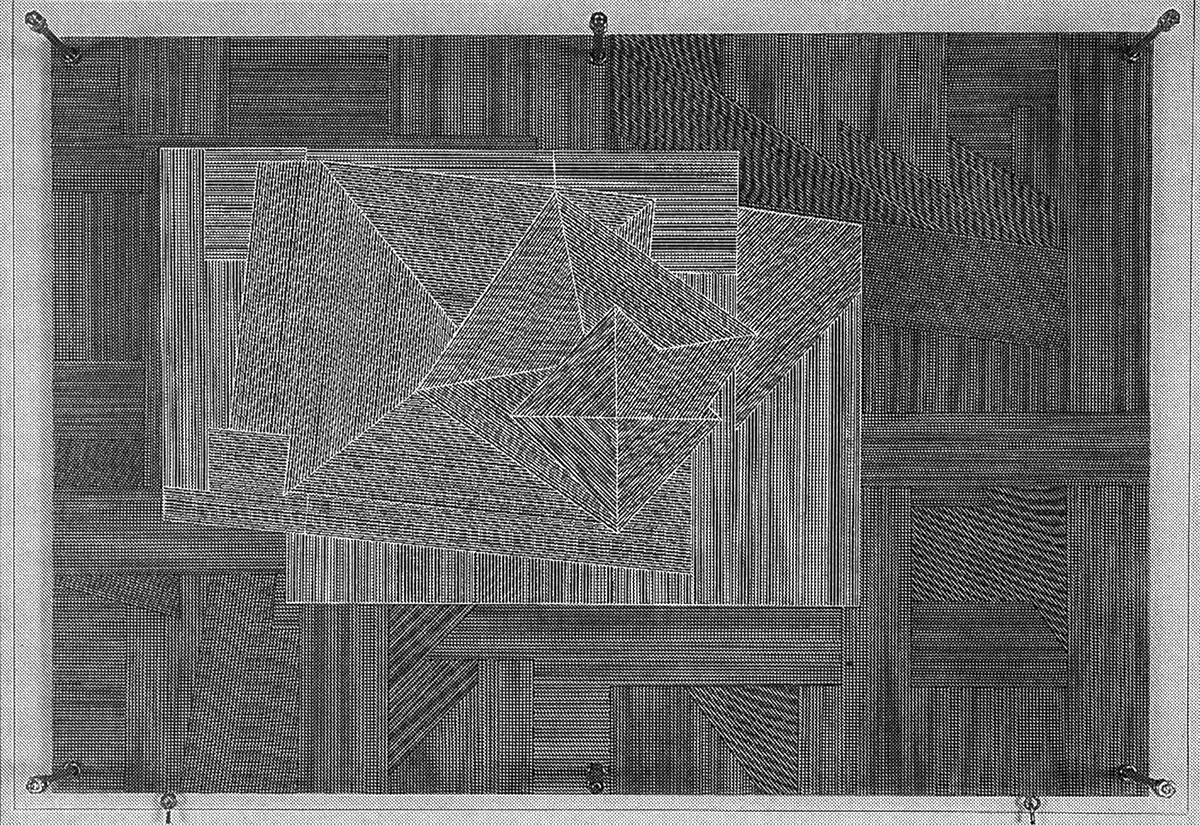
I once had a conversation with Ignacio and Valentina Oberto about their passion for art. I remember we talked about Gauguin and what the story of this unusual artist meant to them, so that they even gave the name of Noa Noa to their private residence. This is also the name of the foundation which they recently established to protect their extraordinary collection of Venezuelan art and Latin American sculpture, part of which they recently exhibited at the SofÍa Ímber Museum of Contemporary Art of Caracas (MACSI). The project goes back to the 1980s and was developed very rapidly. It began discreetly, but with much passion. Little by little, the passion was reinforced with knowledge, research, and the need to give a structure within the context of the art that has emerged in the country since the 1950s. Within a few years, it became the only collection of Venezuelan art of a historical, conceptual, and formal kind. The number of works acquired to date and the wide range of tendencies represented, carefully selected in consultation with a team of theorists who guided the collectors (Ignacio Oberto and his wife Valentina), can be divided into nine categories: "Constructivism," "Informalism," "Illuminations," "Conceptualism," "Three Decades in Two Dimensions," "Hypermedia," "Latin American sculpture," "Monographs," and "Contemporary photography." These were the sections used in the show at the Museum.
The establishment of a collection involves a deep passion, and it is this passion that in fact motivates a person to collect a group of objects which must first of all satisfy his or her own tastes and then, logically, become part of a given patrimony. Passion, which, as I have said, must be accompanied by considerable knowledge and information to ensure that the collection has a real cultural and economic, rather than just sentimental value. Collecting is also an act involving considerable risks and challenges, risks in terms of consumption and challenges at the artistic and functional levels. Many works will not in the future meet the expectations of the collector. For this reason, the collector needs to be courageous. Oberto himself has said that to purchase a work is an act that involves both his mind and his heart. It is the result of his passion for art, but it is structured in accordance with solid and carefully thought-out criteria. The decision is taken rationally and is based on the criteria of quality, so that the work retains and can improve its value over time, but the process always involves the heart at the same time, because it is the heart that makes us buy something we really like. At another level, the Obertos have followed very closely the development of Venezuelan art over the years, and in no way can they be considered as spontaneous collectors. Their interest has not only been theoretical, and they themselves have participated in the promotion of Venezuelan art. For many years, Ignacio Oberto was a member of the board of the Friends of the Museum of Fine Arts of Caracas Foundation, where he played an important role and where I had the honor of working with him in fruitful meetings.
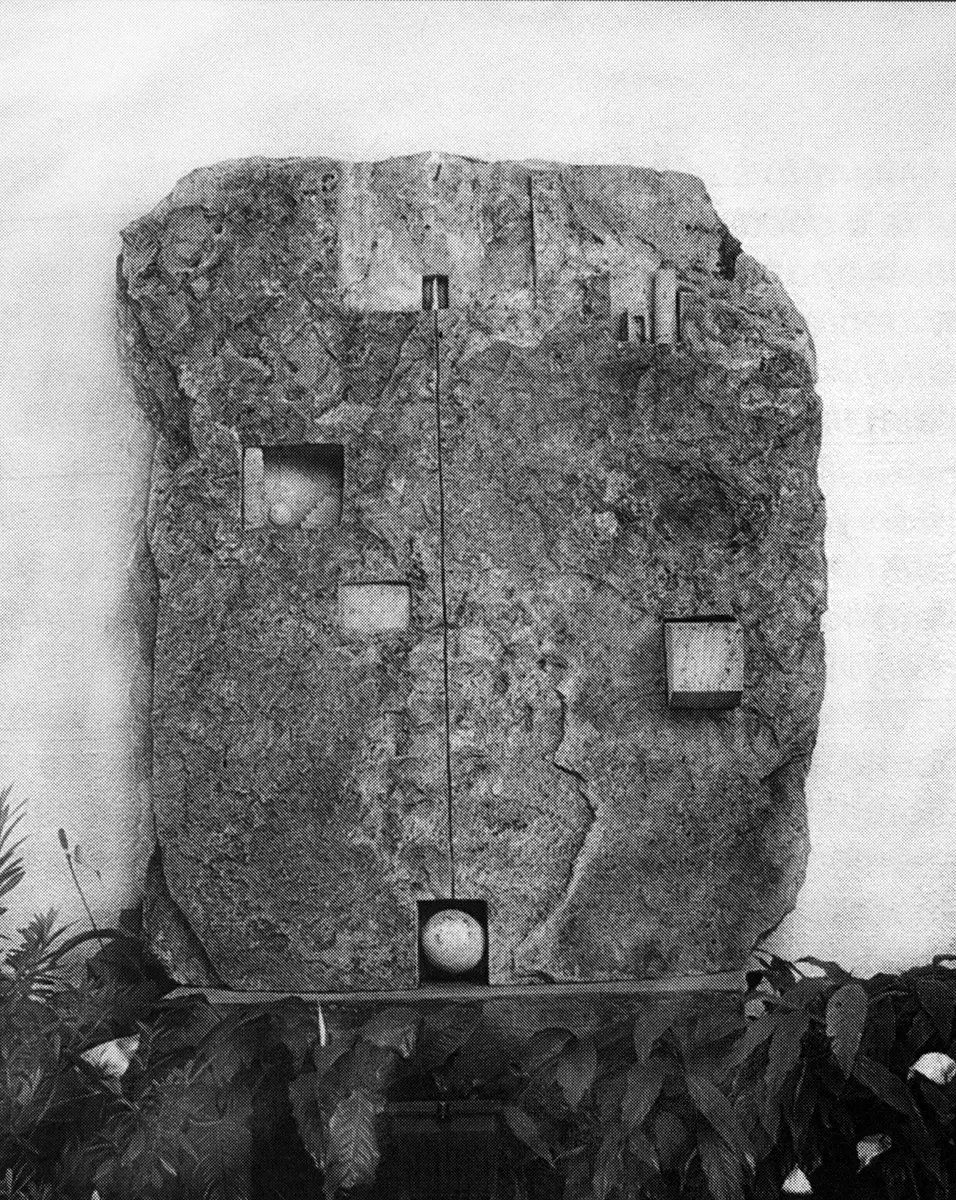
The title of this recent exhibition was A Vision of Contemporary Venezuelan Art: The Ignacio and Valentina Oberto Collection. The works, organized into the above-mentioned categories, did indeed offer a vision. It was not an exhaustive panoramic view of the wide-ranging and complex process of the visual arts in Venezuela from the 1950s, but a guided tour through the works that have been added to the collection over the years. But this was sufficient to reveal the criteria in the study and analysis since Oberto dedicated himself with zeal to increase his collection with key works, with a number of major and seminal pieces. According to the information provided by the Museum, the Oberto collection has become an almost inevitable point of reference for students of Venezuelan art of the last four decades, many pieces of which are requested for loans to other major museums and institutions. What is significant in this connection is not only the accumulation or cataloging of the works and objects in themselves, but the presentation of accompanying documentation, bibliographies, and information on the respective artists, all of which enhances the overall objective of the project.
The first category concerns the 1950s, when there was a powerful development of geometric constructive art (but not constructivism) in Venezuela, derived from the artistic codes developed by the European constructivists. This section included the work of dissident artists who lived in Paris and formed a well-known group in the history of Venezuelan art: Alejandro Otero, Pascual Navarro, Luis Guevara Moreno, Mateo Manaure, and Carlos González Bogen,2 all of whom worked in a non-figurative context. This aspect was complemented with the construction, by the architect Carlos Raúl Villanueva, of the University City of Caracas, where he applied the concept of the integration of the arts, very much in vogue at the time, and where many of these artists were to create major works. This decade ushered in a period of contemporaneity in the country's art, which until the end of the 1940s had been mainly dominated by landscape themes. This was also one of the most polemical decades at the theoretical level, with abstraction being opposed to figuration as a principle of universalism, and the abandoning of figurative representation as a means of avoiding the sensuality of local landscape painting—all of which was backed up with theoretical arguments. Other artists presented in this section included Gego, Gerd Leufert, Marcel Floris, Nedo, Harry Abend, and Francisco Salazar.
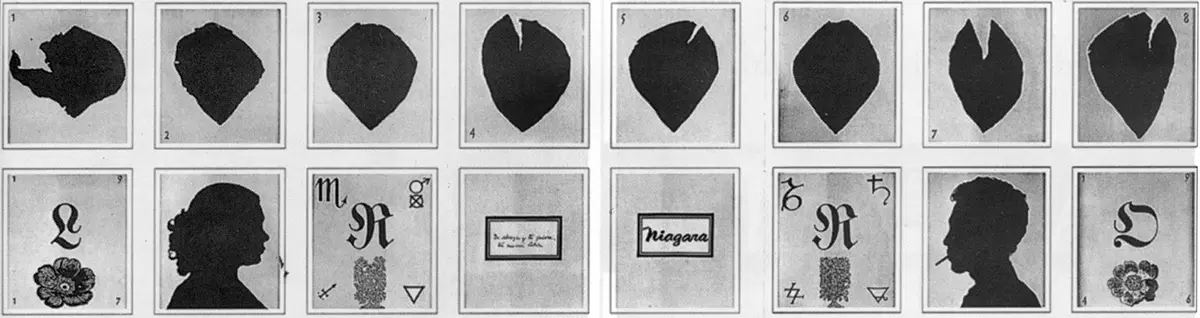
The second section centered on informalism. This was practically a historical sequence, even though it is not possible to establish rigid limits in the analysis of the various currents which appear during given periods, since there is always much overlapping and harmonious coexistence, as is the case, for example, at present. Informalism as a tendency was an inner reaction by artists and a protest against national historical events. In this sense, it can also be described as an exercise in protest against the interest being shown in new figuration during those years. There was little time for theory, and efforts were concentrated on action, as is clearly evident from the works produced, characterized by a tremendous element of violence. The image of society and man had changed, and so too had artistic expression. There no longer existed an ideal image of man (also in disintegration today), and so artists sought to express their disillusion through warm and violent textures, desperate and angry gestures. The agitated '60s left their mark. The impressions of artists and intellectuals made up the Techo de la Ballena group, the Fez Dorado Circle, and those who organized the no less ferocious spectacle entitled Homage to Necrophilia. There, Maruja Rolando, J.M. Cruxent, Carlos Contramaestre, Daniel González, Ángel Luque, Elsa Gramcko, Humberto Jaimes Sánchez, Alberto Brandt, and the sculptors Pedro Briceño and Pedro Barreto, who, although working in sculpture which could have been placed within the informalist current, did subsequently move towards a kind of geometrical abstraction.
The third section dealt with "Illuminations," a rather unclear term, unless the reference was intended to be to illuminated artists in the esoteric sense. Was it that? Joking aside, the artists in this section were defined as master artists, and included Jacobo Borges, Mario Abreu, Emerio Darío Lunar, Barbara Rivas, Miguel von Dangel, and Apolinar. If these artists were considered to have created illuminating works, then the idea was rather exaggerated. However, it cannot be denied that their production has been a powerful thematic and artistic source of creation in Venezuelan art. Each one is a separate case in terms of its influence and projection. Two of the strong points of the Oberto collection were the fourth section, which dealt with conceptualism, and the sixth section on hypermedia. Both sections can in fact be taken together in a rather loose manner: although they apparently have nothing to do with each other, they do offer similarities at the theoretical level, although their means of expression differ. In the case of conceptualism, an artistic form which began to emerge in the country from the mid-70s, we just need to remember when Antonieta Sosa, represented in the collection, in an act of artistic and conceptual rebellion, had one of her sculptures, Primary Structures, carried on the shoulders like a coffin, from the Ateneo in Caracas to Museum Square—to then break it up into little pieces of wood and formica. This section included Claudio Perna, Héctor Fuenmayor, Eugenio Espinoza, Diego Barbosa, Pedro Terán, Roberto Obregón, Milton Becerra, Luis Villamizar, Carlos Zerpa, and Theowald D'Arago. This part of the collection contains a number of documents, manifestos, photographs, videos, and other materials, since many of the proposals were in the form of performances, ephemeral installations for which only documentary material now remains. "Conceptualism" gave way to the multimedia culture of the 1980s and 1990s, and the sixth section, entitled "Hypermedia," included work by such artists as Nan González, Óscar Molinari, Leonor Arraiz, Sammy Cucher, José Gabriel Hernández, José Hernández-Díez, Yeni & Nan, Nela Ochoa, Alí González, Meyer Vaisman, and Pedro Tagliafico. As the title indicates, these works were mainly concerned with an exploration of multiple media, various kinds of materials, and physical space, including installations that incorporated television images, video clips, and the non-traditional media of advanced technologies.
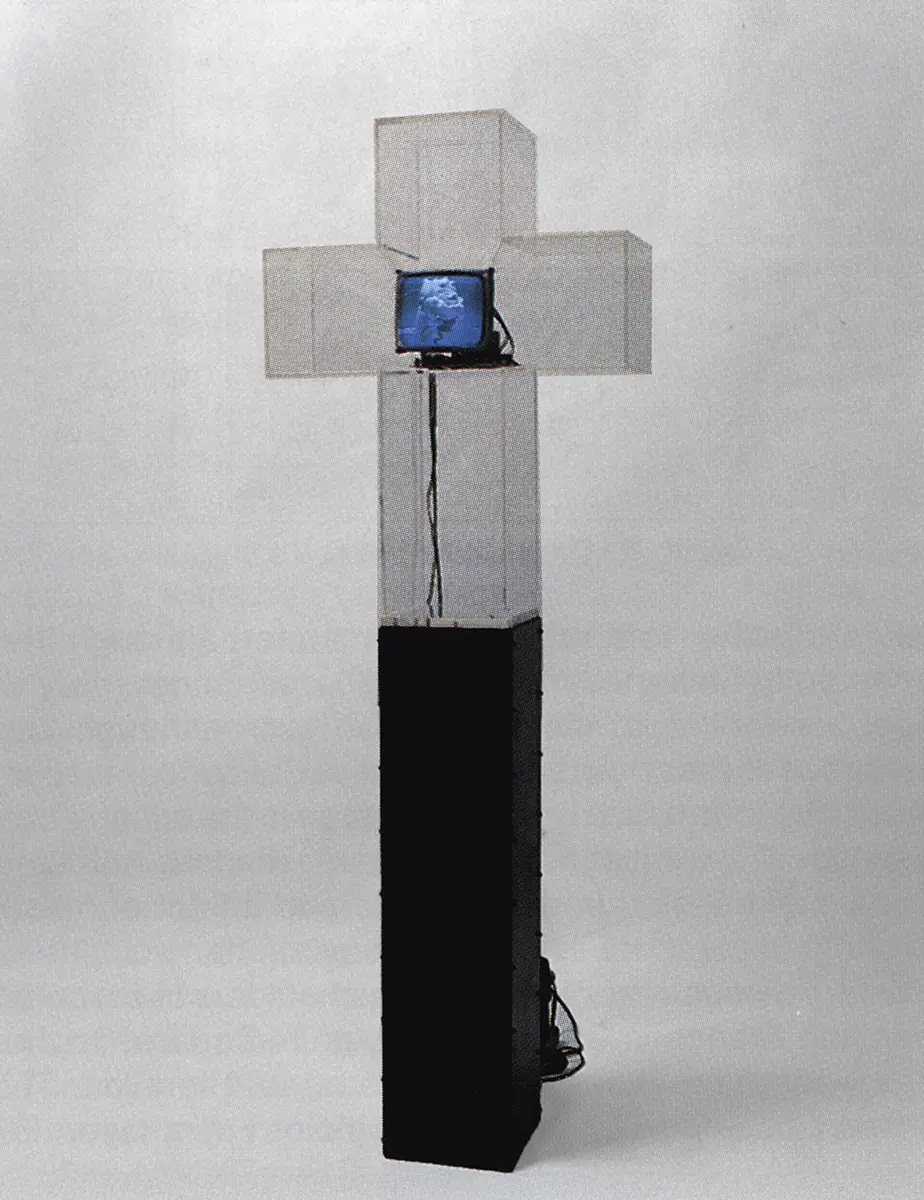
The fifth section presented work from the 1980s, a generation of artists who have been considered intermediate. Here, large format works were important, as was gestural expression and non-representational formulation. There was a boom in drawing during these years, and the diversity of language encompassed various forms of realism, including conceptualism and hyperrealism. The seventh section comprised Latin American sculpture. Latin American three-dimensional work—not sculpture in the traditional sense of the term—was represented by such artists as Alfredo Jaar, Doris Salcedo, and Jac Leirner, who use non-traditional kinds of materials and media, alternating their supports, appropriating objects and elements from everyday life to explore space in its various dimensions. Large format Latin American sculpture was placed in the gardens of the collectors’ home and included works by Ramírez Villamizar, Agustín Cárdenas, Gonzalo Fonseca, Édgar Negret, Carlos Rojas, and Marisol Escobar, as well as pieces by Venezuelan artists, such as Miguel Borrelli, Carlos Mendoza, Max Pedemonte, Milton Becerra, and Harry Abend.
The last two categories, entitled "Monographs" and "Photography," are special sections of the collection. The first is the result of a personal decision by the collectors, which, of course, they were entitled to make. However, this could be considered one of the most dangerous points, since the intention here is to examine contributions and influences, and to establish a sort of history. According to Oberto, these monographic units are a kind of homage to these artists, given the quantity and scope of their works in the collection. They include Sigfredo Chacón, Roberto Obregón, and Miguel von Dangel. The photography section was in fact a small sample from the main collection. For curatorial reasons, the show included only those pieces with marked pictorial qualities. Given the volume of works in this part of the collection—one of the most exhaustive in Venezuela—it would be worth mounting a special exhibition made up exclusively of photography.
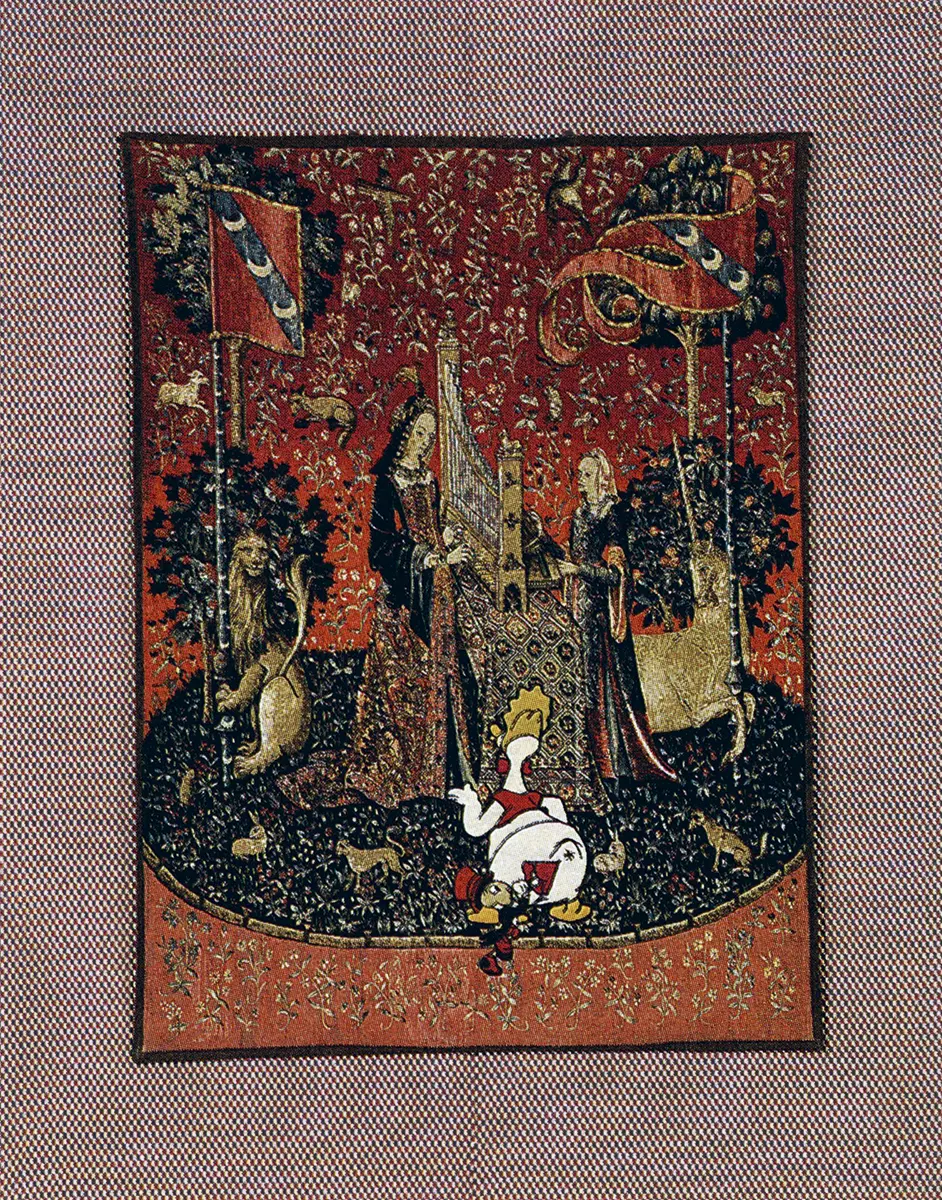
This exhibition offered an authentic artistic and aesthetic experience to the visitor. It was very handsomely set up in the Museum and offered a wide-ranging panorama of the Venezuelan art scene. Other visions are possible, but this collection enabled us to view a number of important periods and epochs in the country's art on the basis of the selected works. From the formalist severity of the 1950s, you reach the liberty and diversity of languages of the 1980s and 1990s. The path is a varied one, with different readings and the absence of any strict or limited interpretations. The artist has been given a new kind of liberty, which many have fortunately been able to exploit in the creation of their works, without forgetting the need for a historical awareness, and for the present and future that will judge their works. A collection of this kind does honor to the country, and we all feel it in these times of crisis.
NOTES
1. The remarks by Ignacio Oberto are taken from the press releases issued by MACSI.
2. Mention is made here of only some of the artists represented in the collection and presented in the MACSI exhibition.
BÉLGICA RODRÍGUEZ
Doctorate in art history from the Sorbonne, Paris; M.A. from the Courtauld Institute, University of London. Art critic, specializing in Latin American art. Honorary President of AICA International.