
The Altamira Gallery recently presented exhibitions by a painter, Jorge Stever, and a sculptor, Carlos Mendoza, which highlighted the excellence that both artists have now achieved.
Stever had not exhibited in Caracas since 1991, when the Casa Rómulo Gallegos presented a series of pieces that were the result of years of fruitful work. At that time, the paintings were full of pigments, dense and dark, almost monochrome. Darkness was almost a fashion during the 1980s, as was the use of "graffiti," which provided the "urban" tone being sought by many artists.
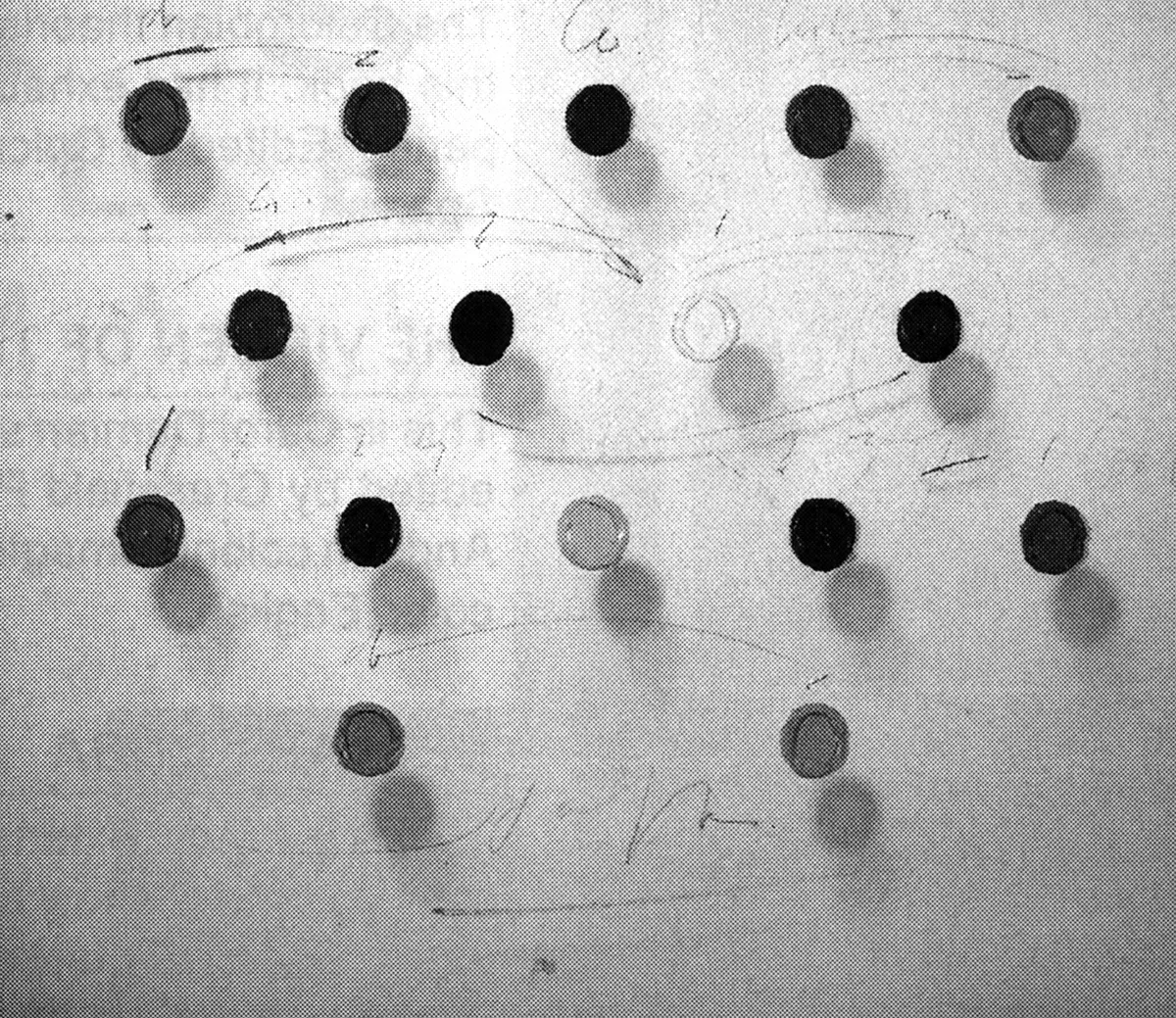
However, such darkness was by no means anything new in Stever’s work—and neither was the graffiti. From the end of the 1960s and throughout the 1970s, Stever developed an interest in chromatic sobriety. This exploration subsequently took him to the use of white and then color, without any of these stages implying any break in the logic of his work. All this was evident in this show, which included pieces from different periods of his work.
While Stever exploits the austerity of his resources as well as images, Carlos Mendoza, on the other hand, proposes not only a kind of "rhetoric of signs," but of materials too. He enriches his pieces by inserting figures, numbers, and letters into the sculptural structure as well as through the chromatic diversity created by the combination of wood and marble. Although this is constructive work, it retains a certain organic dimension, which in some pieces verges on the erotic. It is for this reason that Perán Erminy and Manuel Quintana Castillo have, on various occasions, defined his work as "organic constructivism."
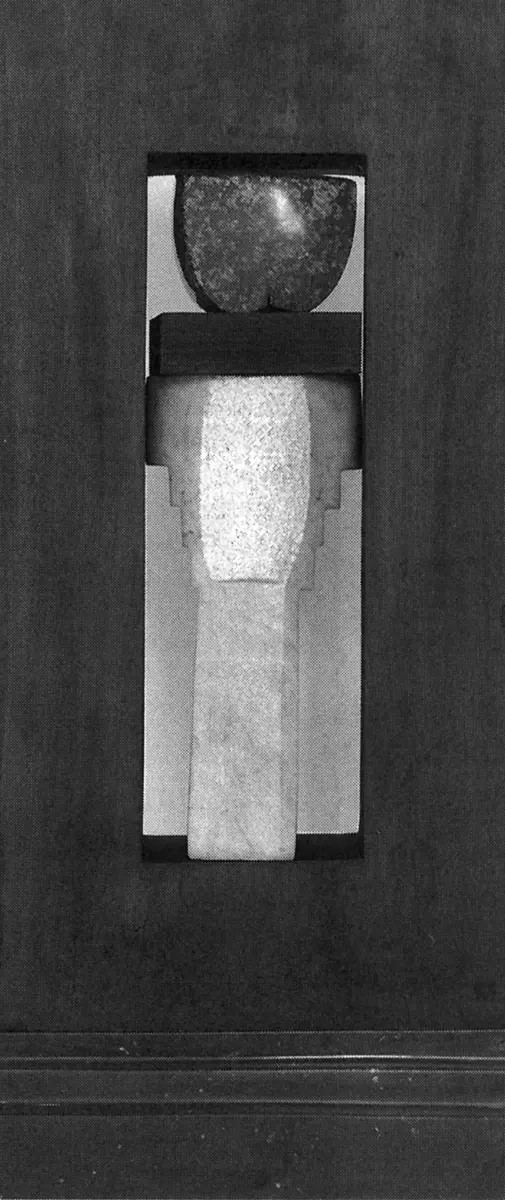
Signs interest both artists, although in different ways. However, in both cases, their use can be seen as an excuse for a pictorial/sculptural discourse where they function like the "remains" of figuration. In the case of Stever, brush strokes, reliefs, soft, mellow circles, and pictorial texture in suspension appear almost like visual references over the surface or a kind of subjection to reality. In Mendoza, they are the expression of a sensitive kind of geometry made into volume, rounded and organic. At all events, the signs, rather than encompassing a meaning, become an artistic and expressive resource in themselves—a quality evident in the work of both these artists.
SUSANA BENKO