
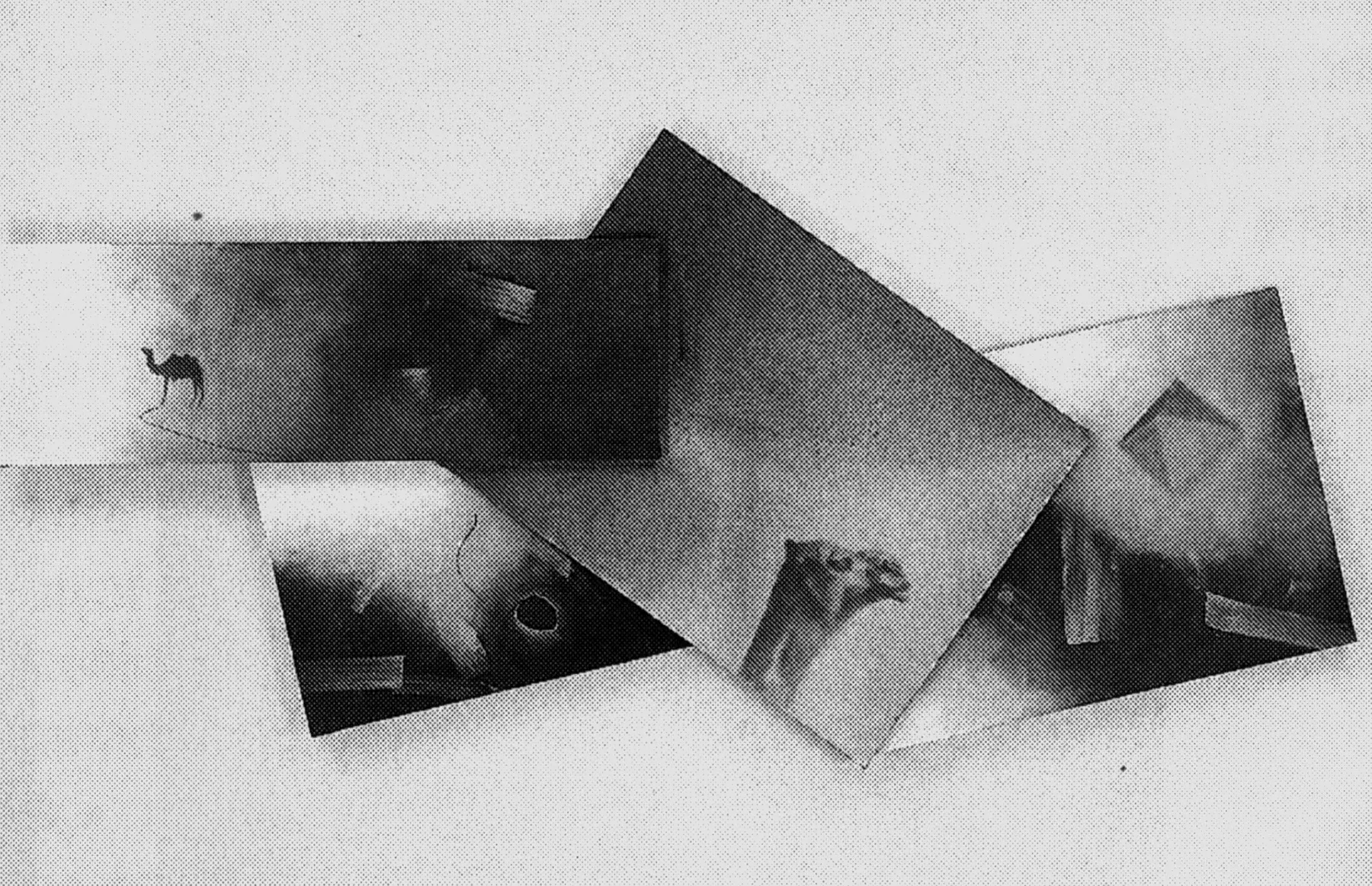
In three simultaneous presentations at the El Chopo University Museum, Colombian and Mexican artists participated between the second half of August and the first week of October in a fraternal confrontation between the two countries, which, although not intended to be any kind of competition,» did confirm the clean bill of health of Colombian art and the serious limitations now affecting art in Mexico. The Colombo-Mexican encounter consisted of a group show of prints, entitled Paper Vestiges, which included works by Paige Abadi, José Antonio Suárez Londoño, and Fabio Valencia, curated by Efraín Bernal, an installation (by its size closer to an environment) by Miguel Ángel Rojas, entitled Pascal and Pascual: The Conquest Must Go On, and a wide-ranging group show, Mexico-Colombia Artistic Exchange: the Spirit will Speak for my Race, with works by ten artists from both countries (curated jointly).
Paper Vestiges was presented in the gallery on the top floor of the museum and gave a useful overview of the autonomous development of print-making in Colombia. This is a feature which is frequent in other cultural media—such as three-dimensional works—as a reaction against the predominance of painting. The show offered a wonderful counterpoint to the other events in this encounter, and if, as planned, another edition is held in Colombia in 1996, it would be a good idea to include a show of this kind with work by Mexican print-makers. A side section of the broad exhibition area in the El Chopo University Museum was reserved for the installation by Miguel Ángel Rojas, who was invited to participate in recognition of his important contribution to the art of his country.
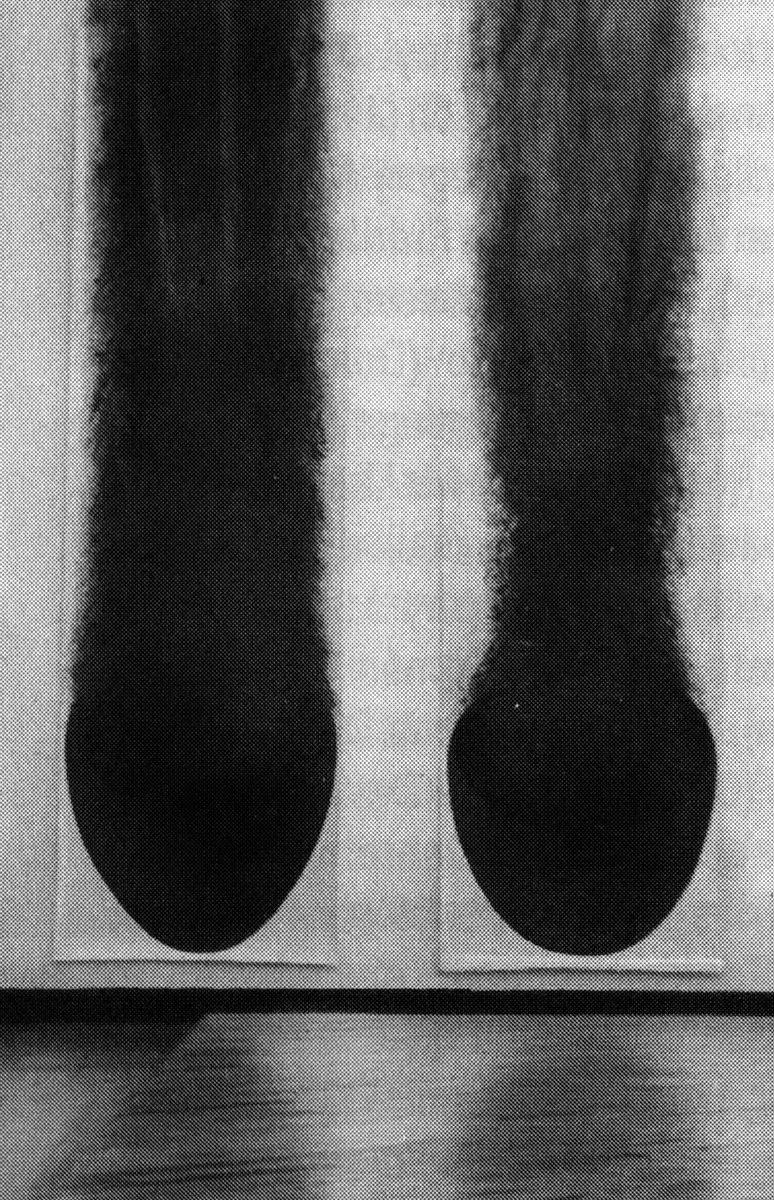
The most extensive part of the encounter consisted of the Mexico Colombia Artistic Exchange: the Spirit will Speak for my Race—a slogan adopted by the Autonomous National University of Mexico and which was coined by José Vasconcelos, who launched the development of the muralist phase of Mexican nationalism in the 1920s— a process which subsequently became an influential (though not always beneficial) reference for a lot of Latin American and United States art. However, the situation today is very different. The Mexican hegemony of the nationalist period has come to an end, but its consequences have been detrimental to the cultural environment of the country, which is now the victim of protectionism, isolation, and a sense of self-sufficiency. This is the result of the policies applied over decades by the government sector—with the blessing of the university and private cultural bodies—which granted excessive protection to certain producers, forcing those without such privileges to adopt the official line to gain similar access, to the detriment of the country’s real collective cultural needs. In the process, the sense of isolation has become endemic, leading to a lack of up-to-date information in the country on the art being produced in other places, and with the apparent sense of self-sufficiency leading to an absurd kind of provincialism devoid of any interest in non-local forms of expression.
These problems were evident when the Mexican works in the show were compared with the respective examples of Colombian art. The simultaneous use of different genres (photographic, electrographic, pictorial, and three-dimensional elements) in the work of Rodrigo Facundo; text and reticulum in that of José Horacio Martinez, which among otherthings refers to the autonomy of the artistic work vis-à-vis tangible reality; the change in perception through which Pablo Van Wong catches the spectator’s attention; the post-conceptualist accumulation evident in the work of Carlos Uribe; the ironical treatment of so-called identity which Nadín Ospina successfully resolves; the canvases by Delcy Morelos, full of unusual force of expression; thq allusions to chaos as the only possible kind of order in the work of Carlos Salas; the reference to social roles and the family in the work of Rafael Ortiz; the post-conceptualist paintings of Catalina Mejía, and the large format work with typographical and video techniques of José Alejandro Restrepo—all these are full of relevance which can be appreciated by the Latin American public as a whole, as well as by other publics with other cultural traditions.
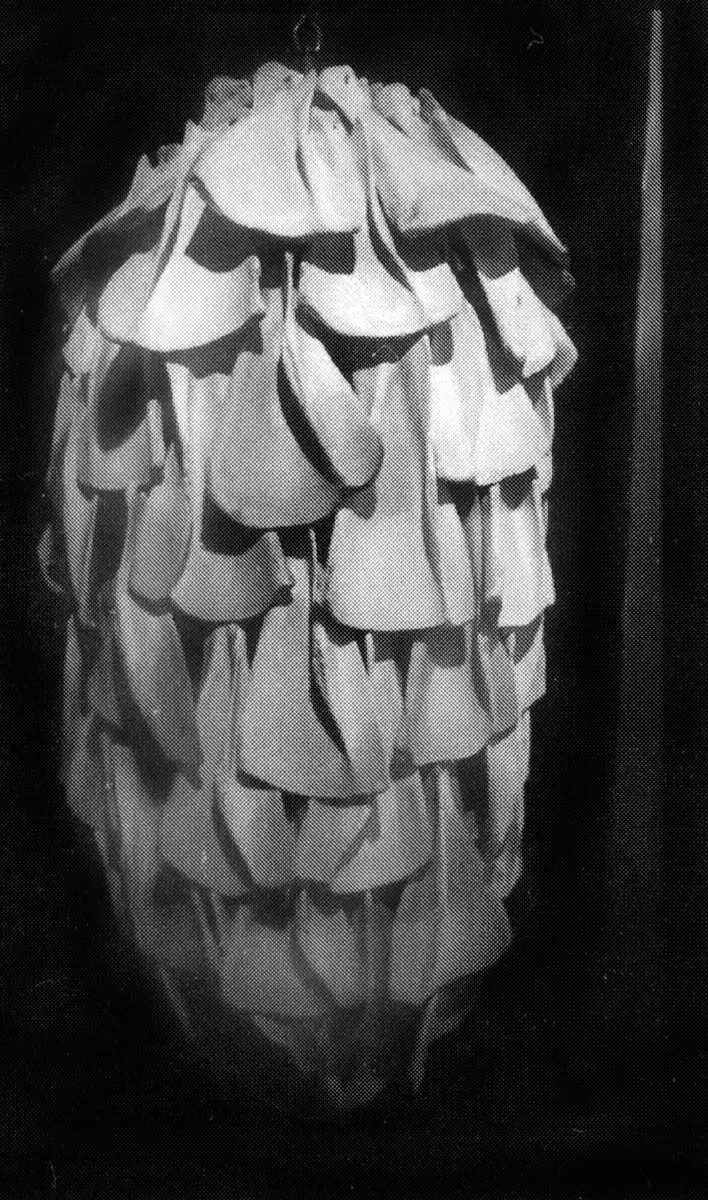
By contrast, many of the Mexican artists—who do not see themselves as Latin American, and even less so in the current process of North Americanization to which they are exposed—suffered from a number of major problems. Of the Mexican artists represented in this show, the most impressive were Yolanda Gutiérrez, with her reorganization of similar elements (basket-work or bone), Juan Manuel Romero, whose idea (the protected cohabitation of beings who together destroy one another), expressed through the use of living fish, was better than its demonstration, Francisco Fernández Taca, who made reference to the Mexican present andits heterodox heritage, Mónica Castillo, with her obsessive exteriorization of her inner reality, and Néstor Quiñones, who tackled the theme of AIDS in a head-on, yet mystical manner.
The remainder of the Mexican representation was poor. Humberto del Olmo proposed a pretentious video installation, Bestsabeé Romero offered a simplistic mini-environment using obsolete language, Fernando García Correa used geometric language which was undeniably out of date, Yolanda Paulsen’s work was very elementary, and Roberto Turnbull, in a lamentable piece, confirmed his lack of expressive power, his total poverty of ideas and artistic resources and any kind of responsibility. Serious attention should be given to the participants of the Mexican representation during the next stage of this Colombia-Mexico exchange process. The Spirit Will Speak for My Race was an enriching exhibition for those members of the Mexican public who were able to recognize the serious limitations of contemporary Mexican art. Its beneficial effects should be felt very soon.
CARLOS BLAS GALINDO