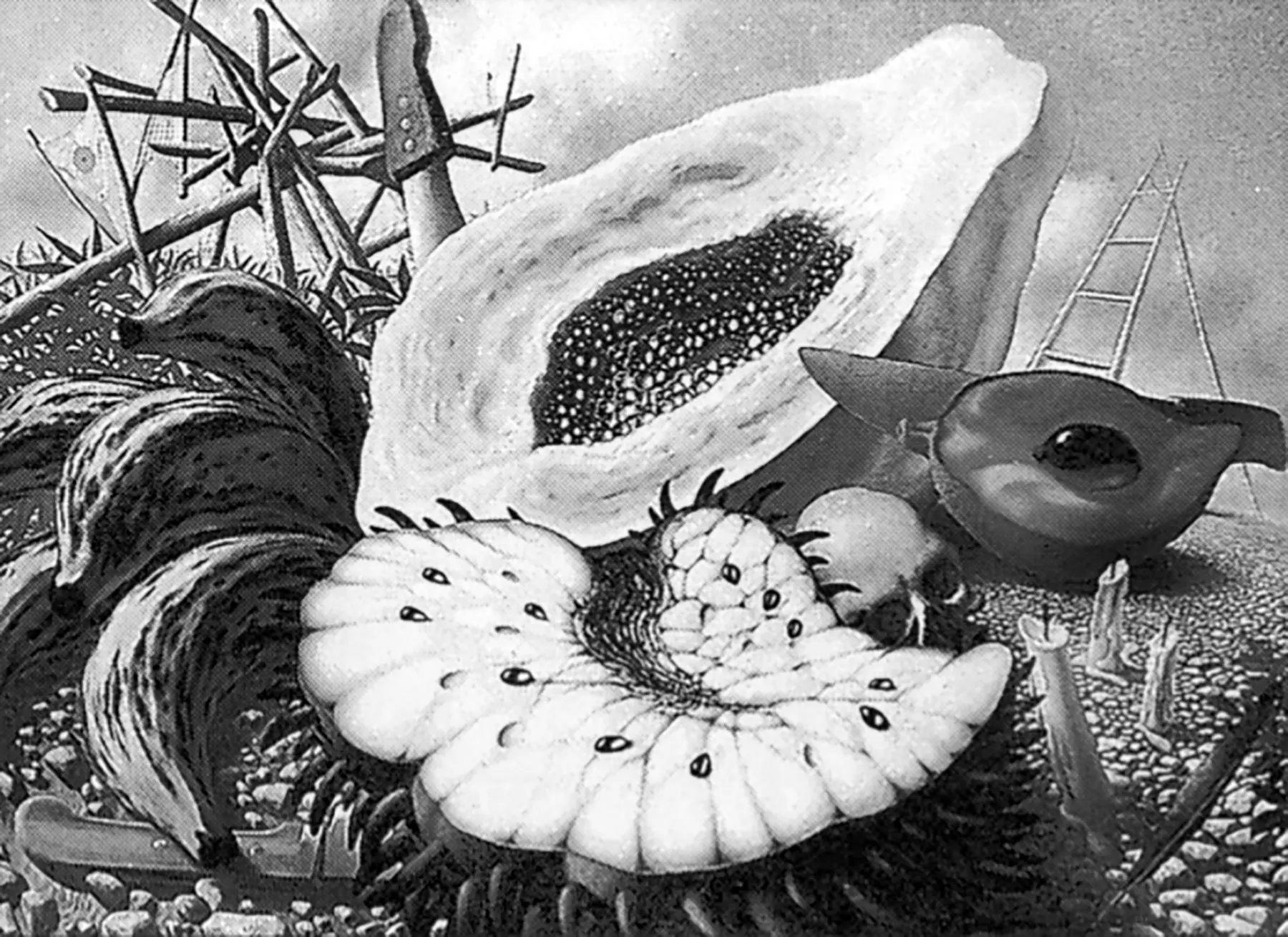
The Sixth Annual Art Miami 96 appears to have been reorganized by International Fine Art Expositions to represent the international art scene with less emphasis on Latin America than in previous years, although other factors may have also contributed to their obvious absence. While attempting to maintain its reputation as a showcase for a diversity of art that appeals to the cosmopolitan audience of both Miami and its tourist season, Art Miami 96 lacked innovation, although the exhibition was considerably smaller and easier to navigate. The indoor sculpture pavilion did not live up to its description as less commercial and avant-garde, and lacked anything remotely conceptual or cutting-edge. There were few installations, and clearly Argentine artists Karina Chechik and Pablo Soria of Meza Fine Art in Coral Gables, Florida, were in a class by themselves with small but provocative works that combined painting and projected images in spatial environments. The presence of Clara Duque’s monumental bronze fruits cast a shadow on her imitators in nearby locations, while the other sculpture selections were very ordinary.
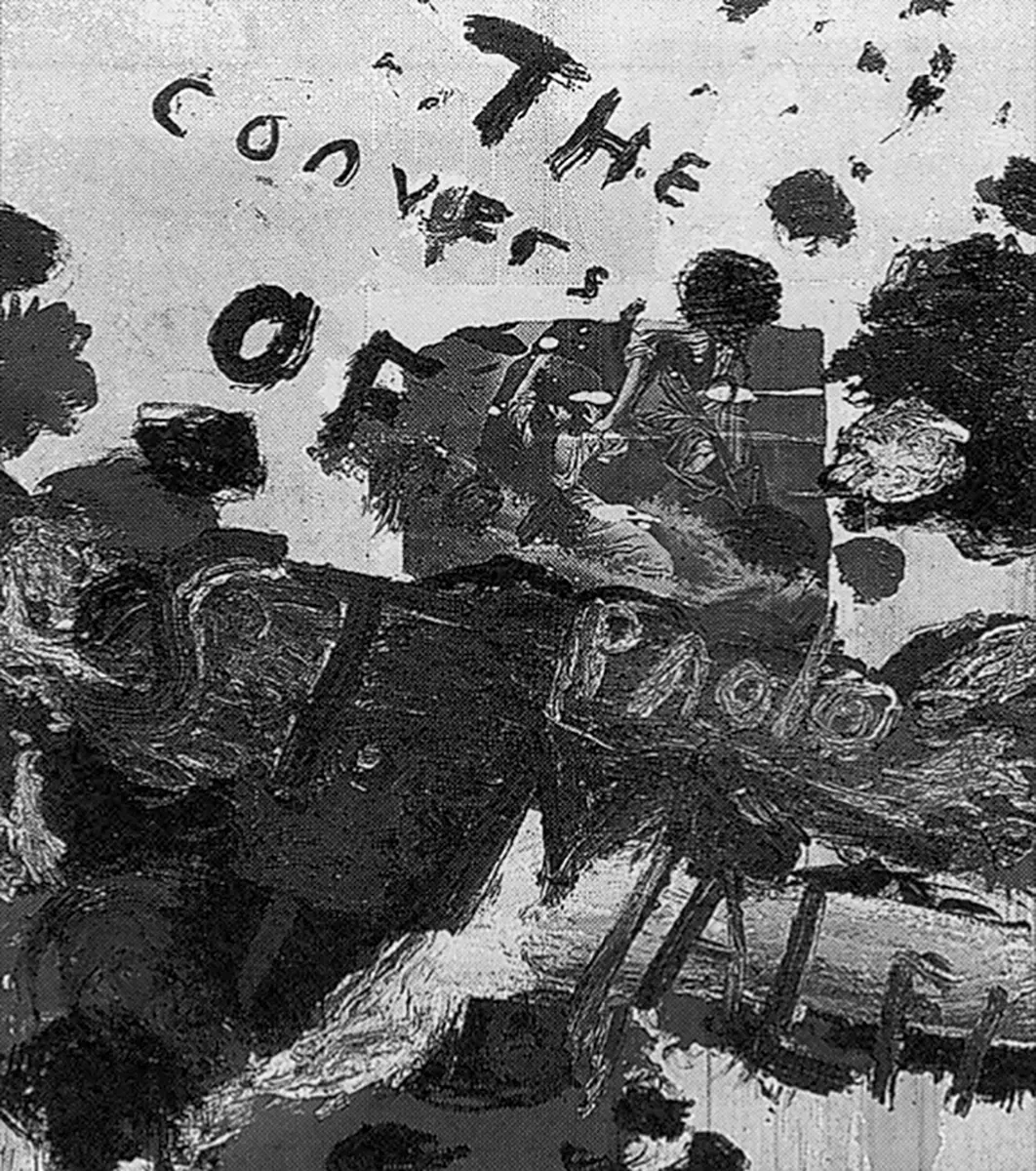
New international dealers from Europe, especially Galerie de France and Philippe Samuel-Art Conseil Finance from Paris, and Art First and Theo Waddington from London, brought the work of recognizable artists such as Mimo Paladino, Miró, and Reiner Fetting, as well as an interesting selection from artists of less renown in the United States, including a group from South Africa. Galerie Bhak from Seoul, Korea, did not disappoint viewers’ expectations to see the work of Nam June Paik and other artists working in video and electronic media. Schumacher Editions brought a first-class collection of limited edition graphics and photographs, including the remarkable documentation of Christo’s wrapped projects.
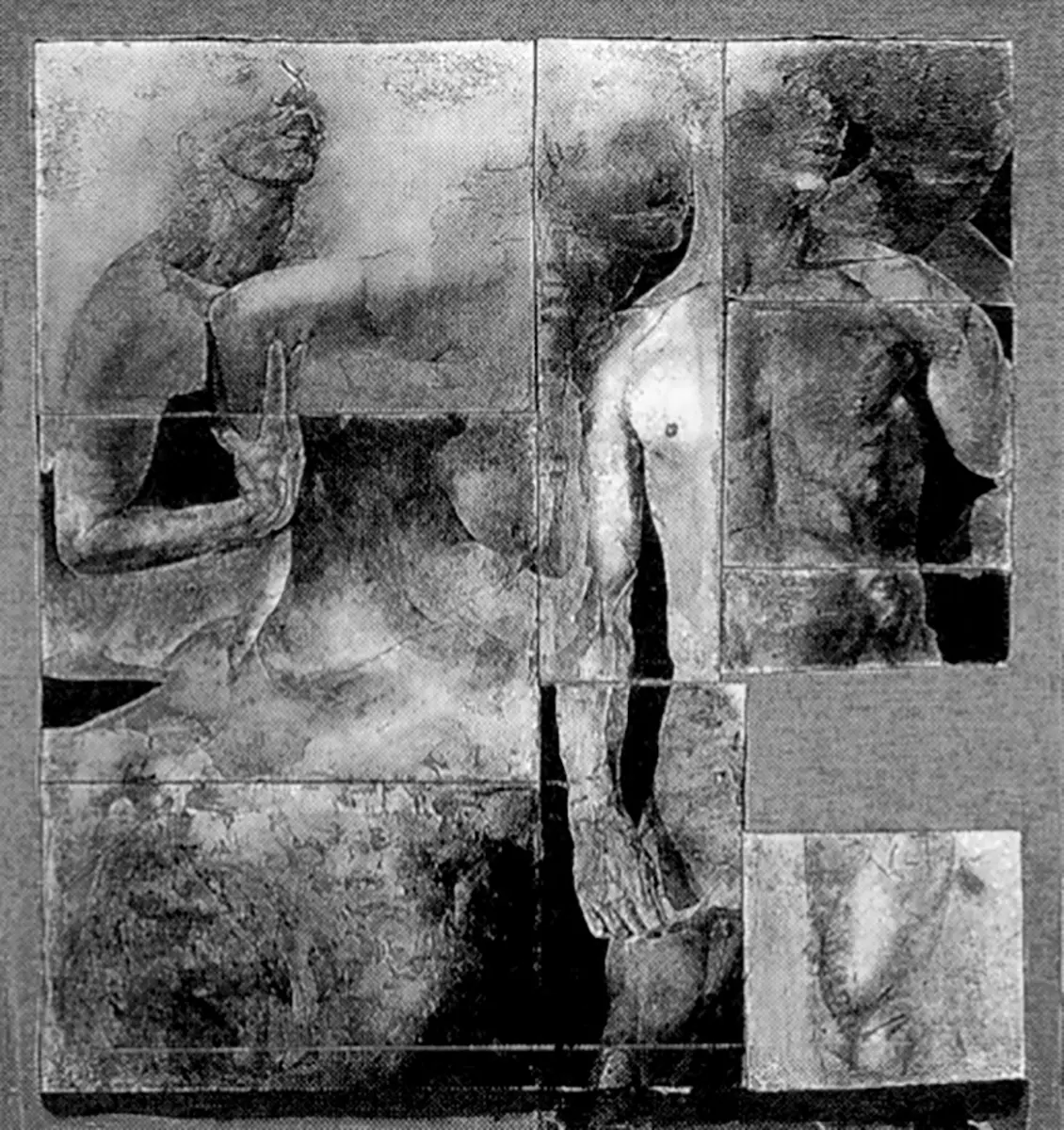
The Latin American artists are a highlight of the Miami show, and although fewer galleries were present this year, there were enough important artists to satisfy visitors who look forward to their work. Mary Anne Martin brought her museum-quality works by the masters, including spectacular Castañedas and Riveras. Galeria Ramis Barquet was a always-crowded showstopper with works by José Bedia, Julio Galán, Guillermo Kuitca, and Ray Smith to wet the appetite; and Nohra Haime's wonderful selection of European, North American, and Latin American artists was a highlight of the fair. The usual gatherings formed before Santiago Carbonell’s works at Praxis International Art Mexico, although Roberto Cortazar should have stolen the show. At Praxis International Art from Buenos Aires, Ignacio Iturria and Blas Castagna were as popular as ever. Fortunately, the local Latin American art dealers were there, so the emerging scene was present. Ambrosino Gallery, Meza Fine Art, Jorge M. Sori Fine Art, and the Americas Collection from Coral Gables featured young artists, many of them from the very strong art community of Cuban exiles that includes Tomás Sánchez, Humberto Calzada, Connie Lloveras, Ana Albertina Delgado, and César Trasobares. No one will soon forget Sharon Kopriva’s haunting mummy-creatures at ArtSpace/Virginia Miller Galleries, also from Coral Gables. The Gables galleries exhibited far better quality work than a poor selection of Florida galleries from other parts of the state. The search for modern masters at Art Miami is usually difficult, but Pace Wildenstein of New York City provided a textbook selection to feast one's eyes upon that included extraordinary Jim Dine sculptures, Dubuffets, and a powerful Francis Bacon self-portrait. The American moderns at Forum Gallery of New York City included classic paintings by Raphael Soyer and Max Weber, amidst its figurative works.
The size of the show allowed for a more critical and, at the same time, contemplative survey of the art, and the potential to see the really excellent works amidst the weeds was there, if one took the time to look.
CAROL DAMIAN