
The Latin American auctions at Sotheby’s and Christie’s last November raised a number of questions about the behavior of the art market. Why, for example, is the Mexican crisis being felt with such a time lag, when it was thought that the sale of art at auctions had managed to evade its effects?
Various hypotheses can be made. When demand fell, the storm could be ridden out by intensifying public relations and searching for alternative markets. The general results obtained last May, for example, were only positive due to the sale of works by Kahlo and Rivera to an Argentinian and a Canadian for over US$ 3 million, whereas at other times they might have been expected to return to their Aztec homelands from the IBM offices. But I have the impression that the lack of Mexican demand was this time accompanied by a clear increase in supply, which shows that some Mexican collections are being dismantled. This was not reflected in the number of works in the catalogues of both houses, which were cautiously contained, but in the quality of works by masters on offer, which enabled the houses to be very selective.
The clearest example of this was the case of Rufino Tamayo: 19 works were offered (excluding graphic works and drawings), 13 of which had estimates above US$ 100,000. Only four were sold, including the dramatic case of Couple, an oil and sand on canvas from 1963, which had been sold at Sotheby’s in 1991 for US$ 528,000 and which was now sold at the same house for US$ 244,500, a loss of more than 60% after commissions. It was symptomatic that of the remaining six less expensive works, five were sold. Special mention must be made of Sun Dance, which was sold at Christie’s at its low estimate. At Sotheby’s, Pretty Girl and Flower Sellers remained unsold, although Watermelons from 1941 went for US$ 390,000.
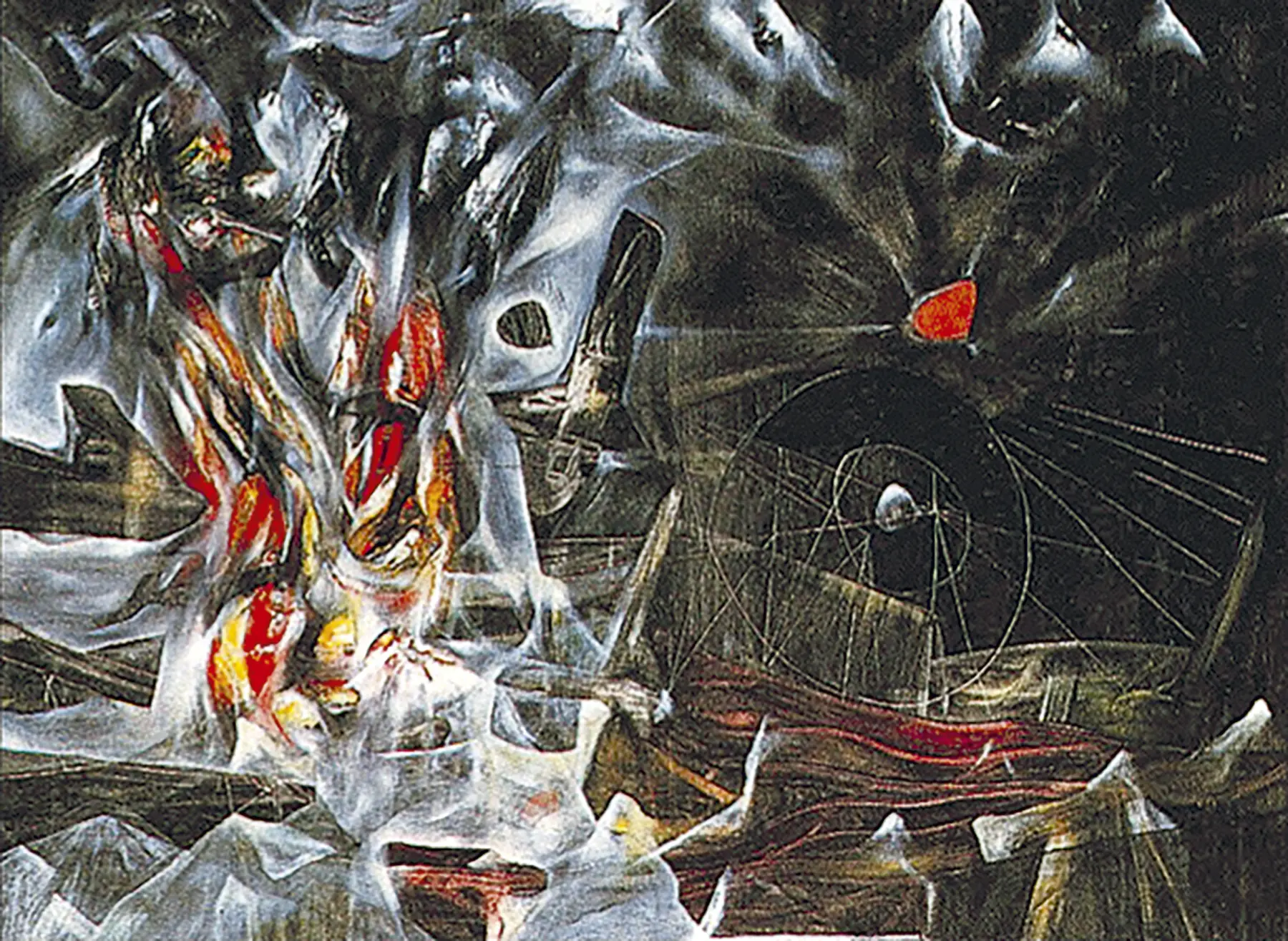
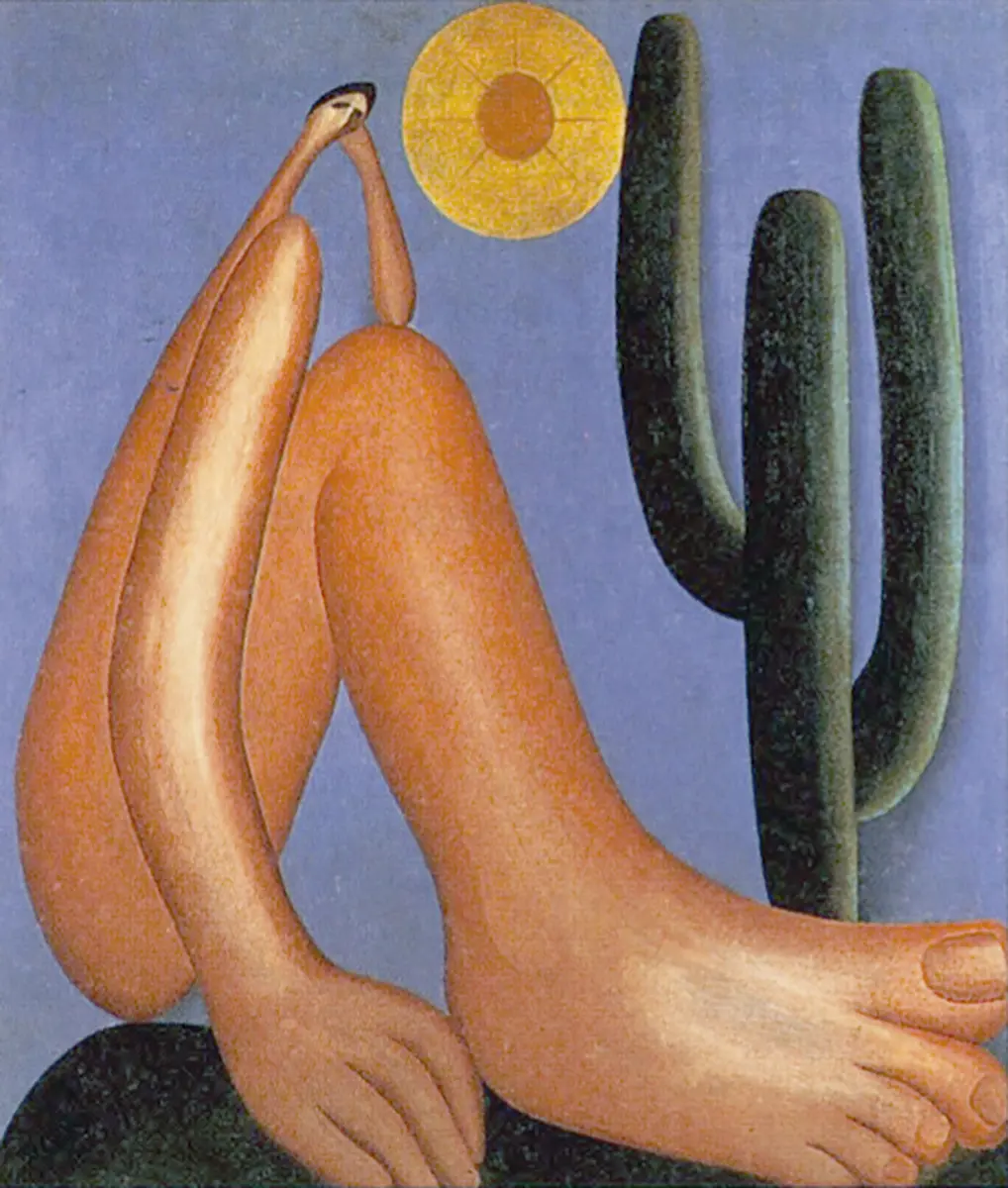
With demand concentrated on more modest works, seven figures have once again become a sporadic sensation. Not even the much-questioned Crown of the Andes, which brought a flock of journalists to Park Avenue on the opening night, managed to change owners. It was adversely affected by an average estimate of US$ 4 million, whereas the general view was that the offer of over US$ 2 million, which was rejected, was acceptable. In any case, it was a mistake to believe that such auctions were the best place to offer such a work. Christie’s also sold one of the fundamental works in the history of Brazilian art and modernism in Latin America: Abaporu (1928), by Tarsila do Amaral, a work with an impressive history, which went for almost US$ 500,000 to Buenos Aires, to the chagrin of the cariocas. The only other higher price (seven figures) was at York Avenue, with a record for a Matta work at an auction: The Disasters of Mysticism (1942), which reached US$ 1,650,000.
Artists from Chile and Brazil, precisely the countries that hopefully would provide fresh air for the market. The auctioneers understand this situation, and it was for this reason that they dedicated the covers of their main catalogues to these countries.
Mexican art is going through a difficult period, or rather, the collections in that country are, and now is the ideal time for collectors from other latitudes to obtain works which were previously inaccessible.
That being said, there are some artists from that country whose works continue to move upwards in price, as in the case of Francisco Toledo. Christie’s decided to begin the season with four gouache works of respectable size and excellent finish, all of which went for their upper estimates. Whereas before, the small gouaches were common and could be easily obtained with a bit of patience, not even at Christie’s East did they now fail to go beyond their estimates. They have become more sought after following the artist’s decision to limit their production and the stratospheric prices of his oil and sand works on canvas, of which this time there was only one, at Park Avenue, which sold immediately (Cat, 1979). Zúñiga’s prices also remain steady, with a Reclining Nude in brown onyx which went for US$ 60,000 at Sotheby’s. Of the artists born in the last century, mention must also be made of Ángel Zárraga, and in particular his Monkey Painter, which reached US$ 288,500 at Christie’s. At the same house, a very beautiful Still Life with Rivera from 1916 also sold for US$ 574,500. For its part, Sotheby’s achieved a spectacular result with The Distractions of Dagobert (1945), by Leonora Carrington, a work measuring 30 x 34.3 in., which, from an average estimate of US$ 225,000, exchanged hands for US$ 475,500, and Remedios Varo’s Magical Flight, which sold for US$ 497,500.
Another artist who continues in the front rank is the Nicaraguan Armando Morales. The fact that a work of middling quality, entitled Fisherman (16 x 20 in.), should have gone for more than US$ 100,000 at York Avenue is both symptomatic... and disturbing. More reasonable were the US$ 365,000 paid for the handsome Demoiselles de Puerto Cabezas from the Milagros Maldonado collection at the same house, or the Two Women in Front of the Mirror (39 x 32 in., 1982), which went for more than US$ 200,000 at Christie’s.
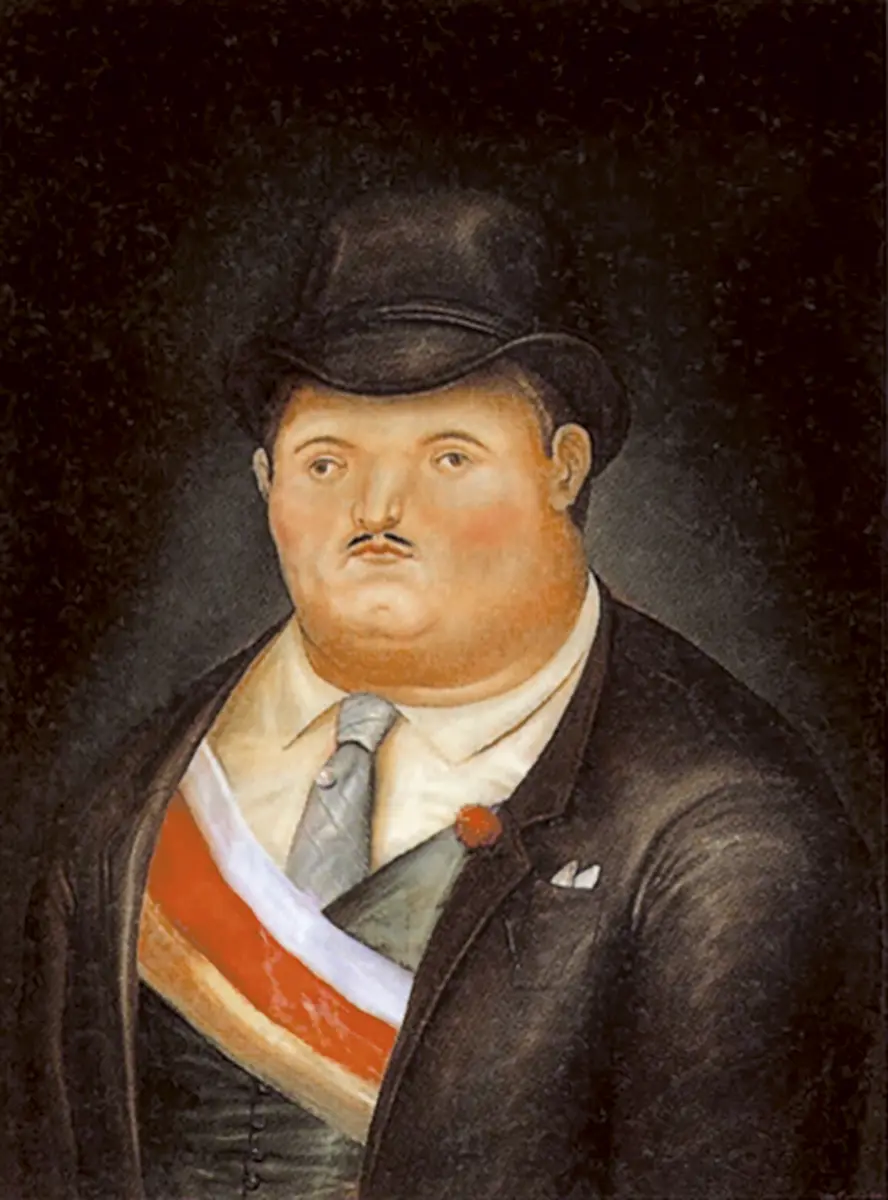
By way of contrast, there was the case of Botero, with 16 works on offer, and only selling seven. Curiously, Christie’s managed to sell only two of the eleven it offered, whereas Sotheby’s sold all five pictures. Given the present situation of Colombia, it was an ironic paradox that the highest price went for a work entitled The President, which went for more than its upper estimate of US$ 275,000 (US$277,500).
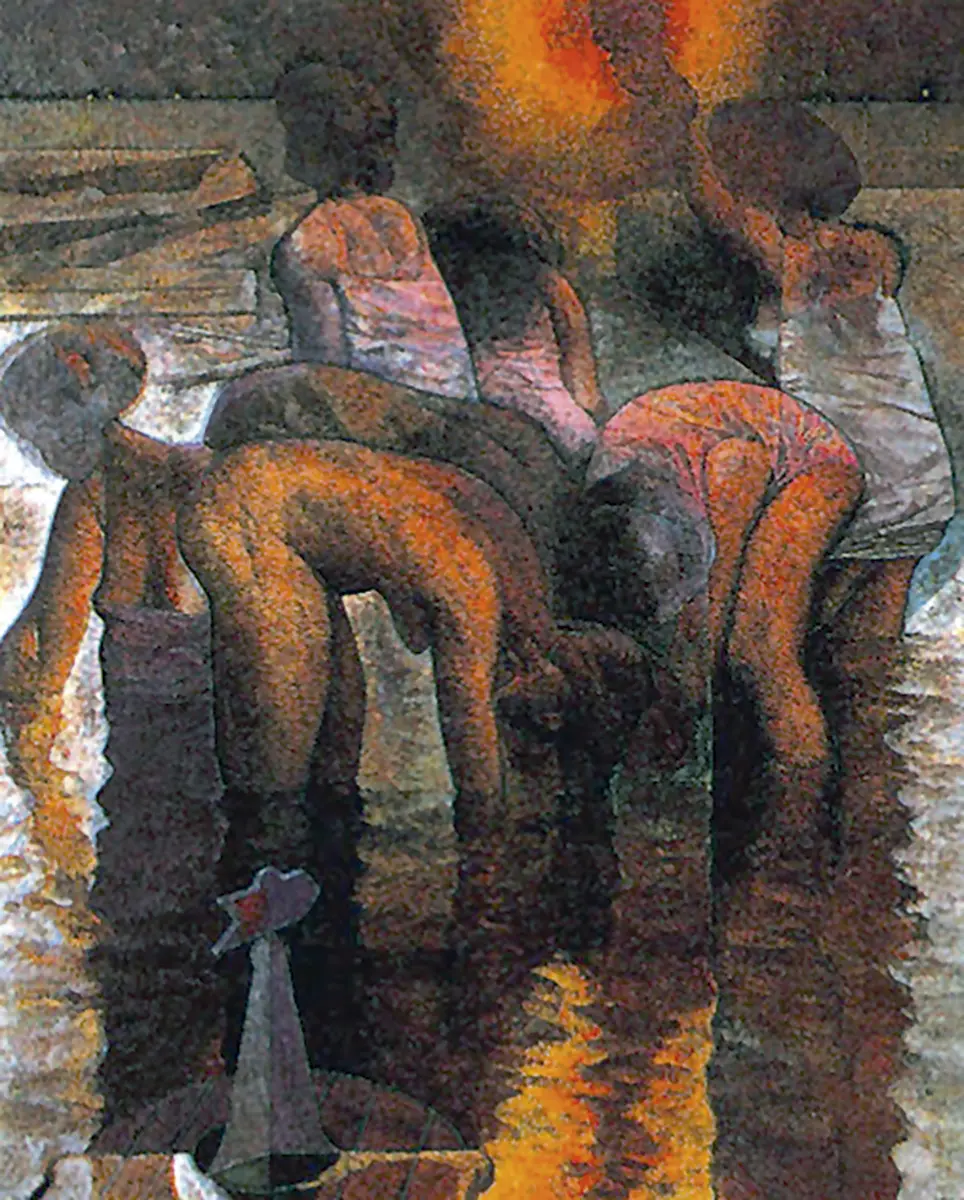
The Cuban modernists did not reserve any major surprises this time. At Sotheby’s, Carreño’s The Lovers sold for US$277,500, while an important Land from 1944 by Portocarrero just exceeded its lower estimate. At Christie’s, a work entitled Woman by the same artist, and influenced by Matisse (estimate US$ 90,000), went up to US$ 175,500, and the same house sold an oil work by Víctor Manuel, entitled Girls, which deserves mention because of its selling price.
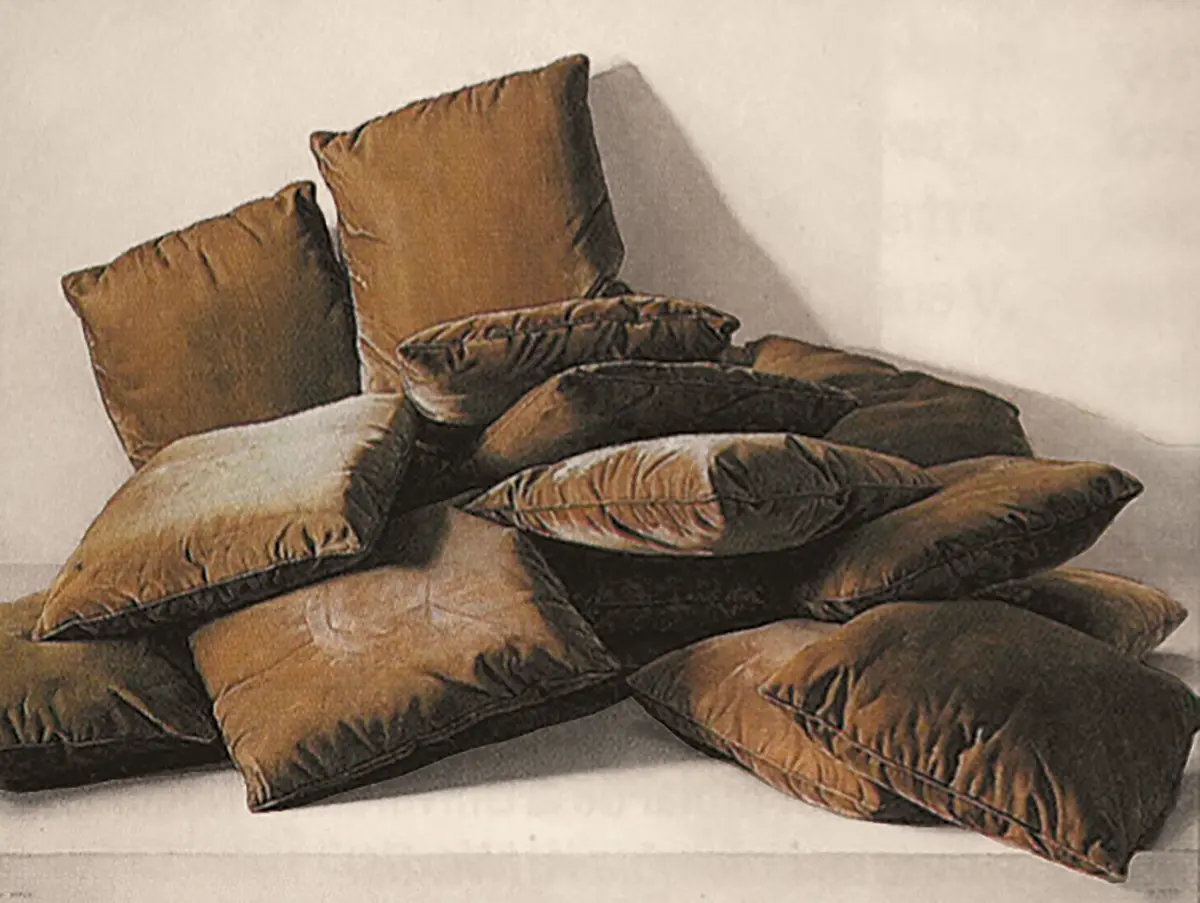
Claudio Bravo achieved good results, which must be attributed to the quality of what was offered. At Christie’s, however, the impressive landscape work entitled Sidi Moktar, which had been in the collection of the late Malcolm Forbes, failed to sell. Bread and Velvet Pillows, two large-format works, exceeded their upper estimates, which in the latter case was US$ 250,000. The works on offer at Sotheby’s were not negligible: the disturbing qualities of Summer Afternoon and The Green Djellabah pushed both works beyond US$ 200,000.
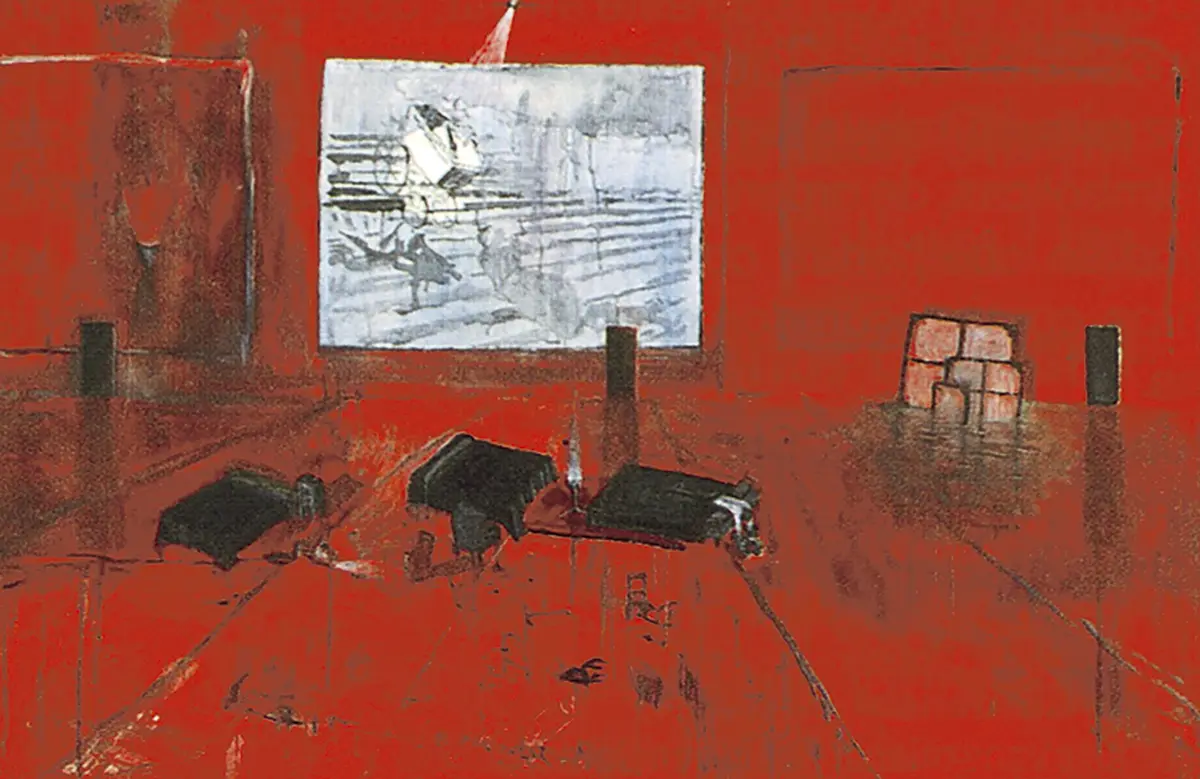
Because of the situation existing in several Latin American countries, it was to be expected that investors would prefer the surest options, which in this market means, among other things, a move away from young artists, where the investment, although more lucrative, is more risky. Even so, there were some surprises. The greatest was that of The Sweet Sea by Kuitca. There had been much expectation about this key work from his most sought-after period, but not even the most optimistic observer would have imagined that it would go for over US$ 120,000, or perhaps US$ 100,000. When the hammer finally came down at Christie’s, a new owner had set a new record, at US$ 156,500. This distracted attention from two other large-format pieces, The Finest Moment of the War, sold after the auction, and Untitled, which went for US$ 63,000, a price closer to reality.
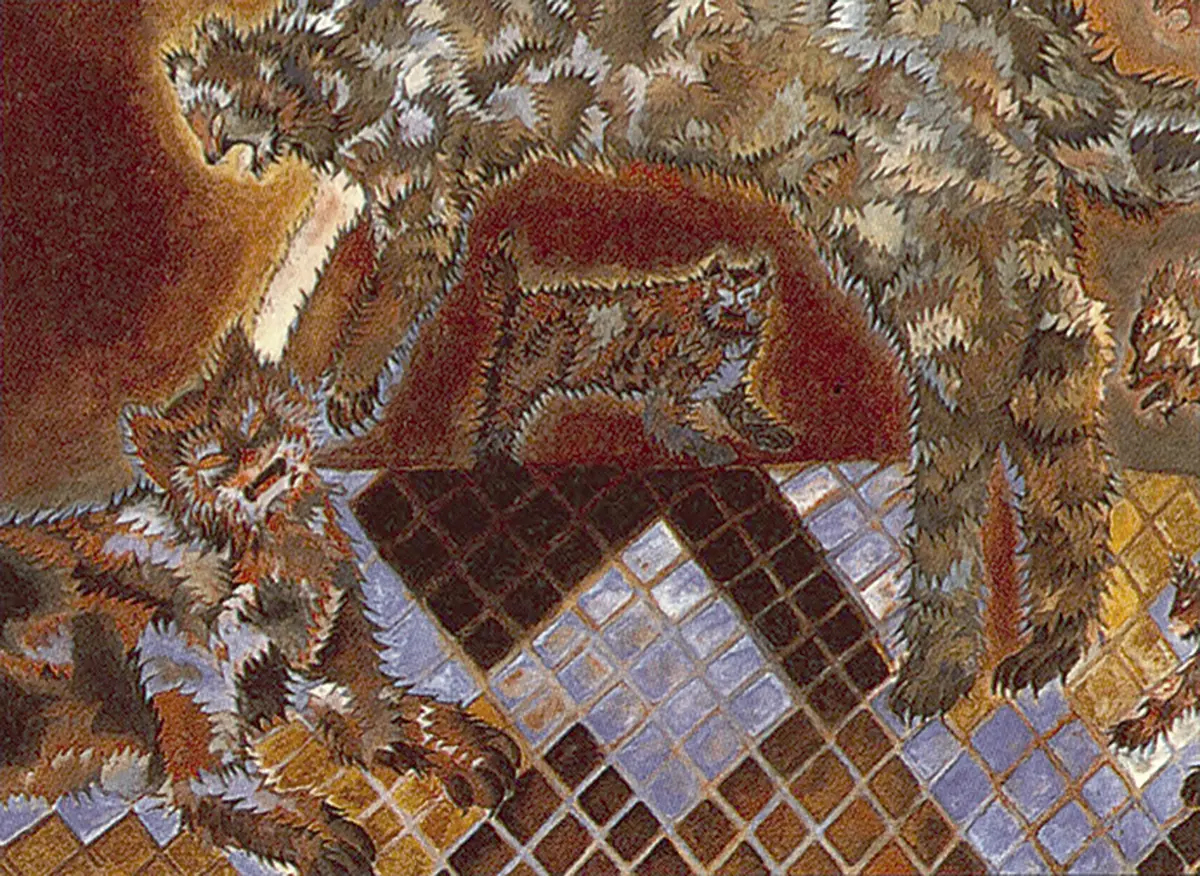
Even so, if account is also taken of some minor related auctions, such as those of pre-Columbian and colonial art and the auction at Christie's East, the psychological barrier of US$ 20 million was passed. In addition to this, there is an important number of works that are negotiated after the auctions, sales that are not always known. Such an achievement, in the midst of the many economic and political crises affecting our countries, shows that the Latin American market has many resources to its credit, which make it attractive, economically feasible, and not far from maturity.
KLAUS STEINMETZ
Costa Rican art critic, Assistant publisher of ArtNexus.