
Between May 15 and 26, a wide range of events were held in Santiago to mark the Days of Argentinian Culture in Chile, with the program covering theater, tango, dance, literature, film, and the plastic arts. This last-mentioned section included an exhibition entitled Air Bridge II, curated jointly by Álvaro Castagnino from Argentina and Ernesto Muñoz, Director of the Museum of Contemporary Art, from Chile, and sponsored by the Director of Cultural Affairs of the Argentinian Foreign Ministry. The purpose of the event was to relaunch the cultural exchange program between the two countries, which had been interrupted during the period of military government. Now that border disputes have been overcome, the Mercosur project encompasses bilateral agreements on promoting knowledge of the artistic production of the Latin American countries. In line with a format initially used last year with Air Bridge I, the itinerary proposed this time will conclude with an exhibition of work by Chilean artists in Buenos Aires.
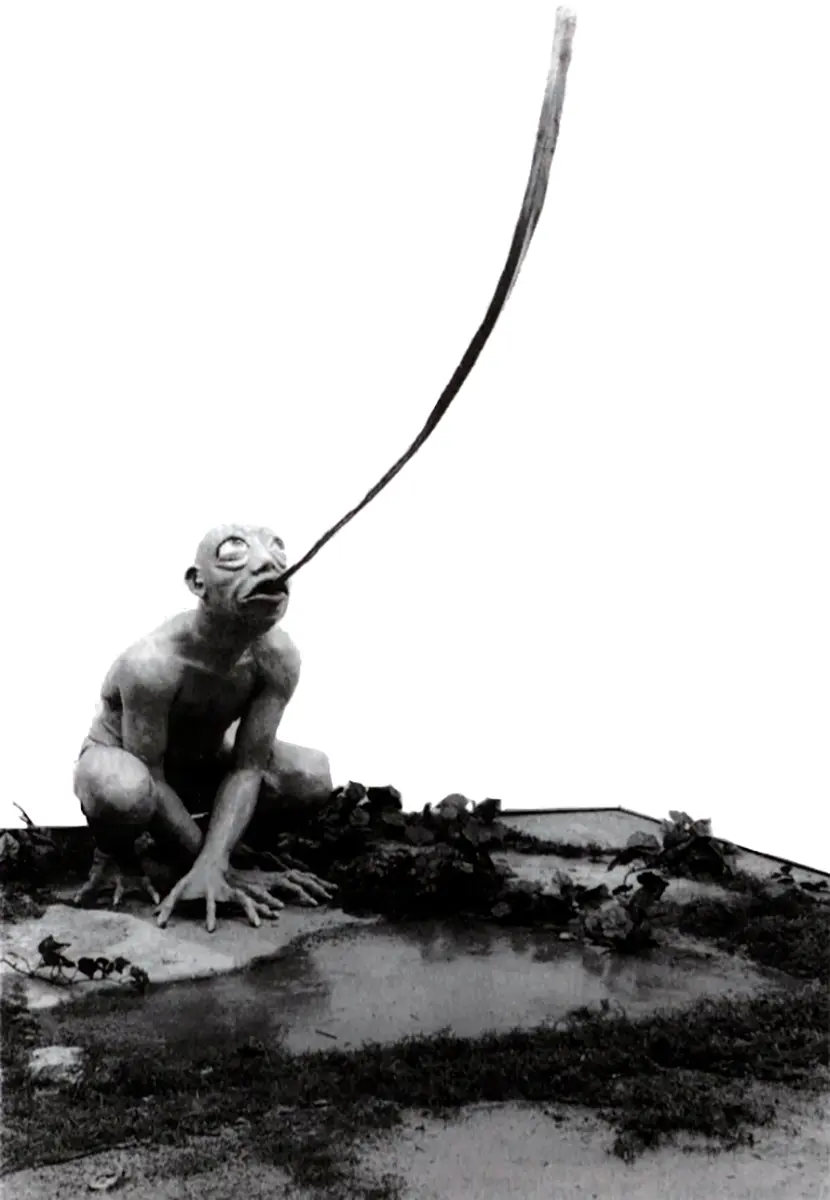
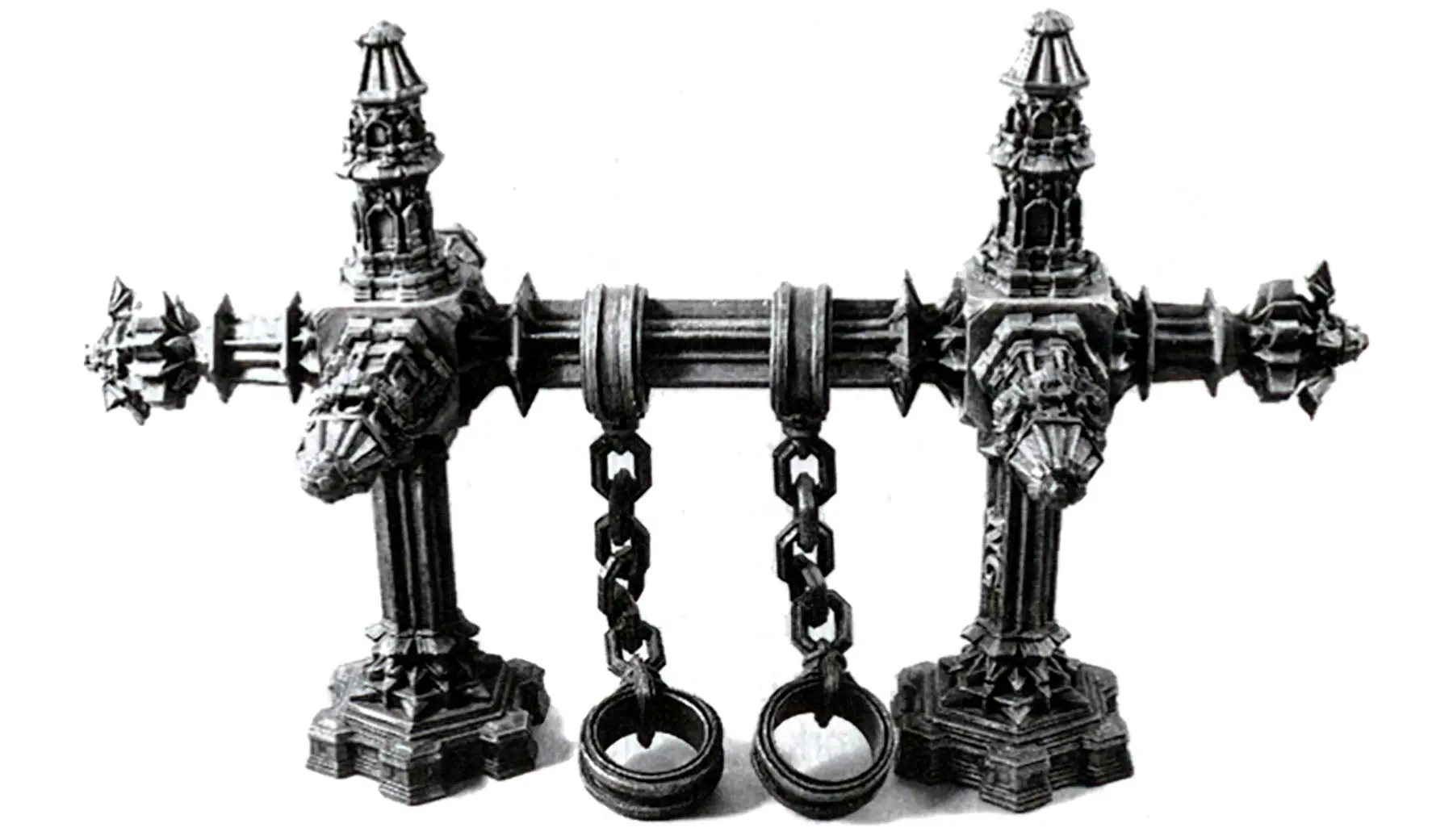
The Santiago show presented work by six sculptors offering an overview of the eclectic diversity of current Argentinian sculpture. Carlos Boccardo (1933) recreated an installation using tales taken from national literature: The Invention of Morel, by Adolfo Bioy Casares, and The Absent City, by Ricardo Piglia. The wooden totems of Hernán Dompé (1946) evoked the archaic symbolisms of the pre-Columbian continent, while the sculptures of Norberto Gómez (1941), metaphors of power and violence, were impressive in their sense of drama and use of objects from the liturgy of death and torture. In the polychrome sculptures of Pablo Suárez (1937), the artist reflects with humor and irony on certain socio-cultural habits of the urban bourgeoisie, using the critical device of parody, which characterizes all his production. For her part, María Juana Heras Velazco (1929) adopts an analytical and constructivist approach, using materials of industrial origin which mark out directions in space with signs and arrows.
Finally, León Ferrari (1920) uses his female manikins with their biblical inscriptions to pursue his permanent questioning of religious dogma and the link between doctrinaire content and other modes of contemporary violence.
LAURA BATKINS