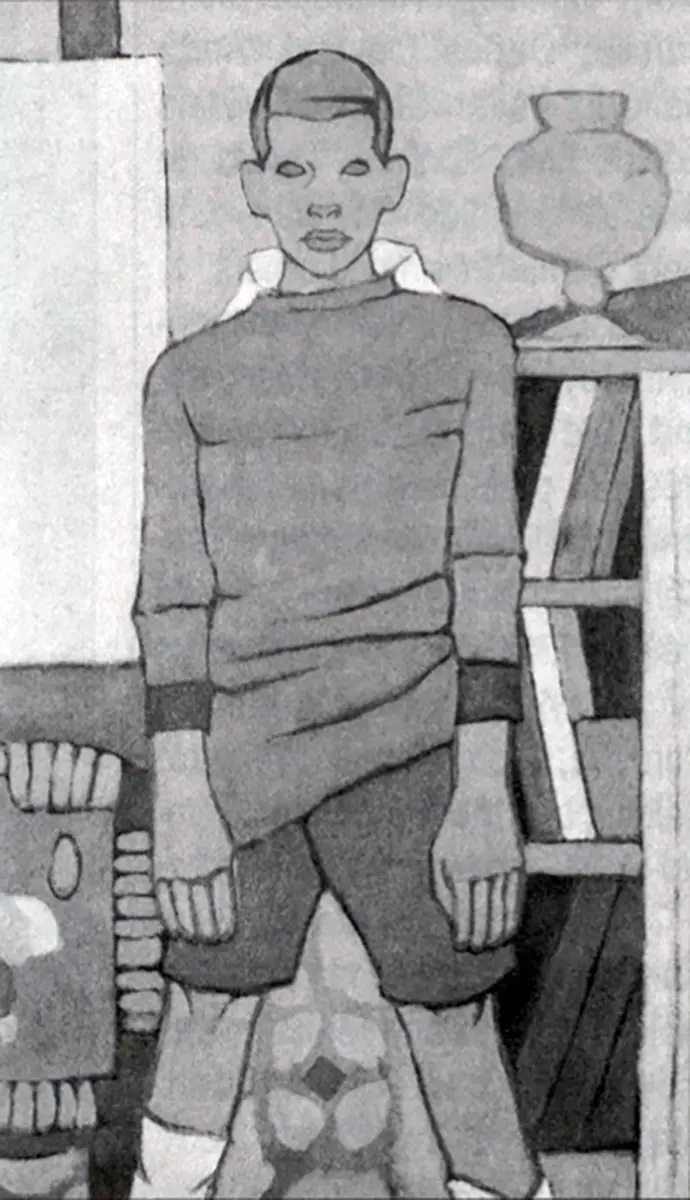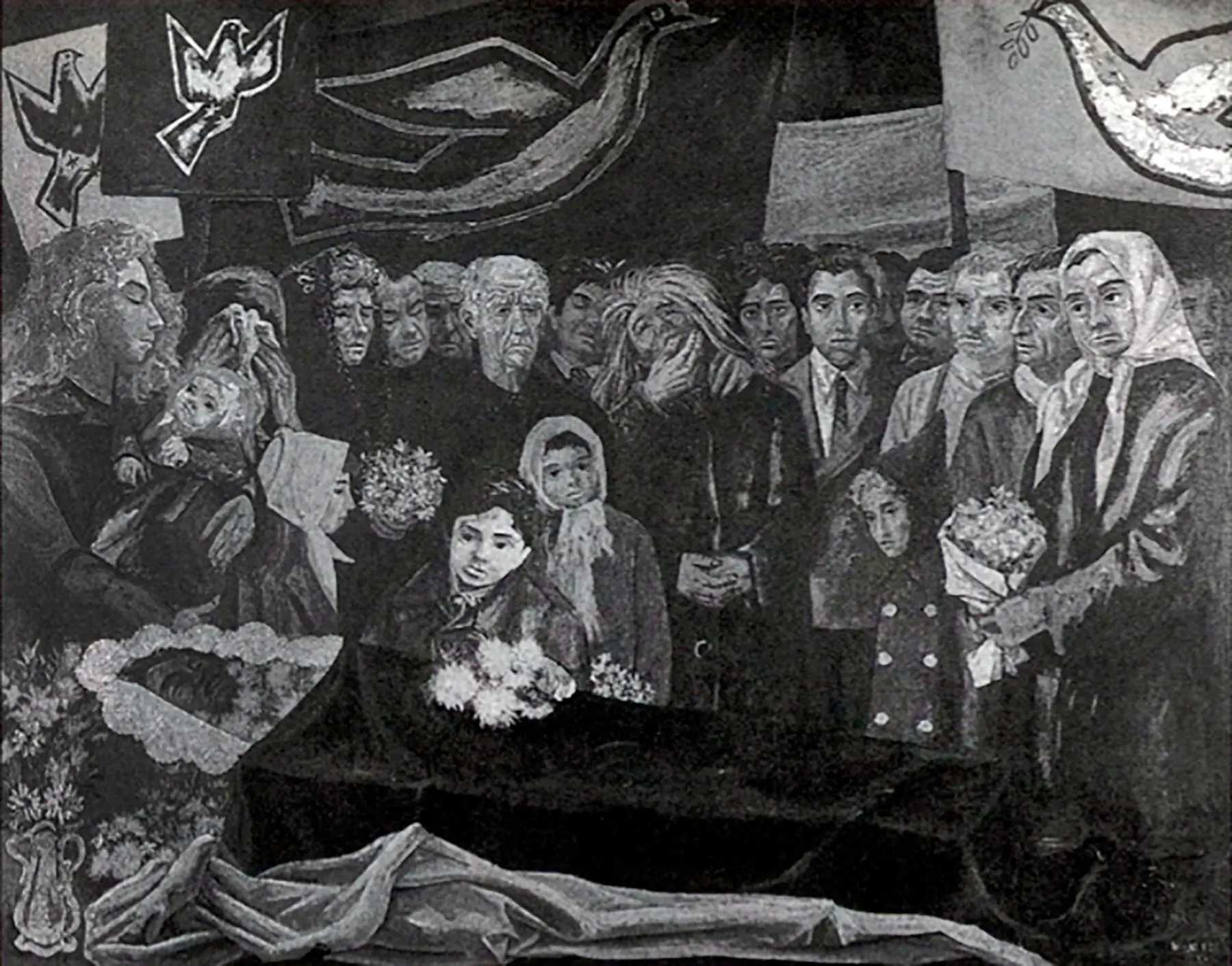
The 1996 edition of ARTE BA at the Recoleta Cultural Center confirmed the consolidation of this fair and the general improvement of its image and its commercial impact.
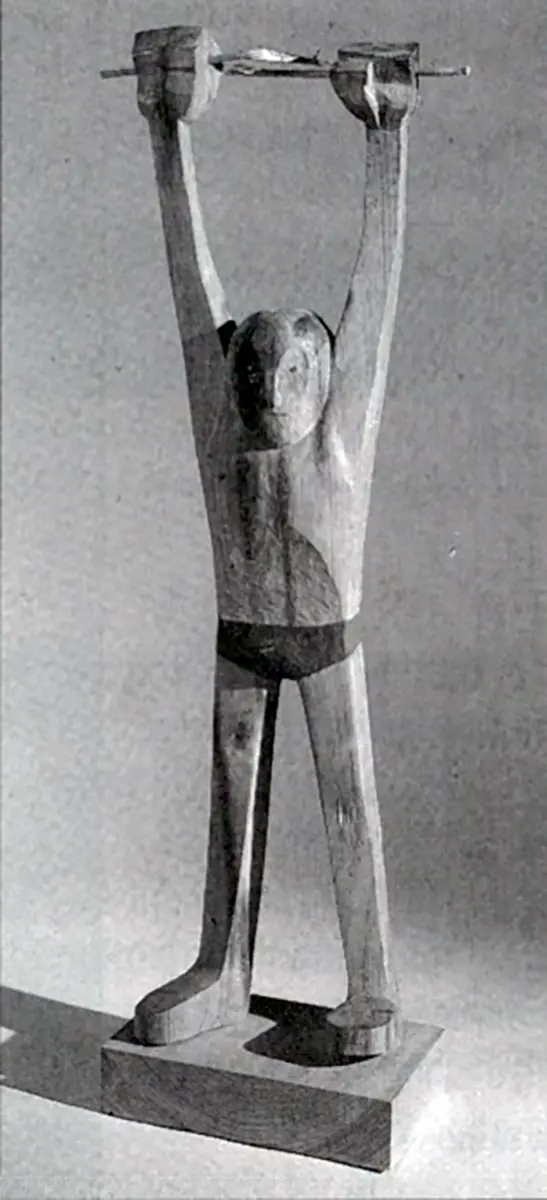
This time, just over 60 exhibitors, with 12 galleries from abroad, showed greater commitment to showcasing the work of a single artist, thus tempering the flow of various different images and techniques. Some exhibitors took the risks involved in promoting a specific aesthetic current, while others preferred to use their stands to present a hotchpotch of different styles of varying artistic quality.
The concern of the organizers to increase the overall quality of the show resulted in an excellent exhibit on Painters of La Boca, with work by Quinquela Martin (1890- 1977), Víctor Cunsulo (1898-1937), Fortunato Lacamera (1887-1951), Eugenio Daneri (1881-1970), Miguel Diomede (1902-1974), and Miguel C. Victorica (1884-1955), as well as others who came from this Buenos Aires district, such as the painter and print-maker Guillermo Facio Hebequer (1889-1935), Alfredo Lazzari (1871-1949), and Alberto Rossi (1879-1965).
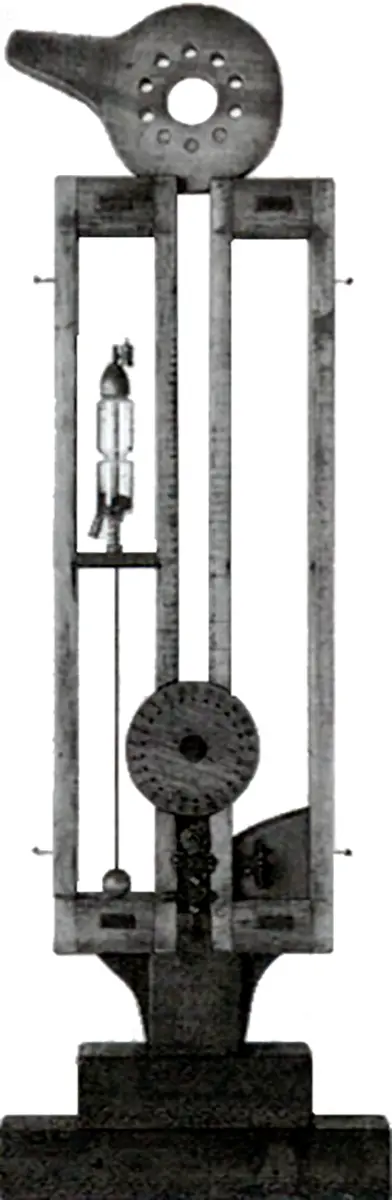
Another interesting section was Gráfica 96, with the participation of master print-makers and the organization of specialized workshops, which enabled the public to get to know something about the printmaking experience. Some 25 sculptors were selected to present their work in the “Sculpture Patio," which offered an overview of current production in this medium. An important space was also allocated to a show of work by 20 artists from the provinces, most of them young figures from the south of the country, and whose selection offered an opportunity for the public to get to know their work.
Of the individual exhibits, mention must be made of those of Adolfo Nigro at the Laura Haber stand: his paintings and objects reflect the influence of his recent stay in Mexico, with a palette of intermediate to low tones and a sensual treatment of texture. The Van Riel Gallery presented ink works, collages, and sculptural objects by Kirin, who had achieved marked success at the two previous editions of the fair. The fantastic images of Fermin Eguia at the Sara García Uriburu Gallery were a challenge to the artist’s plastic skills. The ironic fantasy of Edmund Villadares was in evidence at the El Socorro Gallery, while the Ecuadorian Todo Arte Gallery showed work by the Colombian artist Amparo Garzón, who achieved a significant impact at the fair with her magical verism.
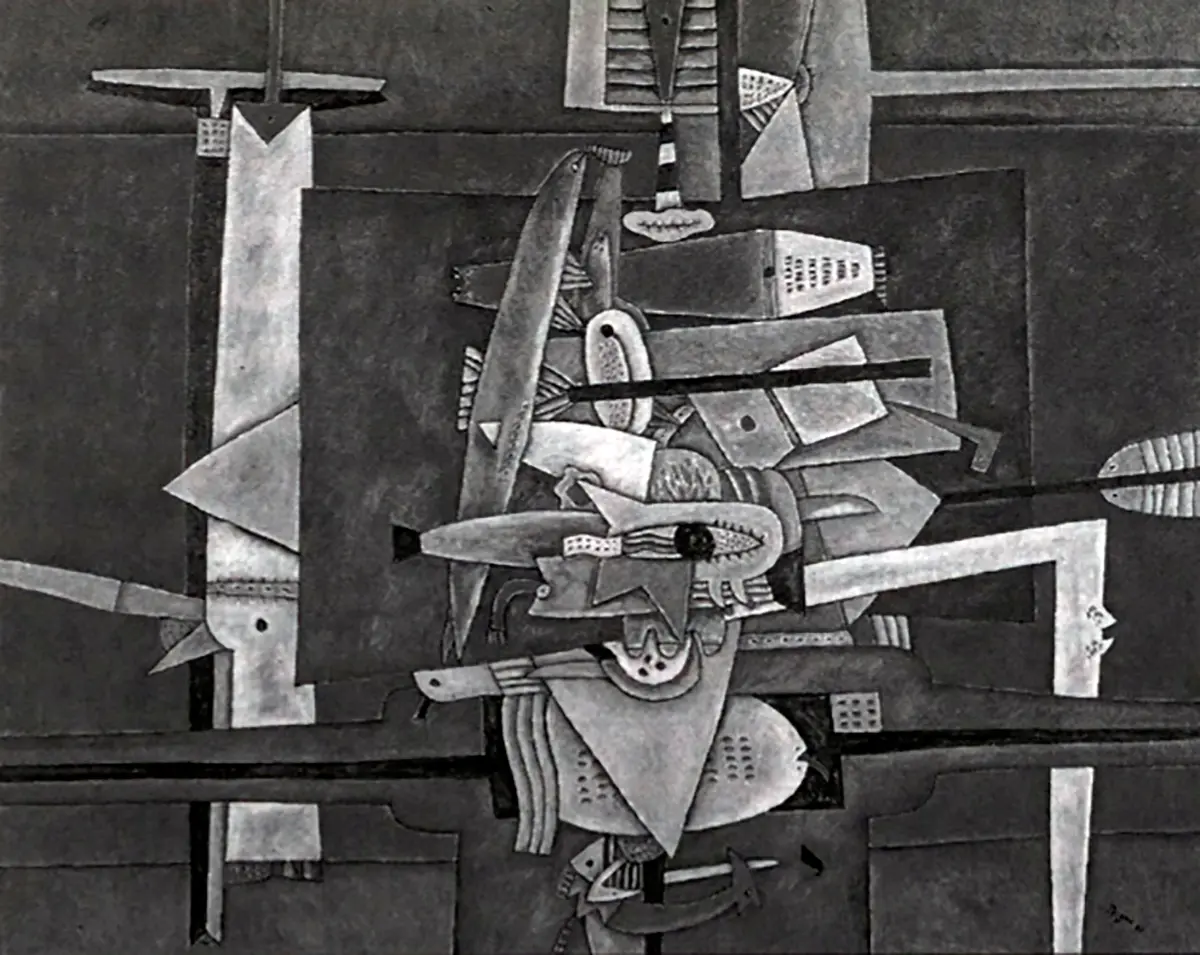
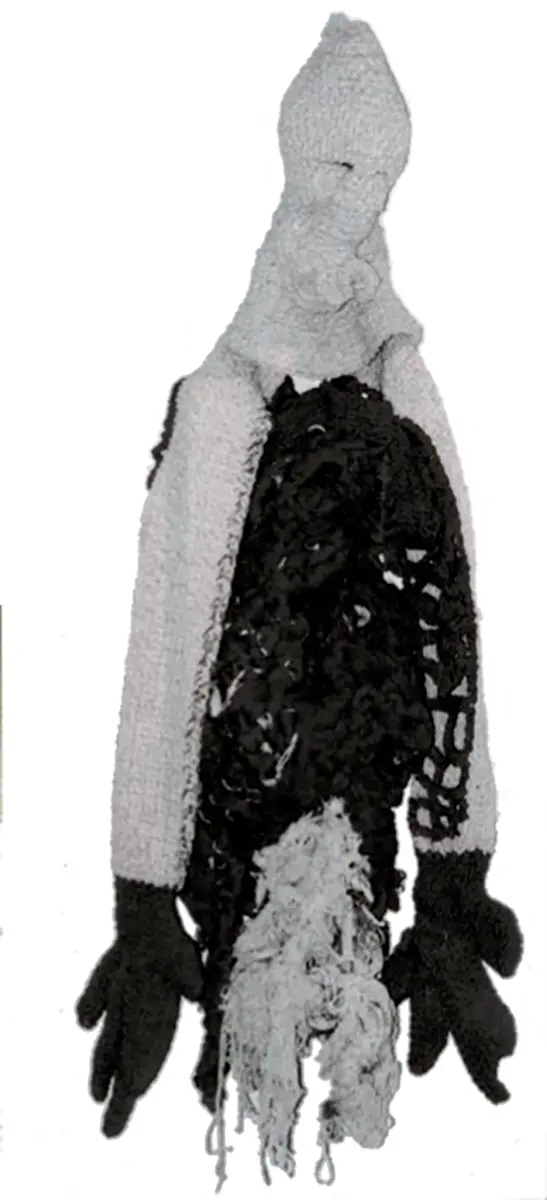
Of the galleries presenting work by various artists, mention must be made of the Marlborough Gallery (United States), with work by the Argentinian Guillermo Roux, the Russian Grisha Bruskin, and the Colombian Fernando Botero. The Arte Actual Gallery from Peru showed sculptures woven with cotton thread by Juan Pacheco, and the Lisenberg Gallery presented sober works by the European Wolfgang Zeimer. There was an interesting group of Uruguayan artists at the Cecilia de Torres Gallery from the United States, including pieces by Julio Alpuy, Gonzálo Fonseca, Manuel Pailos, and Torres-García. The Sur Gallery from Uruguay distinguished itself with a presentation of works by Rafael Barradas, Pedro Figari, José Gurvich, and the Argentinian Blas Castagna. At the Der Brücke Gallery, it was the sculptures of the young Tulio Romano that proved outstanding. The Ruth Bencazar Gallery presents a rotation of exhibits by its own artists, and this time, mention must be made of Antonio Berni’s The Fallen One, a large-format oilwork from 1953, not only for the quality of the work itself but because it had the highest price of all the pieces at the fair.
Advances in electronic technology were also present at this edition, where there was a data bank on Argentinian and foreign artists who had passed through the country, presented by the Espiga Foundation and directed by Mauro Herlitzka. Two years ago, a group of researchers began collecting data, which was fed into a computer, thus providing an invaluable research tool in our environment.
The Trastienda journal also provides two services free of charge. One is the RAP service for lost pieces of art in the Southern Cone area, which will come into operation via fax from June. The other service is ART NET, providing information via fax on prices at auctions held in Buenos Aires, as well as on exhibitions in museums and galleries. This information can be obtained from the numbers (54-1) 373 6600 and (54-1) 371 6034.
ALBERTO COLLAZO