
For its sixth edition, the photographic biennial FotoFest in Houston left its usual headquarters at the George R. Brown Convention Center and spread all over the city. The disadvantage of this new set-up was that the exhibits that used to be heavily concentrated in that gargantuan and colourful hangar were disseminated throughout the city's neighborhoods. The advantage was that it forced the local and the foreign viewer alike to visit the different loci of urban revival in Houston. Moreover, it somewhat democratized the decisions about works that were to be included in the festival. To somebody not familiar with Houston's eccentricities, all of this may seem a little peculiar because that city must be one of the few in the world where the prices of real estate in the center of the city are not necessarily high. Thus, this edition of FotoFest takes advantage of a favorable circumstance in which both cultural agents and real estate investors are interested in the same goal: the revitalization of certain areas of the city.
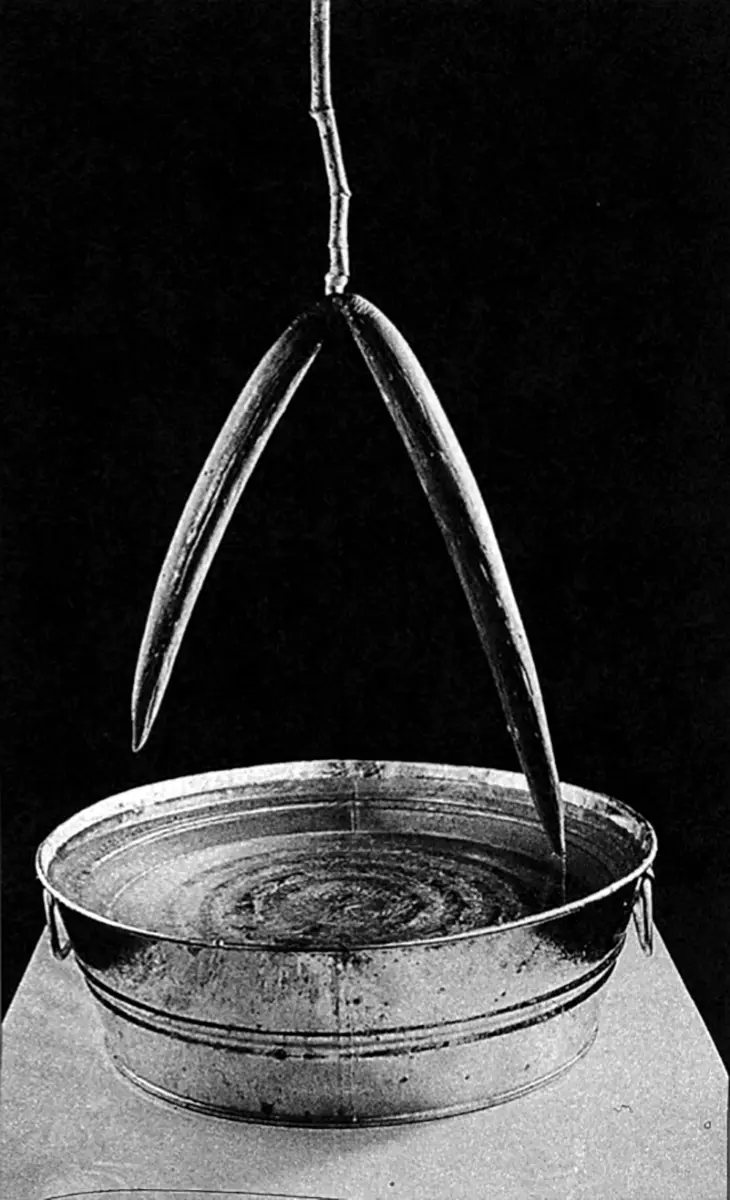
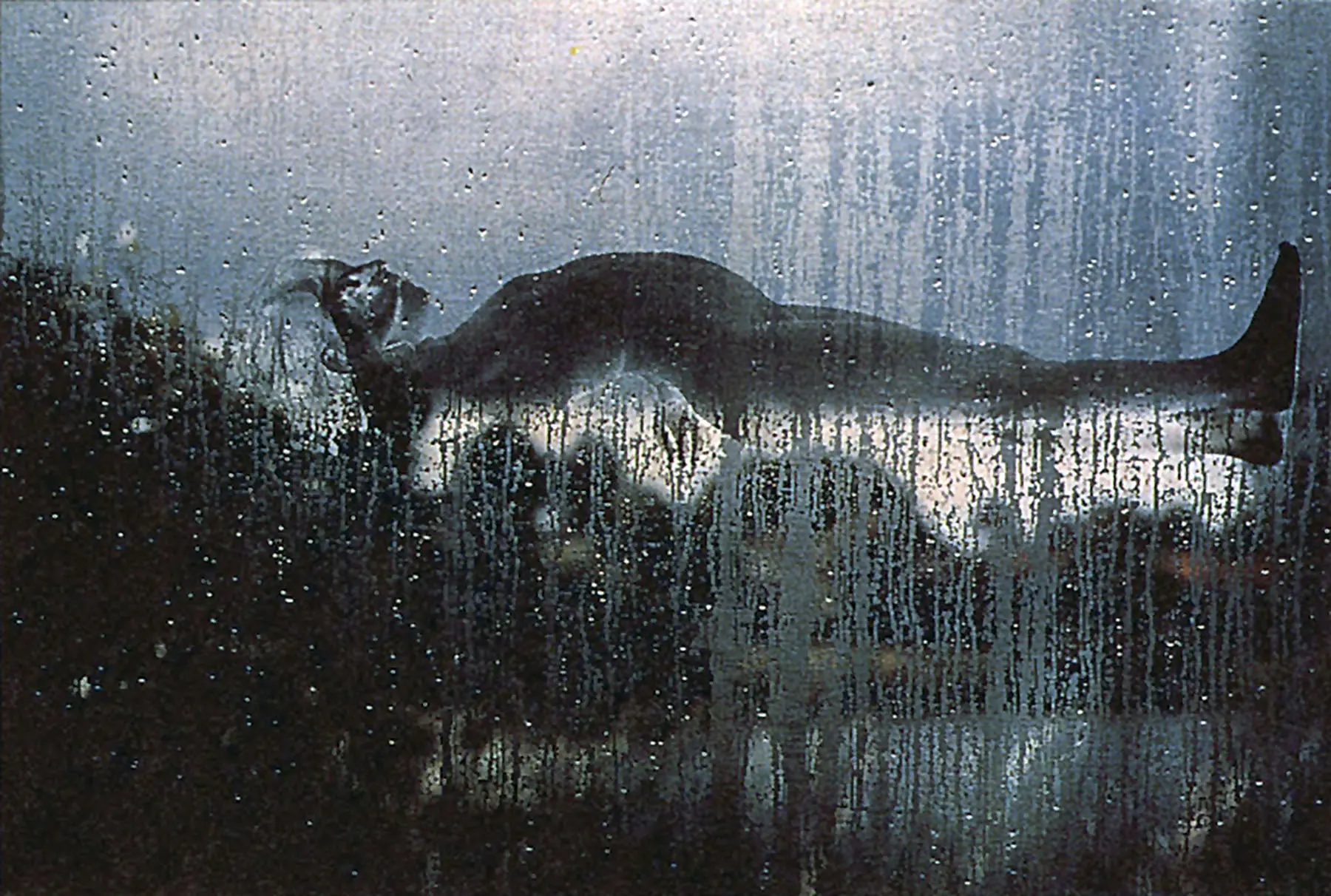
Since 1990, FotoFest has had an important Latin American participation, which peaked in 1992 as a result of the Quincentennial of Columbus's arrival in American lands (mention of which was later dropped for reasons of political correctness). Since then, the Latin American presence has depended less on the desire to give an opportunity to show their works to those who had not had very much of it, and has responded more and more to the growing interest in seeing Latin American works and to the growing demand for them in the collector's market. This year, there were several Latin American exhibits: Anahuac, X-rays of a Valley by Gerardo Suter at Purse Building Studios, Stelae: The Works of Five Latin American Photographers (Laura Cohen, Lissie Habie, Anamaria MaCarthy, Patricia Martin, and Milagros de la Torre) at Sicardi-Sanders Gallery, The Taking of the Landscape: photographs of Enrique Carbo and Alfredo De Stefano at the Institute of Hispanic Culture, Biographies: Contemporary Self-portraits by Patricia Bravo and Óscar Muñoz at Eire City Ironworks, Guarapuava by Valdir Cruz at La Chari Gallery, Romualdo García: Portraits 1905-1914 at the Institute of Mexican Culture, The Cuzco School of Photography at Surroundings, Rambla by Marcelo Isarrualde at the North Harris Community College, New Hand- Painted Photographs by Luis Gonzáles Palma at Robert Me Clain Gallery, Mexican Landscapes (1858-1910) at the Houston Community College, Gory's works at the group show Discoveries of the Meeting Place at Eire City Ironworks, and by the undersigned; Gaudí and the Secret Lives of Statues at Dessert Gallery. Also, Latin Americans born in the United States, like Kathy Vargas and Agapito Sánchez, exhibited Miraculous Lives and Life after Death, respectively, at the Kiam Building. In what follows, we will comment on a few of these exhibits.
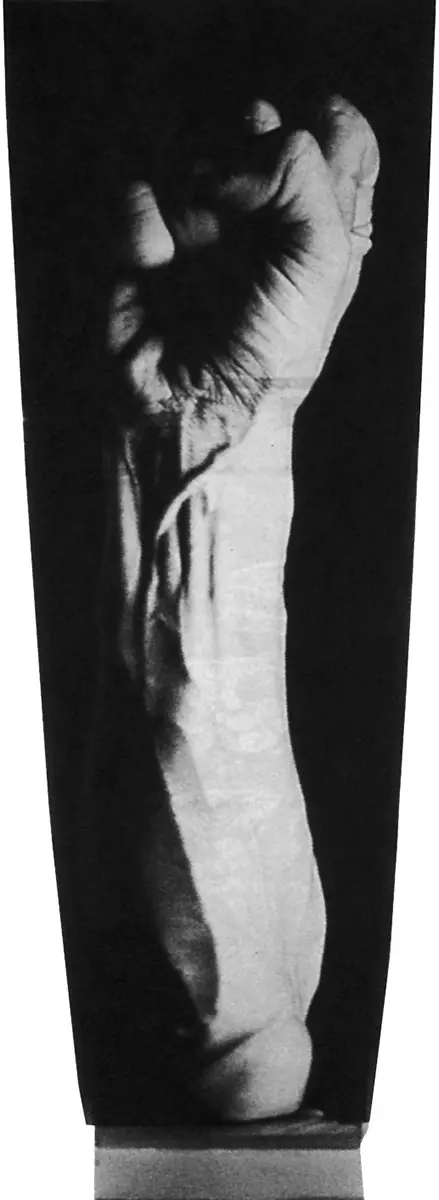
Without a doubt, one of the most spectacular exhibits was that of Gerardo Suter: Anahuac: X-rays of a Valley. Suter, whose work at the beginning of the 90s had attempted to reincarnate Mexican pre-Columbian deities by means of staged photography, now, with Anahuac, proposes something much more interesting and that no longer depends iconographically on the ancient Aztec mythologies. The connection with pre-Columbian themes in his new work is much more conceptual and, as it turns out, vastly more current. The term 'Anahuac' comes from atl (water) and nahuac (near) and it generally denotes Mexico City. Thus, the title refers to ancient Tenochtitlan. Up to this point, there can be a great deal of hermeneutic agreement, but beyond it, the work becomes rich in interpretations. A monumental Kodak photograph of a forearm that culminates in a clenched fist with throbbing veins is the most suggestive image in the exhibit. It is the power of the builder, it is the beat of a thriving city, it is the body that surrenders to the hypodermic needle, it is the symbol of the left that reconstitutes itself, it is the blood that travels spatio-temporally the path of a legendary exodus from California to Mexico City. With Anahuac, Suter overcomes the seductive power of the exotic and enters into a more poetic and current reflection upon the life of the city.
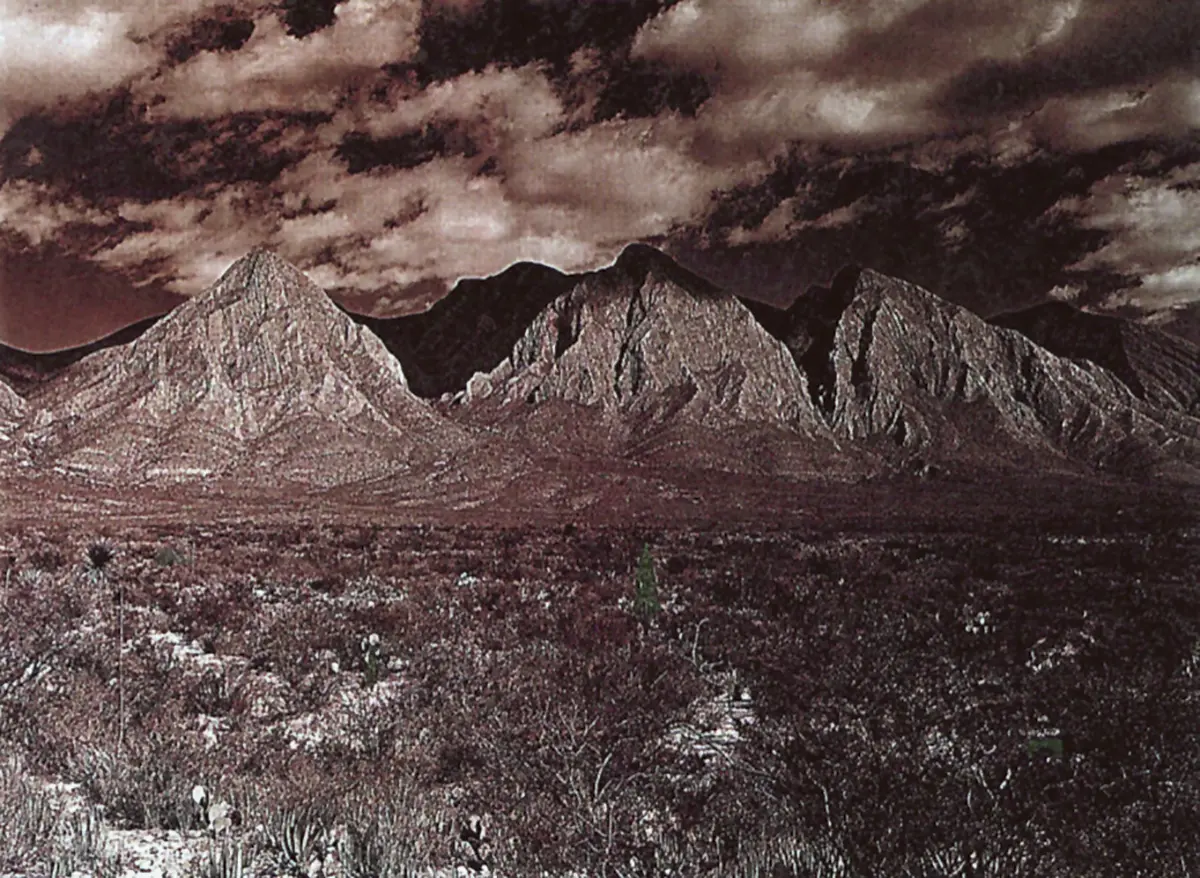
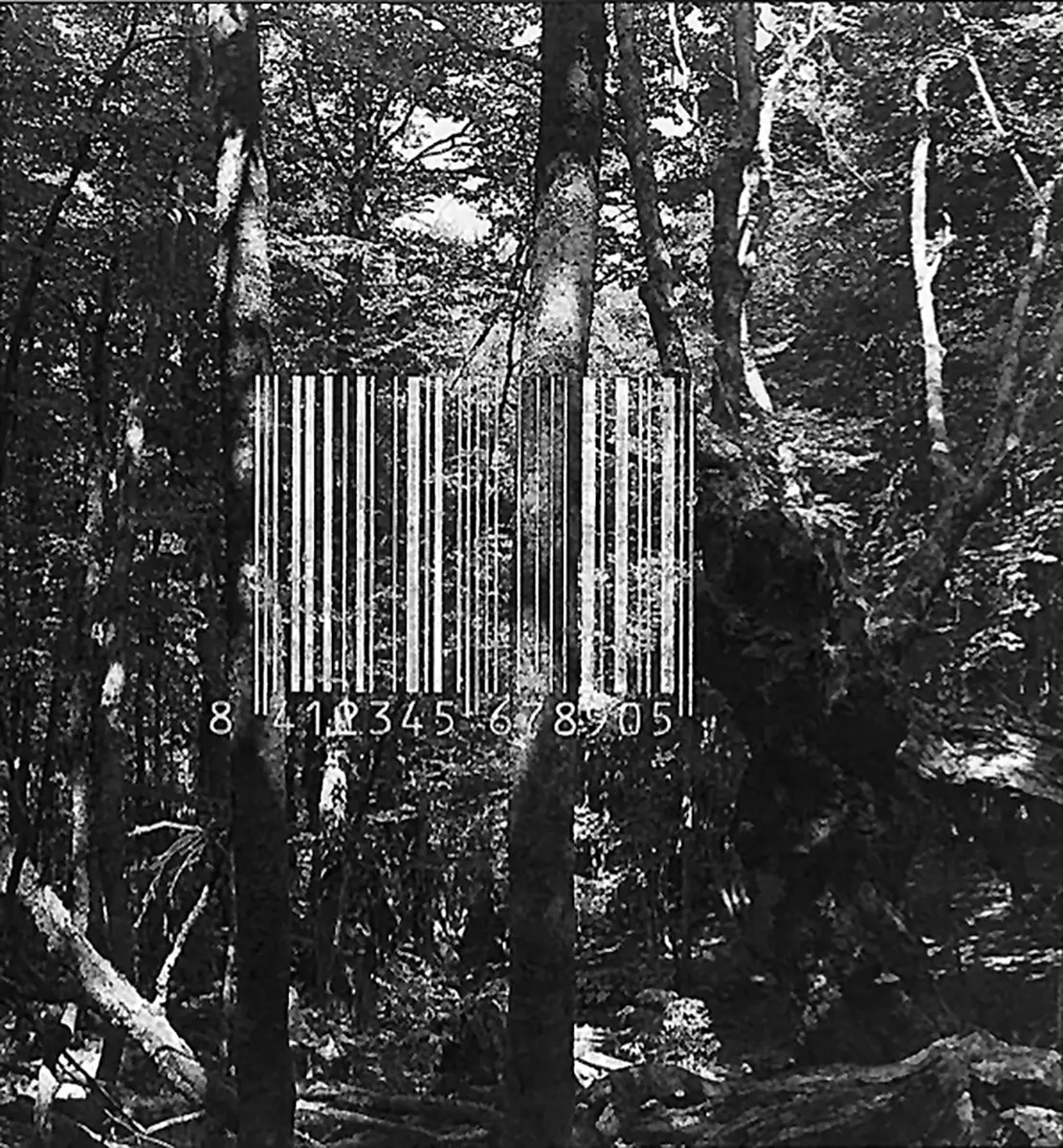
An equally timely exhibit was The Taking of the Landscape, in which artists Enrique Carbo and Alfredo De Stefano present ecologically concerned landscape photography. The term "taking" in the title denotes the photographic act as well as the act of predatory possession of the land. Recently granted the Miró Foundation Award, the Spanish photographer Carbo presented black-and-white works belonging to two different series: A Forest to Last a Lifetime and Primitive Fictional Sculptures. In the first of these series, Carbo lays over his images of different forest spots, their geographical coordinates in numerals and bar codes meticulously drawn in gold leaf. The idea is that prior to our contemplation of pristine nature —for instance, a la Ansel Adams— we find a way of regarding the world as mere merchandise. The wish for eternal forests runs counter to a vision of nature as an inexhaustible resource. Working independently on the other side of the Atlantic, De Stefano, establishes a similar dialogue with the northern deserts of his native land. In his warm and magical images of the desert, some stones and cacti are numerated as if they had been inventoried. The desert landscapes of Stefano attract us to the desert only to show us that they have already been trodden and that their future has already been decided. Landscape photography is not frequent in Spain nor Latin America, and the resolute intervened images of these two photographers places them in the vanguard of the genre.
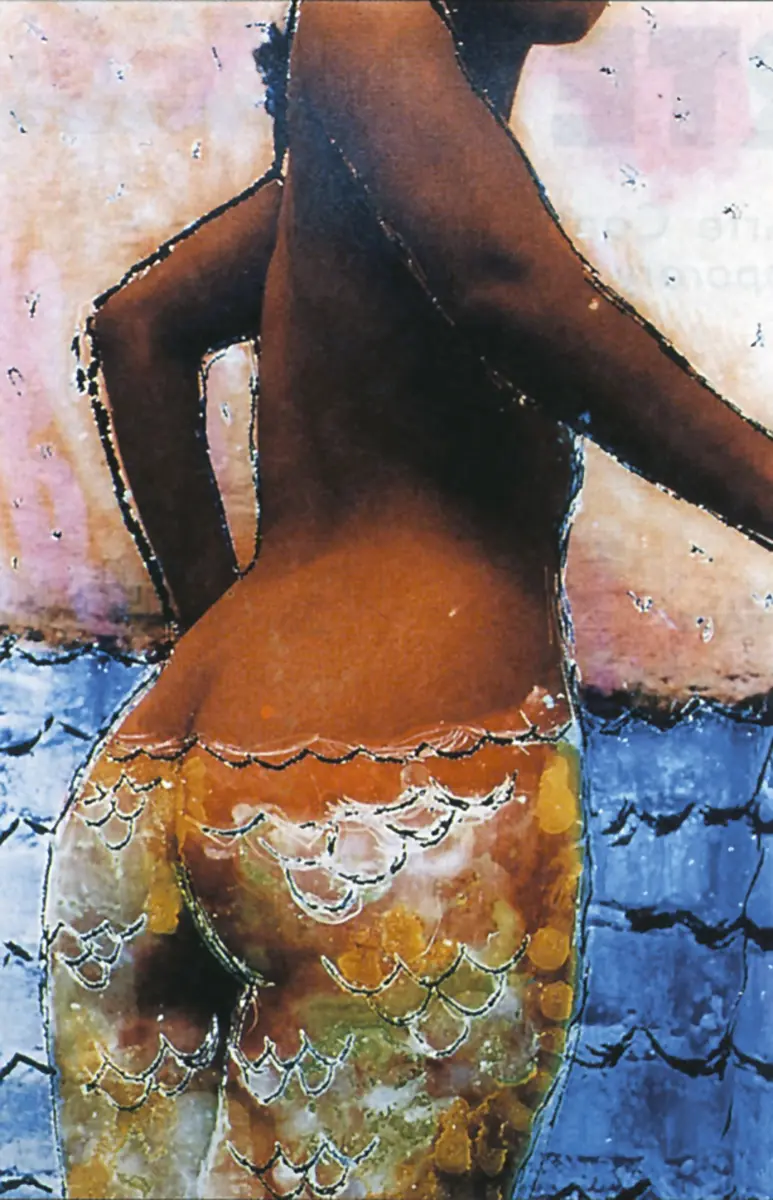
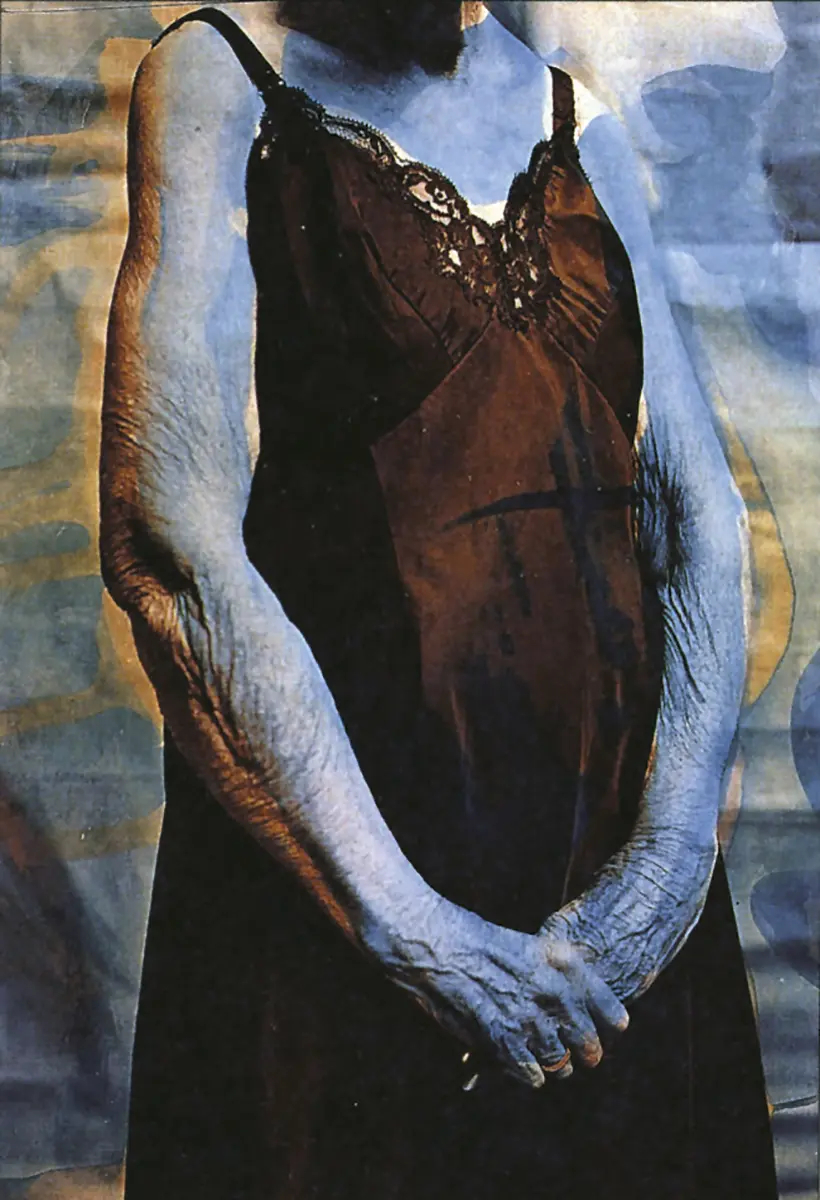
Latin American art now has a gallery in Houston that represents it: Sicardi-Sanders Gallery. For FotoFest, this gallery presented the work of five Latin American photographers in the exhibit Stelae. Laura Cohen is well-known in Mexico, but her work —seemingly devoid of all nationality— has not found a place in its cultural repertoire. Her images, carefully constructed in the studio, establish a kind of animism of things, and their titles make it surprisingly easy to adjudicate soap opera passions to mirrors, glasses, candles, and other domestic objects. By contrast, the work of the Guatemalan photographer, Lissie Habie, deals with issues in the moral and metaphysical realm, by means of staged color photography. Her work The Original Sin retells the story of the forbidden fruit but with an image that is more like one of René Magritte than of a cloister. The Peruvian photographer Anamaria McCarthy shows a series about her grandmother in which the ravages of old age are played against semi-nudity and intimate vestments. The oeuvre of McCarthy has systematically explored women's existential predicaments through staging nude bodies. Another Peruvian in Stelae is Milagros de la Torre, whose series Under the Black Sun of Cuzco takes off by using the technique of park photographers who use paper negatives in their work. Enlarged, these paper negatives face the viewer from their world of inverted values —no doubt a commentary about relations of social and racial domination in Peru. Finally, the young Mexican photographer, Patricia Martin, who colors black and white negatives with retouching dyes and then prints them as color prints, presented a series that recreates the mythical transformations of the female body. In Mermaid, the fish tail of the woman raises itself out of the malleable medium of the image.
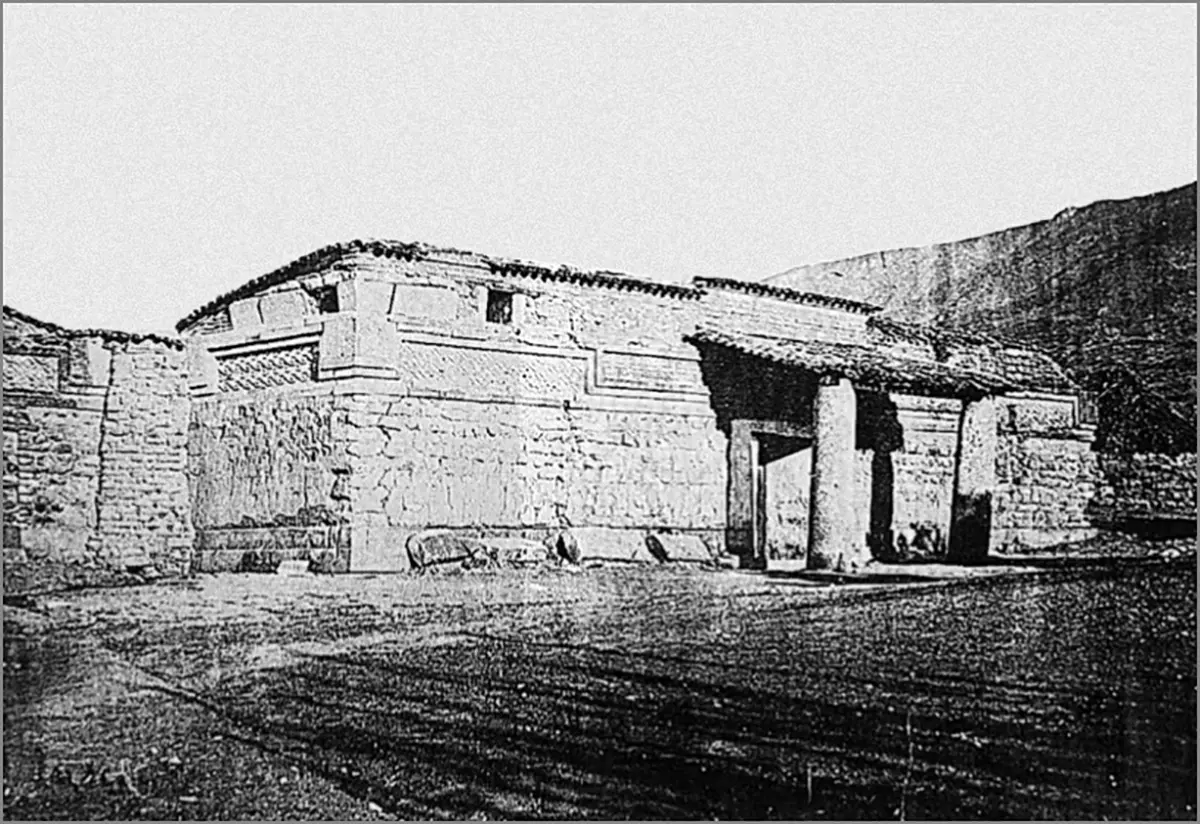
Of the three Latin American historical exhibits, Mexican Landscapes (1858-1910) at the Houston Community College was the most ambitious. The Mexican researcher José Antonio Rodríguez, curator of the exhibit, undertook a laborious investigation that resulted in a compact, exquisite, and didactic exhibition of interest to the expert as well as to the general public. His text explains the different phases of the phenomenon of landscape photography from the time that the fascination for pre-Columbian architecture attracted foreign photographers like Desire Charnay, to the discovery of the artistic landscape by local and foreign pictorialist photographers. Events like FotoFest 96' provide evidence that, with few exceptions, the Latin American presence is directly proportional to the importance that a country gives to its cultural policy. In spite of its recent economic troubles, there is no doubt that Mexico continues to lead other Latin American countries with regard to the kind of support it gives its artists to have a profile abroad. Whatever the real motivation behind this support may be, the fact is that Mexican artists have wisely used the resources granted to them. The lesson for the cultural policy makers of other countries is clear: to arm the cultural bureacracy of the state with able people and to invest in promoting the most talented bears fruits that are valuable beyond the cultural sphere. Among other things, it gives the appearance of ideological pluralism, of ethnic harmony, and of social and environmental concerns in that country. It serves the propaganda purposes of a certain photography of the late nineteenth century, showing foreign investors a nation at the same level as other "more advanced" nations. Likewise, many of the foreign guests of FotoFest would have never known about Houston were it not for its photography biennial. Governments like that of Cuba and Venezuela have also used their cultural machinery intelligently, but other Latin American countries are just beginning to realize that investing in culture, even without understanding it and in spite of the material misery of its most unfortunate citizens, is not something merely frivolous.
FERNANDO CASTRO
Professor at the Institute of Philosophical Investigations at Lima University, Peru.