
A bright yellow poster contrasting with the stone gray color of the old houses of the Vegueta is the first sign of the arrival of a little piece of the Caribbean to a land of volcanoes and Atlantic ash. Two fraternal islands, one full of color and sun, the other, a place of lava and drought; the one invited, through its artists, to invade the other's Center of Modem Art and to give creative expression to the synchretic and exhuberant landscape and humor of Cuba, a race of free essences and crossbreeding immersed in a reality that has been made and unmade with the elitist and marginal attempts to construct a different kind of society in the heart of the West.
Following the interest expressed by the Atlantic Center of Modern Art of Las Palmas, in the Canary Islands, in cultural mestization and the relationship between the center and the periphery, an ambitious and successful representative retrospective exhibition, entitled Twentieth Century Cuba: Modernity and Synchretism, was recently presented under the curatorship of Maria Luisa Borras and Antonio Zaya, which surveyed the successive "avant-garde" movements in Cuba from the end of the nineteenth century down to the present. The roots, history, culture, and circumstances of an island, which itself is a metaphor of the art that it has generated, were thus brought into focus.
The exhibition eliminated the distance in time and space between this group of artists who, from within the island or outside, have expressed their opinions on the inescapable reality of their homeland. The result was impressive, authentic, expressive, analytical, and irreverent, taking us through drawing, painting, sculpture, installations, photography, and video, without any technological pretensions, towards incredible dimensions of interactivity.
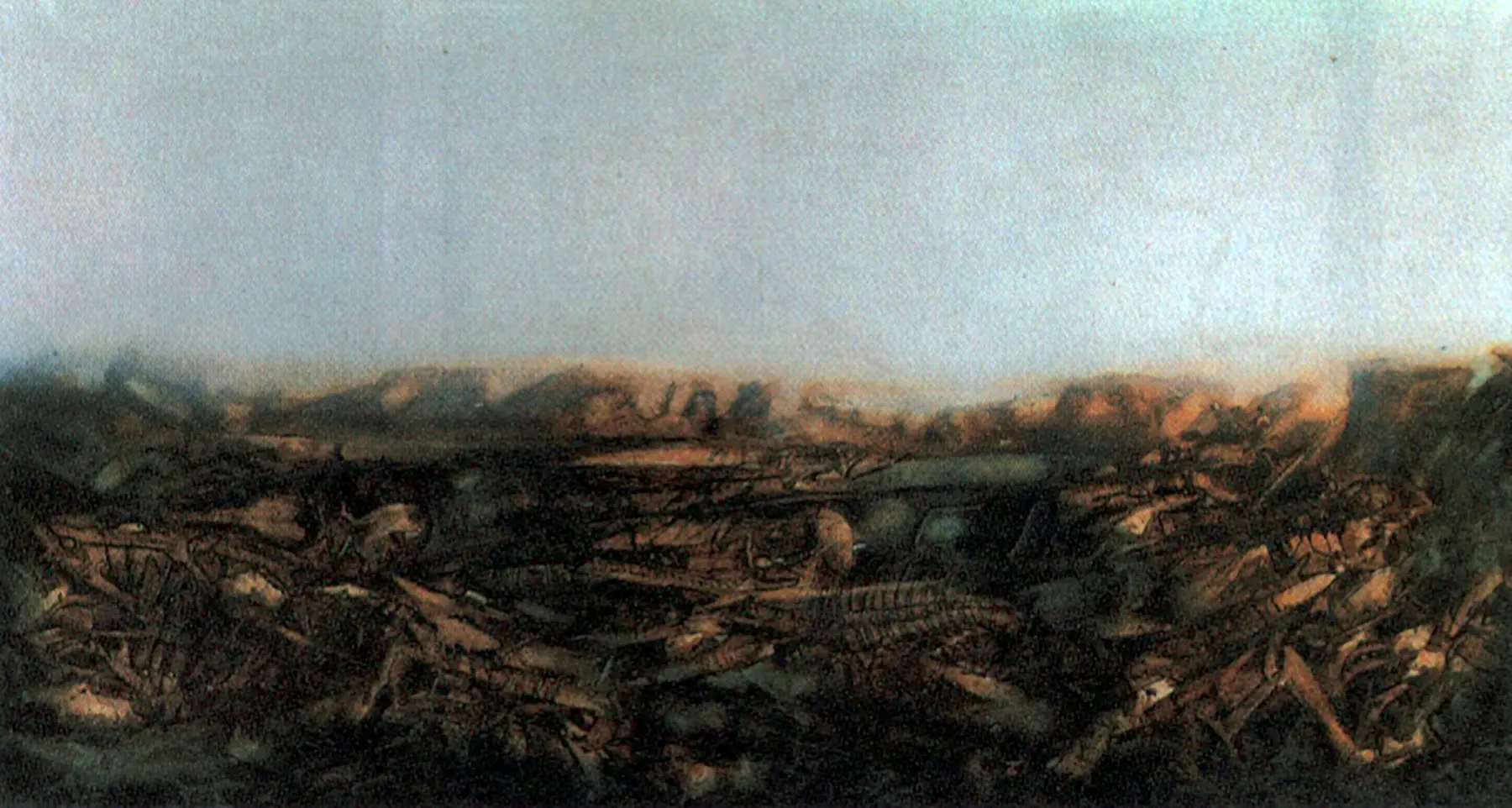
The show began with the regional and landscape images of Cuba at the turn of the last century, which provided a visual platform for the successive languages.
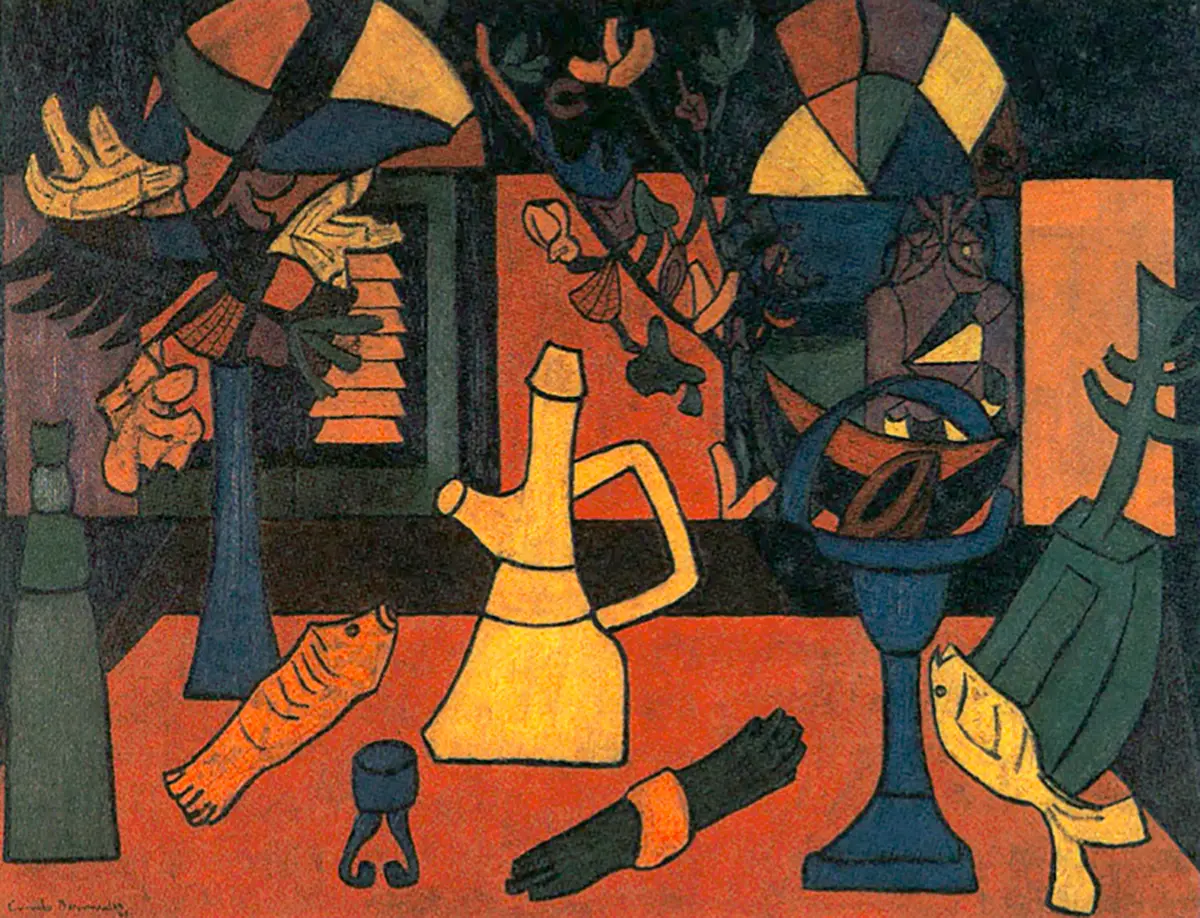
The so-called "first avant-garde," that of Fidelio Ponce, Carlos Enríquez, and Víctor Manuel, used human figures or landscapes to present a portrait of Cuban identity during the years before the midtwentieth century, until it merged with the "second avant-garde," that of Porto-carrero, Rodríguez, Bermúdez, Peláez, and Carreño, who redefined this national identity in more intimate and person al terms. Wifredo Lam presented the African element in a group of works from the 1940s, when he lived on the island, in which the influence of Cubist, Surrealist, and African geometry creates a kind of Caribbean mythology. In the 1950s, he attempted to "universalize" Cuban art through abstractionism, although this resulted in a long and unpopular "dark period" that extended through the 1960s and 1970s, when the revolutionary process began and led to a very emblematic kind of aesthetics within social realism.
Thus, it was not until the "prodigious decade" of the 1980s that the show was able to illustrate the most interesting phenomenon of Cuban art as a product of certain ideal conditions as regards educational policies, non-dependency on the market, official alliances, and "stimulating" moderate censorship. This panacean panorama in the arts collapsed at the end of the 1980s, stifled by the inflexibility of the authorities and the serious economic crisis on the island. The reaction of most artists and intellectuals was to emigrate, which resulted in the establishment outside the country of new spaces for artistic creation and discussion. Soon after, art in Cuba became revitalized, with the emergence of alternative proposals for artistic debate.
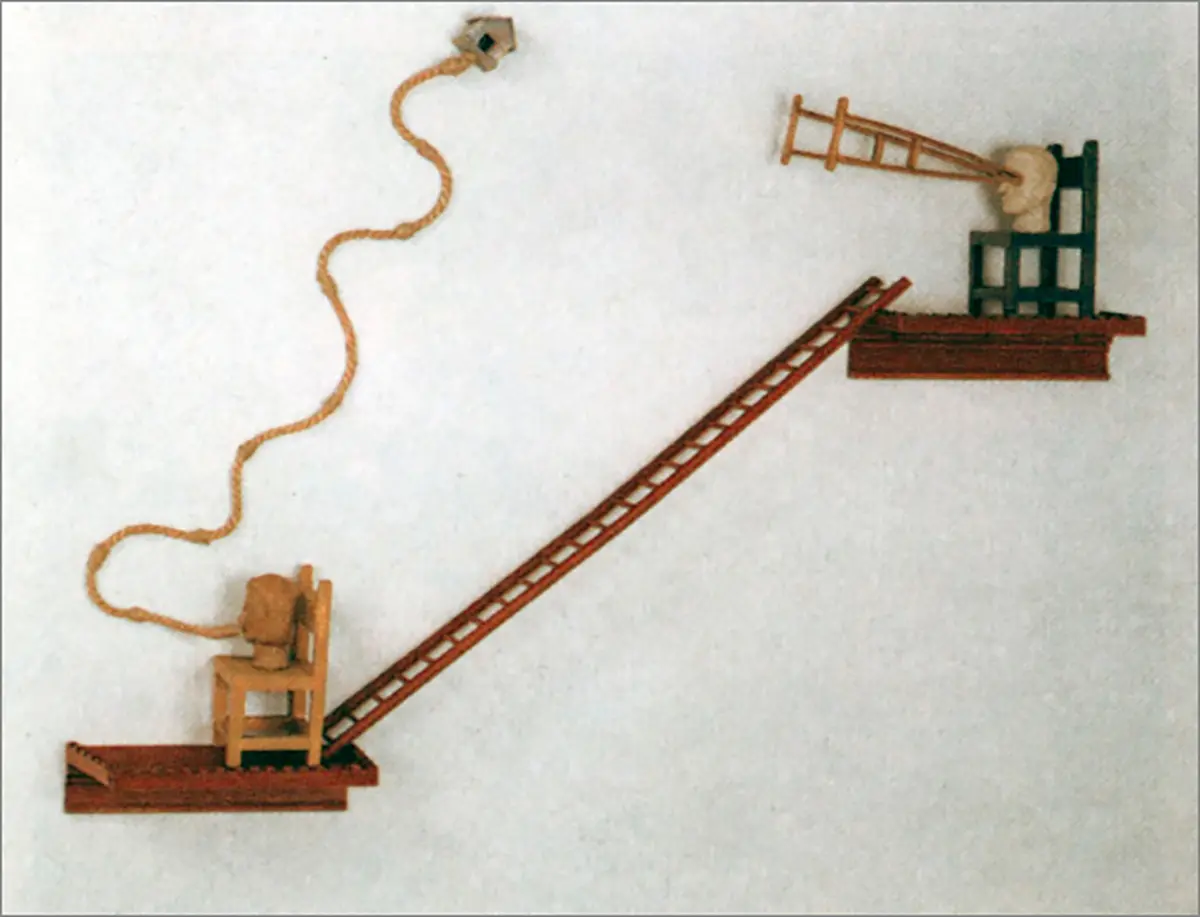
This contemporary section, through a wide variety of supports, ideas, and artistic languages, reflected the utopic objective of art to project itself as the critical conscience of society. "The coherence of these works does not lie in the spheres of residence and ideology, relocation or remaining on the island, but in the capacity of resistance to the de facto powers and the knowledge of each, irrespective of whether penetration is achieved at the artistic level."1 The life experience of Cuban artists has resulted in a utilitarian, almost reportorial concept of art. As a vehicle of expression, intervention, and questioning, its placement within a discursive and experimental context at both the political and socio-cultural levels has endowed it with its raison d'être as a social language, the multiplicity of which in terms of character, technique, style, aesthetics, and ethics continues to devise new codes for Cuban art.
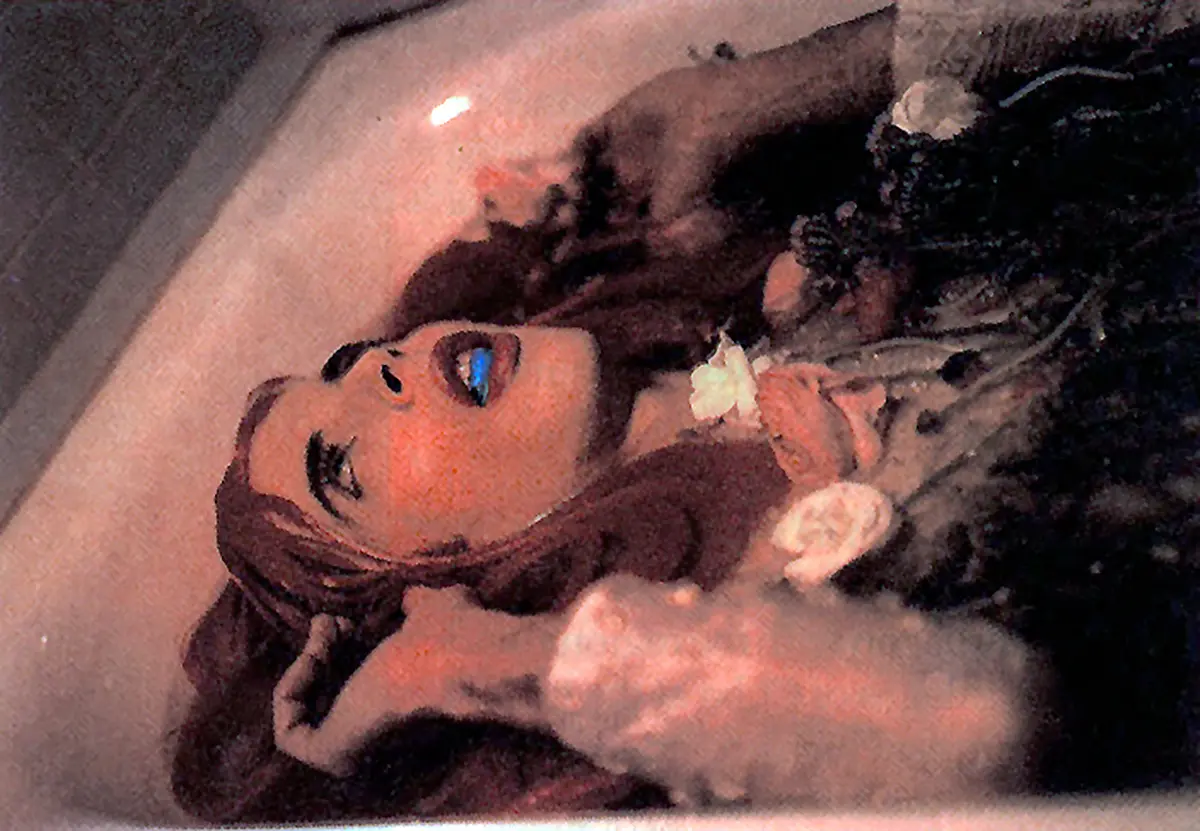
Despite this plurality of language, certain conceptual coincidences reveal this Cuban essence and praxis, which can be seen as a reflection on itself and which, either from nostalgia or out of protest, lives its work just as it lives its life. Santería and other Afro-Cuban cults characterize the proposals of a number of anthropologist-artists, believer-artists, and initiated-artists who ritualize their creative process, such as Marta María Pérez, Santiago Rodríguez, Ricardo Brey, Belkis Ayón, Elso Pradilla, José Bedia, and Ana Mendieta, whose works can be seen as an act of faith. A leitmotiv here is the conflict of displacement, of displaced space and exile, which evokes the appropriation of such elements as suitcases, rafts, oars, or bridges that create a kind of poetics of exile in the case of Glexis Novoa, Rubén Torres Llorca, Florencia Gelabert, Ernesto Pujol, José Bedia, Kcho, Luis Cruz Azaceta, and Tomás Esson.
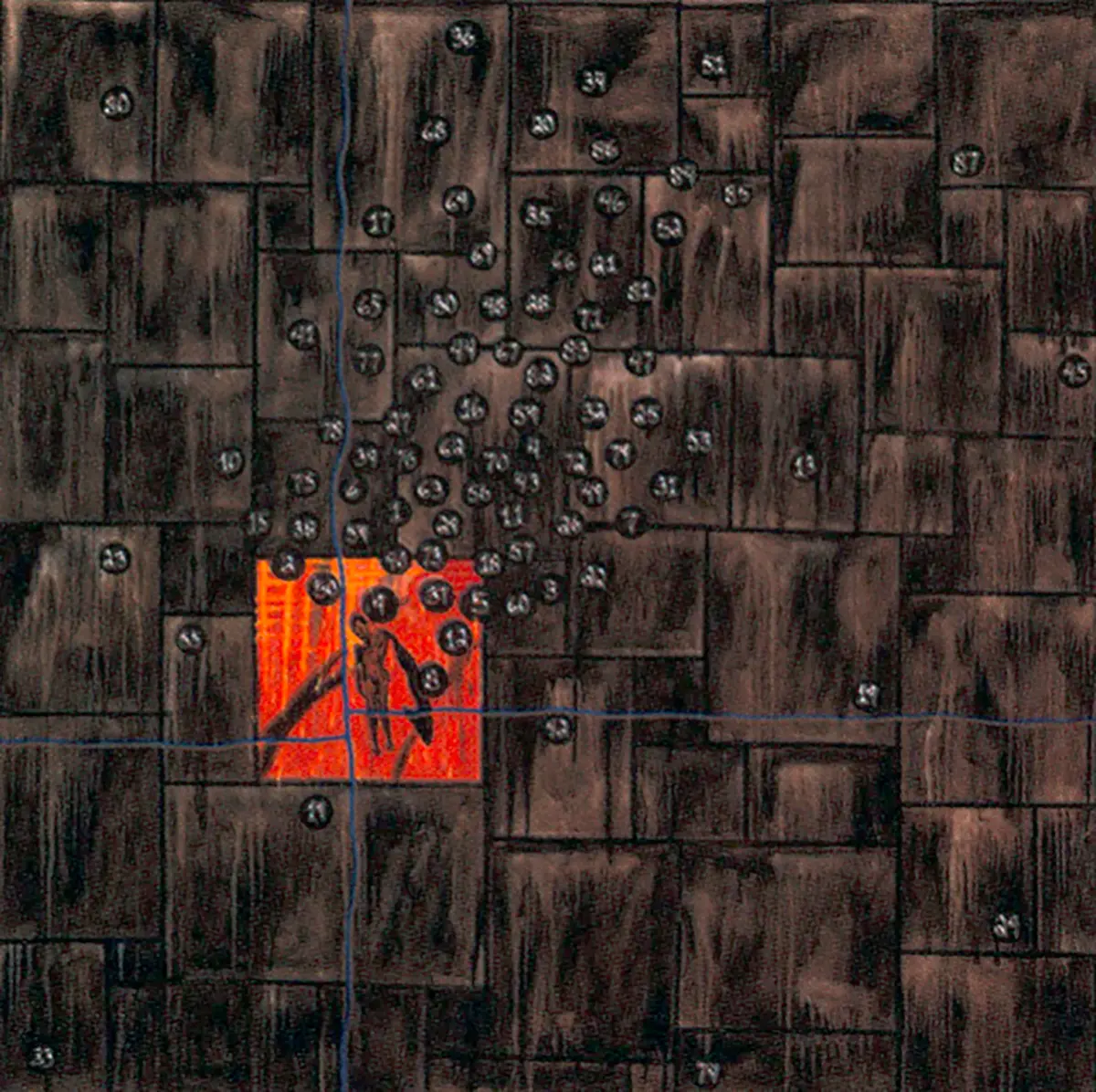
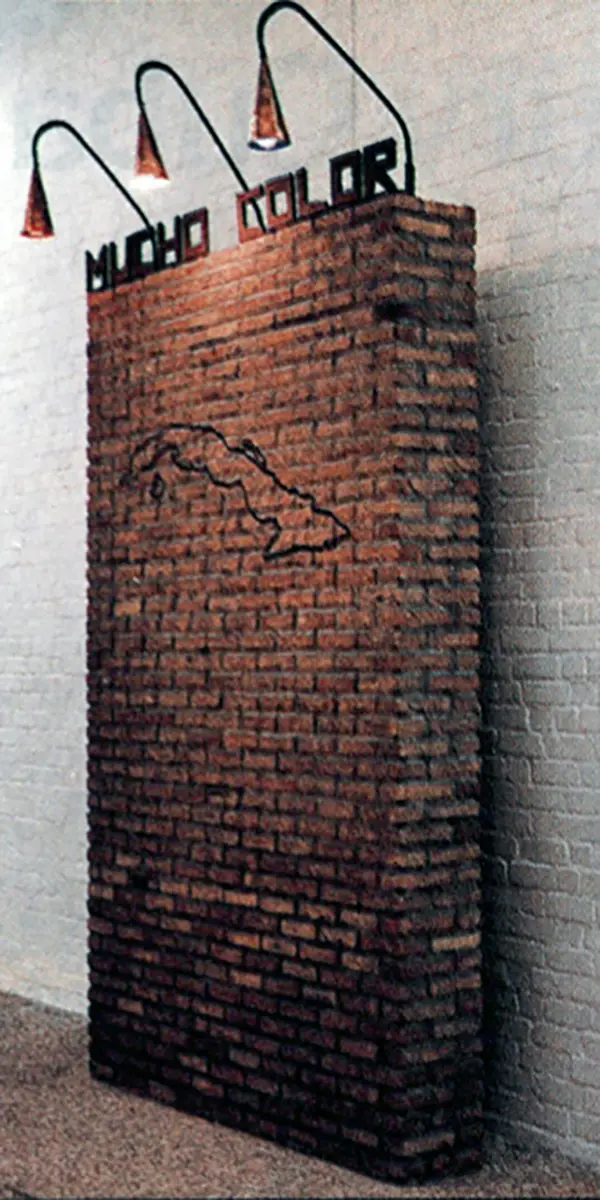
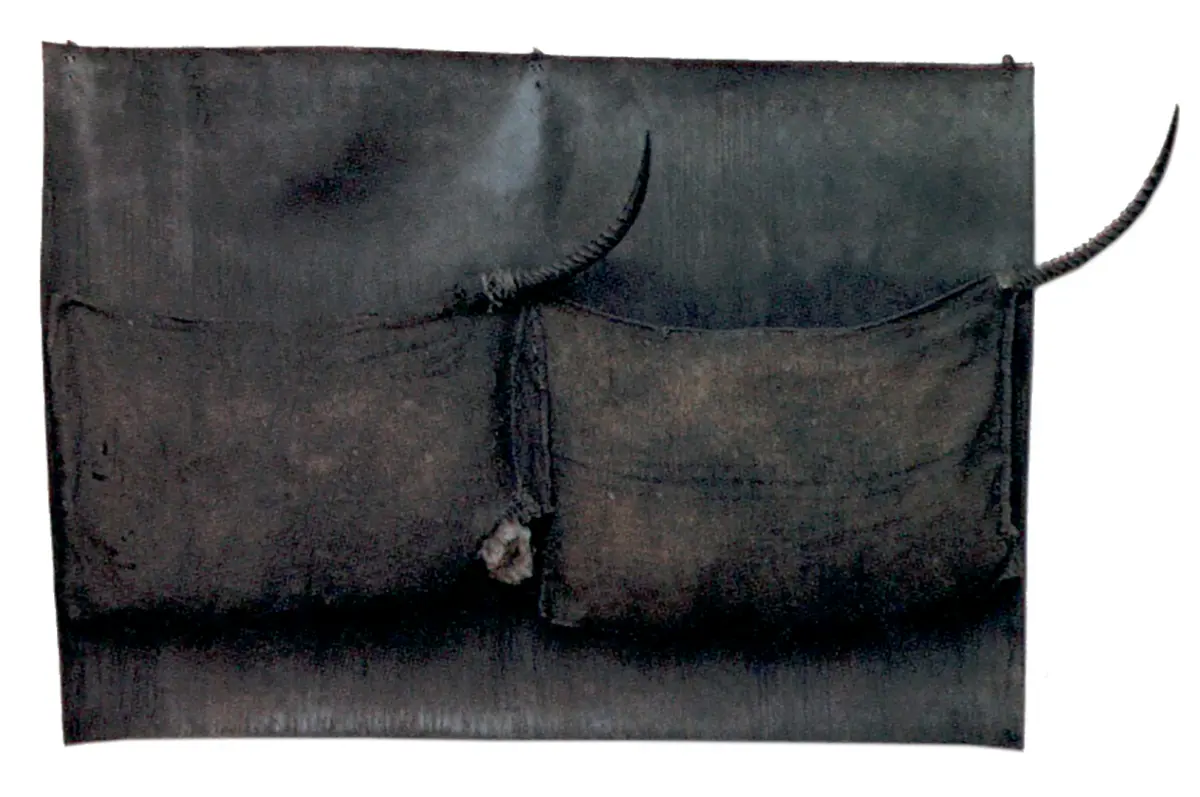
The island theme, represented in some cases in the map of Cuba (Tonel) or the presence of the sea (Manuel Piña, Juan Pablo Ballester), was also frequent in the iconography displayed throughout this exhibition. "Insular subjectivity is limited by the tacit desire to annex (the world). Before the diaspora became one of the dramatic results of the Cuban project, the island's imagination viewed the horizon as both a challenge and a curse."2 The conceptualism of Consuelo Castaneda, the video by Ela Troyano, a two-dimensional sculpture by Alejandro Aguilera, the photography by Gory, just to mention a few examples, bear witness to the variety of formats, and particularly large formats, of this fertile "garden of bifurcating paths," as Zaya has described the art of Cuba.
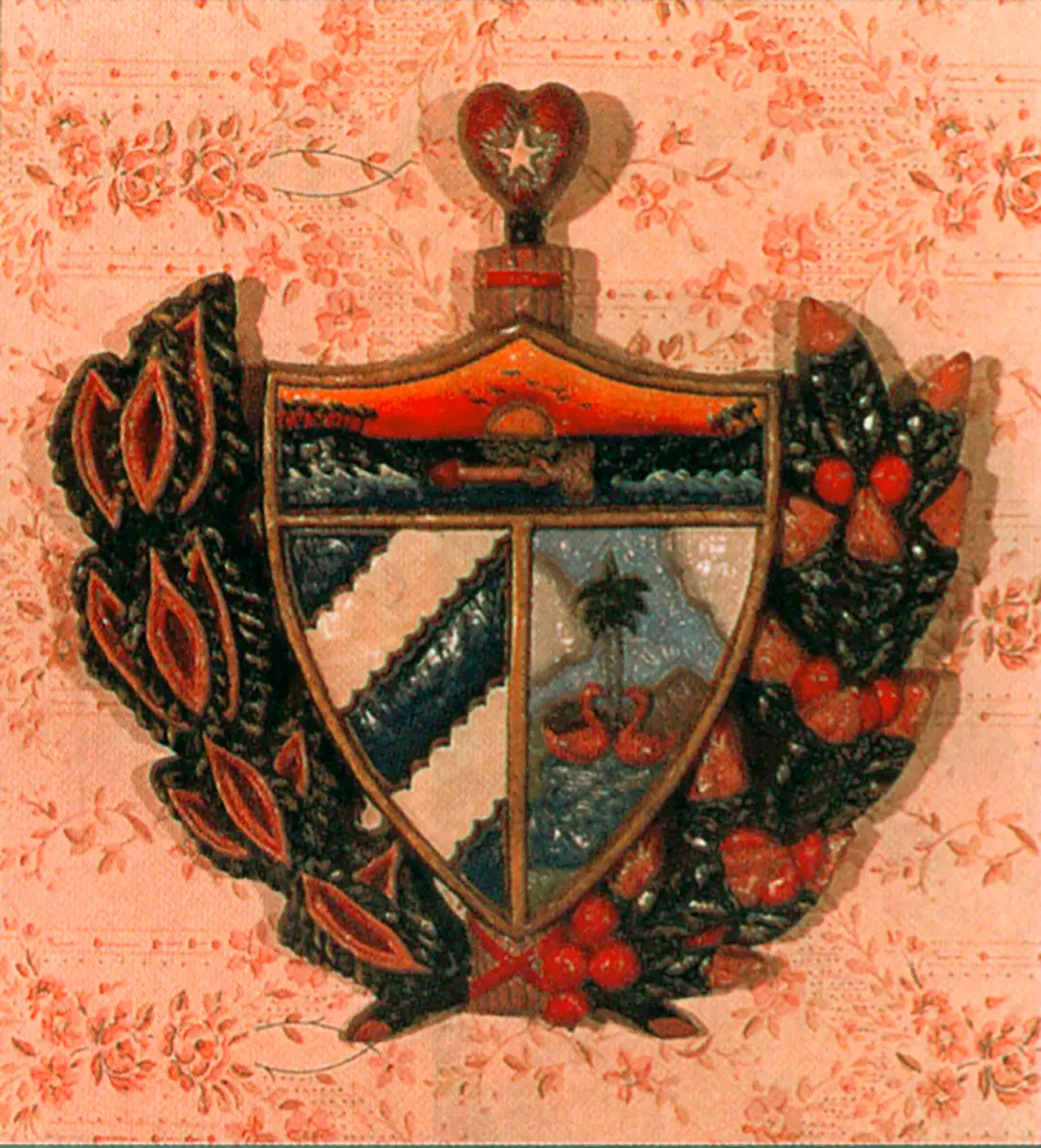
The 45 artists and 113 works making up the show were handsomely presented in the illustrative and analytical catalogue accompanying the event. With the confidence of feeling at home before the storm, Cuban art of recent years came to the Canaries to present its crossbred, multifaceted culture, "a kind of mobile store and festive fair in perpetual movement... An art exported, although not sure if it is actually exportable, more or less polished in appearance and still ironic in its essence, with a rightful and inevitable dose of skepticism, hoping that it will be seen and looked at not so much in terms of its Cuban origin but in terms of just art."3 This exhibition was a tribute to an artistic and aesthetic phenomenon that has shown considerable vitality and a surprisingly self-critical kind of chauvinism. Despite the geographical dispersion of so many of its artists, Cuban art has been able to achieve a sense of coherence within its own diversity, courage within the parameters of the human commitment involved, and a sense of uniqueness notwithstanding the syncretic natures of its origins.

Editor's note
A catalogue was published alongside the exhibit, one that deserves special mention not only for the quality of its illustrations but also for the texts included. The nine articles expound different outlooks on Cuban art, the authors proposing a re-examination of the process of the island's modernity. Concerning the images, they didn't just reproduce the extensive work exhibited but also key works for the understanding of the process covered by Cuban art from the nineteenth century to today.
NOTES
1. Antonio Zaya, Cuba Siglo XX. Modernidad y Sincretismo, exhibition catalogue.
2. Félix Suazo, "Born in Cuba," Estilo, No. 22, Caracas, Venezuela.
3. Tonel, exhibition catalogue, op cit.
ALEJANDRO POZO
Venezuelan art critic. Lives in the Canary Islands.