For the inaugural exhibition at the new Museum of Contemporary Art (MOCA), Chief Curator Bonnie Clearwater clearly establishes the collection and exhibition goals of an institution determined to focus on the most contemporary art scene, and built to display its incredible diversity inside and outside of one of the most beautiful architectural constructions in the United States. With far-reaching implications for a multi-media, multi-technical, and multi-cultural aesthetic that is already the definition of the nineties beyond the limits of the three cities of its title, Defining the Nineties features the works of a new generation of artists responding to a new world of artistic production and participation. Their work may be small and fragile, often ephemeral; or it may involve the environments of installations; or photographic documentation and technical construction; or combinations of objects and images, sounds and surfaces that transcend their own elements of aesthetic and utilitarian recognition.
Nineties art, like art created in every preceding era, is a reflection of its environment, and the environment of today is disturbing. Artists face declines in government support and virulent political criticism, the repercussions of the crash of the international art market, and the devastating effects of AIDS. In the multi-ethnic communities of Miami, New York, and Los Angeles, the loneliness and difficulties of exile and immigration impact upon the artists and their work. Not surprisingly, 90s art is subversive, difficult, highly personalized, and yet to be categorized or sufficiently explained. To undertake an exhibition based on these realities is as risky as it is provocative, and to organize it as an inaugural exhibition is a testament to the confidence and ability of its curator and the museum’s administration. Based on the title and the confines it establishes in three cities with decisions regarding representative artists and collectors, the privilege of the curator, the exhibition invites (often demands) a remarkable level of viewer interaction and commentary. If the end results were passive, and they are not, the exhibition would be a failure.
Each city looks to unique areas for consensus-making. Los Angeles has a particularly strong academic support system; New York still maintains its significance and influence for the art market, and welcomes diversity; Miami thrives as a cosmopolitan and rapidly growing economy and culture that reaps the benefits of all of the Americas as the first city of the New World and home to a unique Latin American and Cuban exile art community.
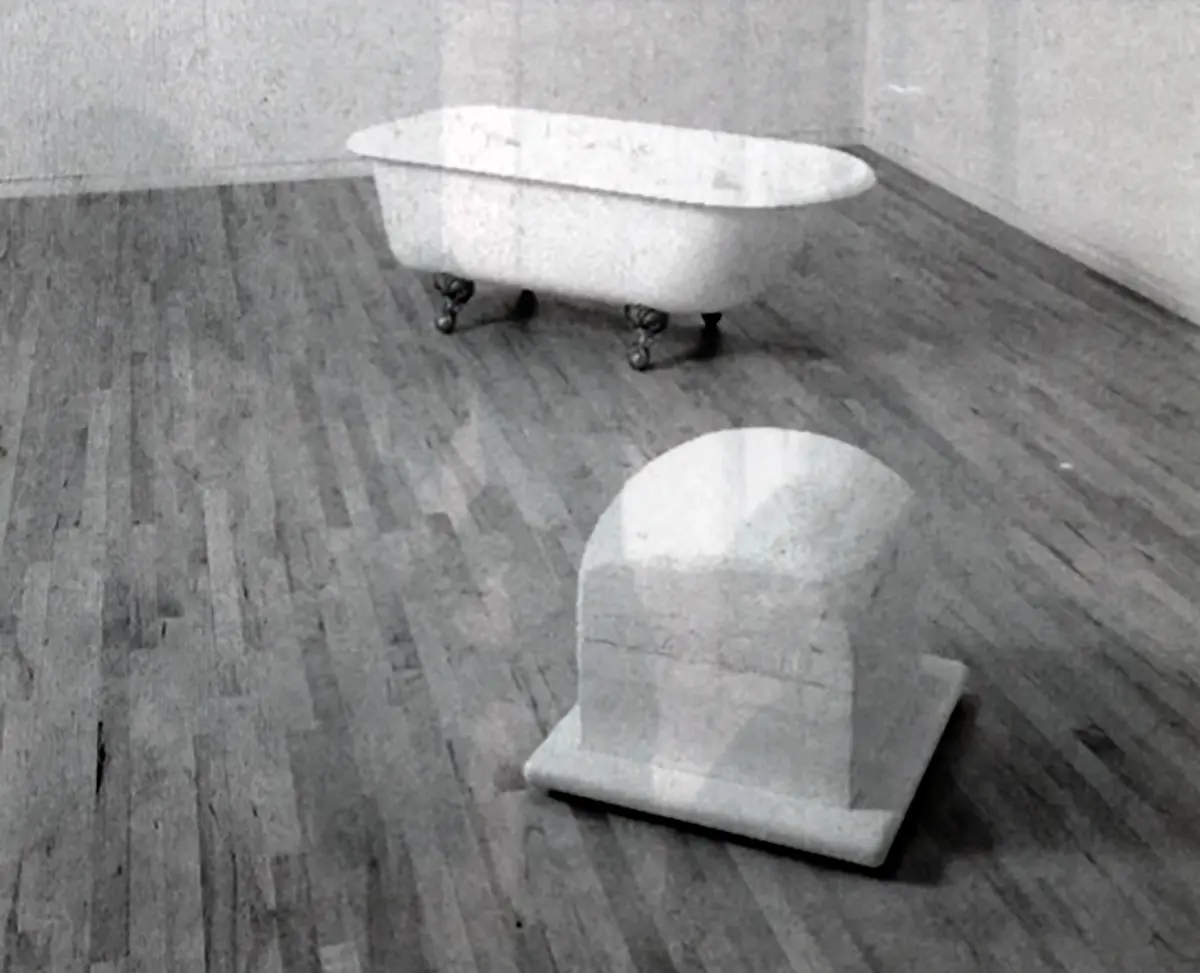
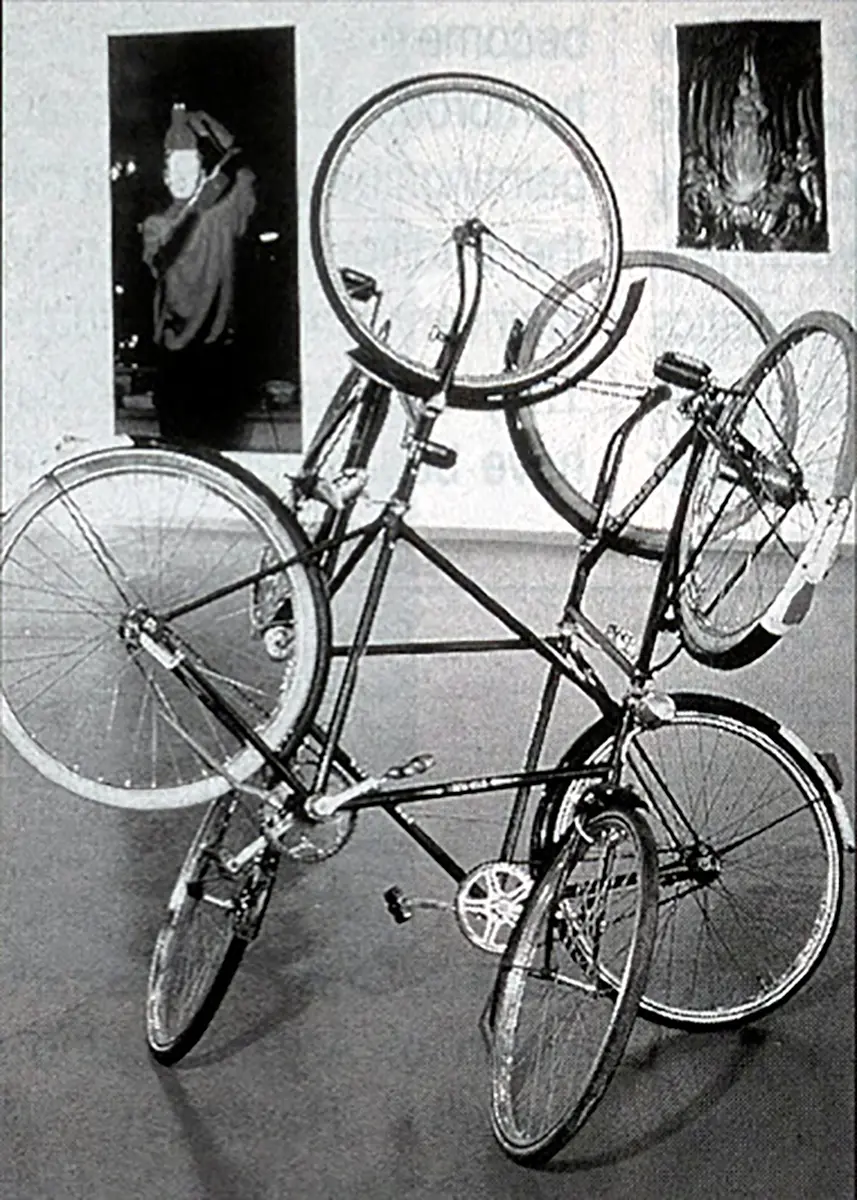
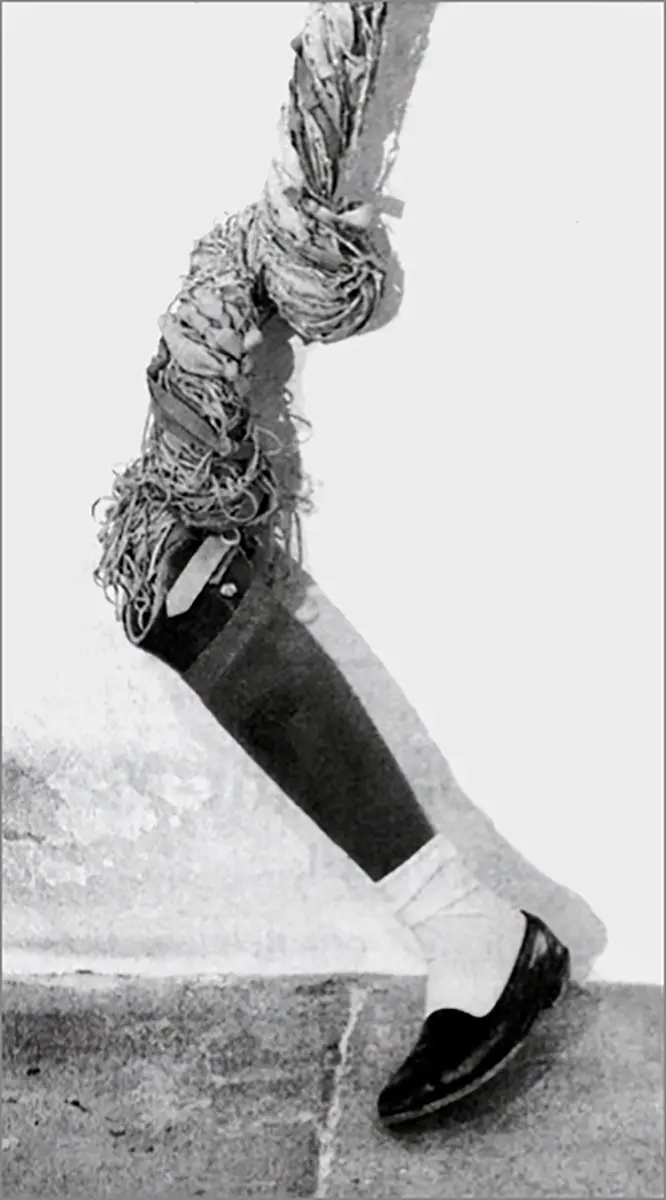
The artists selected from the perspectives of collections and collectors (the consensus-makers) in these cities include Janine Antoni, Matthew Barney, José Bedia, Teresita Fernández, Chris Finley, Félix González-Torres, Damien Hirst, Jac Leirner, Charles Long, Catherine Opie, Gabriel Orozco, Jorge Pardo, Gary Simmons, and Rachel Whiteread. They are all under 40 years of age and did not have a significant solo exhibition prior to the 1987-1988 season. They are Americans, Europeans, and Latin Americans, and their work reflects not only their personal response to the world in which they work, but also how their bodies respond as well. Products of a consumer society and era of technological obsessions, their choice of materials is predictable. Chris Finley buys his materials at Home Depot, and Jaime Antoni fills bathtubs with lard and leaves her impression; Félix Gónzalez-Torres left instructions for the purchase of hundreds of strands of glass beads to be installed according to the museum’s spatial arrangements. Damien Hirst built a cabinet and filled it with dime-store glassware, while Charles Long invites one to sit on a sofa and listen to music by Stereolab. A monkey pod wanders across the floor until it unplugs itself, and Martin Kersels's Twist is a foot on rubber bands that bangs against the wall as it unravels. With each gallery, a new experience assaults and puzzles the viewer.
Not surprisingly, there are few paintings, but there are projected images from film and video that may be today’s answer to two-dimensional visual simulation, if statistics regarding how many hours people spend in front of TV and computer monitors are valid. If the exhibition’s lack of paintings is to be a comment on their demise for the generation of the 90s, Nicole Eisenman’s works become even more significant than humorous. Even the examples of paintings by José Bedia transcend the traditional by the richness of their very complex spiritual content. They can stand alone, but would have been even more effective if part of an installation where the power of his voice is best expressed. In reality, the entire exhibition is an installation, an environment or multitude of environments within which artist and viewer interact. A walk through its galleries is an experience that will not easily be forgotten —a perfect beginning fora Museum of Contemporary Art.
CAROL DAMIAN