The holding of the fifth edition of the Ibero-American Art Fair (FIA) in Caracas between 27 June and 1 July this year suggested at least two basic observations. The first concerns the establishment of a precedent over and above all the specific circumstances and prognostications about the event. To have ensured its continuity, along with a good level of participation, attendance, and sales, is no small achievement in the current socio-economic situation. Secondly, there has also been a constant improvement over the years in the successive editions of the fair: this is the result of the extraordinary managerial skills of a team that has remained united and determined over the past five years and managed to transform the risks of precariousness into quality opportunities. This evidence confirms that anything is possible if we have the necessary determination. This example of perseverance and dedication recalls a well-known story from management literature, dealing with two shoe salespersons who are sent to remote areas in Africa. The first salesperson sends back a fax reading: "Bad news, nobody uses shoes here." However, the other salesperson is much more enthusiastic and reports: "Good news, nobody has any shoes here." The story is indeed emblematic of the renewal of the FIA.
This recent edition included the participation of 35 galleries, occupying a space of 3,400 square meters (Praxis International Art, Roberto Martín Contemporary Art and Gradiva (Argentina); Camargo Vilaga and Thomas Contemporary Art (Brazil), Alonso Arte, El Museo and Sextante (Colombia); Jacobo Karpio Atma Gallery (Costa Rica); 4.17, Estampa and Kreisler (Spain); Ape Gallery, Bonomelli Arte and Gomez Gallery (United States); Lelia Mordoch (France); Kaj Forsblom (Finland); Arte Actual and Cecilia González (Peru); Francisco Nader Art Gallery (Dominican Republic); and Acquavella, Altamira, A-Siete, Arte Ascaso, Center of Euro-American Art, D’Museo, Durban, Félix, Freites, Graphic CB/2, Grupo Li, Minotauro, Muci, Sala Alternativa and San Francisco (Venezuela).
Plurality and heterodoxy are the terms that best reflect what these galleries proposed. An art fair is not the most appropriate occasion for exercises in hermeneutics or criticism, and neither is it the place for value-judgements about montage or the unity of aesthetic criteria. A fair is, above all, an opportunity for promoting and selling artworks, and any judgements made should be along those lines. The FIA gave us the opportunity to see a considerable variety of important works, including pieces by Pablo Picasso, Wifredo Lam, Roberto Matta, Arman, Jean Dubuffet, Victor Vasarely, Yacob Agam, Karel Appel, George Segal, Alberto Giacometti, Fernand Léger, Henri Matisse, Armando Reverón, Marc Chagall, Miro, Jesús Soto, Carlos Cruz-Diez, Alejandro Otero, Jacobo Borges, Chillida, Santiago Cárdenas, Édgar Negret, Carlos Rojas, Francisco Narváez, Cornelis Zitman, Alirio Palacios, Pancho Quilici, Antonio Seguí, Oswaldo Vigas, Víctor Valera, Julio Pacheco Rivas, Ignacio Iturria, José Bedia, Elena Laverón, Carlos Poveda, Rafael Canduro, Courtney Smith, Aurora Cañero and Miguel Sanoja. In the same way, the quality of the works presented by such artists as Hugo Zapata, Rafael Barrios, Ernesto Zalez, Carlos Vargas Pons, and Alberto Riaño was noted by several visitors.
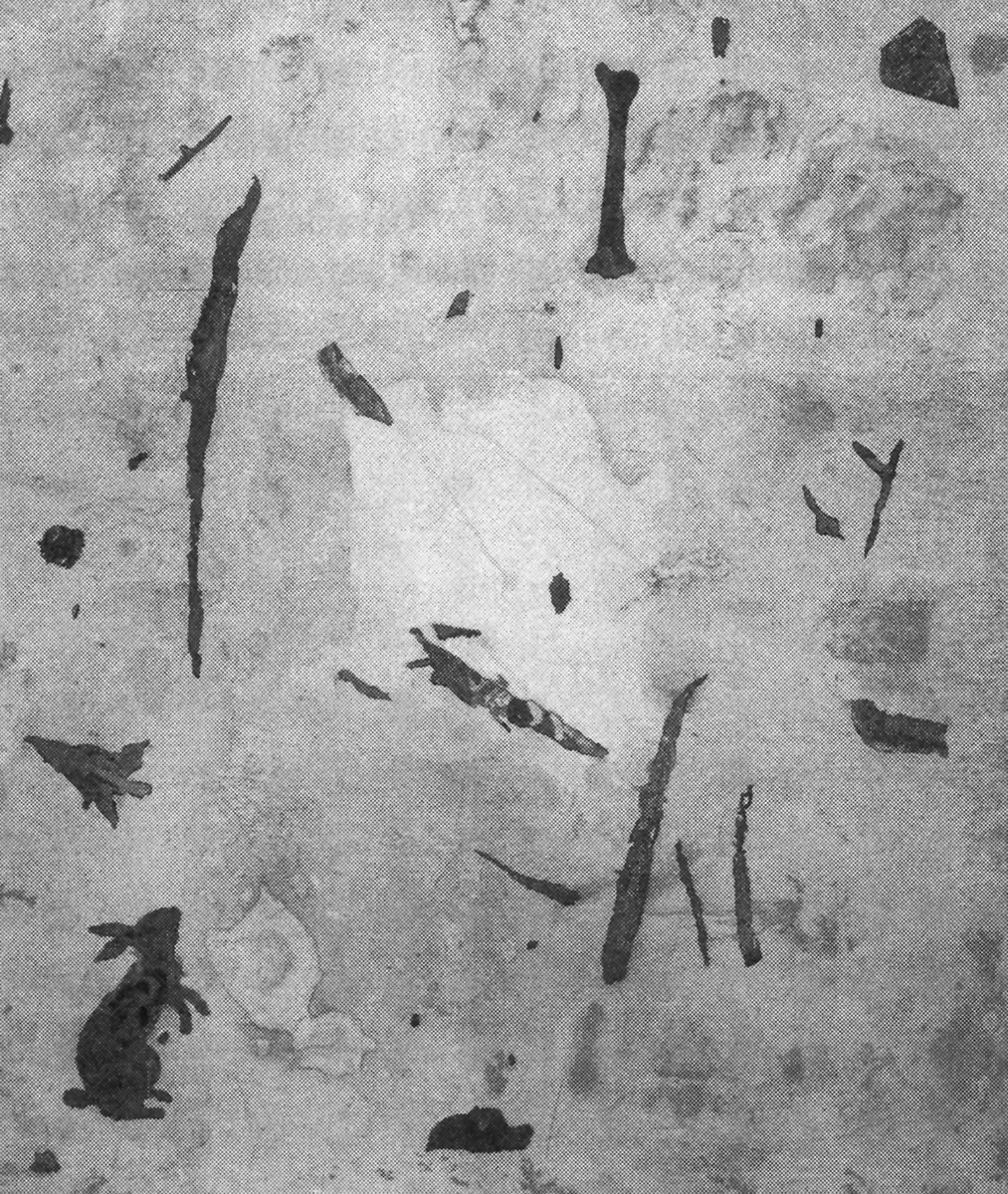
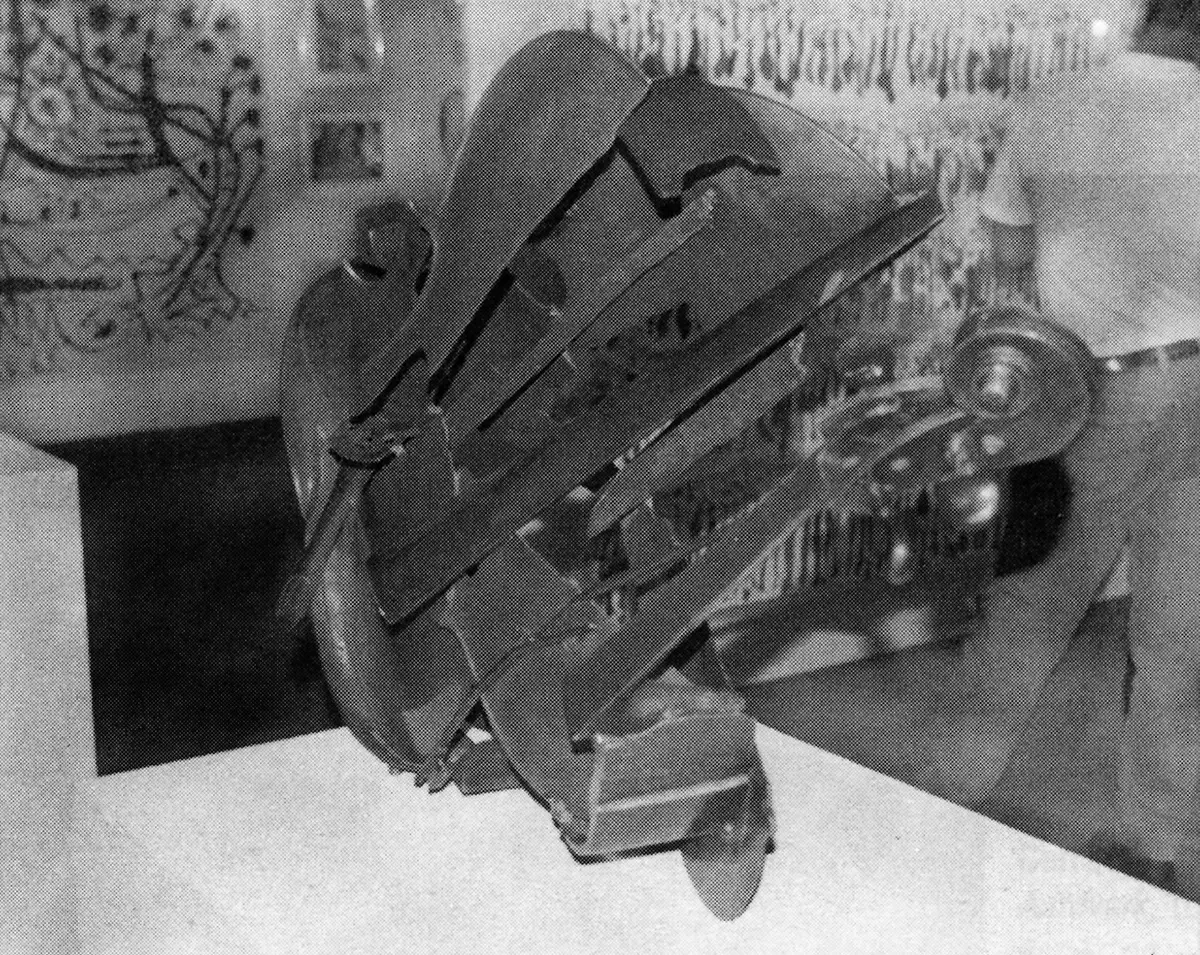
The exhibition was complemented by a series of works based on computer technology. Indeed, this year’s fair included the second edition of the "Techno-Fia", which was particularly attractive and successful. Artists with solid careers behind them, such as Ricardo Benaim, Nelson Garrido, and Pedro Morales, broadened their aesthetic proposals by generating and intervening on computer-produced images. Another group of young artists, including Matías Pintó, Ricardo González, and the group known as Escuadra Sudaca (Iván Larraguibel, Alejandro Rebolledo, and Joaquín Urbina) reaffirmed their interest in the aesthetic potential of technology.
The list of artists was completed with the names of two others, the recipients of a special homage at this edition: the Venezuelan Manuel Quintana Castillo and the Brazilian Daniel Senise.
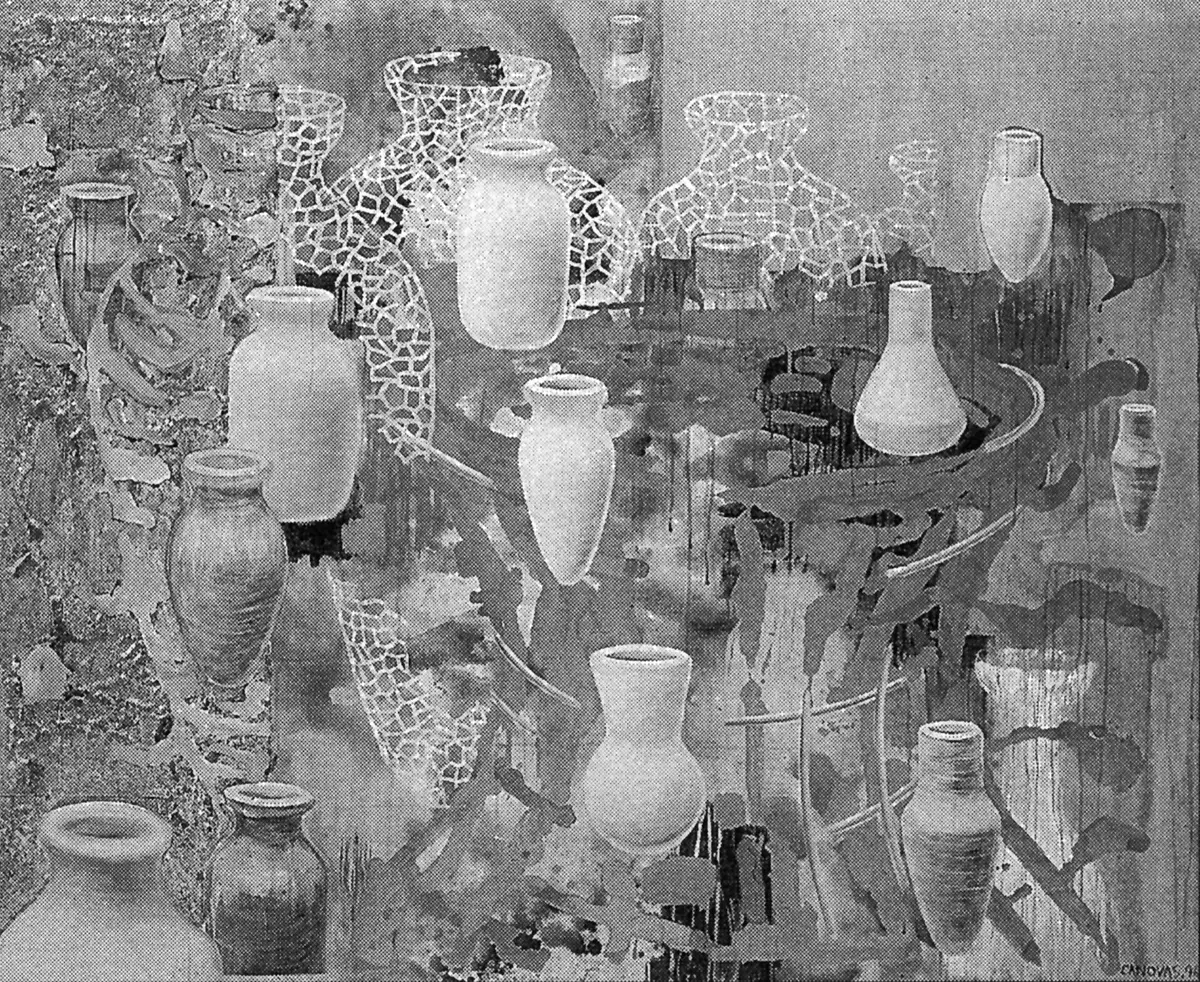
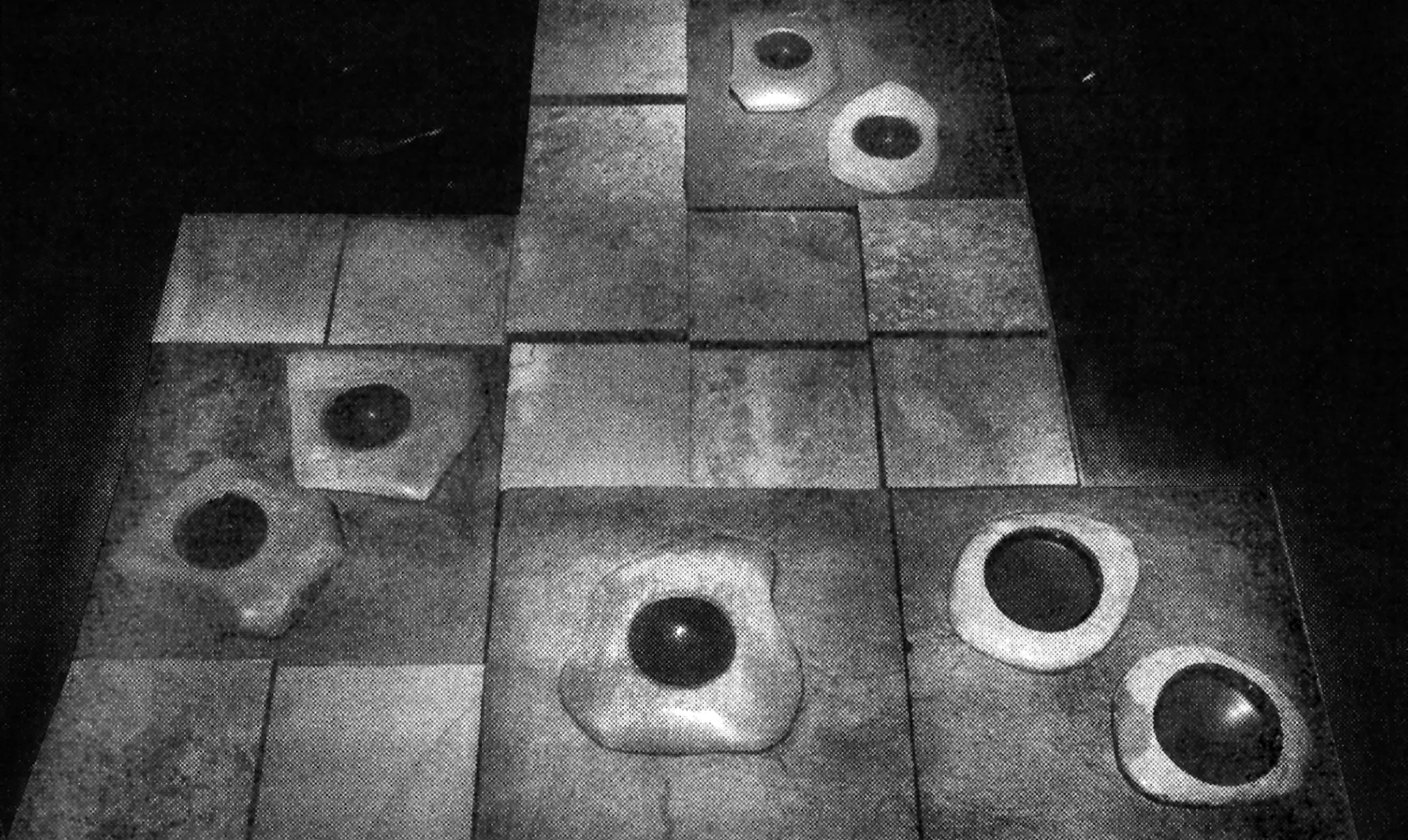
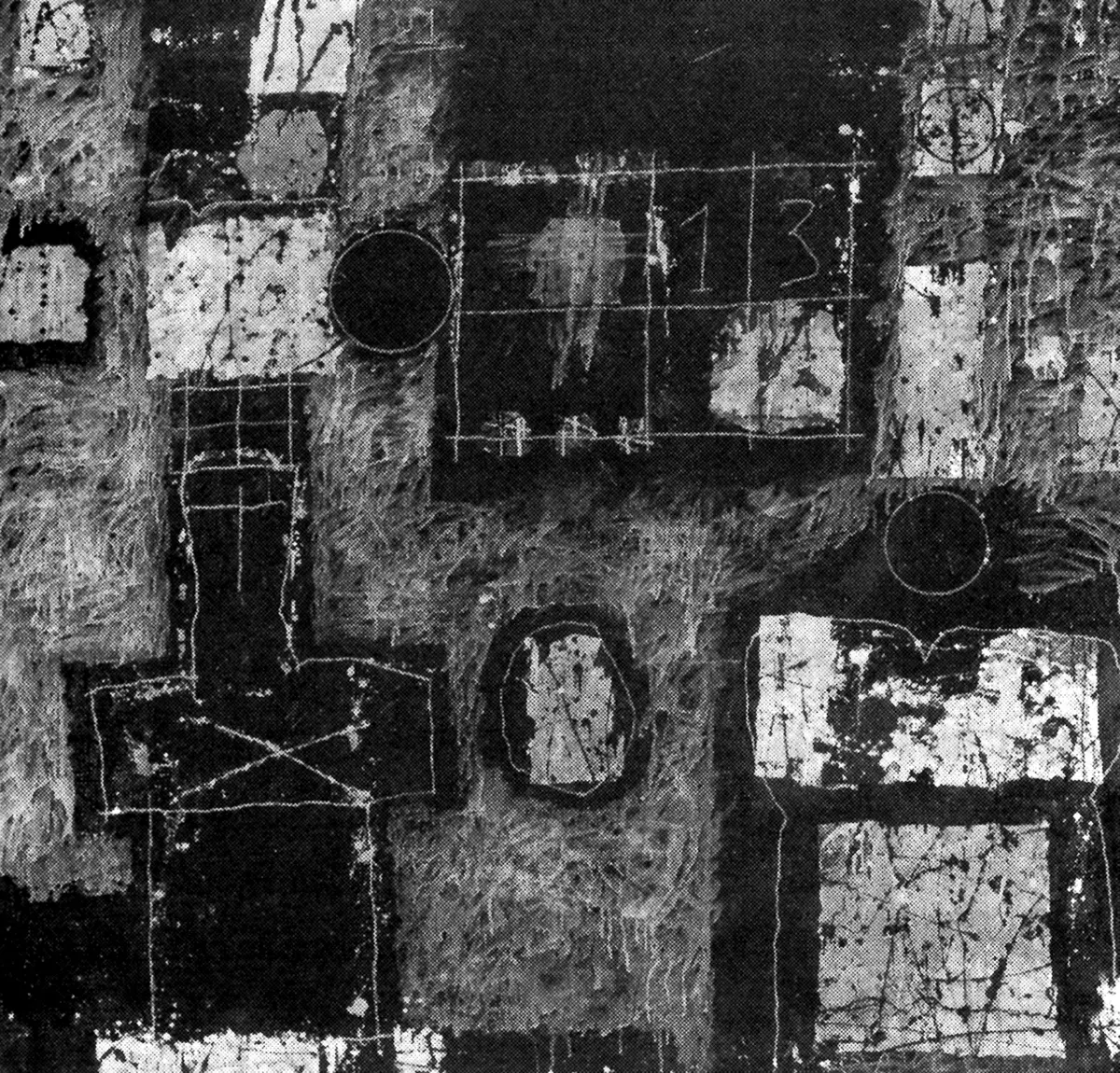
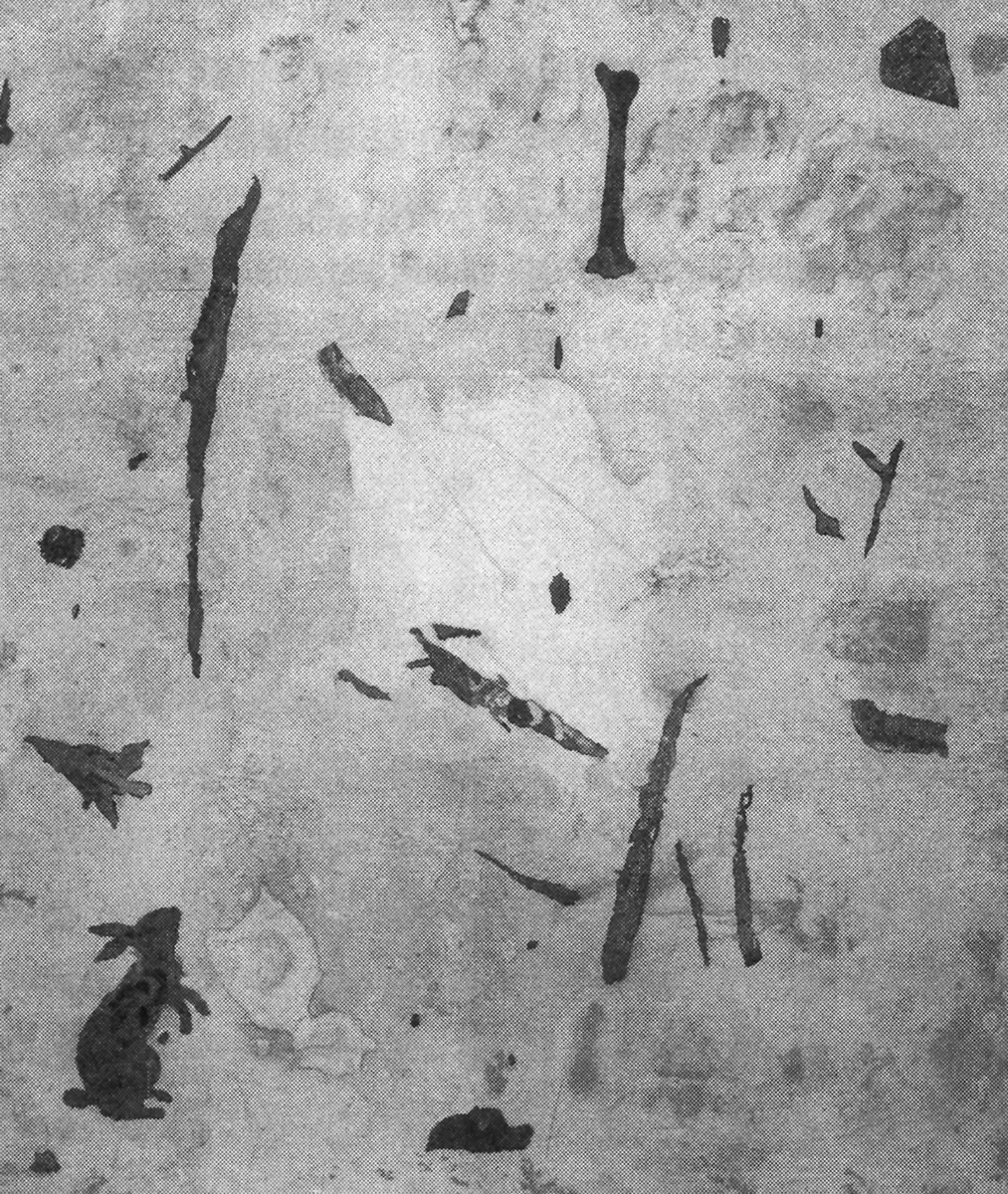
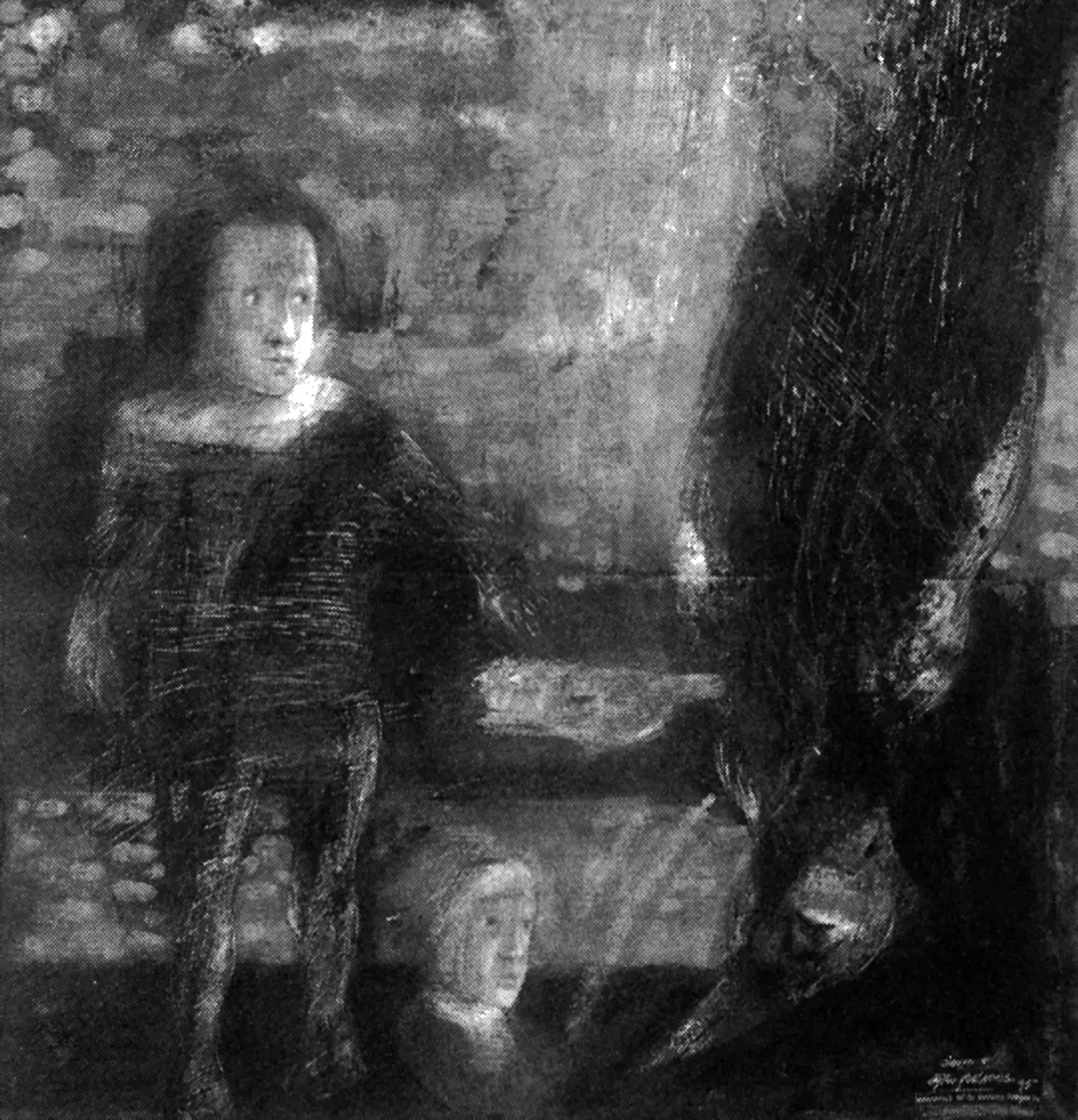
The special invitation extended this time to Manuel Quintana Castillo met with the full approval of the artistic sector in Venezuela. This is understandable in the light of the intellectual and ethical qualities of the artist, who is one of the most important masters in Venezuela. This homage by the FIA followed on other major tributes which have highlighted his protagonist’s role, including the anthological show Hors Concours organized this year by the Alejandro Otero Museum of Visual Arts (MAVAO) and a small-format show entitled Talismans at the Muci Gallery. In March, the artist won the Armando Reverón Prize, which is awarded by the Venezuelan Plastic Arts Association (AVAP). The courageous and unobtrusive work of this artist is beginning to acquire a lasting kind of universality. The FIA also paid homage to the Brazilian Daniel Senise, who, despite his youth, is already widely recognized at the continental level, winning the Gold Medal this year at the First Latin American Biennial of Art on Paper. There were five of his works at this edition of the FIA, presented by two galleries- Thomas Cohn and Camargo Vilaga.
Mention should also be made of the attention given to the new information media at this edition, with a demonstration of the possibilities offered by computerized data transmission in the case of the FIA in particular and art in general. By means of six terminals and a large screen, visitors could access the cyberspace world of the Internet, with information on the exhibitions currently being presented by the leading museums in the world, the representation of galleries, auction results, as well as details of the works on offer at the FIA, and on the participating galleries. All these possibilities were available thanks to the collaboration of the CompuServe of Venezuela company, which was represented by its enthusiastic director, Walter Frieder.
The fair also included the presence of the most important art journals and publications throughout the continent, each of which had its own stand. They included ArtNexus (Colombia), Estilo (Venezuela), Lápiz (Spain), Arte al día (Argentina), Poliester (Mexico), and Trans (United States).
A final word should be added concerning the various moments in time of a work of art: one is that of its preliminary conception, another concerns its specific technical resolution; then there is its exhibition and promotion, its critical appreciation and the time of its prolongation in the individual or collective memory of a people or epoch. Of course, art fairs play a part in this process, since they provide a major setting for a work’s resonance. A fair is always an event of many dimensions. It is at the same time a place for showing the enormous variety of artistic expressions, a place of promotion and communication, an open window to discovery, and a collective opportunity to express our support for art. But a fair is also a place for showing that art is a spiritual need, which can allow us to plunge into the living sensibility of people. The FIA was created in full awareness of this process, and it is this awareness that has allowed the five editions to make Caracas into the "Gallery of the World.”
VÍCTOR GUÉDEZ