
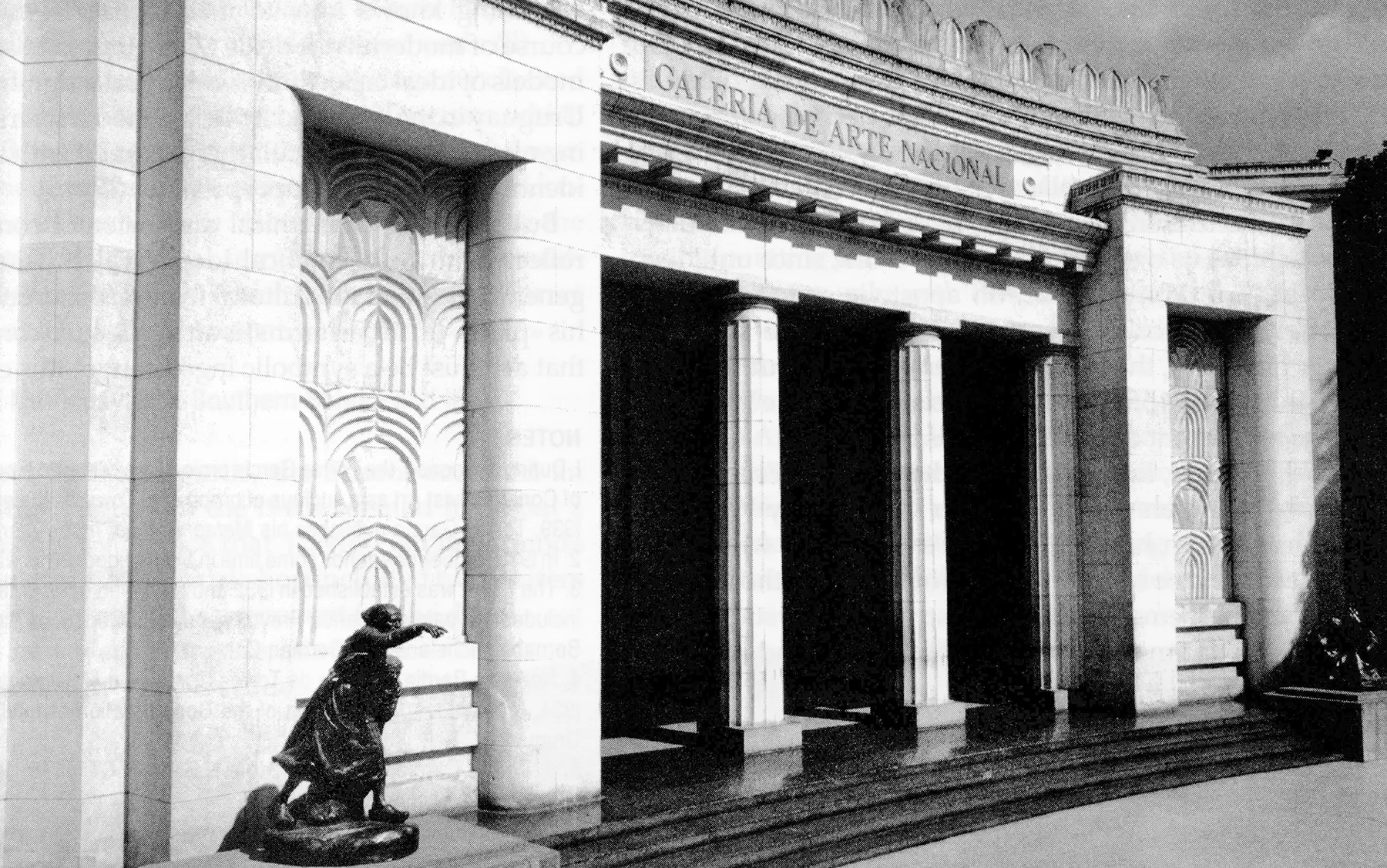
With this title and a very full program, the National Art Gallery (GAN) celebrated its twentieth anniversary last March. When the Gallery was established in 1976, Venezuela was a country enjoying unprecedented economic growth in Latin America, making it a fully developed country.
In this political, social, and economic context, all kinds of cultural projects were undertaken, and never before had the theater, film, or the plastic arts enjoyed such a bonanza. The National Art Gallery was one of the products of this cultural policy.
The GAN, as the Gallery is affectionately known, opened its doors to the public in April 1976, following its establishment by decree in 1974. The initiatory efforts to found a museum for Venezuelan Art aroused the enthusiasm of Lucila Velázquez, who, together with a group of artists and intellectuals, saw it as a priority to provide national art with a proper space. This idea was brought to reality once Miguel Otero Silva, Alejandro Otero, and Manuel Espinoza —the latter, director of the gallery since its foundation in 1984— assumed the challenge of getting this mission started. For many, the opening of the gallery marked a necessary museistic option, since at the time the only other institution showcasing national and international art was the Museum of Fine Arts. In the statutes of the institution of the GAN, the Museum of Venezuelan Art is referred to as a democratic museum in which any artist of recognized status could present his or her work. Thus, during the early years, several exhibitions were presented by artists who had never before had such a place at their disposal for showing their work.
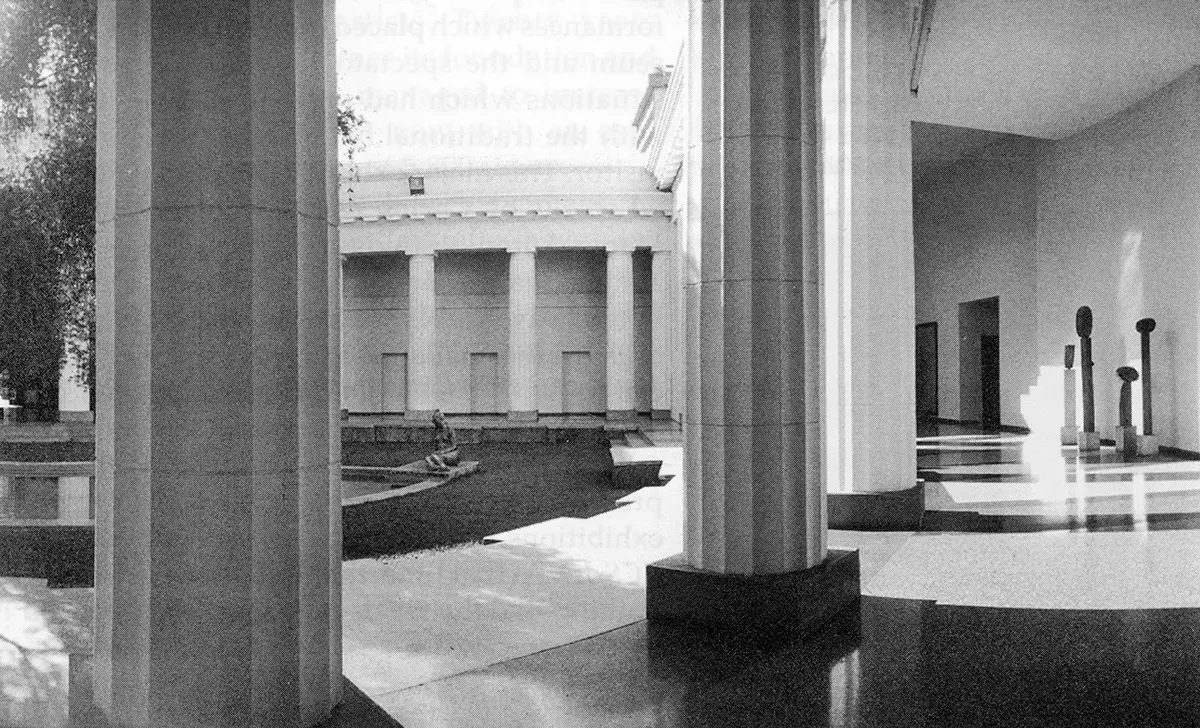
The GAN set out to study Venezuelan art of all periods, from the earliest aesthetic expressions of our ethnic groups down to contemporary art.
The institution was famed for its distinctive organizational structure, which served as a model to the institutions within the country and abroad. This structure consisted of some sort of interdisciplinary team, guided by its director, chiefs, researchers, conservators, restorers, museologists, museographers, graphic designers, and workers. The decisions on exhibition programs, publishing, and other important activities were taken within a consultative council, in which the director and plain worker had equal powers. It was in these early years when the gallery set forth its signature style, differentiating itself from any other museum in the country.
The Gallery has dedicated considerable efforts and human resources to museological development through a very comprehensive and complete program of exhibitions. Another means through which the GAN projected itself was the organization of an editorial body where catalogs of excellent quality were elaborated, many of them nonnational and international awards. An edition of the artists' monographies was issued, and a compilation of texts and essays was carried out. Perhaps the most ambitious project during these early years was the compilation of a Dictionary of Visual Arts—although unfortunately, the work was not a success, since it lacked a precise methodology and the necessary advisory services for the preparation of appropriate guidelines in each of the specialized areas covered.
Following the departure of Manuel Espinoza, the Gallery was affected by a series of economic adjustments and reorientations which created instability in its human resources. Of all the events that characterized these years, the most difficult was the reduction in funds which until then had allowed the Gallery to meet its commitments in terms of programs, exhibitions, and publications. The situation reached a crisis point in 1986 when Michelle Arias Bernard took over as director. The scant funds available to the institution, coupled with its lack of clear objectives, led to the disappearance of that paradigmic presence that had hitherto characterized the work of Gallery. In 1989, following a change in management (Luis Miguel La Corte became its director and Rafael Arraiz sub-director), the GAN managed to gain new strength, with a more dynamic program of activities reflected in the curatorial challenges undertaken (in such exhibitions as Cartographies and Cosmogonies, curated by Luis Angel Duque and The 80s. Panorama of the Visual Arts in Venezuela). In 1989, the Gallery became a State Foundation, a new status which enabled it to receive additional funds to those assigned by the Government. The potential advantages were substantial, although the economic crisis prevented the institution from reaping the anticipated benefits. The GAN and other museums, theaters, and cultural bodies, in general, faced the same problem: they could launch fund-raising campaigns, but the private business sector itself was as badly hit as the public sector as regards incomes and profits. In 1993 Clementina Vaamonde de Roosen was appointed President of the Gallery and together with its new Executive Director, Rafael Ángel Romero Díaz, maintained the guidelines that had been established by La Corte, although the financial situation deteriorated further at the end of 1995 and in 1996. Paradoxically, the Gallery has managed to emulate the work of its early years and has managed to establish an excellent team of museologists, museographers, curators, research workers, and educators, most of whom were in their career formation stages but all presented promising futures in each of the areas they were specialized.
Despite how young the institution was, right from the start in its first years, the GAN has set out to trace guidelines while establishing itself as the axis of quarrel and confrontation. The one-man shows as Anonymous Photography of Venezuela by Claudio Perna and The Premise is to doubt by Héctor Fuenmayor, group exhibitions such as Guarairarepano, Exploration of the Image, Bicentennial of the Birth of Simón Bolívar, prove the point. And more recently, The 80s. panorama of the Visual Arts in Venezuela, CCS-10, Otero, Soto, Cruz Diez. Three Masters of Abstract Art in Venezuelan Art, Acquisitions 1976-1996, as well as monographic exhibitions such as Armando Reverón at the gallery and subsequently shown in Madrid and that of painter Bárbaro Rivas. As regards publications, examples include the General Catalog of the Collection of Paintings, Drawings, and Prints of the 19th Century, the result of two years of research on the most important collection of nineteenth-century works in Venezuela, the book entitled Veinte años por el arte venezolano and the catalog Reverón en Madrid, with excellent texts by Manuel Arroyo, Luis Pérez Oramas, have all contributed widely to the study and proclaiming of our artists and their work.
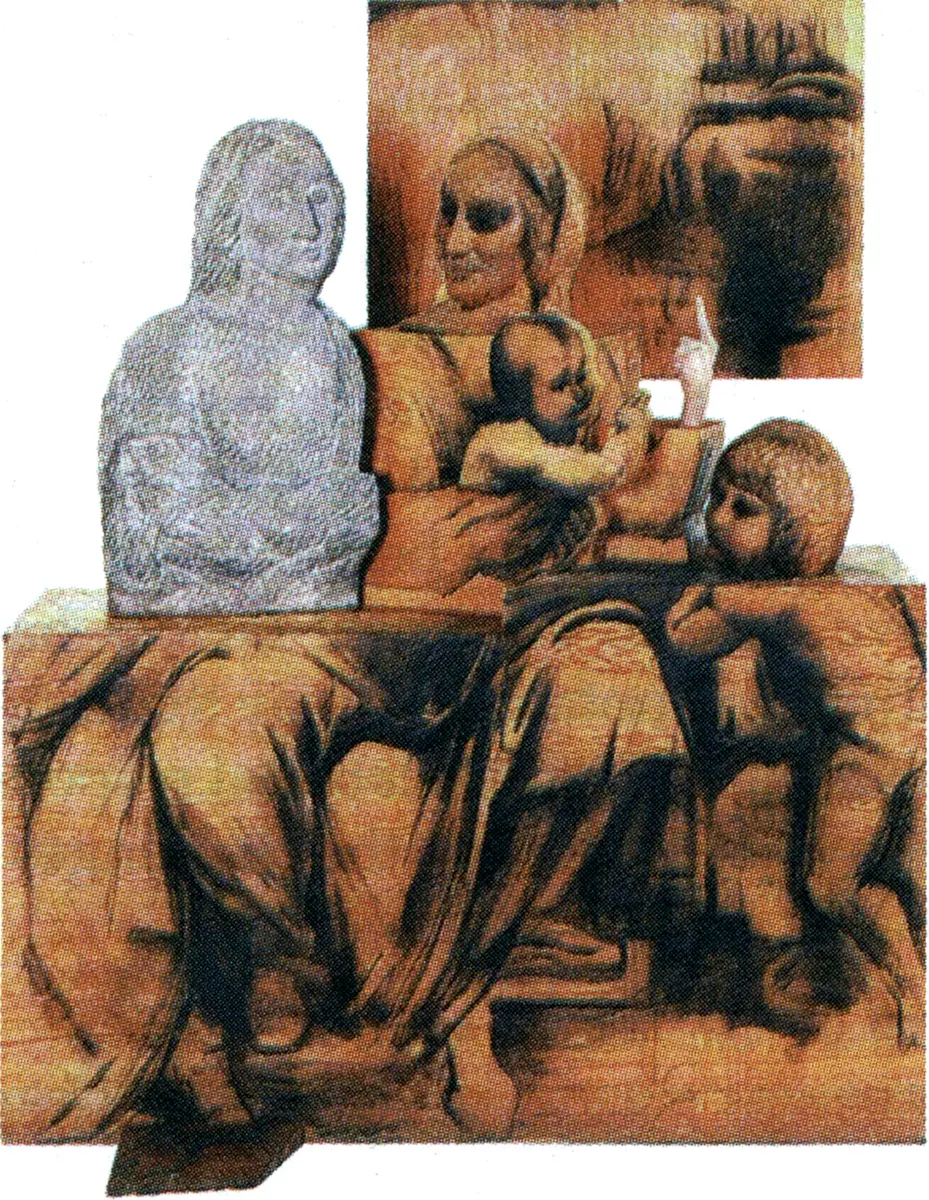
Summarizing the three key moments of the presence of the Galería de Arte Nacional through analyzing three exhibitions considered in their time as landmarks, would be helpful to conceive how economic factors have influenced notably the way this museum assumed its educational responsibility, not excluding the challenges in research and exhibition that have characterized the history of the GAN. In 1979-1980, the Gallery presented an exhibition entitled Exploration of the Image (Figure, Context, Object), consisting of an anthology of three centuries of Venezuelan art, and which offered a review of pictorial developments from the time of the first realistic works of the colonial period down to the expressionist works of the 1960s and later. When this show was presented, the GAN had a very substantial budget, allowing it to maintain a large number of staff in the areas of museography and design, including a team of graphic designers, three-dimensional designers, architects, museographers, etc. In the same way, the Publications Department included such major figures as José Balza, Humberto Mat, and Rafael Arráiz, as well as the services of outstanding figures from the world of art criticism. The show, organized by the Director at the time Manuel Espinoza, was carefully researched in its various aspects. But it was perhaps in terms of museography that the show proved to be the most impressive at the time. The montage was of a very new kind, which included the incorporation of elements from outside the museum. The show presented a wide range of images, references, and situations at the limits of the museum—a process that reached a climax in the section entitled “Biped Art”, the new generations offered the public a repertory of actions and performances that placed both the museum and the spectator in extreme situations which had nothing to do with the traditional behavior of the visitor. This major exhibition included works by Carlos Zerpa, the late Marco Antonio Ettedgui, Pedro and Amber Terán, amongst many others. In this way, the National Art Gallery took up the challenge of giving official backing to a kind of art that in Venezuelan was seen as anything but art. Thirteen years later, the GAN presented one of the most polemical exhibitions of recent years, entitled CCS10. At that time, the Gallery had nothing like the funds or human resources that it had enjoyed back in 1979. The show, curated by Álvaro Sotillo, posed a major challenge to the institution, as well as to the curator and participating artists. Recourse had to be made to external financing since the costs of each installation were very high; in addition, there were the travel costs of the artists, most of whom were residents in New York. Many people enjoyed the show, seeing it as a coherent, well-structured event that was both daring and moving; however, most visitors saw it as a joke played on the public and were unable to understand what was being proposed or the kind of investigation being undertaken. For the GAN, it was a great challenge, in museological and museographical terms, to provide the ten artists with ten spaces that could be re-interpreted, re-arranged, and re-read; this was particularly the case with the installations of José Antonio Hernández-Diez and Héctor Fuenmayor, who used organic materials in their work. Or challenges related to the human potential of the workers of the gallery. The installation by Sigfredo Chacón, Dalmatian Reticulum, was so heavy that it required all the male staff of the Gallery to set it up. For the first time, a work was constructed in the exhibition space which was totally extracted from its original context, the ranch of Meyer Vaisman, which caused bewilderment amongst the Gallery's workers as well as most of the visitors. The exhibition included a very economic kind of publication, with critical texts and the curriculum vitae of the participating artists, along with an anthology of reproductions highlighting the main proposals of the artists. There remains the project for publishing a book, with photographs by Ricardo Armas of each of the ten installations, a text by Luis Enrique Pérez Oramas, and biographies by Isabella Santander.
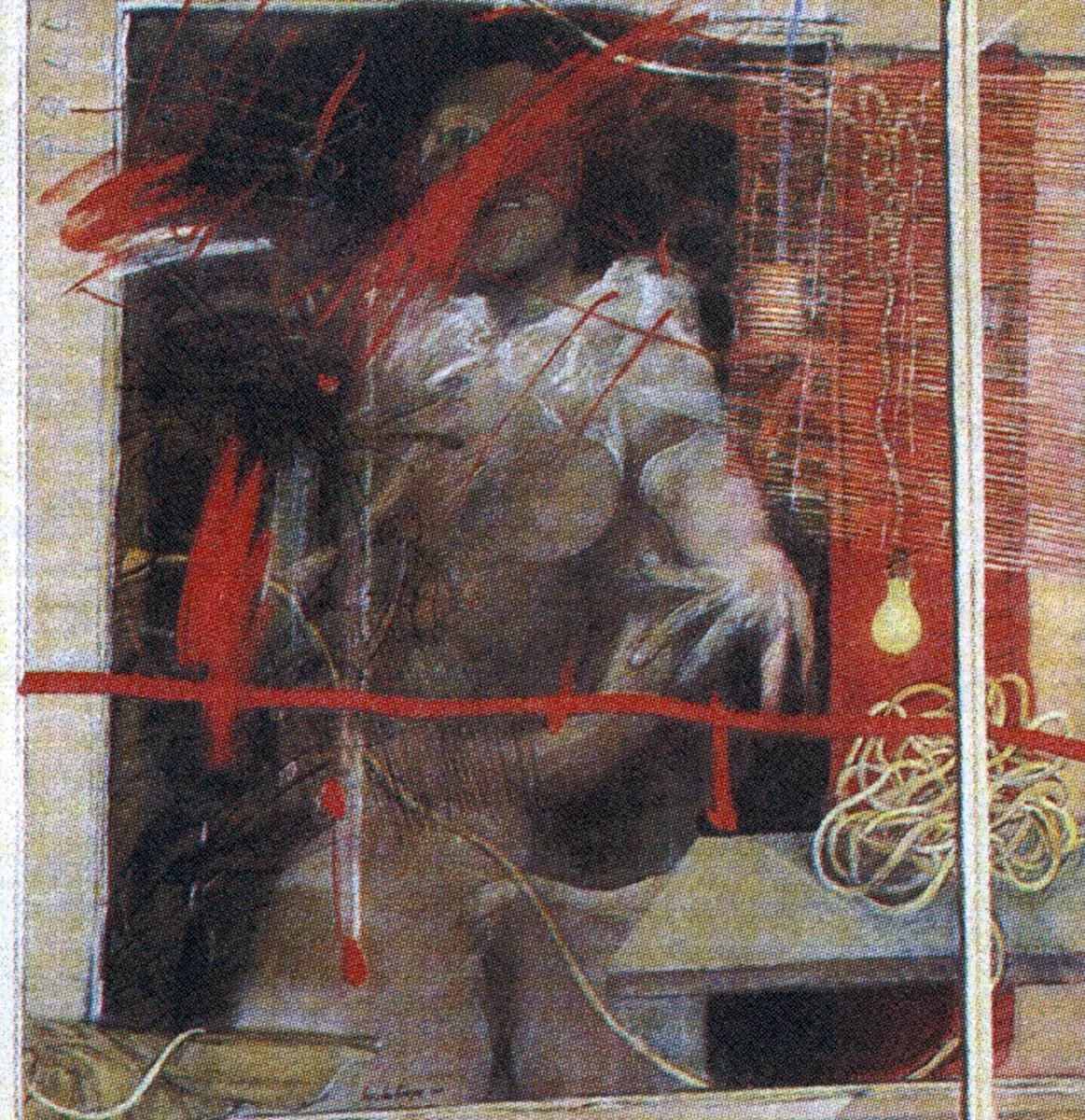
The GAN is now experiencing difficult times, although this has in no way compromised its commitment to pursue its original objectives. Of course, it has seen a significant reduction in its capacity to produce catalogs for its exhibitions. However, this year, as part of the celebrations marking its twentieth anniversary, its President, did manage to finance a book, with the help of the Mayor of Chacao, which traces the history of the institution and includes essays by Rafael Arráiz, José Balza and Rafael Ángel Romero Díaz, with illustrations of many of the works acquired since the foundation of the Gallery, and an exhaustive chronology by Cruz Barcelo, with details of the exhibitions presented, acquisitions and major events in the life of the Gallery. The book, which was designed by Juan Carlos Fernandez and carefully printed by Editorial Arte, was launched in March to coincide with the show Twenty Years promoting Venezuelan Art. Acquisitions 1976-1996, which presented a selection of 140 works, selected from a stock of some 5,800 works held by the Gallery. The show, which was mounted in a very austere manner, offered the visitor a brief but extremely rich overview of the history of local art, from the colonial paintings down to the most audacious proposals of our youngest artists.
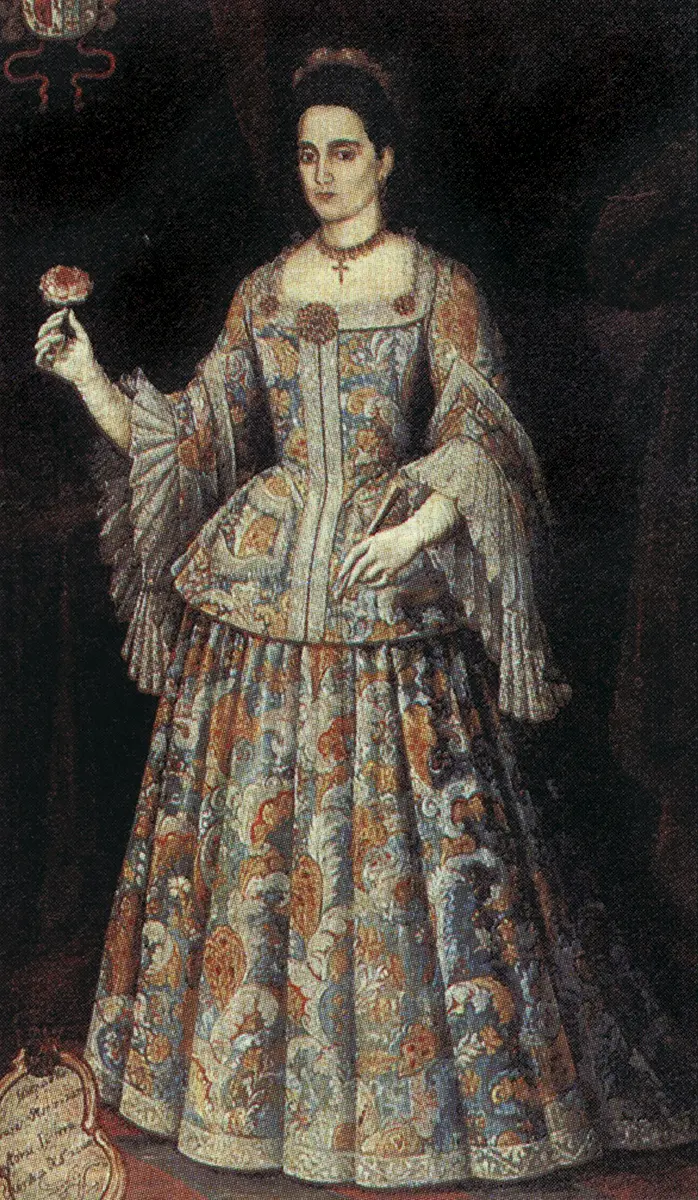
The second stage of the exhibiting programming of the celebration of the Twenty Years of the GAN was initiated with an exhibition of the works of Juan Pedro López, painter, and gilder active during the time of the colony. The show curated by the director of the Museo de Arte Colonial de Caracas, Carlos F. Duarte embodied half of the exhibiting spaces of the gallery. Throughout the course set by the curator, we are presented with a vast painted production of López, abundant in religious subjects-themes. Virgins, archangels, and apostles, all are sort of staged, set to make us remember the interiors of our colonial houses. The walls, covered by a spray inspired by the wall decoration of the time, play as background curtains to the paintings and retables of Juan Pedro López. In a similar fashion, the floor plan of the house where the artist was born displays a view of colonial Caracas, and a wall photograph of the high altar of the church of San Francisco, where can be found most of the works of importance of López. The museography of the show is by its own curator Carlos F. Duarte. López was discovered by Alfredo Boulton, who introduced for the first time, in 1963, the work of the artist in an exhibition. However, due to the important work of Carlos F. Duarte, we now know almost in its entirety the production of López, as well as events related to his life and works.
A review of the Galería de Arte Nacional will be incomplete if we fail to mention the work of the Acquisitions Committee. Created in 1989, this branch of the gallery is responsible for studying and advising the Directive Council on offerings of acquisitions and donations of works of art presented to the institution. However, since the foundation of the gallery in 1976, any acquisition plan has been implemented, focused on increasing the estate inherited from the Museo Bellas Artes at the time, consisting of 789 works by Venezuelan artists. Twenty years have passed since its foundation, and the GAN has managed to increase that patrimony, now with an estimated number of 5.800 items.
In that sense, the achievements of the Acquisitions Committee have been relevant, based on the study of the permanent collection, set out by the Research Department, that branch has launched a campaign intended to fill the gaps present in each of the periods that divide the patrimony. Especially the areas covering the 19th century, a period that until 1972 counted 223 items —including paintings, drawings, and prints— has benefited from doubling that number to 437 —including photography, as well as the entering of priceless paintings by European masters that visited the country throughout that century.
To brief the achievements of the Galeria de Arte Nacional in this first year of existence, as well as its prominence in the cultural context of the country, urges us to think about the need, that for so many years has been pointed out, concerning the acquisition of its own headquarters, so that the gallery may show its permanent collection in a more balanced way, and at the same time, to be able to present an exhibition program richer in periods, languages, authors. In a similar manner, this new space would allow, among many other benefits, better storage of our heritage, research, and educational workshops, and adequate areas for the design of exhibitions and publications. It is a demand, fair in all terms, for a museum that has been and will be an obligatory reference within Venezuela and abroad.
* Photos courtesy of the Galería de Arte Nacional.
ANA TAPIAS
Venezuelan art critic and historian. Based in Caracas.