Thirty years after the establishment of the National Encounter of Young Artists (previously known as the National Competition of Students of the Plastic Arts), the first Salon of Winners has been recently inaugurated. The show has gathered the recent work of 41 artists who have won prizes during the course of the Encounter.
Although the initiative is a response to the justified need to evaluate Mexican artistic production, the results prove to be far from satisfactory. Despite the affirmations of Raquel Tibol, curator of the show, about "the plurality of artistic techniques, styles, tendencies and genres" which have characterized the work of young artists in the country, the show reflects a clear imbalance between the various categories represented. Although there are many examples of paintings which has aged prematurely, of the artists selected, only six are sculptors, two work in photography, and only one in printmaking.
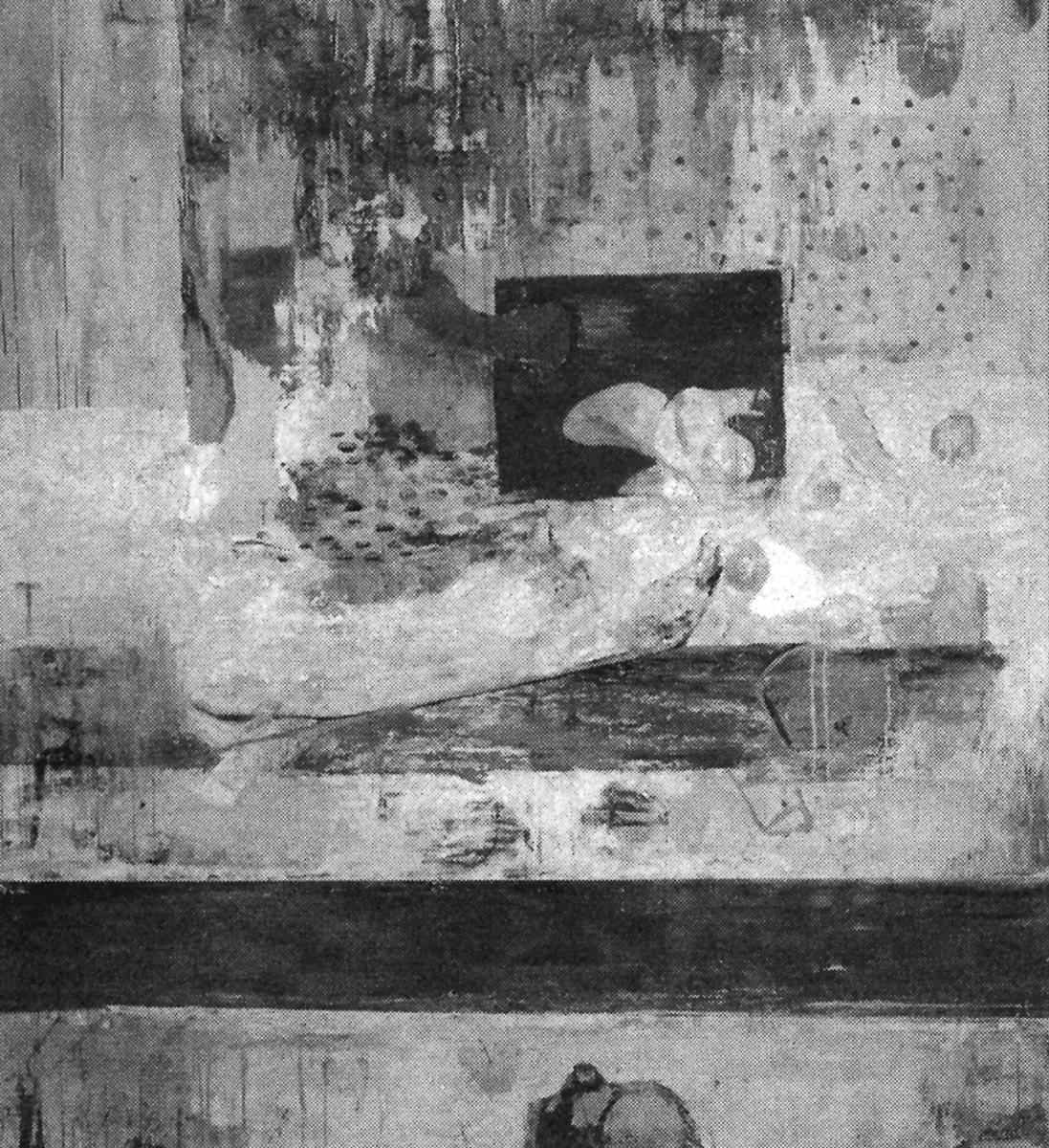
We are confronting thus a proliferation of painting of a facile and excessively conventional kind, from the retrograde still lifes of Elena Climent and the landscapes and Mexicanisms of Roberto Real de Leon, to the tiresome and unsuccessful mannerism of Uriel Parker and the insipid series entitled Obsidian Kiss by Eloy Tarcisio.
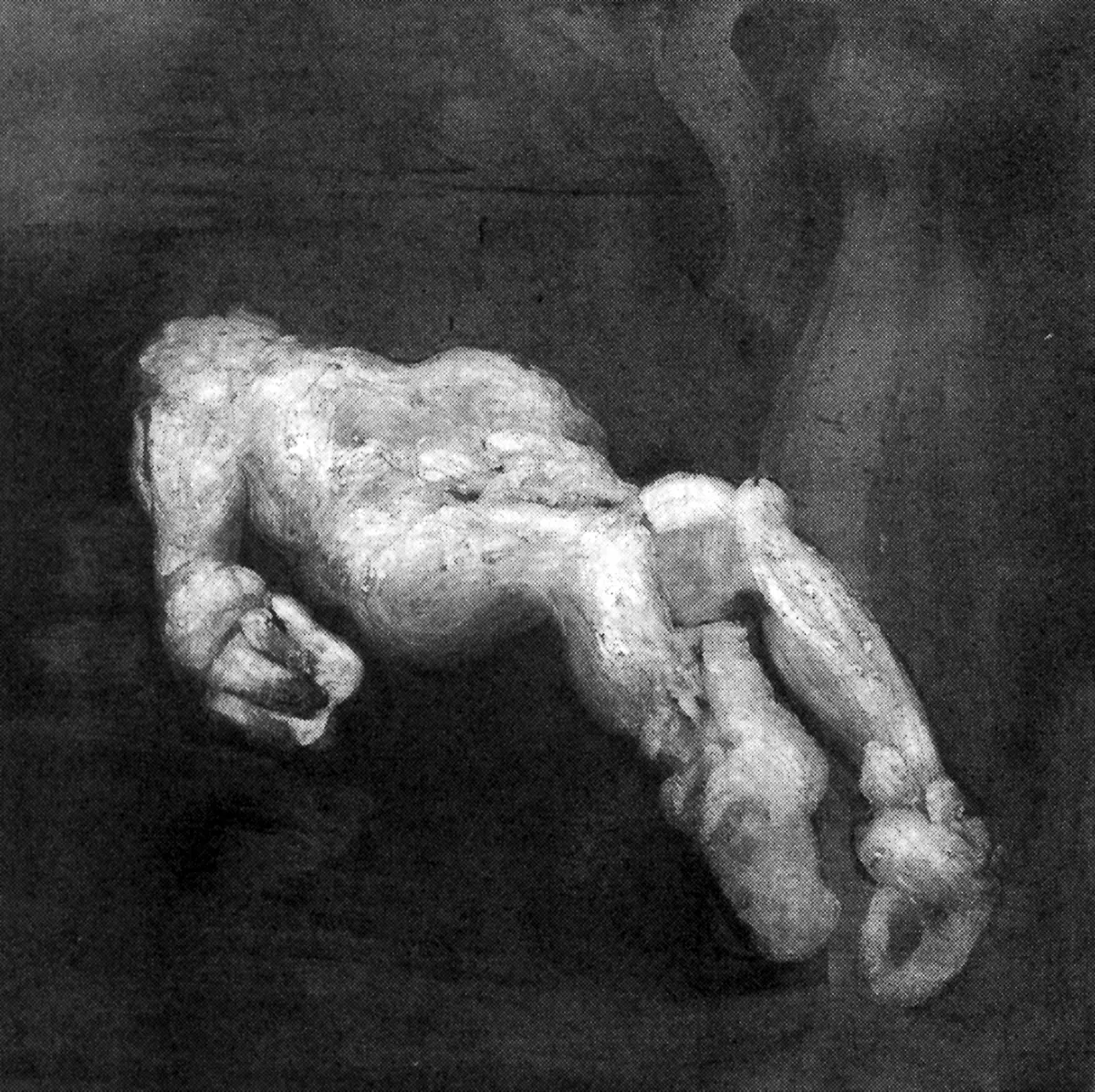
Except for the rich and profound work of the Oaxacan artist Sergio Hernández, which has been justly praised, there are few outstanding examples by well-known painters. Mention might be made of the abstract pictures by Irma Palacios and Alfonso Mena Pachecho, and the vigor of the work by Estrella Carmona and Luciano Spano, who, within a figurative, expressionist, and to some extent "traditional" line, have forged their own style. At the same time, there are other artists who, although they have shown great talent and pictorial quality, now seem to offer little freshness in their proposals. This is the case with Boris Viskin, with his recurrent uninhabited and inhospitable spaces, and German Vanegas, who, after achieving a kind of exacerbated expressionism incorporating sculpted wooden figures into his pictures, has moved back to two-dimensional formats of a lukewarm, tranquil kind.
As regards photography, the images by Armando Cristeto presented in the Hollywood Memorial put on stage the prototype of the frontier figure arrogantly holding a votive offering; recurring to a theme which remains topical, the artist illustrates the clash between the stereotyped symbols of popular culture. Within a more formalist line, there are the Escher-like compositions of Victoria Blasco, refractory photographs which, through the same image, explore the ad infinitum reproduction of geometrical forms. Dated 1981, these works can hardly be seen as representative of Mexican photography since, according to the artist’s curriculum vitae, Blasco seems to have been devoted almost exclusively to curatorial work over the last ten years.
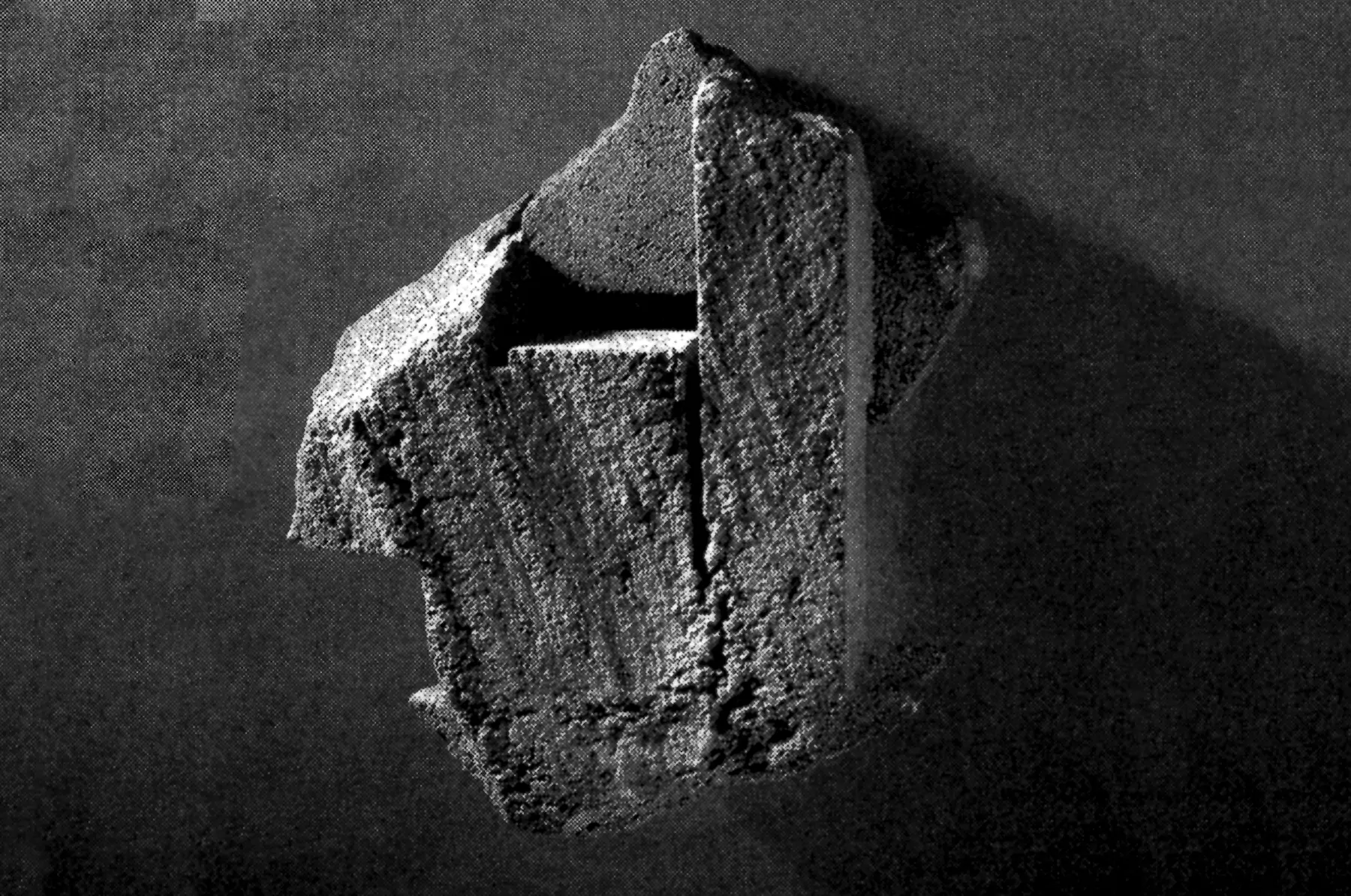
Sculpture has been represented only by abstract work. Among the geometric constructions in painted steel by Jesús Mayagoitia and the bronze pieces by Gabriel Macotela, special mention must be made of the works by Jorge Yazpik, real architectural pieces in volcanic stone, whose inside and outside transform themselves, according to each new angle. As for the other artistic media, such as installations, which have been recently included in this kind of event, they seem to have been ignored by the curator. When Raquel Tibol writes that "the entries began to show work of a more propositional, experimental and audacious kind,” and that "the renovation of the platform on which such convocations were based resulted in an aesthetic renewal," one wonders what kind of renovation she is talking about. If she had clarified her selection criteria in the text published in the catalog, which accompanies the show, the curator—who has been a jury member seven times in the last twenty years— might have offered a constructive conclusion about the directions in which the artists have moved in recent decades. However, she offers only an anecdotal account of the organization of this first Salon of Winners. In such a context, you have a sensation of disorientation. It remains to make clear if this is a rather unadventurous kind of art promoted by the "official" institution, or whether someone should answer for the lack of quality in the work presented by the participants themselves.
MAGALÍ ARRIOLA