
At the auctions of November 1995, everyone expected a drop in demand due to the economic crisis in the main Latin American collection centers, such as Mexico and Venezuela. However, the auction houses managed to counter the so-called "tequila effect" with an interesting strategy directed towards the alternative markets and by presenting specific works intended to achieve particularly good results. For a time, there was even talk that the worst was now over.
But this was not the case. The curious thing about the New York auctions last May was that for the first time, there was a feeling of crisis, but paradoxically generated by the supply side. There was a widespread conviction that in the current international climate, it was better to wait rather than to place important works on a market which was both unstable and unpredictable. The catalogs were thus much less attractive and the salerooms much less frequented than usual. Sotheby’s issued only one volume with 232 works, while Christie’s decided not to publish an additional catalog for its East Side headquarters, including in the second volume the lesser works and Haitian paintings, to make a total of 297 works. There was an overall combined reduction of some 32% in the number of lots as compared with November. Overall sales fell by a similar percentage, reaching just 13.4 million dollars, including commissions.
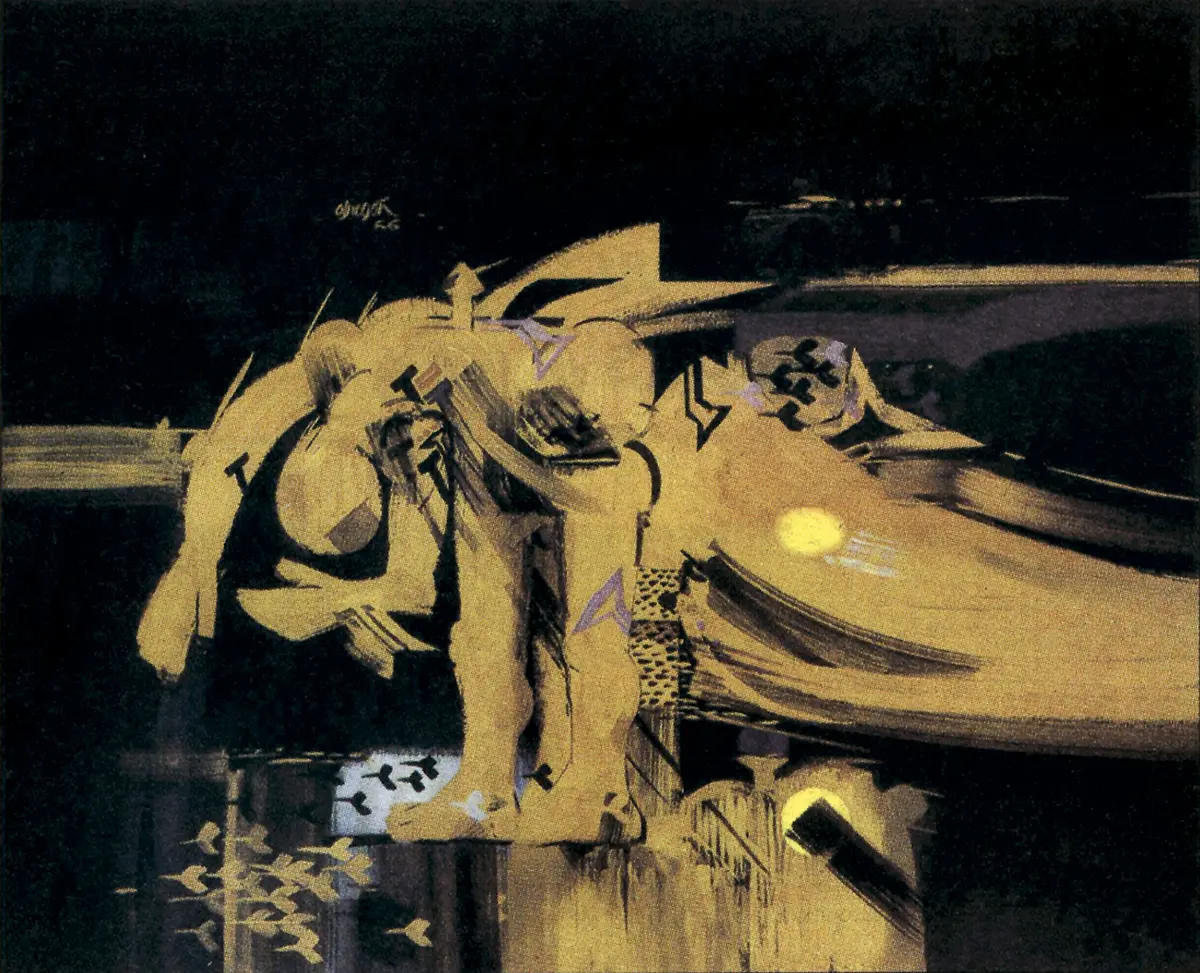
It was therefore to be expected that the main surprises were those of works sold at very low prices. For example, Icarus and the Wasps, by Alejandro Obregón, a large format oil work which won the Prize at the São Paulo Biennial in 1967, was sold at Christie’s for
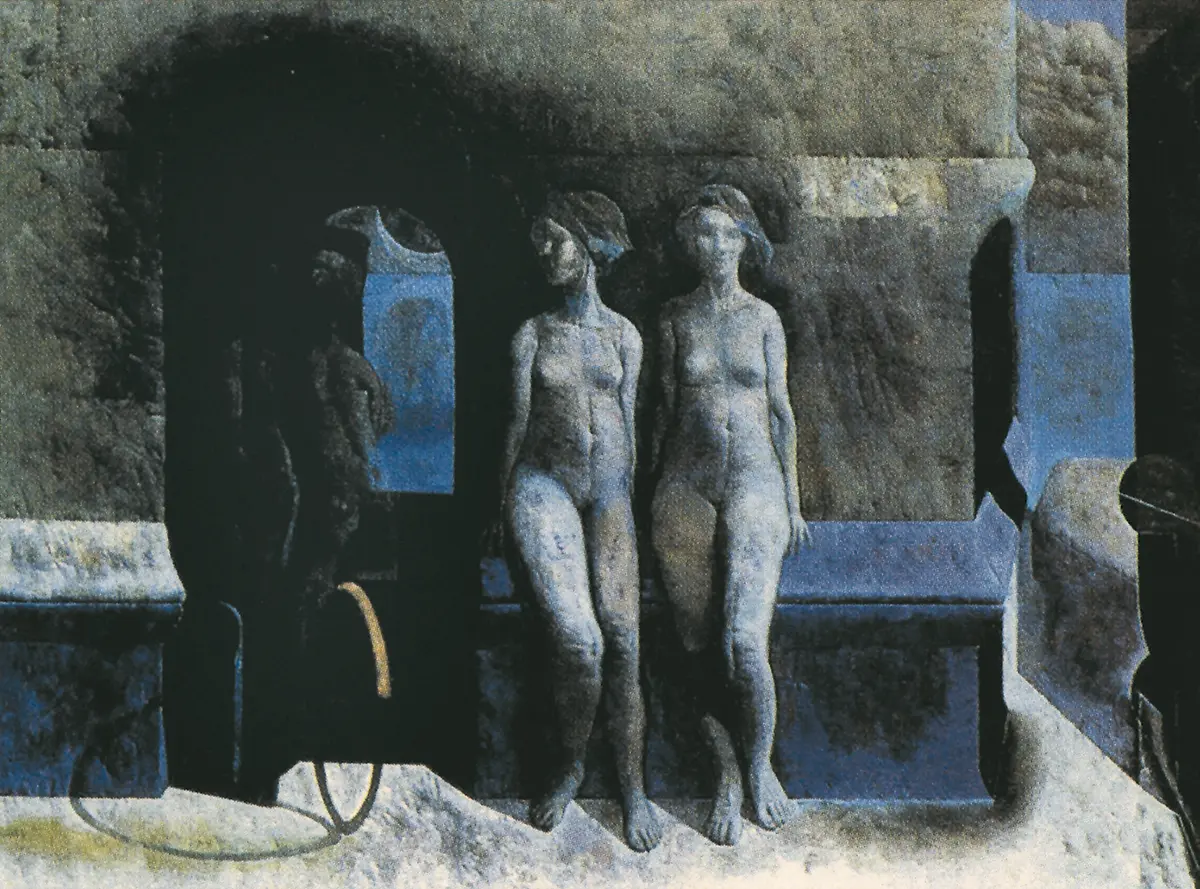
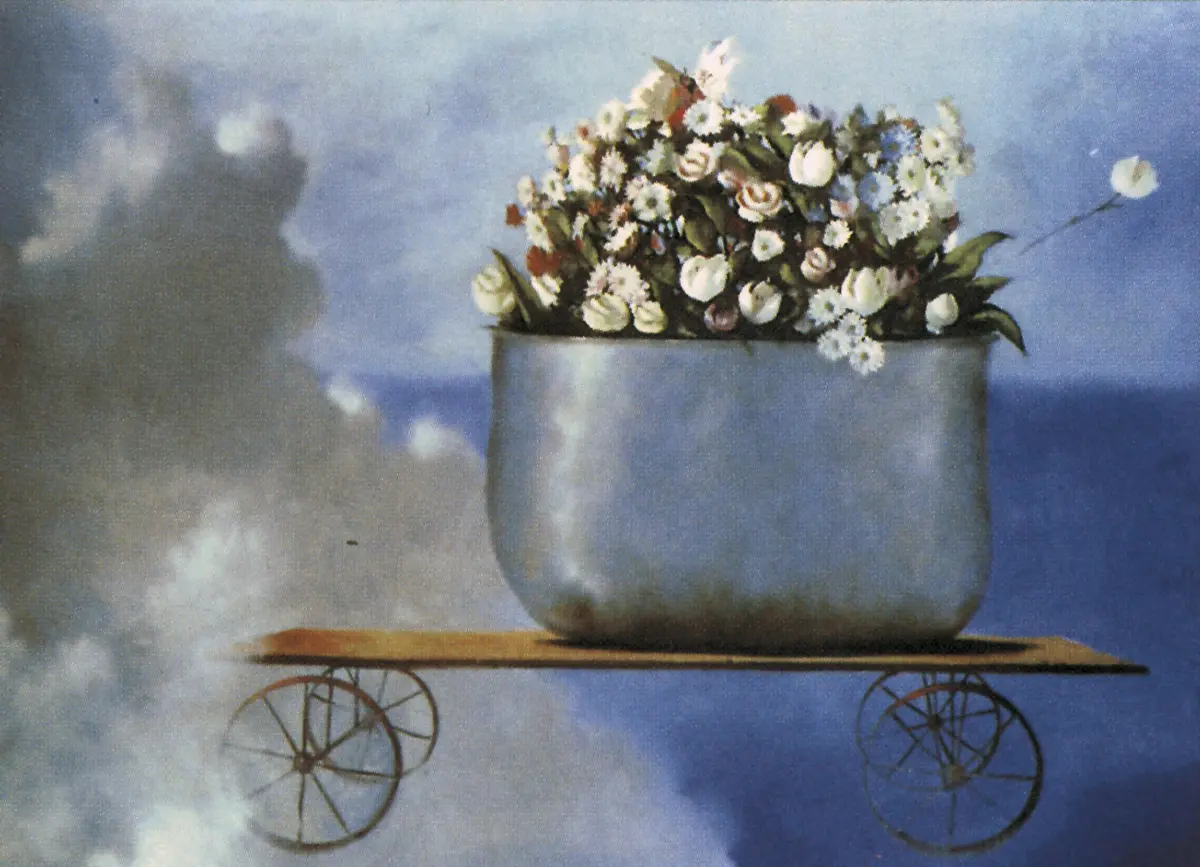
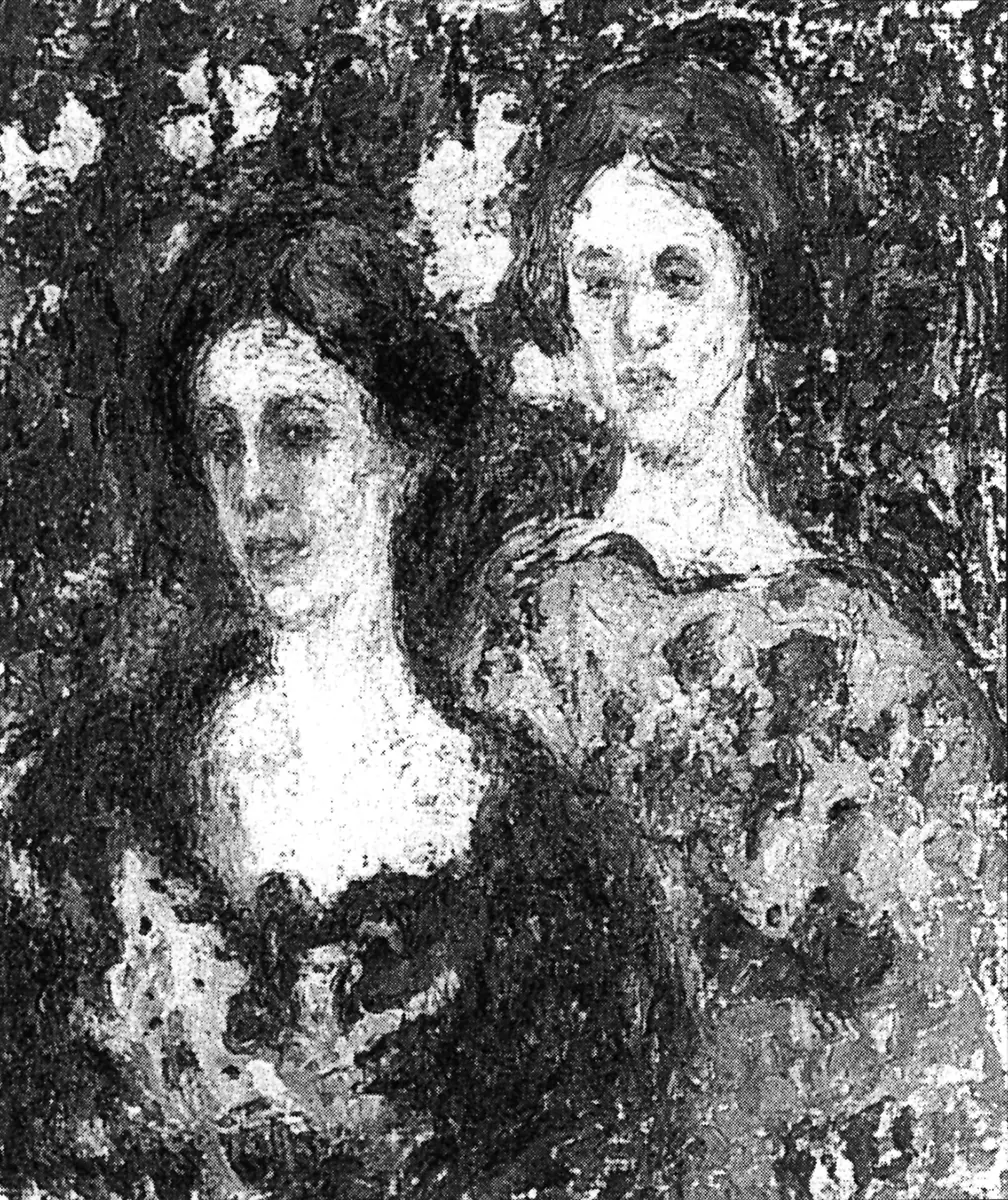
dollars, a price which in more prosperous times would have been quadrupled in Bogotá. But the Colombian demand recovered in Christie’s East, where there was another major surprise. The Latin American department of this auction house did not have any updated information on Andrés de Santa María, and placed him at the end of the catalog with only black and white illustrations: Jug with Flowers, with an average estimate of 2,500 dollars rose in seconds to 36,800 dollars, while Two Women, estimated at 5,000, jumped to 57,500, to the astonishment of buyers from other latitudes.
Another Colombian who proved surprising by the unstoppable drop in his prices is Botero. Sotheby’s refrained from taking the risk, while Christie’s had to return Field Mars to its original owner, since offers did not reach even 300,000, a price which in the past would have been paid for lesser works. Man Smoking went for 260,000. The prices of this artist are now probably below what might be called a market correction level, making them seem once again a particularly attractive investment.
On the other hand, Armando Morales continues to provide surprises, with his prices continuing to rise. Even so, there was one curious incident. While some of us disagreed with the Park Avenue strategy of estimating at between 200 and 250,000 a canvas measuring only 80 x 99.7 cms., the decision by Sotheby’s to put the Nudes in front of a blue square, from the same period, at between 175 and 225,000 seemed more realistic. But then, we were confronted with the results, with the former exceeding the stratospheric level of 300,000, a record for this format, while the latter was acquired for a mere 230.000. The presence of the water element in Ancient Bath II does not seem enough justification for this difference in price. The record for a still life by this artist was also broken, with a magnificent piece from 1989 exceeding 340,000 dollars at Christie’s.
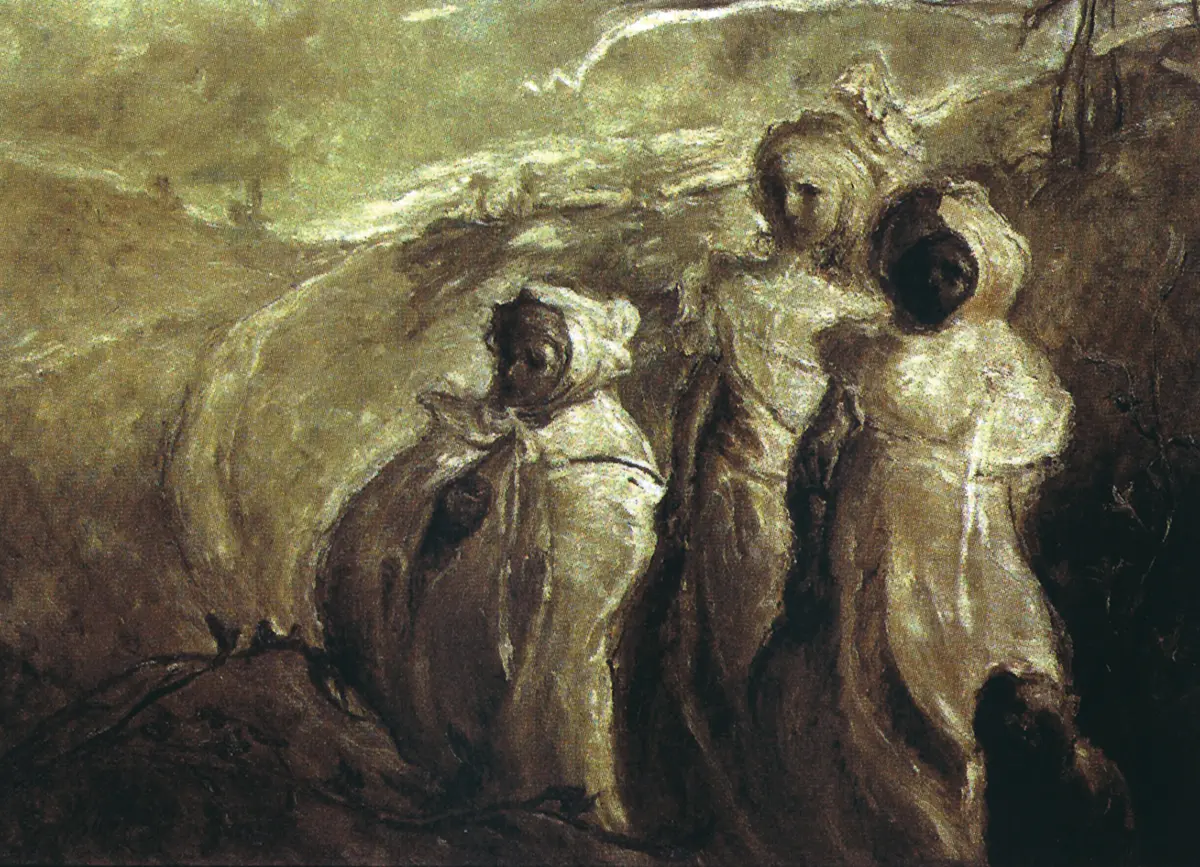
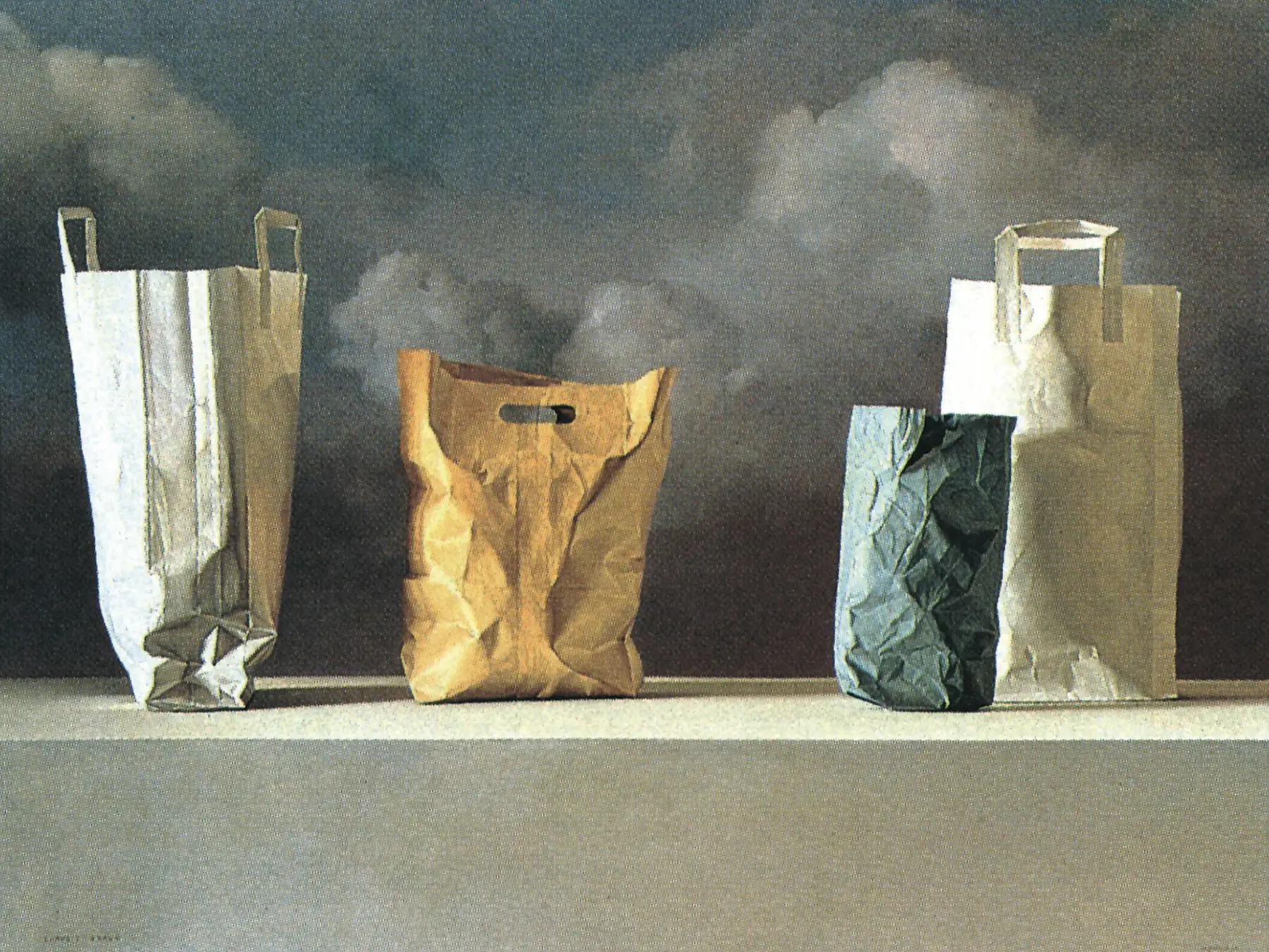
Another of the few major works on offer was Claudio Bravo’s Phantom in a Supermarket, which despite a rather dubious kind of restoration, cleared 300,000 at Sotheby’s. His compatriot Roberto Matta did not provide any surprises, despite the reappearance of L’Unité Absolue and the notable Morphologie Psychologique at York Avenue.
At Christie’s, mention should also be made of Torres-García’s Constructivist Composition in Black and White (1931), which almost reached its high estimate of 400,000 dollars.
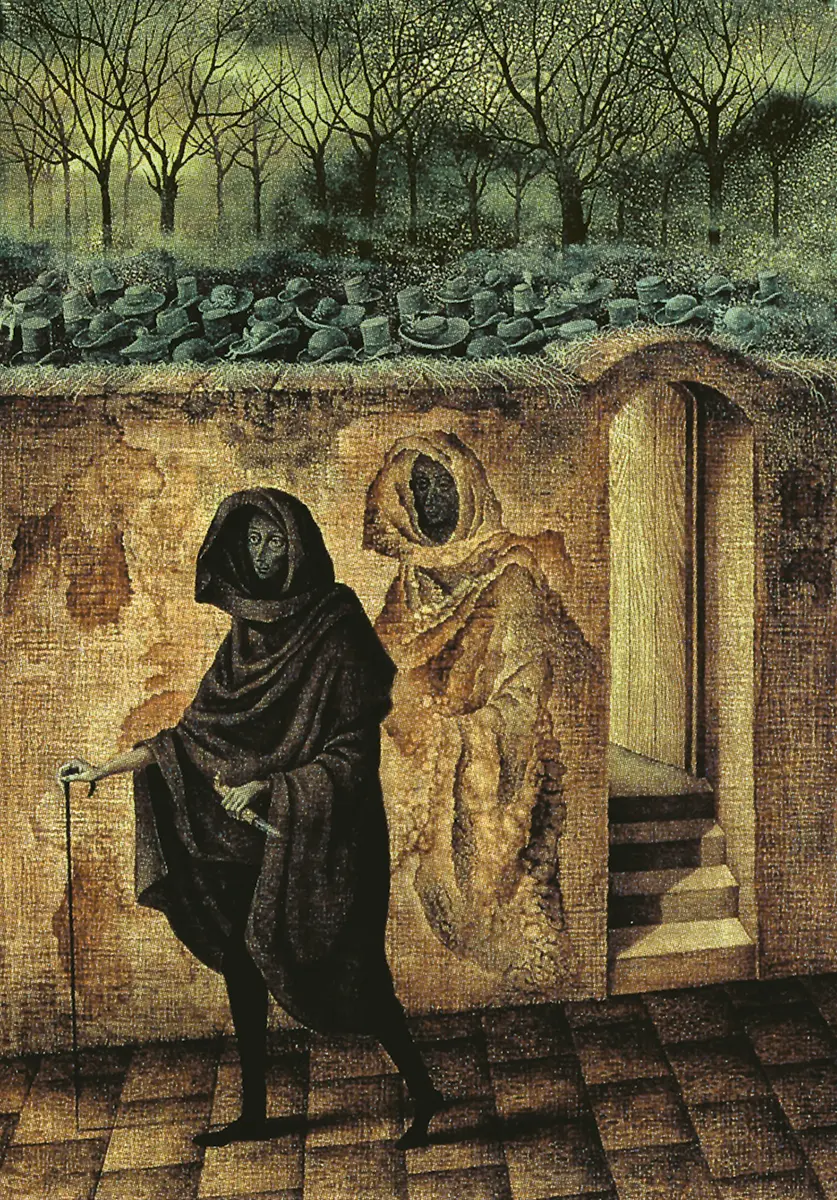
Few other references to the masters are possible without entering into the bulk of the market: the Mexicans, followed by the Cubans. Amongst the first 50 lots at Christie’s, only 15 concerned the rest of Latin America, and the figure at Sotheby’s was 14. Each house had its Frida Kahlo: The Four Inhabitants of Mexico went for its conservative estimated average of while everyone was surprised by the high reserve price of the canvas at Christie’s, which prevented a juicy offer of more than 1.4 million being accepted, which would have significantly improved that house’s final results and have at least brought in a six digit figure. The muralists passed unnoticed, since what was on offer was not of any special quality. Mention should be made of the cover of the single catalog at Sotheby’s, a still life by Rivera which achieved the third highest price at the house, 464,000 dollars, behind Frida Kahlo and the sensational Coincidence by Remedios Varo (580,000 dollars). Unfortunately for Tamayo, although there were two significant works on offer, the demand was just not there. At York Avenue, there was Dance of Joy and Still life with Blue Vase (277,000 dollars), a delightful caprice from 1940. At Christie’s, a work entitled Women went for 400,000.
Of the Cubans, there were only two important works by Lam, Le Sacre (1945) at Christie’s and Le Double Regard (1950) at the rival house, where much attention was given to the Picasso-like air of Pour les Réfugiés Espagnoles (1946).
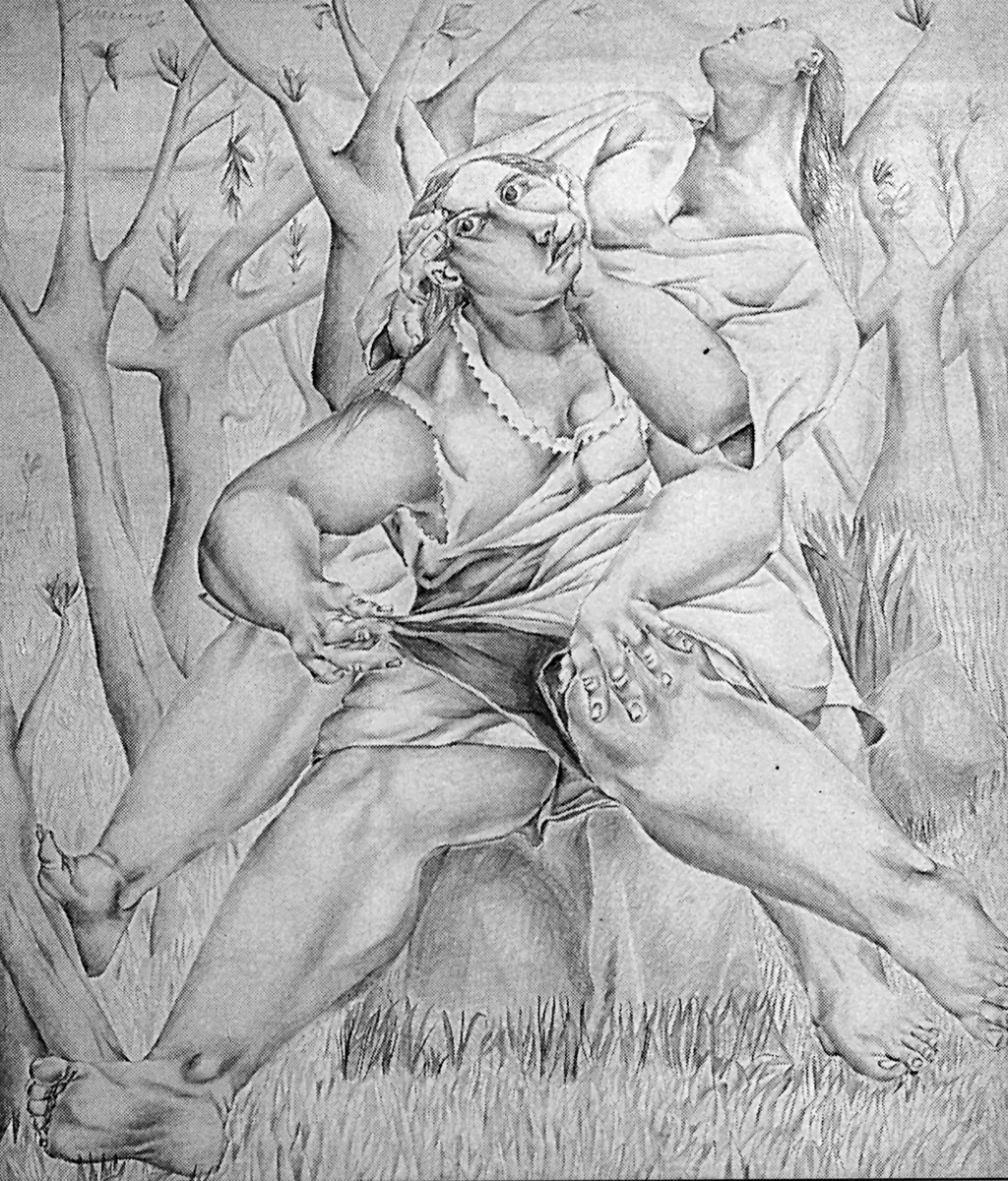
There was also a work by Carlos Enríquez which went over 100,000 dollars The Abduction (1937) at York Avenue and another by Fidelio Ponce de León, which reached 80,000 at Christie’s. The lack of any important works by Mariano Rodríguez and Cundo Bermúdez helped other artists, as well as the presence of two major Carreño works: Woman with Butterflies (reaching a significant 178,000 dollars) and Bewitchment of the Fisherwoman (167,000 dollars), both at Park Avenue. Mention should also be made of the excellent quality of a 1940 drawing by Rodríguez, entitled Figures, which went for 23,000 dollars, a fine result for a work on paper measuring 49 x 42 cm.
Another Cuban who, although contemporary, enjoys modernist prices is Julio Larraz. Christie’s achieved a singular record of almost 130,000 dollars for a canvas from 1983. For his part, Tomás Sánchez seems to have established his prices after a slight drop in previous auctions.
Of the contemporary Mexicans, Francisco Toledo continues to be the favorite. There seems to be a special interest in his half-sheet gouaches (approximately 56 x 76 cm), which range in price between 30,000 and up to 50,000 dollars. And a Balinese by Miguel Covarrubias managed to triple its estimate at Christie’s (from 22.5 to 85,000).
Neither was it a surprise to see a group of Dominicans and Puerto Ricans in a fight for the work of Ángel Botello. At Sotheby’s, The Family reached 54,000, while at Christie’s Women and Children achieved 63,000 dollars.
There were no major surprises, although there was a sense of unease once the final lot had been dispatched. Although the decision to reduce the number of lots on offer is valid, it should be accompanied by an increase in the quality of works on offer. With owners gripped by a sense of fear, this is the main challenge now facing the public relations specialists in the Latin American departments of both houses, just as the search for alternative markets to Mexico and Venezuela was in the past.
KLAUS STEINMETZ
Costa Rican art critic.