Between the 23 and 28 October I996, the first edition
of the Latin American International Art Fair of Bogota (Mirarte) was held in
Bogota. The event was preceded by a number of ominous feelings, resulting from
previous events of this kind (Mirarte is the second attempt to establish an art
fair in Bogota; the previous fair failed after two editions), and the general
situation of the country, in the grips of a prolonged political crisis and
serious indications of an ongoing economic recession. However, these ominous
forebodings did not materialize.
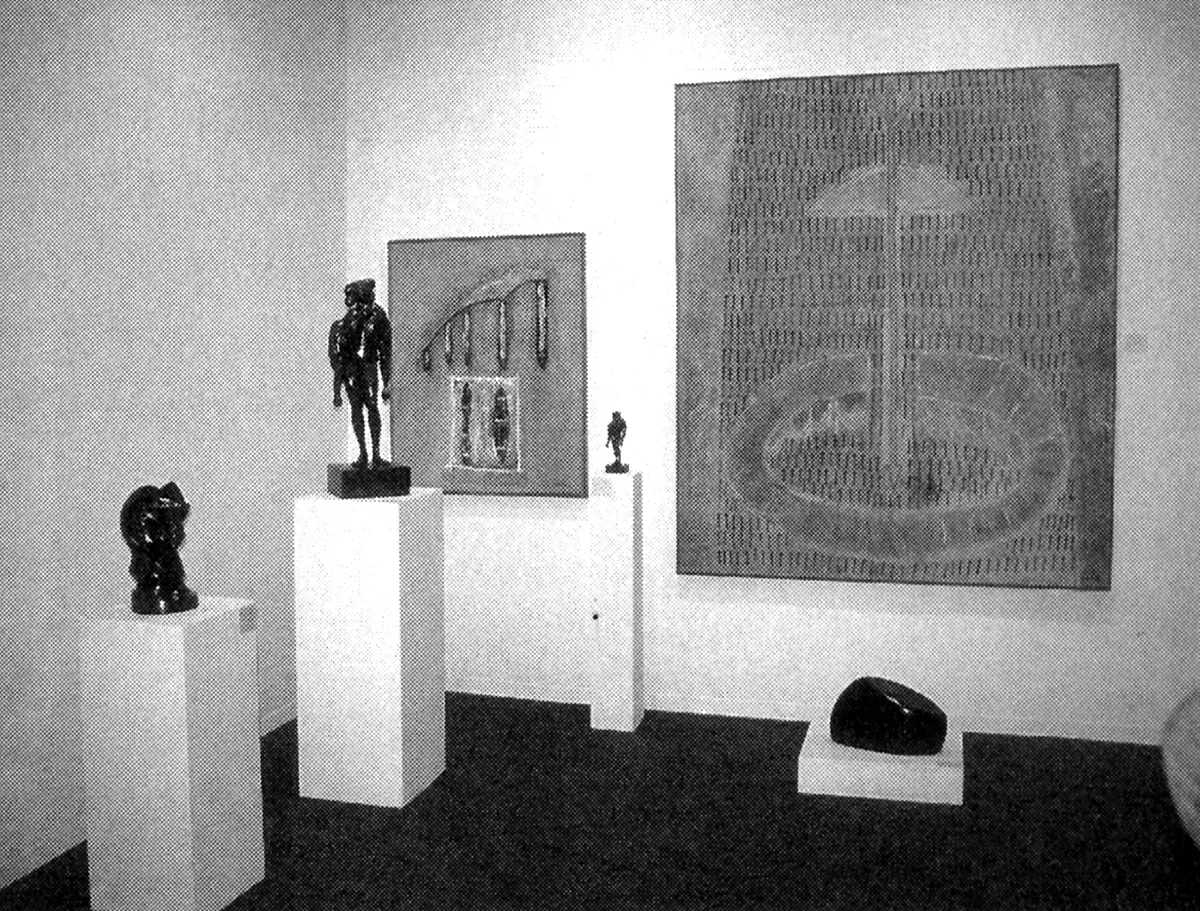
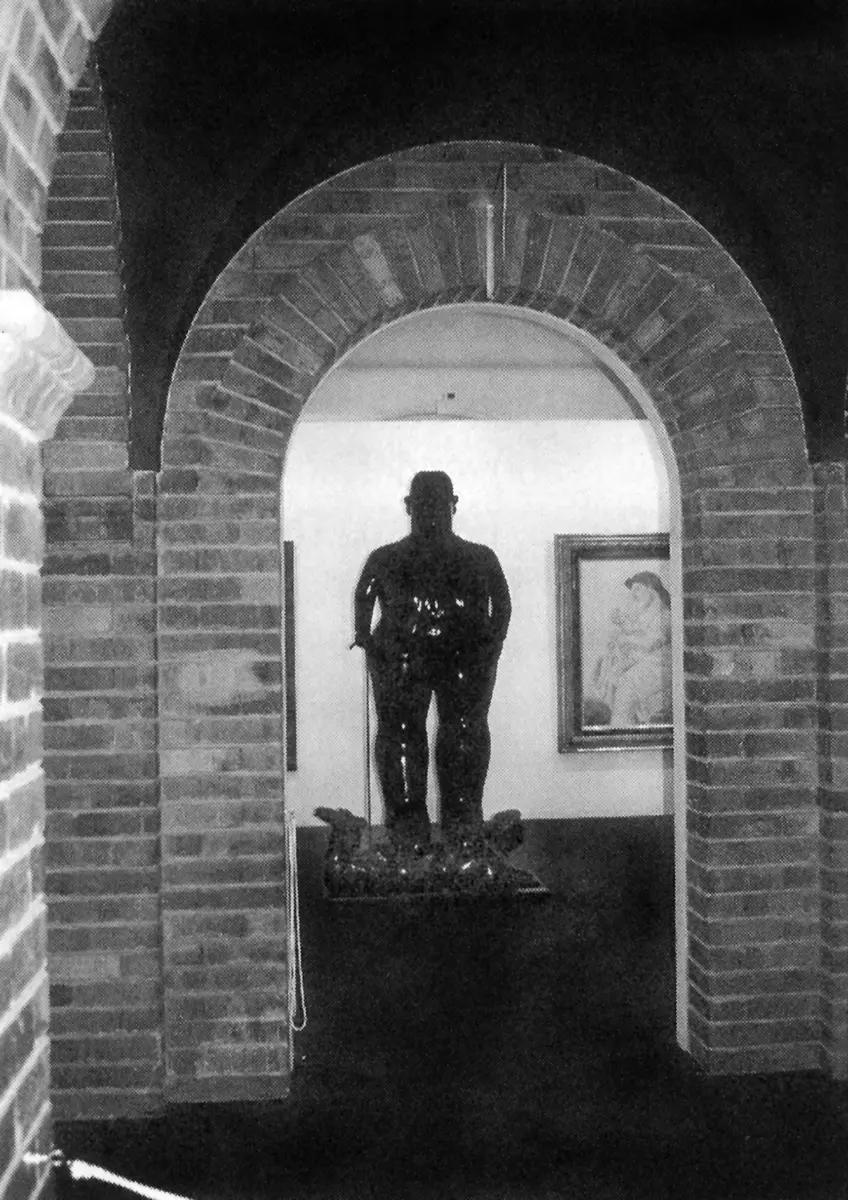
The fair was held, with the participation of I5 galleries from nine countries, including two from Europe, and the venue for the show, the former cloister of a convent now reconverted into an exhibition area, was filled most of the time with visitors. And although no overall balance sheet was drawn up on the fair’s economic results, it is a fact that some galleries, although not really satisfied with their sales, did not feel cheated, and some sold well. The fair was probably neither the best nor the worst kind of business activity. It must also be remembered that the international art market is not yet recovering from the tremendous setback it suffered at the beginning of the 1990s, and it is still too early to hope for a return to the fabulous sales of the 1980s.
As regards the quality of the works and gallery
stands, it was the Colombian galleries – naturally - which were the best and
most fully represented, followed (some way behind) by those of Venezuela and
Argentina.
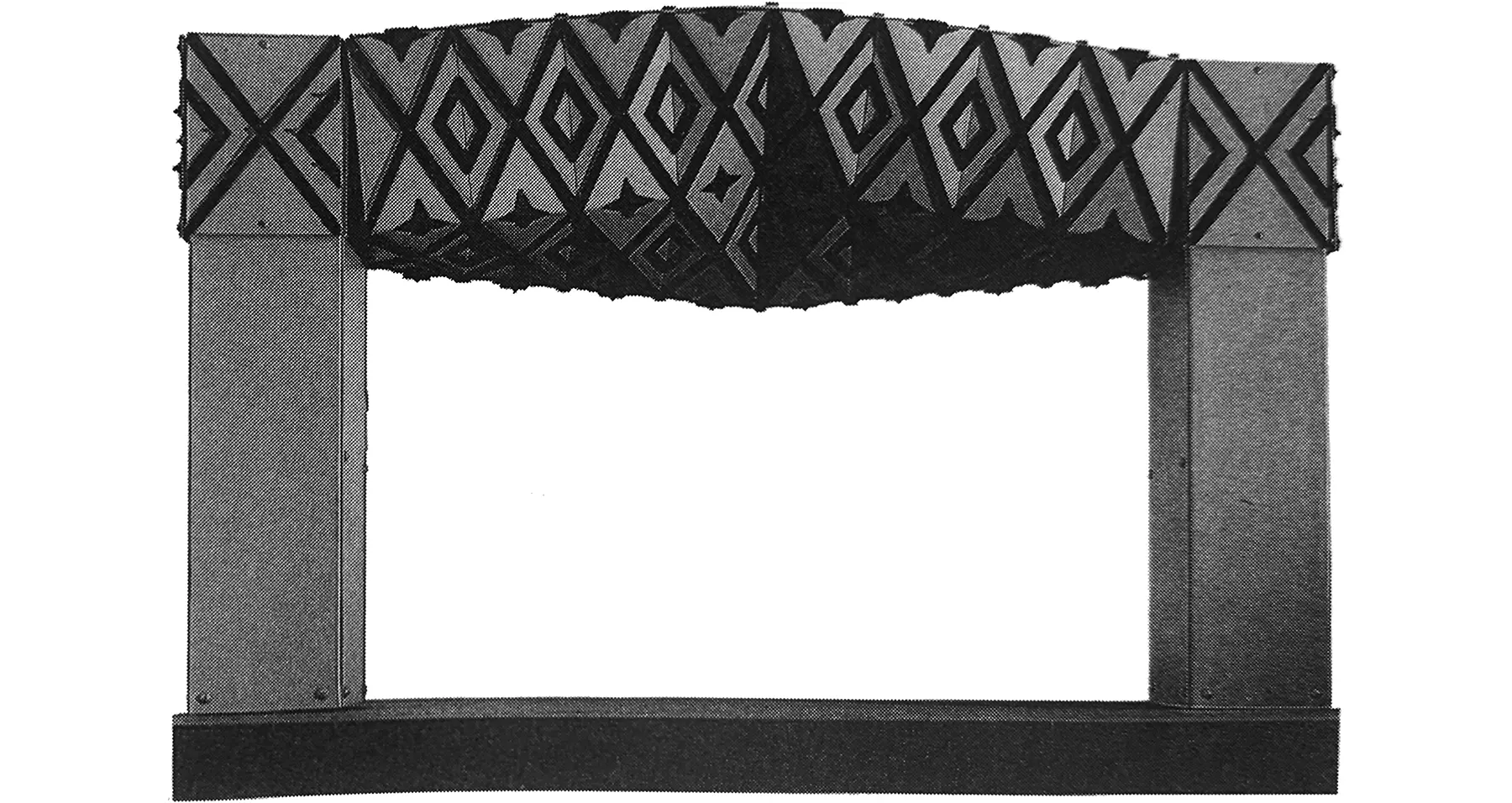
An important gallery representing Colombia was the
Casa Negret, which presented what was practically a one-man show of a dozen or
so of the best pieces done recently by the sculptor Edgar Negret, known for
many years for his lyrical version of the constructive tradition of the modern
movement. Lyrical and now nostalgic, as could be seen from the pieces on show,
which were full of reminiscences of and tributes to the Inca and Aztec
civilizations. It was the Jenni Vila Gallery, from Cali, which most successful combined
quality with innovation, with works by such Colombian artists as Victor
Laignelet, Luz Angela Lizarazo and Johana Calle. Lucas Ospina, the other artist
represented, showed some very sensitive, Beuys-like gouache works.
In the front line too were the Colombian galleries of
Garces Velasquez and El Museo, both from Bogota, although in the case of the
former, rather too much space was allocated to the work of Riera i Arago, a
Catalan artist who is not very convincing, particularly when seen outside his
Barcelona context and his system of affections and complicities. In the case of
El Museo its director emphasized certain established values, of the Obregon and
Botero kind, over artists on the way up, such as Rafael Ortiz and Horacio
Martinez. Interesting work could also be seen in other galleries, including at
the Carlos Alberto Gonzalez Gallery some pseudo pre-Columbian ceramic pieces by
Nadin Ospina, which irreverently combine the figure of Mickey Mouse and Donald
Duck with the characteristic imagery of the archaic pre-Hispanic civilizations.
At the Alfred Wild Gallery, there were some oilworks by Gonzalo Ariza, an old
Colombian master who recently died, and who painted pictures of Andean
landscapes drenched in mist and rain. The Colombian selection terminated with
the Sura- mericana Insurance Company stand, which presented work from its
splendid collection of Colombian art.
The work on display at the Venezuelan galleries was
not particularly attractive, despite the names proposed by a couple of
galleries included the most prestigious: Jose Luis Cuevas, Carlos Cruz Diez and
Alejandro Obregon. The only gallery from Mexico represented at the fair,
Praxis, presented work by Alberto Pancorbo, a figurative artist in the style of
Claudio Bravo. On the other hand, Argentina presented two particularly
interesting artists: the Uruguayan painter Iturria, at the Praxis Foundation,
and the Spanish-Colombian painter Francina Torner, at the Roberto Martin
Gallery. Torner's enormous canvases were particularly fascinating, describing
everyday life with a hallucinating kind of literalness - a feature which, in my
view, was also reflected in the flowers and landscapes of the painters
Margarita Lega and Jorge Cavelier, presented by the Barnard-Diderman Gallery
from New York. Mention must also be made of the Der Brucke Gallery, from
Argentina, with an excellent selection of artists, including Hernan Dompe,
Carlos Gallardo, Eduardo Medici, Silvia Rivas and Emilio Torti, amongst others,
and of the montage of sculptures in the patio by the Durban Gallery
(Venezuela), which included works by Agustin Cardenas, Daniel Couvreur, Augusto
Lange and Victor Valera.
CARLOS JIMÉNEZ