While at the beginning the almost dogmatic presence of the so-called new supports —a fragile argument, it must be said— seemed to allow a radical difference to be established vis-a-vis the previous generations, i.e. not with respect to the old regional generations but the generation immediately before, that of the the Group of the Eleven (Hugo Zapata, Oscar Jaramillo, Marta Helena Velez, Rony Vayda, etc.), with the passage of time, the filter par excellence for verifying persistence in a vocation and the definition of aesthetic proposals, what we could now call the group of new artists who have, in generational terms, achieved what can historically be called their definition.
There is something important present in them all:
their university training, which has enabled them to assimilate critically the
avalanche of information and the sudden changes in the culture industry and its
spurious models. There is another important factor: the contents of the new
city, the new uses of space, the new urban iconographies and the problems which
no longer concern politics but'ecology, the vision of death, the meanings of
ludic elements, etc. The inevitable experience of the new global village.
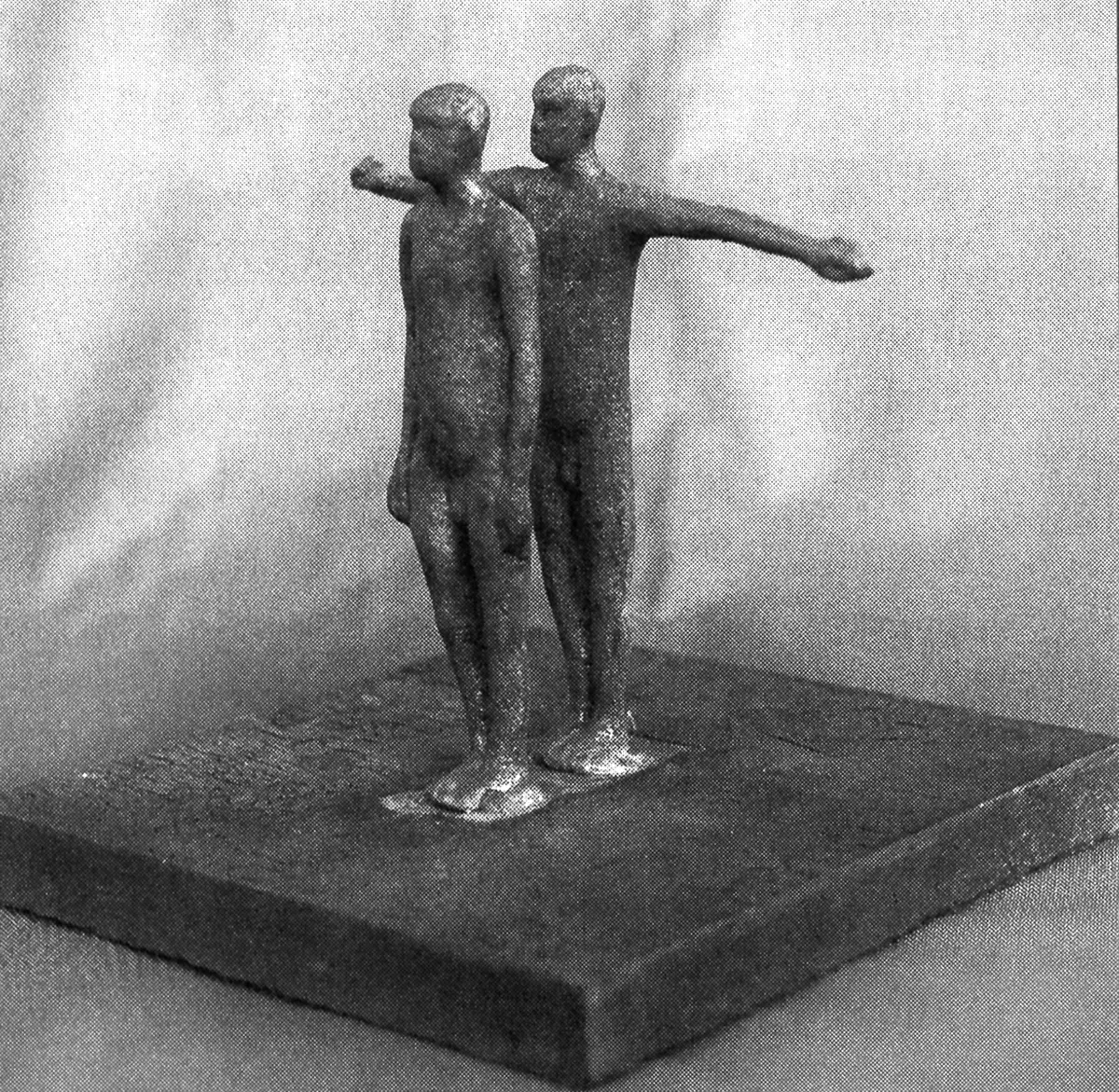
The lack of communication - not of the existentialist kind, but the post-modern void - has been coherently proposed and with considerable aesthetic effect by Maria Dolores Garcia, Alejandro Castano (as can be seen from his last show in which he managed to bring his formal investigation towards a very personal sculptural language) and Ana Claudia Munera, who has intelligently created a dislocated and acidic kind of world in a fierce critique of certain social customs, certain memories of life through the medium of video. Her extraordinary exhibition at Suramericana clearly confirmed the solidity of her proposal and the scope of her casuistical humor.
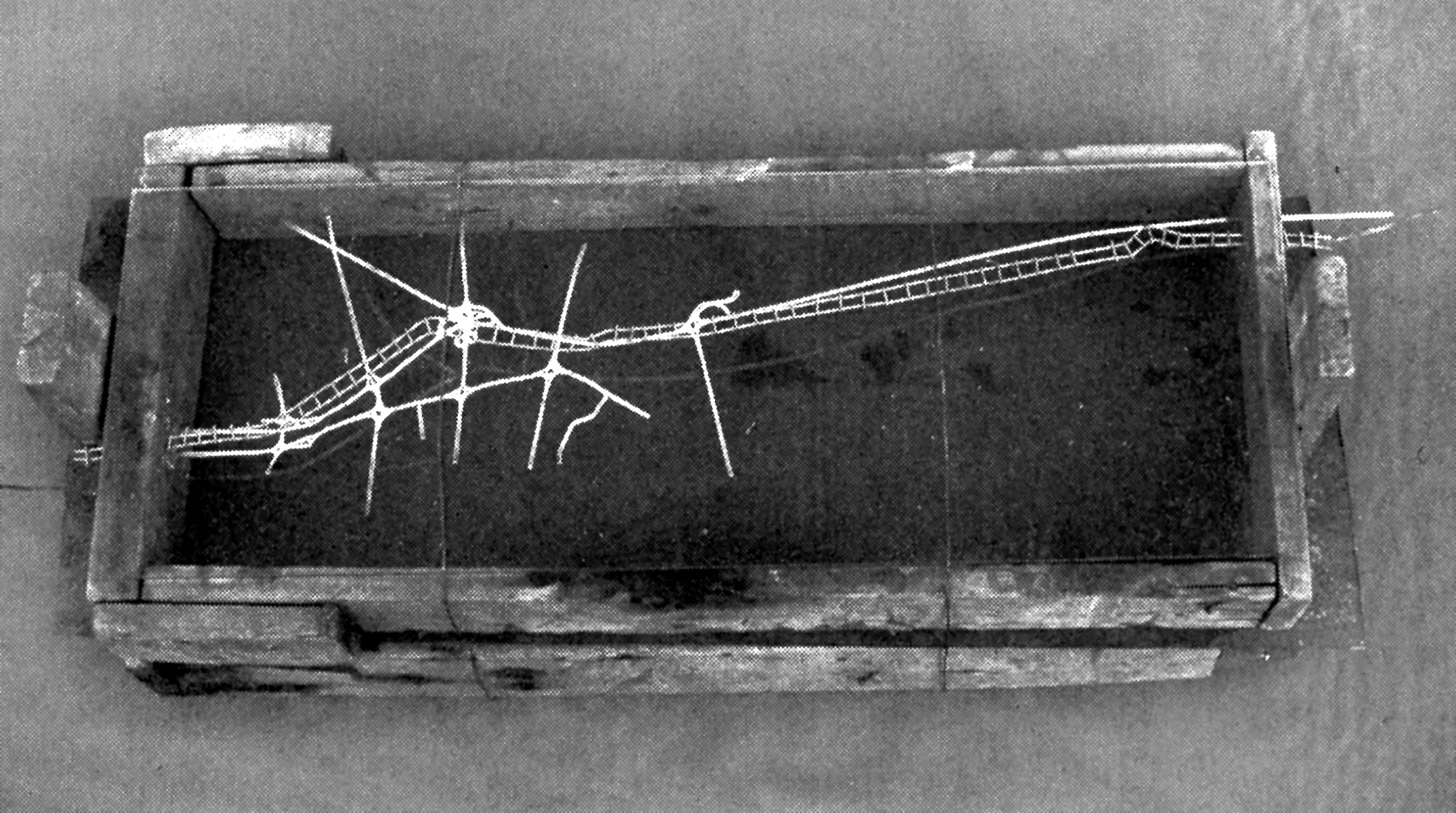
Gloria Posada is now one of the most important young Colombian artists, with work of international resonance (she is also a notable poet). Sugel Pedroza has avoided the dangers of gratuitous «revival» trying to achieve in each proposal patinas and objects which conjure up a poetic image of great strength. Where and when will there be the first one-person show of this artist’s work? The same question arises in the case of Maria Adelaida Lopez, whose interesting investigations merit an individual exhibition.
If to all these names we add those of Jose Antonio
Suarez, Aristizabal Londono, Fredy Serna, Carlos Uribe and Maria Teresa Cano,
then we have to admit that there is a new generation whose asethetic value is
unquestionable and whose proposals are opening up an historical perspective
from which the revision of the immediate past should be an urgent task which
will give the concept of culture the dynamism which it needs.
DARIO RUIZ GOMEZ